

Red hot dogs might look tempting to share with your furry best friend, but before you toss one under the table, we need to talk about why this seemingly innocent BBQ staple could be a serious health hazard for your pup. As a vet tech who’s seen too many preventable cases, I’m here to break down exactly what makes red hot dogs risky and what you should do instead.
Table of Contents
- What Are Red Hot Dogs Anyway?
- The Sodium Nightmare: Why Salt is Your Dog’s Enemy
- Nitrites and Nitrates: The Preservative Problem
- Choking Hazards and Digestive Issues
- Dangerous Seasonings: Garlic and Onion Powder
- Comparing Red Hot Dogs to Other Processed Meats
- What If Your Dog Already Ate a Red Hot Dog?
- Safe Treat Alternatives for Your Pup
- Reading Labels: How to Spot Dangerous Hot Dogs
- Breed-Specific Considerations
- Frequently Asked Questions
- The Bottom Line: Skip the Red Hot Dogs
What Are Red Hot Dogs Anyway?
Let’s start with the basics. Red hot dogs—those bright crimson sausages you see at baseball games and summer cookouts—are typically made from beef, pork, or a mixture of both. They get their distinctive color from sodium nitrite, a preservative that prevents bacterial growth and gives them that eye-catching hue. While this ingredient is FDA-approved for human consumption, it’s a whole different story when it comes to your canine companion.
These processed meats also contain high levels of sodium, fat, and various seasonings that might be fine for your digestive system but can wreak havoc on a dog’s. We’re talking about ingredients like garlic powder, onion powder, and excessive salt—all things vets recommend avoiding.
The Sodium Nightmare: Why Salt is Your Dog’s Enemy
Here’s the thing about red hot dogs and sodium content: one regular hot dog can contain 400-600mg of sodium. That might not sound like much to you, but according to the Association of American Feed Control Officials, adult dogs only need about 200mg of sodium per day. A single red hot dog could exceed your dog’s entire daily requirement.
Excessive sodium intake in dogs leads to increased thirst, urination, and in severe cases, hypernatremia (sodium ion poisoning). Symptoms include vomiting, diarrhea, tremors, and seizures. If your pup has already snagged a hot dog or two, monitor them closely for these signs.
Nitrites and Nitrates: The Preservative Problem
Sodium nitrite, the compound responsible for that bright red color, is a preservative that’s been used in processed meats for decades. While it’s generally recognized as safe for humans in moderate amounts, dogs process it differently. These compounds can potentially form nitrosamines in the digestive tract, which are concerning carcinogenic compounds.
This is why many veterinarians recommend limiting processed meat consumption for dogs, especially as a regular treat. It’s not that one hot dog will definitely cause cancer, but it’s an unnecessary risk when better protein sources exist.
Choking Hazards and Digestive Issues
Beyond the chemical concerns, red hot dogs present physical risks. The cylindrical shape and slightly firm texture make them potential choking hazards, particularly for enthusiastic eaters or smaller breeds. I’ve personally seen cases where dogs needed emergency intervention because they tried to swallow a hot dog whole.
Additionally, the high fat content in processed hot dogs can trigger pancreatitis—a painful inflammation of the pancreas. If your dog has a sensitive stomach or a history of GI issues, red hot dogs are absolutely off-limits. Check out our guide on what to do when your dog has diarrhea but is acting fine to understand how quickly things can escalate.
Dangerous Seasonings: Garlic and Onion Powder
Many red hot dogs contain garlic powder and onion powder for flavoring. Here’s what every dog owner needs to know: both garlic and onions are toxic to dogs. They contain compounds called thiosulfates that damage red blood cells and can cause hemolytic anemia.
While the amount in a single hot dog might not cause immediate poisoning, it’s still an unnecessary toxin exposure. If your dog has consumed multiple hot dogs or has a smaller body weight, contact your vet immediately. Symptoms of garlic or onion toxicity include weakness, pale gums, and discolored urine.
Comparing Red Hot Dogs to Other Processed Meats
You might wonder how red hot dogs stack up against other processed meats you shouldn’t feed your dog. Ham is similarly problematic due to high sodium content, and pepperoni presents additional risks from spices and fat. Even soy sauce used in some hot dog toppings is dangerous for dogs.
If you’re looking for safer alternatives, plain turkey is a much better protein option for dogs. And if you want to get fancy, kosher hot dogs sometimes have fewer additives, though they’re still not ideal.
What If Your Dog Already Ate a Red Hot Dog?
Don’t panic if your dog snagged a red hot dog from the picnic table. Most dogs who eat one hot dog will be fine, though they might experience some digestive upset. Here’s what to do:
Immediate steps: Monitor your dog closely for the next 24-48 hours. Watch for vomiting, diarrhea, excessive thirst, or lethargy. If your dog is a small breed or ate multiple hot dogs, call your vet sooner rather than later.
Hydration matters: Offer plenty of fresh water to help flush the excess sodium from their system. Don’t restrict water intake—this is one time you want them drinking more.
Skip the next meal: Consider skipping their next meal or offering a bland diet (plain chicken and rice) to give their digestive system a break.
When to call the vet: Contact your veterinarian if you notice tremors, seizures, severe vomiting, or if your dog ate multiple hot dogs or is a small breed.
Safe Treat Alternatives for Your Pup
Want to give your dog a special treat at the BBQ? Skip the red hot dogs and try these safer options:
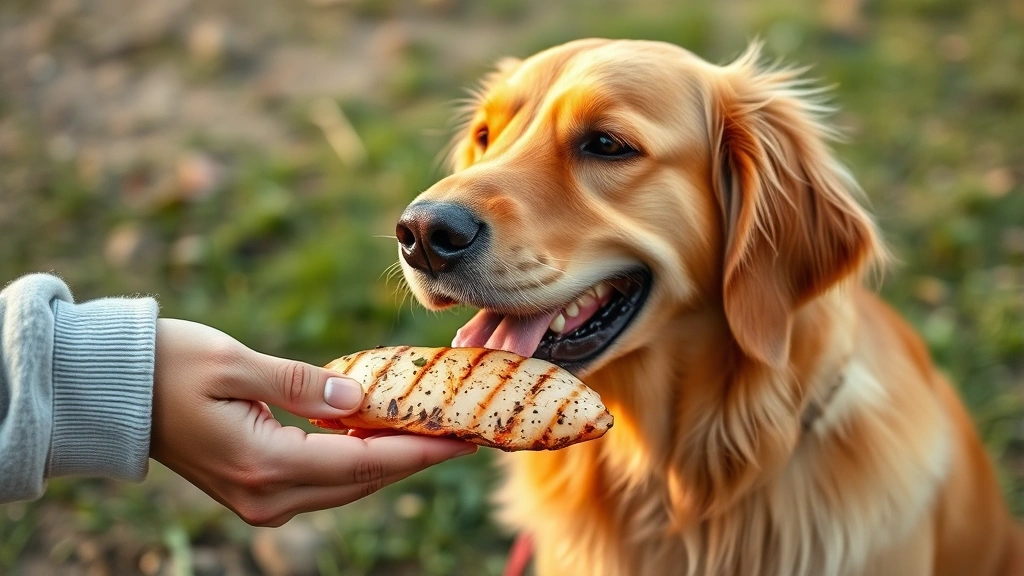
Plain grilled chicken: Remove all seasoning, skin, and bones. This is protein heaven for dogs and requires zero guilt.
Carrots: Raw or cooked, carrots are crunchy, low-calorie, and great for dental health.
Plain sweet potato: Baked or boiled, this provides fiber and natural sweetness without additives.
Watermelon: Remove seeds and offer in small chunks. Hydrating and refreshing on hot days.
Dog-specific treats: Invest in treats made specifically for canines that meet AAFCO standards.
Reading Labels: How to Spot Dangerous Hot Dogs
If you’re ever tempted to give your dog any hot dog, here’s how to read labels like a pro:

Look for sodium content—anything over 300mg per serving is too high. Check the ingredient list for garlic powder, onion powder, and excessive spices. Avoid anything with nitrites or nitrates listed. Be wary of vague ingredients like “meat by-products” or “meat meal.” The shorter and more recognizable the ingredient list, the safer it generally is.
That said, even the “best” hot dog isn’t ideal for dogs. There are simply better protein sources available.
Breed-Specific Considerations
Some dogs are at higher risk from red hot dogs than others. Small breeds like Chihuahuas and Toy Poodles are more vulnerable to sodium toxicity and choking hazards. Senior dogs and those with existing health conditions (kidney disease, heart problems, pancreatitis) should absolutely never have red hot dogs.
Brachycephalic breeds (flat-faced dogs like Bulldogs and Pugs) have additional choking risk due to their anatomy. If you have one of these breeds, treat red hot dogs like they’re radioactive.
Frequently Asked Questions
Can dogs eat plain hot dogs without seasoning?
Even plain hot dogs contain high sodium and processed ingredients. While they’re less dangerous than seasoned varieties, they’re still not recommended. Plain grilled chicken is a much better choice.
What’s the difference between red hot dogs and regular hot dogs?
Red hot dogs specifically contain sodium nitrite for coloring and preservation. Regular hot dogs might have different preservation methods, but they’re generally equally problematic for dogs due to sodium and fat content.
How much sodium is toxic to dogs?
Toxicity depends on the dog’s size and health status. Generally, acute toxicity occurs at 3-4 grams of sodium per kilogram of body weight. Chronic excessive sodium intake causes long-term health issues at much lower levels.
Are there any hot dogs safe for dogs?
Some specialty brands make dog-specific “hot dogs” with lower sodium and no harmful additives. These are specifically formulated for canine nutrition and are the only hot dog products I’d recommend.
What should I do if my dog ate a red hot dog at a party?
Monitor closely for 24-48 hours. Offer extra water, skip the next meal, and watch for vomiting, diarrhea, or unusual behavior. Contact your vet if concerning symptoms develop, especially for small breeds or if multiple hot dogs were consumed.
Can red hot dogs cause long-term health problems?
Regular consumption of red hot dogs can contribute to obesity, pancreatitis, and potentially increase cancer risk due to nitrite compounds. It’s best to avoid them entirely.
The Bottom Line: Skip the Red Hot Dogs
Red hot dogs might be a summer staple for humans, but they’re genuinely not worth the risk for your dog. The combination of excessive sodium, harmful preservatives, toxic seasonings, and high fat content makes them one of the worst “people food” options for your pup. That moment of cuteness when they look up at you with those puppy dog eyes isn’t worth a trip to the emergency vet.
This BBQ season, be the hero who keeps their dog safe by offering better alternatives. Your dog will be just as happy with plain grilled chicken, and you’ll sleep better knowing you’re not exposing them to unnecessary health risks. Because at the end of the day, the best treat you can give your dog is a long, healthy life by their side.





