
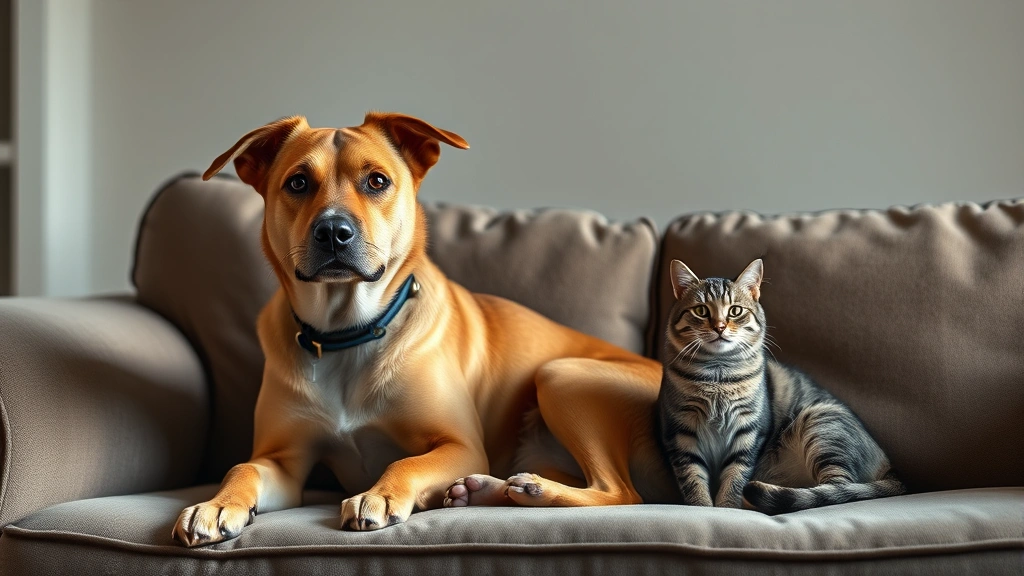
A rescue dog raised by cats is basically the ultimate plot twist in the animal kingdom. You’ve got a canine who thinks it’s a feline, and honestly? It’s hilarious and heartwarming in equal measure. If you’ve ever adopted a dog from a multi-pet household where cats ruled the roost, you’ve probably noticed some seriously quirky behaviors that make you wonder if your pup got their wires crossed somewhere along the way.
Table of Contents
- The Grooming Obsession: When Dogs Become Self-Cleaning Machines
- The Slow-Motion Approach to Life: Meet Your Low-Energy Rescue
- The Vertical Obsession: Why Your Dog Loves High Places
- The Silent Communication Game: Meowing Dogs and Quiet Conversations
- The Pounce and Play Style: Feline Hunting Tactics in a Canine Package
- The Litter Box Fascination: A Behavior You’ll Want to Break
- The Independent Streak: Your Dog Doesn’t Need You (But Loves You Anyway)
- The Sensitivity to Handling: Respecting Boundaries
- The Selective Friendliness: Not Everyone Gets Access
- Understanding the Science Behind the Behavior
- Making Your Rescue Dog Happy: Embracing Their Unique Personality
- Frequently Asked Questions
These dogs aren’t broken—they’re just beautifully confused in the best possible way. Let’s dive into why your rescue dog might be acting more like a cat than, well, a dog.
The Grooming Obsession: When Dogs Become Self-Cleaning Machines
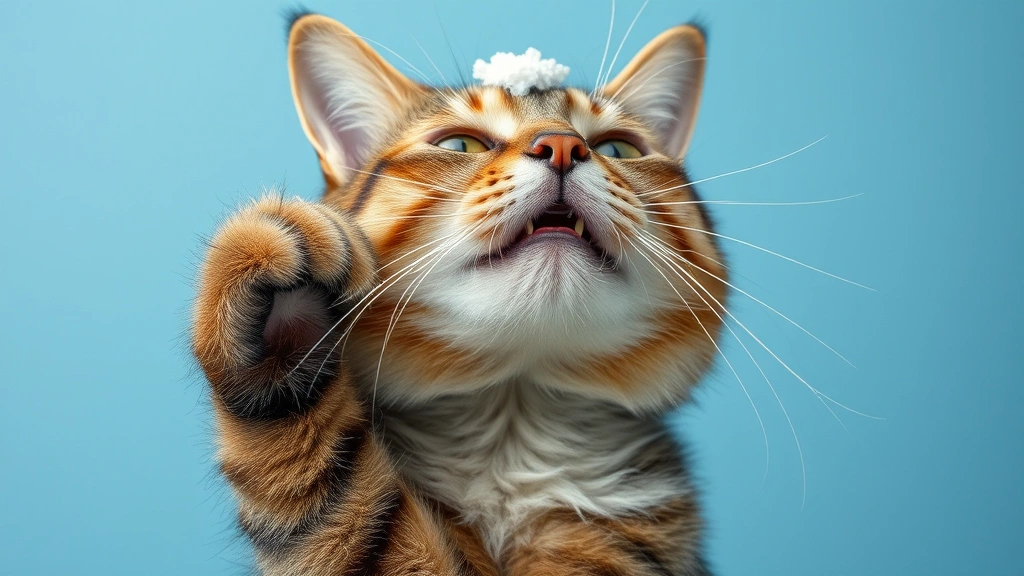
One of the first things you’ll notice about a dog raised by cats is their obsession with personal hygiene. While most dogs are content to roll in mud and call it a day, your rescue might spend hours licking their paws and grooming themselves like they’re prepping for a feline beauty pageant.
This behavior stems from early socialization. When puppies grow up watching cats meticulously clean themselves, they pick up on these habits. Cats are basically the neat freaks of the animal world, and dogs are observational learners. Your pup saw their feline siblings maintaining pristine coats and thought, “Yeah, I’m doing that too.”
The good news? This means fewer baths for you. The slightly weird thing? Your dog might groom you too, which is sweet until they’re licking your face at 6 AM. Check out our guide on Is My Dog Happy to understand if this grooming behavior is a sign of contentment.

The Slow-Motion Approach to Life: Meet Your Low-Energy Rescue
Does your rescue dog move like they’re perpetually underwater? That’s the cat influence talking. Dogs raised alongside cats often adopt that signature feline laziness, becoming what many would classify as one of the lazy dog breeds.
Cats are masters of energy conservation. They sleep 12-16 hours a day and move with deliberate, calculated grace. When a dog spends formative years watching this lifestyle, they start to think, “Why run when you can walk? Why walk when you can sit?”
This isn’t laziness—it’s learned behavior. Your rescue dog has internalized the feline philosophy of life: conserve energy, observe from high places (if they can), and only move when absolutely necessary. It’s actually pretty brilliant when you think about it. If you’re looking for a dog that won’t drain your energy, a rescue dog raised by cats might be your perfect match. Learn more about low energy dog breeds to understand this temperament better.
The Vertical Obsession: Why Your Dog Loves High Places
Ever catch your rescue dog trying to climb onto the couch, bed, or literally any elevated surface? That’s pure cat energy right there. A rescue dog raised by cats often develops an inexplicable love for high places, much to the confusion of dog owners who expect their pups to be ground-level creatures.
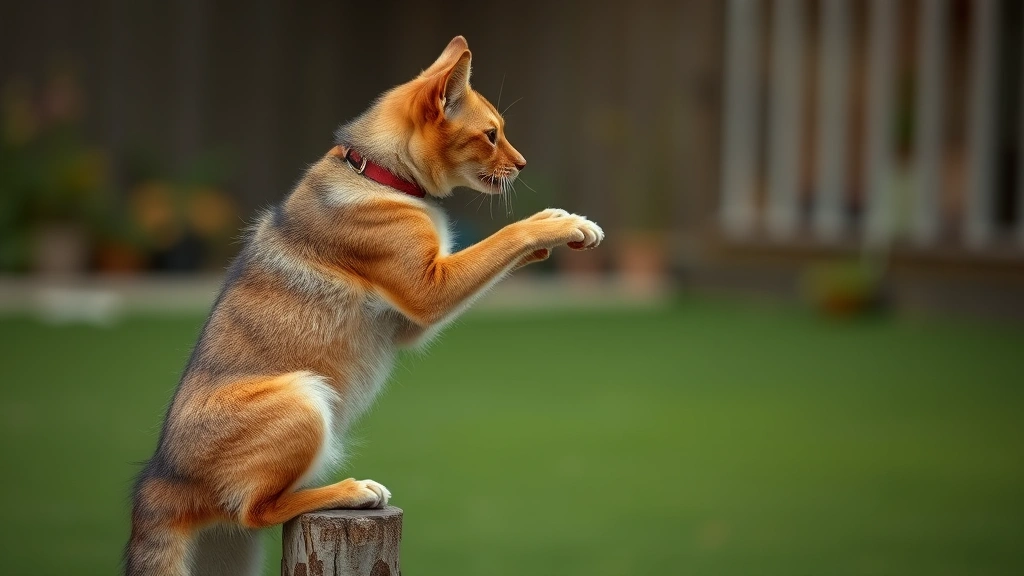
Cats use elevation as a survival strategy—it gives them vantage points and escape routes. Dogs raised by cats pick up on this logic and think, “Yeah, being up there seems smart.” You might find your dog perched on the back of the couch like they’re a 40-pound tabby, surveying their kingdom with the confidence of a feline overlord.
This behavior is harmless and actually kind of endearing. Just make sure your furniture can handle the extra weight and that your pup can safely get down without injury.
The Silent Communication Game: Meowing Dogs and Quiet Conversations
Here’s where it gets really weird and wonderful: some rescue dogs raised by cats actually try to meow. Not all of them, but enough that it’s a documented phenomenon. You might hear your dog make these strange chirping, trilling, or meowing sounds that are absolutely not normal canine vocalizations.
Dogs are incredibly adaptable communicators. If they grow up in an environment where cats are the primary communicators, they might try to mimic those sounds. It’s not that they’re actually meowing—it’s that they’re attempting to speak the language of their childhood pack.
Additionally, these dogs tend to be quieter overall. They’ve learned that cats communicate through body language, subtle gestures, and the occasional dramatic yowl rather than constant barking. Your rescue might be the quiet type who speaks volumes through a slow blink or a deliberate head tilt.
The Pounce and Play Style: Feline Hunting Tactics in a Canine Package
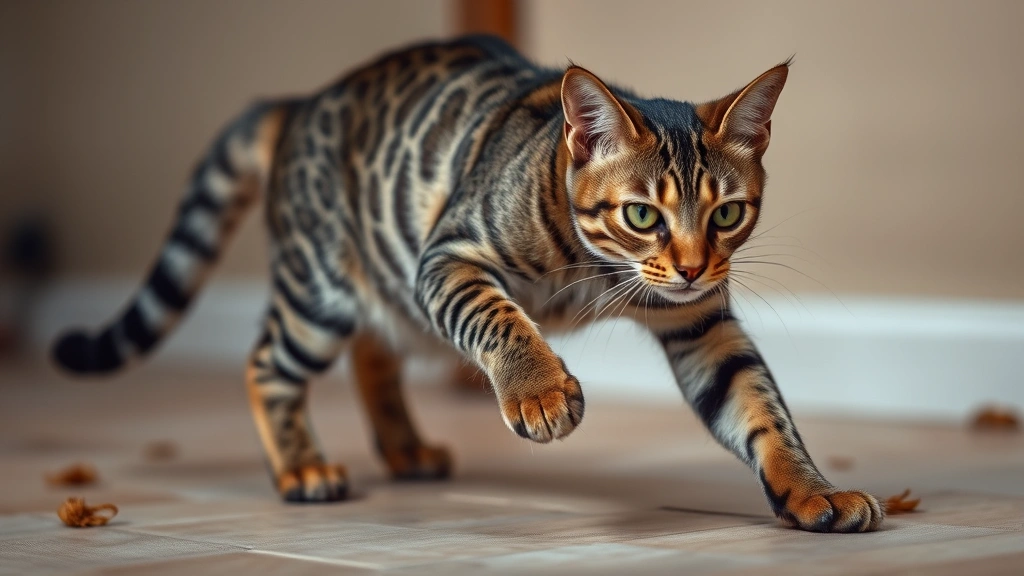
Watch your rescue dog play and you might see something surprising: they pounce like a cat. Instead of the typical dog play-bow followed by a chase, your pup might crouch low, wiggle their hindquarters, and launch themselves at a toy or another dog with that distinctive feline hunting style.
This is learned predatory behavior. Cats hunt differently than dogs—they’re ambush predators who rely on stealth and explosive bursts of energy. Dogs are typically pursuit predators who rely on endurance. When a dog grows up watching cats hunt, they sometimes adopt these tactics as their own.
The good news is that this behavior is usually perfectly fine. It shows your dog has learned multiple communication and play styles, which actually makes them more adaptable and socially flexible. Just monitor playtime to make sure it doesn’t escalate into something too rough.
The Litter Box Fascination: A Behavior You’ll Want to Break
Let’s be honest—this is the one behavior you probably don’t want your rescue dog to pick up. Dogs raised by cats sometimes develop an unfortunate interest in the litter box, viewing it as a convenient snack station. It’s gross, we know.
This happens because dogs learn by observation, and if a cat is regularly using the litter box in front of them, the dog might think, “Oh, that’s a resource. That’s interesting.” They don’t have the same disgust response that adult humans do.
The solution is simple: keep the litter box in a cat-only space or use a covered box with a cat-sized entrance. Train your rescue to leave the litter box alone using positive reinforcement. This is one area where you’ll definitely want to override the cat-influenced behavior.
The Independent Streak: Your Dog Doesn’t Need You (But Loves You Anyway)
Cats are famously independent, and dogs raised by cats often inherit this trait. Your rescue might not be the clingy, velcro-dog type. Instead, they’re cool with hanging out in their own space, entertaining themselves, and checking in with you on their own schedule rather than demanding constant attention.
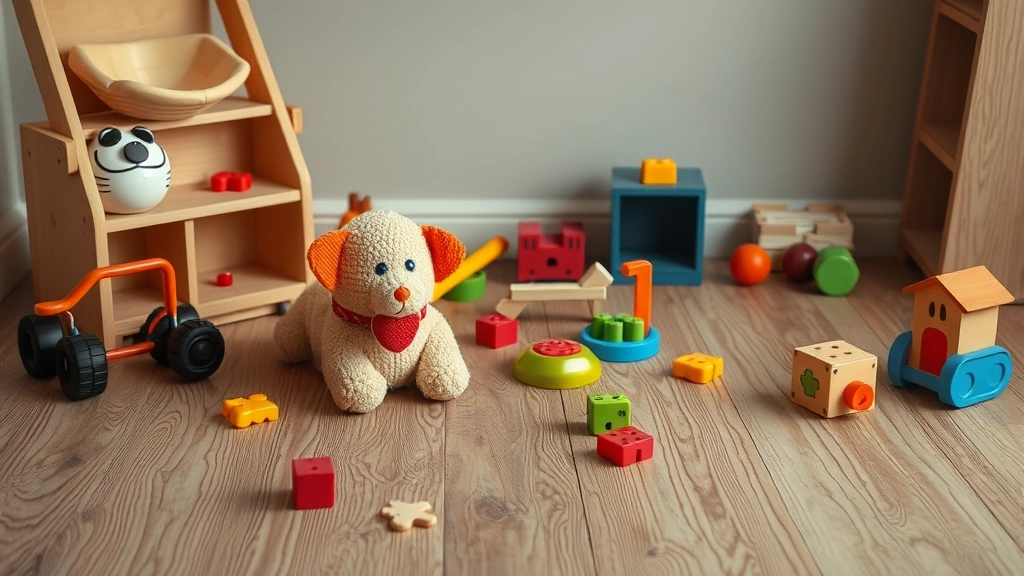
This is actually a wonderful quality in a dog. It means your rescue is confident, secure, and doesn’t suffer from separation anxiety. They’ve learned from their feline siblings that it’s totally okay to do your own thing and maintain some personal boundaries.
Don’t mistake this independence for lack of affection. Your dog still loves you—they just show it in a more cat-like way: appearing when they want attention, leaving when they’ve had enough, and generally being selective about their cuddle time.
The Sensitivity to Handling: Respecting Boundaries
Cats are notoriously particular about how and where they’re touched. A rescue dog raised by cats often picks up on this sensitivity. Your pup might prefer gentle strokes over vigorous petting, might not enjoy having their paws handled, and could be particular about which areas of their body they allow you to touch.
This isn’t aggression—it’s boundary-setting. Your dog learned from cats that it’s acceptable to communicate discomfort and that their body autonomy matters. It’s actually a sign of good mental health and confidence.
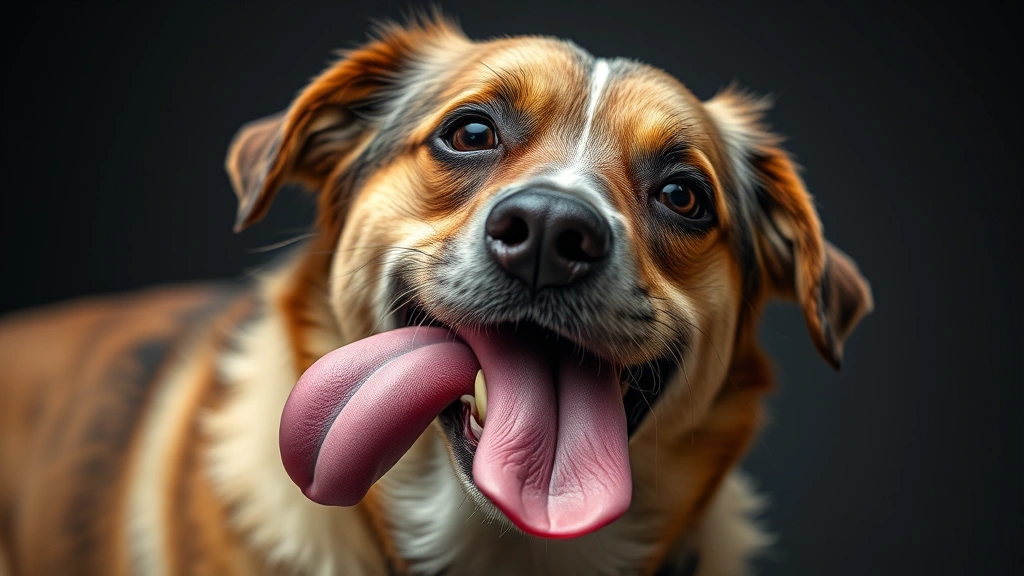
Respect these boundaries. If your dog moves away when you try to pet their belly, they’re not being difficult—they’re communicating. This is healthier than a dog who allows anything because they lack the confidence to say no.
The Selective Friendliness: Not Everyone Gets Access
While some dogs are indiscriminate in their love, a rescue dog raised by cats tends to be more selective. They might be friendly but reserved with strangers, warm with their chosen humans, and cool with other dogs unless they’ve decided those specific dogs are worth their time.
This selective social style is pure feline influence. Cats choose their people and their friends. Dogs raised by cats often adopt this same philosophy. They’re not unfriendly—they’re just discerning.
This can actually be an advantage. Your dog is less likely to jump on every stranger or get into scuffles with every dog they meet. They’ve learned the art of selective socialization, which is honestly pretty sophisticated.
Understanding the Science Behind the Behavior
The reason a rescue dog raised by cats exhibits these behaviors comes down to developmental psychology and observational learning. Dogs are incredibly social animals with high plasticity in their behavioral development. During critical socialization periods (roughly 3-14 weeks), puppies learn how to interact with their environment and the creatures in it.
When a dog’s primary social group includes cats, those feline behaviors become normalized. The dog doesn’t think, “I’m learning from cats.” Instead, they think, “This is how my family behaves, so this is how I should behave.”
According to research from the American Kennel Club and behavioral studies published through veterinary channels, multi-species households create dogs with unique behavioral profiles. These dogs often have better impulse control, more sophisticated communication styles, and greater adaptability than dogs raised only with other dogs.
For more information about dog behavior and happiness, check out our comprehensive guide on Is My Dog Happy.
Making Your Rescue Dog Happy: Embracing Their Unique Personality
The best thing you can do for a rescue dog raised by cats is accept and celebrate their quirky personality. They’re not trying to be cats—they’re just being themselves, shaped by their unique history.
Provide them with high places to rest, respect their need for personal space, engage them with toys that reward pouncing and stalking behaviors, and don’t force them into the mold of a “typical” dog. Your rescue has already shown incredible adaptability by surviving in a rescue situation and then adapting to a new home. Let them be their beautifully weird selves.
If you’re concerned about any behaviors, consult with a veterinary behaviorist. But honestly? A dog that grooms themselves, doesn’t bark constantly, respects boundaries, and is content with independent time? That’s basically the dream dog for many people.
Frequently Asked Questions
Can a rescue dog raised by cats ever be a normal dog?
Absolutely! These dogs are completely normal—just with a feline twist. They’re not broken or damaged. They’ve simply learned behaviors from their early environment. With time and patience, they can adapt to new situations and learn new behaviors if needed. Most of their cat-like traits are actually pretty desirable.
Will my rescue dog get along with other dogs?
Often yes, but it depends on the individual dog and their specific history. Dogs raised by cats tend to have good impulse control and are less likely to be aggressive. However, their play style might be different, and they might not be interested in constant dog-to-dog interaction. Proper introductions and socialization are key.
Is it bad if my rescue dog tries to eat cat food or use the litter box?
It’s not dangerous behavior, but it’s definitely something you’ll want to manage. Keep cat resources separate and secure. Use positive reinforcement to redirect your dog away from these areas. It’s a management issue, not a behavioral problem that indicates something is wrong with your dog.
Should I try to make my rescue dog act more like a typical dog?
Not necessarily. If your dog is happy, healthy, and not engaging in destructive behaviors, their cat-like quirks are part of their charm. The only behaviors worth addressing are those that could cause harm—like aggression or resource guarding. Otherwise, embrace the weirdness.
How long does it take for a rescue dog raised by cats to adjust to a new home?
Most dogs adjust within 2-4 weeks, though some take longer. These dogs often adjust well because they’re already used to living in multi-species households. Their adaptability is usually a strength. Be patient, establish routines, and let them settle in at their own pace.





