
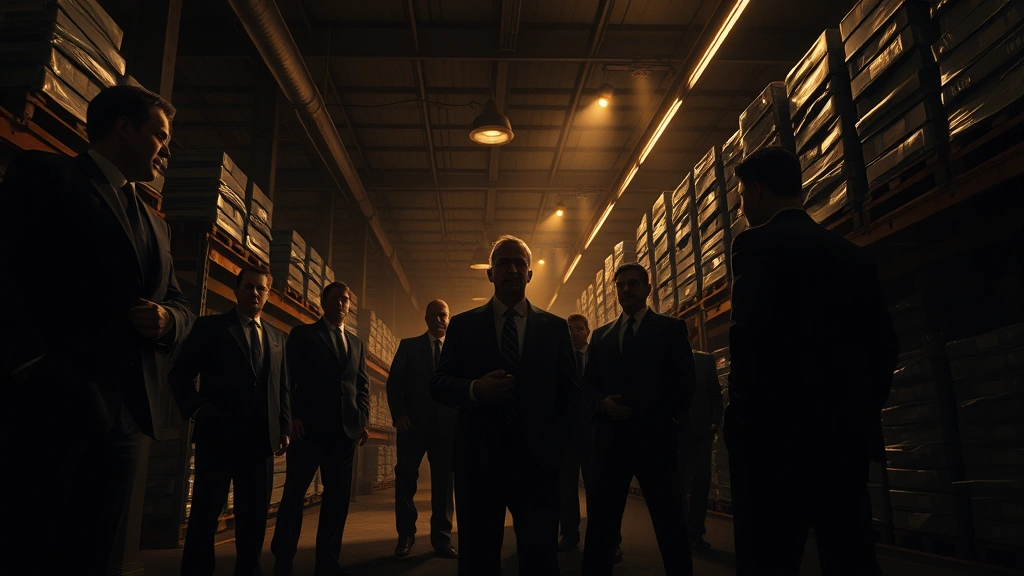
Reservoir Dogs 1992 stands as one of the most audacious and influential debut films in cinema history, a gritty masterpiece that announced Quentin Tarantino’s arrival as a visionary filmmaker. Released in October 1992, this independent crime drama became an instant cult phenomenon, sparking conversations about violence in film, narrative structure, and what it meant to be a “new wave” director in the 1990s.
Table of Contents
- What Makes Reservoir Dogs 1992 So Revolutionary?
- The Cast: A Who’s Who of Character Acting
- The Soundtrack: More Than Just Background Music
- Violence and Controversy: The Elephant in the Room
- Narrative Structure: Breaking the Rules
- The Influence on 1990s Cinema and Beyond
- Character Development Through Dialogue
- Technical Filmmaking: Doing More With Less
- The Ending: Tragedy and Moral Reckoning
- Frequently Asked Questions
- The Legacy: Why Reservoir Dogs 1992 Still Matters
What Makes Reservoir Dogs 1992 So Revolutionary?
When Tarantino unleashed Reservoir Dogs 1992 upon the world, he fundamentally challenged how filmmakers could tell stories. The film doesn’t follow traditional three-act structure—instead, it drops viewers into the aftermath of a jewelry heist gone wrong, forcing audiences to piece together what happened through fragmented dialogue and flashbacks. This non-linear approach was radical for mainstream cinema at the time.
The brilliance lies in Tarantino’s dialogue. Every conversation crackles with tension, dark humor, and genuine character development. Characters debate everything from Madonna songs to tipping etiquette while sitting in a warehouse, bleeding out from bullet wounds. It’s absurd, it’s brilliant, and it’s completely original.
The Cast: A Who’s Who of Character Acting
The ensemble cast of Reservoir Dogs 1992 features actors who were largely unknown or underutilized at the time. Harvey Keitel, Tim Roth, Michael Madsen, Chris Penn, and Steve Buscemi deliver career-defining performances. Each character—identified only by color-coded names like Mr. White, Mr. Orange, and Mr. Blonde—becomes a fully realized person with motivations, fears, and moral complexity.
Steve Buscemi’s monologue about the meaning of “Like a Virgin” remains one of cinema’s most quotable scenes. It’s a scene about absolutely nothing that somehow reveals everything about these characters’ personalities and relationships. That’s the Tarantino effect.
The Soundtrack: More Than Just Background Music
Reservoir Dogs 1992 features an iconic soundtrack that became as famous as the film itself. The opening credits roll over “Stuck in the Middle” by Stealers Wheel, a choice so perfect it seems inevitable in retrospect. The film’s use of 1970s pop and rock tracks—including the famous scene set to Lyrics Black Dog Zeppelin—transforms mundane moments into something darkly comedic and unforgettable.
Tarantino proved that music selection could be as important as cinematography or editing. He didn’t use orchestral scores; he used existing songs to create emotional and thematic resonance. This approach influenced countless filmmakers who followed.
Violence and Controversy: The Elephant in the Room
Let’s address the obvious: Reservoir Dogs 1992 contains graphic violence that shocked audiences and critics alike. The infamous “ear scene” became the film’s most discussed moment, sparking debates about the necessity and ethics of depicting violence on screen.
However, Tarantino’s violence serves a purpose—it’s ugly, it’s consequences-heavy, and it’s never glorified. The film doesn’t make violence look cool; it makes it look terrifying and tragic. The violence emerges from character desperation and moral failure, not from action-hero heroics.
Narrative Structure: Breaking the Rules
One of the most innovative aspects of Reservoir Dogs 1992 is its narrative architecture. The film begins after the heist has already gone catastrophically wrong. We never see the actual heist. Instead, we experience the paranoia, suspicion, and violence that follows.

Tarantino intersperses scenes in the warehouse with flashbacks that reveal each character’s backstory and relationship to the group. This structure keeps audiences perpetually confused about who to trust and what’s actually happening—mirroring the characters’ own disorientation. It’s a narrative technique that influenced filmmakers for decades.
The Influence on 1990s Cinema and Beyond
After Reservoir Dogs 1992 premiered at the Sundance Film Festival, independent cinema exploded with imitators. Suddenly, every indie filmmaker wanted to make a stylish crime drama filled with pop culture references and non-linear storytelling. While most failed to capture what made Tarantino’s film special, the attempt itself proved how influential this debut had become.
The film demonstrated that a low-budget independent production could compete with studio tentpoles in terms of cultural impact. It proved that smart writing, strong performances, and a unique directorial voice could matter more than special effects and big-name stars.
Character Development Through Dialogue
Unlike most crime films, Reservoir Dogs 1992 spends minimal time on plot mechanics. Instead, it luxuriates in character moments. The famous “Tip” scene between Mr. White and Mr. Orange reveals entire philosophies through a simple conversation about restaurant etiquette. This approach—letting character drive narrative rather than the reverse—became a Tarantino trademark.
Each character’s color designation becomes almost irrelevant; what matters is their personality, their moral code, and how they interact with one another. Mr. Blonde’s sociopathic tendencies, Mr. Orange’s desperation, Mr. White’s paternal instincts—these emerge through dialogue rather than exposition.
Technical Filmmaking: Doing More With Less
Shot on a modest budget of approximately $1.5 million, Reservoir Dogs 1992 proves that technical limitations can drive creative solutions. The warehouse setting becomes a claustrophobic pressure cooker. The minimal locations force focus onto performances and dialogue. The camera work is confident and purposeful without being flashy.
Cinematographer Andrzej Sekulski creates a visual palette that feels both naturalistic and stylized. The lighting emphasizes the moral ambiguity of the characters—nobody gets a heroic backlight; everybody exists in the same harsh, unforgiving space.
The Ending: Tragedy and Moral Reckoning
Reservoir Dogs 1992 doesn’t conclude with a satisfying resolution or clever twist. Instead, it ends in tragedy and moral bankruptcy. The final act delivers consequences for every character’s choices, with no redemption arcs or clever escapes. This refusal to provide cathartic closure was shocking to audiences expecting a more conventional crime film.
The ending insists that actions have weight, that betrayal has costs, and that nobody walks away clean. It’s a darkly pessimistic conclusion that respects the audience’s intelligence enough to avoid easy answers.

Frequently Asked Questions
Why is Reservoir Dogs 1992 considered so important to film history?
Reservoir Dogs 1992 revolutionized independent cinema by proving that a low-budget film with smart writing and strong performances could achieve massive cultural impact. It demonstrated new possibilities for narrative structure, character development, and directorial voice in filmmaking.
Is the violence in Reservoir Dogs 1992 gratuitous?
While the film contains graphic violence, it serves narrative and thematic purposes. The violence isn’t glorified or celebrated; it’s presented as tragic and consequential. Tarantino uses it to explore character desperation and moral failure rather than for entertainment value alone.
How did Reservoir Dogs 1992 influence other filmmakers?
The film’s success at Sundance launched independent cinema into mainstream consciousness. Its non-linear narrative structure, dialogue-driven storytelling, and pop culture integration influenced countless films throughout the 1990s and beyond.
What makes the dialogue in Reservoir Dogs 1992 so memorable?
Tarantino writes conversations that reveal character while discussing seemingly mundane topics. Characters discuss music, tipping etiquette, and personal history in ways that build tension and develop relationships. The dialogue feels naturalistic while being carefully constructed.
Can I watch Reservoir Dogs 1992 without being disturbed?
The film contains graphic violence, including the infamous ear scene. If you’re sensitive to violence, you should approach this film with caution. However, the violence serves thematic purposes rather than existing for shock value alone.
The Legacy: Why Reservoir Dogs 1992 Still Matters
Thirty years after its release, Reservoir Dogs 1992 remains essential viewing for anyone interested in cinema. It’s a masterclass in how to tell a story with limited resources, how to write dialogue that crackles with tension, and how to trust your audience’s intelligence.
The film proved that independent filmmakers could compete with studios, that unconventional narratives could captivate audiences, and that violence could be thematically justified rather than gratuitous. It announced Tarantino as a major talent and opened doors for an entire generation of independent filmmakers.
Whether you’re a film student analyzing narrative structure, a screenwriter studying dialogue, or simply someone who loves great cinema, Reservoir Dogs 1992 demands your attention. It’s uncomfortable, brilliant, and completely unforgettable—a true masterpiece of 1990s cinema that refuses to be ignored or forgotten.





