
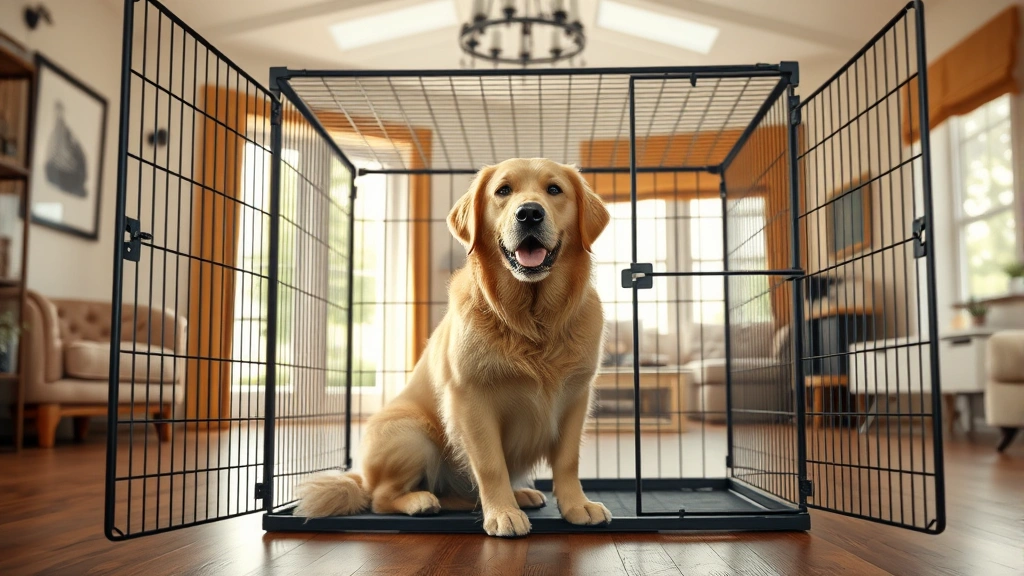
A retriever dog kennel is one of the most important investments you’ll make for your furry best friend, and honestly, it’s way more than just a fancy doggy jail cell. Whether you’ve got a bouncy Labrador, a Golden Retriever with the energy of a toddler on candy, or any other retriever breed, finding the right kennel can mean the difference between a happy pup and a destructive tornado wrapped in fur.
Table of Contents
- Why Your Retriever Needs a Quality Kennel
- The Best Retriever Dog Kennel Options for 2024
- Portable Soft-Sided Kennels for the Traveling Retriever
- Outdoor Run Kennels and Enclosures
- Wire Crate Kennels: The Versatile Classic
- Modular Kennel Systems for the Ultimate Setup
- Indoor Kennel Furniture: Who Says It Has to Look Ugly?
- Essential Features to Look For in a Retriever Kennel
- Training Your Retriever to Love Their Kennel
- Frequently Asked Questions
- Final Thoughts: Choosing the Right Retriever Dog Kennel
Let’s be real—retrievers are big, active dogs that need proper containment, training spaces, and safe havens. They’re not the type to chill in a tiny pen meant for Chihuahuas. In this guide, we’re breaking down the five best retriever dog kennels for 2024 that’ll make both you and your golden goofball happy.
Why Your Retriever Needs a Quality Kennel
Before we dive into the top picks, let’s talk about why a retriever dog kennel matters. These dogs are bred to retrieve, which means they have an unstoppable urge to chase, fetch, and generally wreak havoc if not properly managed. A quality kennel provides:
- Safety: Keeps your retriever from eating your couch (again)
- Training: Essential for crate training and housebreaking
- Security: A den-like space where they feel protected
- Peace of mind: You can leave home without worrying they’ll redecorate your kitchen
Think of it as their personal retreat—not a punishment zone. When introduced properly, retrievers actually love their kennels.
The Best Retriever Dog Kennel Options for 2024
1. Heavy-Duty Welded Metal Kennels (The Tank)
If you want something that could survive a zombie apocalypse, heavy-duty welded metal kennels are your jam. These bad boys are built like Fort Knox and can handle even the most determined escape artist. They’re typically made from reinforced steel, feature secure locking mechanisms, and come in sizes perfect for large retriever breeds.
Pros: Incredibly durable, easy to clean, excellent ventilation, and they’ll last longer than most relationships.
Cons: Heavy (seriously, get a friend to help), takes up space, and they look industrial rather than Instagram-worthy.
Portable Soft-Sided Kennels for the Traveling Retriever
Got a retriever who loves road trips? A portable soft-sided kennel is like a cozy tent for your pup. These collapsible kennels are made from durable mesh fabric and lightweight frames, making them perfect for travel, camping, or visits to Grandma’s house. They’re significantly easier to transport than their metal cousins and fold up nicely in your trunk.
When paired with proper large dog harness options, you’ve got a complete travel setup. The mesh allows your retriever to see their surroundings, which reduces anxiety during travel.
Pros: Lightweight, portable, affordable, great for travel.
Cons: Not suitable for unsupervised outdoor use, less durable than metal options, and determined retrievers can puncture the mesh.
Outdoor Run Kennels and Enclosures
If you’re blessed with a backyard and a retriever that needs to burn energy, an outdoor run kennel is a game-changer. These are typically larger enclosures that give your dog room to move around while keeping them safely contained. They’re perfect for creating a secure outdoor space where your retriever can enjoy fresh air and sunshine without the risk of them bolting after a squirrel three counties over.
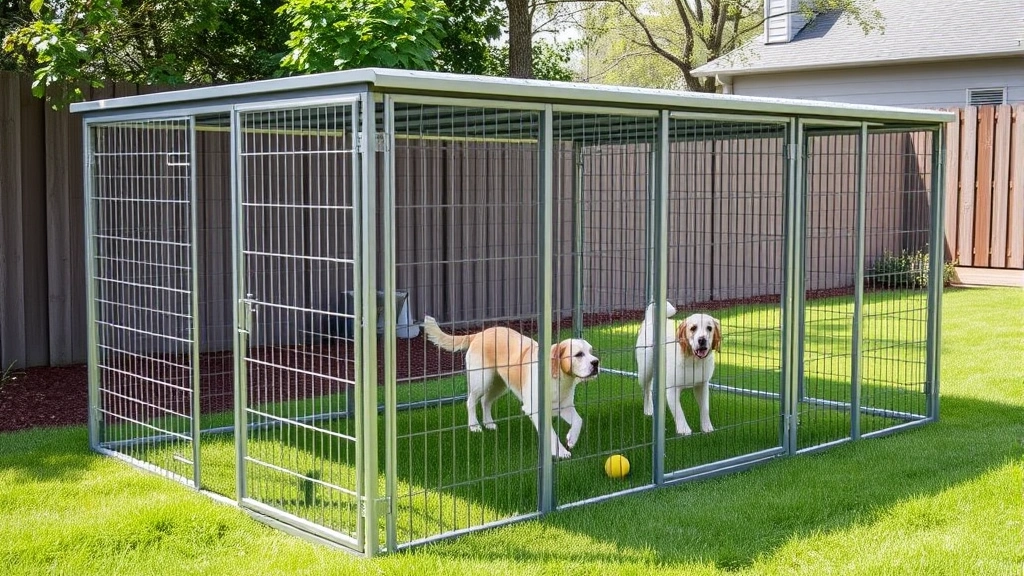
Many outdoor kennels feature:
- Roof panels for shade and rain protection
- Dig-proof floors to prevent escape attempts
- Attached dog houses for shelter
- Multiple compartments for exercise variety
These are particularly useful if you have multiple retrievers or are considering adding a Labrador German Shepherd mix to your pack.
Wire Crate Kennels: The Versatile Classic
Don’t sleep on the humble wire crate kennel. These collapsible wire structures are the Swiss Army knife of dog containment. They’re affordable, versatile, and come in sizes that can accommodate even the largest retrievers. Wire crates allow visibility and airflow, making them ideal for indoor use.
Pro tip: Pair your wire crate with a quality dog bed like a Kuranda dog bed to make it more comfortable and cozy. Your retriever will actually want to hang out in there instead of treating it like solitary confinement.
Pros: Affordable, portable, collapsible, easy to clean, great visibility.
Cons: Less sturdy than welded metal, can be noisy, and some retrievers learn to escape them.
Modular Kennel Systems for the Ultimate Setup
Want to get fancy? Modular kennel systems let you customize your retriever dog kennel setup. These systems feature interlocking panels that you can arrange to create different configurations based on your needs. Need a large play area one day and a smaller sleeping space the next? Just reconfigure the panels.
These are particularly useful if you’re training multiple dogs or have a Lab and Husky mix that needs extra space and enrichment.
Indoor Kennel Furniture: Who Says It Has to Look Ugly?
Modern problems require modern solutions. Indoor kennel furniture disguises your retriever dog kennel as actual furniture. These wooden or wicker structures look like decorative pieces but function as full kennels. They’re perfect if you want to keep your aesthetic on point while still having a secure space for your pup.
Your living room doesn’t have to look like a dog training facility. These furniture-style kennels blend seamlessly into your home decor while serving a practical purpose.
Essential Features to Look For in a Retriever Kennel
Not all kennels are created equal. When shopping for your retriever dog kennel, prioritize these features:

- Size: Your retriever should be able to stand, turn around, and lie down comfortably. Measure your dog before purchasing.
- Durability: Retrievers are strong and determined. Choose heavy-gauge materials.
- Ventilation: Proper airflow is crucial, especially for active retrievers that generate body heat.
- Easy cleaning: Dogs are messy. Look for removable trays and washable surfaces.
- Safety: Check for sharp edges, secure locks, and non-toxic materials.
- Comfort: Consider adding bedding or padding, especially for older retrievers.
Training Your Retriever to Love Their Kennel
Here’s the secret sauce: a kennel is only as good as your retriever’s relationship with it. Start slow. Leave the door open and let them explore. Toss treats inside. Make it a positive space, not a punishment zone. Never force your dog into the kennel or use it as a time-out spot.
With patience and positive reinforcement, your retriever will eventually see their kennel as a safe haven—their personal doggy fortress where they can chill out and feel secure.
Combine proper kennel training with quality lamb dog food and regular exercise, and you’ve got a well-adjusted, happy retriever.
Frequently Asked Questions
What size kennel do I need for a Labrador Retriever?
Most adult Labrador Retrievers need a kennel that’s at least 42-48 inches long, 28 inches wide, and 32 inches tall. Your Lab should be able to stand, turn around, and lie down comfortably. If you’re unsure, measure your dog and add a few inches for comfort.
Can I leave my retriever in a kennel all day?
Not recommended. While kennels are great for training and safe containment, retrievers are social, active dogs that need exercise and interaction. The general rule is one hour per month of age, plus one (so a 6-month-old puppy can handle about 7 hours max). Adult dogs shouldn’t be kenneled for more than 8-10 hours without a break.
Is a wire crate or plastic kennel better for retrievers?
Wire crates are generally better for retrievers because they offer better ventilation and visibility. Plastic kennels can feel claustrophobic and trap heat. However, some retrievers prefer the den-like feel of plastic. Consider your individual dog’s temperament and your living situation.
How do I prevent my retriever from escaping their kennel?
Choose a sturdy, appropriately-sized kennel with secure locks. Avoid leaving your retriever in an unsupervised kennel for extended periods. Make sure the kennel is properly anchored to prevent tipping. If your retriever is an escape artist, you may need a heavy-duty welded metal option rather than a wire crate.
Should I put a bed in my retriever’s kennel?
Absolutely. A comfortable bed makes the kennel more appealing and provides cushioning for joints, especially important for older retrievers. Washable, removable beds work best since retrievers can be messy. Orthopedic beds are excellent for large breeds.
Final Thoughts: Choosing the Right Retriever Dog Kennel
Finding the perfect retriever dog kennel comes down to your specific situation. Consider your living space, your dog’s age and temperament, and how you plan to use the kennel. Whether you opt for a heavy-duty outdoor enclosure, a portable travel crate, or a stylish indoor furniture piece, the best kennel is one that keeps your retriever safe while maintaining your sanity.
Remember, a kennel isn’t a punishment—it’s a tool for safety, training, and giving your retriever their own personal space. Introduce it positively, maintain it properly, and your retriever will thank you by not eating your furniture.
Now go forth and find the perfect retriever dog kennel for your furry friend. Your couch will thank you.





