
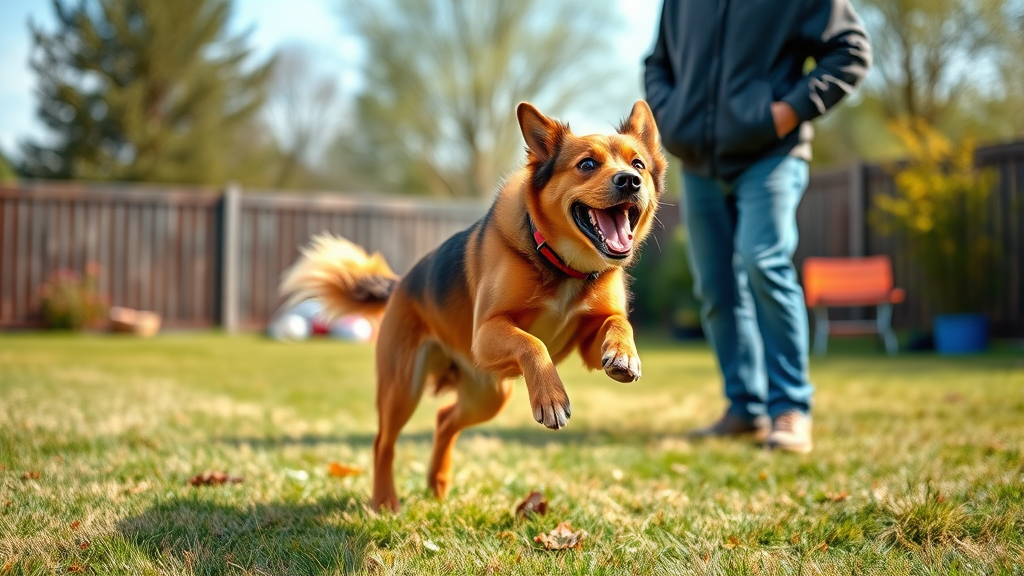
Many dog owners wonder if their furry companions can experience attention-related challenges similar to those seen in humans with ADHD. While dogs don’t technically develop Attention Deficit Hyperactivity Disorder in the same way humans do, they can exhibit behaviors that mirror ADHD symptoms, including hyperactivity, impulsiveness, and difficulty focusing. Understanding these behaviors and learning how to help your dog develop better focus can significantly improve both your pet’s quality of life and your relationship together.
Canine attention and focus issues are more common than many pet owners realize, affecting dogs of all breeds and ages. These challenges can manifest as excessive energy, inability to settle down, difficulty following commands, or seeming to ignore training efforts entirely. The good news is that with proper understanding, patience, and the right training techniques, most dogs can learn to improve their focus and develop better self-control skills.
Understanding Canine Attention Challenges
While dogs cannot be clinically diagnosed with ADHD as humans can, they can experience what veterinarians and animal behaviorists term “hyperkinesis” or attention deficit-like behaviors. These conditions share similarities with human ADHD, including hyperactivity, impulsiveness, and difficulty maintaining focus on tasks or commands. Research from the American Veterinary Medical Association indicates that these behaviors often stem from a combination of genetic predisposition, environmental factors, and inadequate mental stimulation.
The canine brain processes information differently than humans, and what appears as attention deficit behavior may actually be normal dog behavior that hasn’t been properly channeled. Dogs are naturally curious, energetic creatures with shorter attention spans than humans. However, when these traits become excessive or interfere with daily life and training, they may indicate an underlying issue that requires attention and management.
Unlike human ADHD, which is typically diagnosed through psychological evaluation, canine attention issues are assessed through behavioral observation and ruling out medical causes. Veterinary behaviorists look for patterns of hyperactivity, impulsiveness, and attention difficulties that persist across different environments and situations. Understanding that these behaviors often have underlying causes can help owners approach the situation with empathy and develop effective management strategies.

Signs and Symptoms of Focus Issues in Dogs
Recognizing the signs of attention and focus issues in dogs is crucial for early intervention and successful management. Common symptoms include excessive restlessness, inability to settle down even after exercise, difficulty following basic commands, and seeming to “tune out” during training sessions. Dogs with focus issues may also exhibit destructive behaviors when left alone, excessive barking or whining, and difficulty walking calmly on a leash.
Physical symptoms can include constant panting without exertion, repetitive behaviors like tail chasing or pacing, and trembling or shaking when excited or anxious. These dogs often struggle with impulse control, jumping on people, stealing food, or bolting through doors without permission. Sleep disturbances are another indicator, as dogs with attention issues may have trouble settling down for rest periods or experience disrupted sleep patterns.
Behavioral signs extend to social interactions as well. Dogs with focus challenges may have difficulty reading social cues from other dogs or humans, leading to inappropriate play behavior or overstimulation in social settings. They might also show inconsistent response to their name being called or appear to selectively hear commands. It’s important to note that some of these behaviors can overlap with other conditions, such as autism-like behaviors in dogs, making professional evaluation valuable for accurate assessment.
Causes and Contributing Factors
Several factors can contribute to attention and focus issues in dogs, ranging from genetic predisposition to environmental influences. Certain breeds are more prone to hyperactive behaviors due to their breeding history and genetic makeup. High-energy working breeds like Border Collies, Jack Russell Terriers, and Belgian Malinois were bred for intense focus and activity, and without proper outlets, these traits can manifest as attention problems.
Environmental factors play a significant role in developing focus issues. Lack of mental stimulation, inadequate physical exercise, and inconsistent training can all contribute to attention difficulties. Dogs that don’t receive enough mental challenges may develop hyperactive or destructive behaviors as outlets for their unused mental energy. The ASPCA emphasizes that many behavioral problems stem from unmet physical and mental needs.
Medical conditions can also impact a dog’s ability to focus and remain calm. Thyroid disorders, neurological issues, and even chronic pain can manifest as attention-related behaviors. Additionally, early life experiences, including inadequate socialization or traumatic events, can contribute to anxiety-driven hyperactivity and focus problems. Some dogs may also be naturally more sensitive to environmental stimuli, making it harder for them to filter out distractions and maintain attention on specific tasks.
Training Techniques to Improve Focus
Developing your dog’s focus requires patience, consistency, and the right training approach. Start with short, frequent training sessions rather than long, intensive ones. Dogs with attention issues respond better to 5-10 minute sessions repeated throughout the day. Begin with basic focus exercises like the “watch me” command, where you reward your dog for making eye contact and maintaining attention for gradually increasing periods.
Positive reinforcement training is particularly effective for dogs with focus challenges. Use high-value treats, praise, and play as rewards for calm, focused behavior. The key is to catch your dog in moments of natural calmness and reward them immediately, helping them understand that settled behavior brings positive outcomes. Clicker training can be especially useful as it provides clear, consistent communication about desired behaviors.
Mental enrichment activities are crucial for channeling your dog’s energy productively. Puzzle toys, interactive toys, and scent work can help tire out an overactive mind while building focus skills. Teaching your dog to work for their food through puzzle feeders or training exercises can significantly improve their ability to concentrate and solve problems. The American Kennel Club recommends incorporating mental challenges into daily routines to help dogs develop better focus and self-control.

Environmental Management and Lifestyle Changes
Creating an environment that supports focus and calmness is essential for managing attention issues in dogs. Establish consistent daily routines that include adequate physical exercise, mental stimulation, and rest periods. Dogs thrive on predictability, and a structured schedule can help reduce anxiety and hyperactive behaviors that interfere with focus.
Minimize environmental distractions during training and rest periods. This might mean training in a quiet room away from household activity, using white noise to mask sudden sounds, or creating a designated calm space where your dog can retreat when overstimulated. Consider the impact of your home environment on your dog’s stress levels and make adjustments to promote relaxation.
Diet and nutrition can also impact your dog’s ability to focus and maintain calm behavior. Some dogs may be sensitive to certain ingredients or additives in their food that can contribute to hyperactivity. Consult with your veterinarian about whether dietary changes might benefit your dog’s focus and behavior. Regular exercise schedules are crucial, but be mindful that over-exercising can sometimes increase arousal rather than promote calmness.
When to Seek Professional Help
While many focus issues can be managed through training and environmental changes, some situations require professional intervention. If your dog’s hyperactivity or attention problems are severe, persistent, or interfering with their quality of life, consult with a veterinary behaviorist or certified dog trainer specializing in behavioral issues. These professionals can help determine whether underlying medical conditions are contributing to the problems.
Warning signs that indicate the need for professional help include aggressive behaviors, self-harm through excessive licking or chewing, inability to settle down even after extensive exercise, or behaviors that worsen despite consistent training efforts. Some dogs may benefit from anti-anxiety medications or other pharmaceutical interventions when behavioral modification alone isn’t sufficient.
It’s also important to rule out medical causes for attention-related behaviors. Conditions like seizure disorders can sometimes present as attention problems, making veterinary evaluation crucial. If you notice behaviors that might indicate seizure activity or other neurological issues, seek immediate veterinary attention. The National Institutes of Health has conducted research on canine models for understanding human ADHD, highlighting the legitimate nature of attention-related issues in dogs.
Breed-Specific Considerations
Different dog breeds have varying predispositions to attention and focus challenges based on their original breeding purposes and genetic traits. Herding breeds like Border Collies and Australian Shepherds have intense focus abilities but may develop obsessive behaviors without proper outlets. Terrier breeds were bred for high energy and persistence, which can manifest as difficulty settling down or excessive arousal in domestic settings.
Sporting breeds such as Labrador Retrievers and Golden Retrievers generally have good focus abilities but may struggle with impulse control, especially around exciting stimuli like food or play. Toy breeds can be prone to anxiety-driven hyperactivity and may require gentle, patient training approaches. Understanding your dog’s breed characteristics can help you develop appropriate exercise, training, and management strategies.
Some breeds are naturally more prone to requiring more rest and may actually benefit from enforced quiet times to prevent overstimulation. Working breeds often need job-like activities to channel their drive and focus, while companion breeds may be more responsive to relationship-based training approaches. Research from veterinary behavior studies shows that breed-specific approaches to training and management can be more effective than one-size-fits-all methods.
Frequently Asked Questions
Can dogs actually have ADHD like humans do?
Dogs cannot be diagnosed with ADHD in the clinical sense that humans can, but they can exhibit similar behaviors including hyperactivity, impulsiveness, and attention difficulties. Veterinarians may diagnose hyperkinesis, which shares characteristics with human ADHD. The underlying neurological processes may be similar, but the diagnosis and treatment approaches differ between species.
What breeds are most likely to have attention and focus issues?
High-energy working breeds like Border Collies, Jack Russell Terriers, Belgian Malinois, and Australian Shepherds are more prone to attention-related behaviors. Herding and terrier breeds, in particular, were bred for intense focus and high activity levels, which can manifest as attention problems in domestic settings without proper outlets.
How can I tell if my dog’s hyperactivity is normal or a problem?
Normal puppy and young dog energy typically decreases with age and responds well to exercise and training. Problematic hyperactivity persists despite adequate exercise, interferes with training and daily life, and may include destructive behaviors, inability to settle, or excessive arousal that doesn’t diminish with maturity.
Are there medications available for dogs with severe attention issues?
Yes, veterinarians may prescribe anti-anxiety medications or other pharmaceuticals for dogs with severe attention and hyperactivity issues. However, medication is typically used in conjunction with behavioral modification training rather than as a standalone solution. Always consult with a veterinarian before considering pharmaceutical interventions.
How long does it take to see improvement in a dog’s focus with training?
Most dogs show some improvement within 2-4 weeks of consistent training, but significant changes may take 2-3 months or longer. The timeline depends on the dog’s age, severity of issues, consistency of training, and individual temperament. Patience and persistence are key to success.
Can diet affect my dog’s ability to focus and remain calm?
Yes, diet can impact behavior and focus. Some dogs may be sensitive to certain food ingredients, additives, or preservatives that can contribute to hyperactivity. High-quality, consistent nutrition supports overall brain health and stable energy levels, which can improve focus and calmness.
Is it possible for dogs to develop attention issues later in life?
While attention issues often manifest in puppyhood or young adulthood, dogs can develop focus problems later in life due to medical conditions, cognitive decline, environmental changes, or traumatic experiences. Sudden behavioral changes in adult dogs should always be evaluated by a veterinarian to rule out underlying health issues.





