
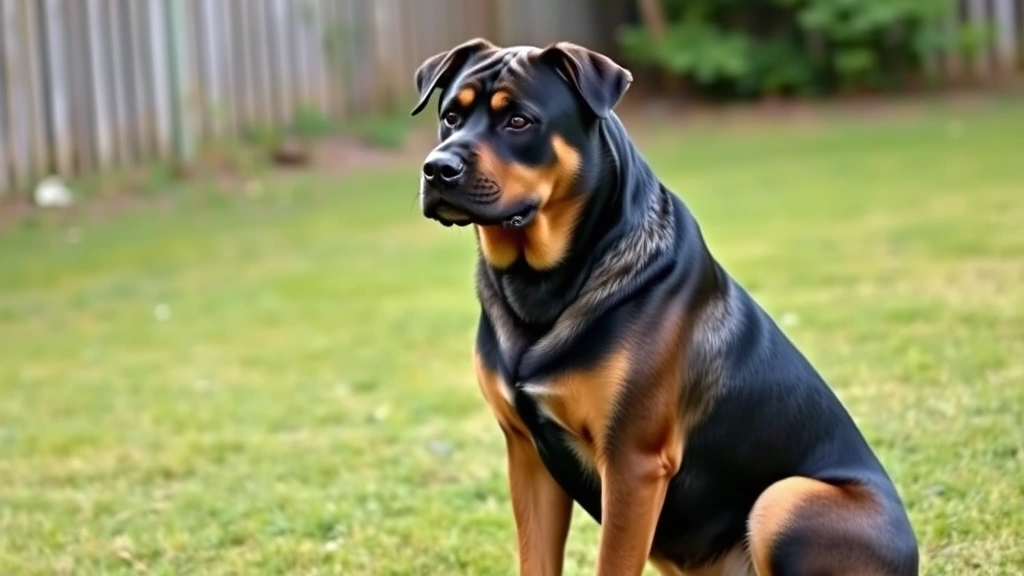
A rottweiler and german shepherd mix dog is basically nature’s way of saying, “Let’s combine two of the most intimidating-looking breeds and see what happens.” Spoiler alert: you get an absolutely magnificent, loyal, and hilariously food-motivated companion that will make your neighbors think twice before approaching your fence.
Table of Contents
- What Exactly Is a Rottweiler German Shepherd Mix?
- Temperament and Personality Traits of This Hybrid Breed
- Training Requirements for Rottweiler Shepherd Mixes
- Exercise and Activity Needs
- Health Considerations for This Large Breed Mix
- Nutrition and Feeding Guidelines
- Grooming and Coat Care
- Living Space and Environmental Needs
- Socialization and Interaction With Other Pets
- Common Behavioral Challenges
- Finding and Choosing a Responsible Breeder
- Cost Considerations
- Lifespan and Senior Care
- Frequently Asked Questions
- Final Thoughts: Is a Rottweiler German Shepherd Mix Right for You?
If you’re considering bringing one of these majestic mutts into your home, buckle up. This guide covers everything you need to know about owning this powerful hybrid, from training tips to health concerns to why your furniture might not survive the first year.
What Exactly Is a Rottweiler German Shepherd Mix?
Let’s start with the basics. A rottweiler and german shepherd mix dog combines the stocky, muscular build of a Rottweiler with the lean athleticism and intelligence of a German Shepherd. You’re looking at a large breed dog that typically weighs between 80-135 pounds and stands 22-28 inches tall at the shoulder.
This hybrid isn’t some designer breed concocted in a boutique kennel. Most often, these dogs are accidental crosses or intentional breeding by people who wanted to create the ultimate protection dog. The result? A canine that’s equal parts gentle giant and serious guardian.
These dogs inherit the best (and sometimes the most challenging) traits from both parents. German Shepherds are known for their intelligence, trainability, and work ethic. Rottweilers bring loyalty, confidence, and a surprisingly gentle temperament when properly socialized. Mix them together, and you get a dog that’s smart enough to be a service animal but stubborn enough to ignore you when it’s naptime.
Temperament and Personality Traits of This Hybrid Breed
Here’s where things get interesting. Despite their intimidating appearance, rottweiler german shepherd mix dogs are often big softies with their families. They’re fiercely loyal, which means they’ll follow you from room to room like you’re about to disappear forever.
These dogs are naturally protective without being aggressive—a crucial distinction. They’ll assess situations carefully before reacting, thanks to their German Shepherd heritage. However, they need early socialization with people, other dogs, and various environments. Without it, their protective instincts can become problematic.
Expect a dog that’s confident, intelligent, and occasionally stubborn. They’re not for first-time dog owners who want a pushover. These hybrids need someone who understands pack dynamics and can establish themselves as a calm, assertive leader. They also have a goofy side that catches most owners off guard—they’ll steal your socks, play with toys like they’re fighting for their lives, and attempt to sit on your lap despite weighing more than a small human.
Training Requirements for Rottweiler Shepherd Mixes
Training a rottweiler and german shepherd mix dog requires consistency, patience, and a sense of humor. These dogs are intelligent enough to learn commands quickly but stubborn enough to question why they should obey.
Start training early, ideally when they’re puppies. Positive reinforcement works best—these dogs respond well to treats, praise, and play. Harsh corrections can backfire, making them either shut down or become defensive. Use high-value treats (like the salmon mentioned in our guide on whether salmon is good for dogs) to keep training sessions engaging.
Socialization is non-negotiable. Expose your puppy to different people, animals, and environments regularly. This prevents fear-based aggression and helps them develop into well-rounded adults. Enroll in a professional obedience class, especially if you’re new to large breed dogs.
These hybrids excel at advanced training. Many become service dogs, therapy dogs, or competition obedience champions. They genuinely enjoy having a job to do, so consider puzzle toys, scent work, or agility training to keep their minds sharp.
Exercise and Activity Needs
A rottweiler and german shepherd mix dog isn’t a couch potato—though they’ll certainly try to become one if you let them. These hybrids need 60-90 minutes of exercise daily to stay physically and mentally healthy.
This means daily walks, playtime, and mental stimulation. A bored Shepherd-Rottweiler mix becomes a destructive one. They’ll redecorated your home by shredding furniture, digging holes in the yard, and eating your favorite shoes. Not because they’re bad dogs, but because they need an outlet for their energy.
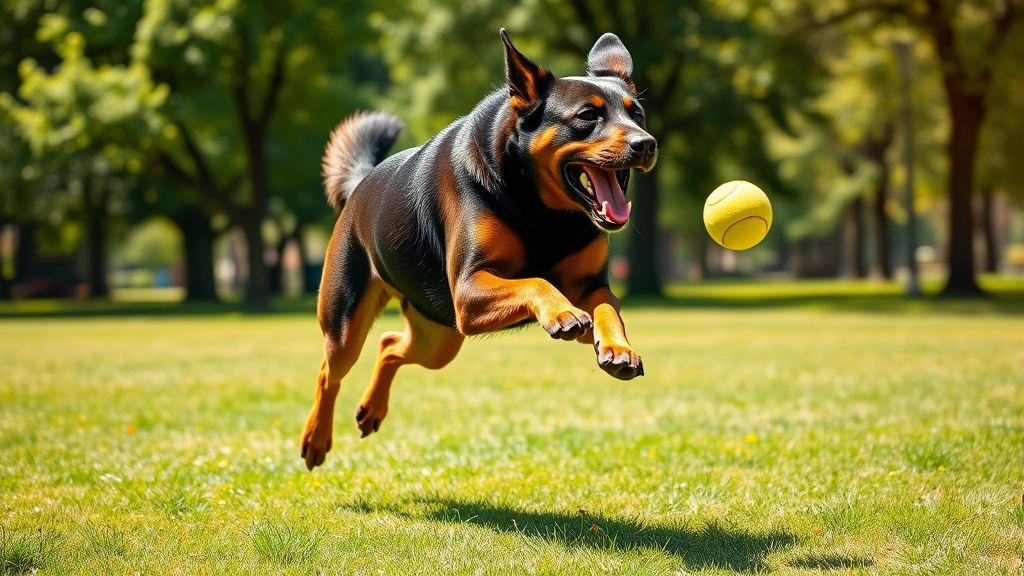
Mix up their exercise routine. Long walks, fetch sessions, swimming, hiking, and training games all count. These dogs particularly enjoy activities that engage their problem-solving skills. They’re natural athletes who appreciate a good challenge.
Health Considerations for This Large Breed Mix
Large breed dogs come with large breed health concerns. A rottweiler and german shepherd mix dog is susceptible to several conditions you should know about.
Hip and Elbow Dysplasia: Both parent breeds are prone to these joint problems. Ask breeders for health certifications (OFA or PennHIP scores) before getting a puppy. Maintain healthy weight and avoid excessive jumping during growth phases.
Bloat (Gastric Dilatation-Volvulus): This life-threatening condition occurs when the stomach fills with gas and twists. Large, deep-chested dogs are at higher risk. Feed smaller meals, avoid exercise right after eating, and know the signs: restlessness, unproductive vomiting, and abdominal distension.
Skin Issues: German Shepherds are notorious for skin problems, and your mix might inherit this tendency. Check out our detailed article on mange on dogs to understand potential dermatological issues.
Obesity: These dogs love food (seriously, they think every meal is their last), and excess weight exacerbates joint problems. Monitor portions carefully and resist those puppy-dog eyes.
Heart Conditions: Dilated cardiomyopathy can affect large breeds. Regular veterinary checkups and possibly cardiac screening are important, especially as they age.
Visit your veterinarian annually, keep vaccinations current, and don’t skip dental care. These preventive measures catch problems early.
Nutrition and Feeding Guidelines
Feeding a rottweiler and german shepherd mix dog properly sets the foundation for lifelong health. These large dogs need high-quality protein to maintain muscle mass.
Choose a dog food formulated for large breeds, which typically has controlled calcium and phosphorus levels to support proper bone development. Look for foods with named meat sources as the first ingredient.
Most adult Shepherd-Rottweiler mixes do well on 3-4 cups of food daily, split into two meals. Puppies need more frequent feeding—three to four times daily until six months old, then gradually transition to twice daily.
Avoid feeding right before or after intense exercise to reduce bloat risk. Some owners swear by fresh pet food options, which can be excellent if they’re nutritionally balanced and meet AAFCO standards.
Supplements like glucosamine and omega-3 fatty acids support joint and skin health. Discuss supplementation with your vet before starting.
Grooming and Coat Care
Prepare yourself: a rottweiler and german shepherd mix dog sheds. A lot. Like, you’ll find fur in places you didn’t know existed. Both parent breeds are heavy shedders, so expect year-round fur production with seasonal coat blows.
Brush your dog several times weekly, daily during shedding season. Invest in a quality de-shedding tool—it’s not optional, it’s survival equipment. Regular brushing reduces loose fur around your home and keeps their coat healthy.
Bathe them monthly or as needed using a gentle dog shampoo. Their skin can be sensitive, so avoid human products. Trim nails every 3-4 weeks, clean ears weekly, and brush teeth daily if possible (or at least several times weekly).
These dogs don’t need fancy haircuts—their double coat regulates body temperature naturally. Never shave them unless medically necessary, as this damages their coat and impairs temperature regulation.
Living Space and Environmental Needs
A rottweiler and german shepherd mix dog needs adequate space. While they can adapt to apartment living with sufficient exercise, a house with a fenced yard is ideal.
If you have a yard, ensure it’s securely fenced. These powerful dogs can escape from weak fencing, and their protective nature means they might approach strangers who walk by. A 6-foot fence minimum is recommended.
These dogs handle cold weather well thanks to their thick coats, but heat is problematic. Keep them in air-conditioned spaces during hot months, provide plenty of water, and never leave them in hot cars. Heat exhaustion can quickly become fatal for large breeds.
They’re not outdoor dogs—they’re family dogs who happen to be large. They want to be where you are, even if that’s just watching you make breakfast.
Socialization and Interaction With Other Pets
Early socialization determines whether your rottweiler and german shepherd mix dog becomes a social butterfly or a suspicious loner. Introduce them to various people, including children, elderly folks, and people of different appearances, during their critical socialization window (8-16 weeks).
With other dogs, introduce them carefully and supervise interactions. These hybrids can have prey drive inherited from their Shepherd parent, so small animals might trigger chase instincts. Cats can coexist peacefully if introduced young, but it requires careful management.
Children should be taught to respect the dog’s space and body language. These dogs are generally patient with kids but can accidentally knock over small children due to their size. Supervise all interactions between dogs and young children.
Common Behavioral Challenges
Understanding potential behavioral issues helps you address them proactively. Rottweiler and german shepherd mix dogs sometimes exhibit:
Protective Aggression: Without proper socialization, their natural guarding instincts can become problematic. They might be overly reactive to strangers or other dogs. Professional training can help redirect these instincts appropriately.
Separation Anxiety: These dogs bond intensely with their families and can develop anxiety when left alone. Crate training, gradual desensitization, and enrichment activities help manage this.
Jumping and Mouthing: Puppies are enthusiastic greeters. Redirect this energy to appropriate outlets like toys and teach “sit” as a greeting alternative.
Consider consulting a professional dog behaviorist if you encounter serious issues. Many problems are manageable with proper guidance.
Finding and Choosing a Responsible Breeder
If you’re looking for a puppy rottweiler and german shepherd mix dog, find a responsible breeder. This means:
Health Testing: Reputable breeders provide OFA or PennHIP certifications for hips and elbows, eye exams, and cardiac screening. Ask for proof.
Temperament Focus: They breed for stable temperament, not just appearance. They can discuss their breeding philosophy and the traits they’re selecting for.
Contract and Support: Good breeders provide contracts, health guarantees, and ongoing support. They want to hear from you throughout your dog’s life.
Socialization: Puppies from responsible breeders are typically well-socialized from birth, handled frequently, and exposed to various stimuli.
Alternatively, consider adopting from a rescue. Many mixed breeds end up in shelters through no fault of their own, and adoption saves a life while supporting rescue efforts.
Cost Considerations
Owning a rottweiler and german shepherd mix dog is a financial commitment beyond the initial purchase price. Budget for:
Food: $60-120 monthly for quality large-breed food
Veterinary Care: $500-1500 annually for routine care, more if health issues arise
Training: $150-300 for group classes, $1000+ for professional training
Supplies: Quality toys, bedding, grooming tools, and other supplies add up quickly
Emergency Fund: Set aside $2000-5000 for unexpected veterinary emergencies
These aren’t budget dogs, but the investment in their care pays dividends in years of companionship.
Lifespan and Senior Care
A healthy rottweiler and german shepherd mix dog typically lives 10-13 years. As they age, they need adjusted care.
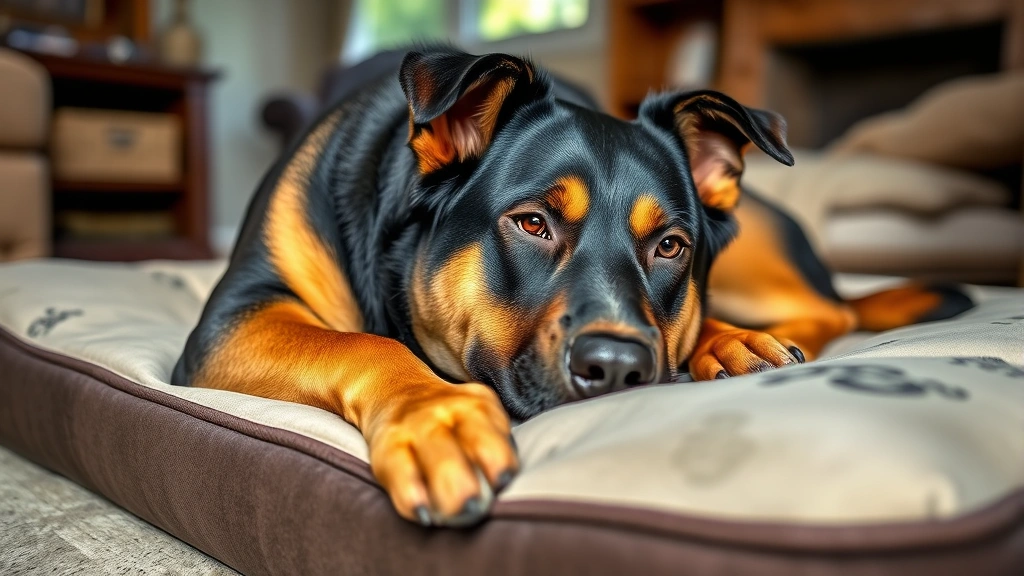
Senior dogs benefit from orthopedic bedding to ease joint pain, shorter walks with more frequent breaks, and dietary adjustments to support aging joints. They might develop cognitive decline similar to canine dementia, which requires patience and routine.
Regular veterinary checkups become even more important. Bloodwork can catch age-related issues early, and pain management helps maintain quality of life.
Most importantly, cherish your senior dog’s presence. They’ve given you years of loyalty and love—reciprocate by making their golden years comfortable and filled with gentle affection.
Frequently Asked Questions
Are rottweiler and german shepherd mix dogs aggressive?
Not inherently. With proper socialization and training, they’re loyal and protective without being aggressive. Their protective instincts are natural, but aggression is typically a result of poor socialization, abuse, or irresponsible ownership. Responsible breeding and training produce stable, well-adjusted dogs.
How much do rottweiler and german shepherd mix dogs cost?
Puppies from reputable breeders typically cost $500-2000. Adoption fees from rescues are usually $50-300. Remember that initial cost is just the beginning—ongoing expenses for food, veterinary care, and training add up significantly over the dog’s lifetime.
Do they get along with other dogs?
They can, especially with early socialization. Individual temperament varies, and some may have higher prey drive or dominance tendencies. Introductions should be careful and supervised. Neutering or spaying typically reduces aggression toward other dogs.
Can they live in apartments?
Technically yes, but they’re not ideal apartment dogs. They need significant daily exercise and mental stimulation. A house with a yard is better suited to their needs, though dedicated owners can make apartment living work with rigorous exercise routines.
What health issues should I watch for?
Hip and elbow dysplasia, bloat, skin conditions, obesity, and heart problems are the main concerns. Regular veterinary checkups, maintaining healthy weight, and choosing dogs from health-tested parents significantly reduce risk. Also be aware of conditions like lipoma in dogs, which can develop in middle-aged and senior large breeds.
How much exercise do they need daily?
Aim for 60-90 minutes daily. This should include both physical exercise and mental stimulation. Puppies need less intense exercise to protect growing joints, while adults need vigorous activity to stay healthy and prevent behavioral problems.
Are they good family dogs?
Yes, with proper training and socialization. They’re loyal and generally patient with children, though their size means supervision with small kids is essential. They thrive in families that understand their needs and can provide consistent leadership, exercise, and socialization.
Final Thoughts: Is a Rottweiler German Shepherd Mix Right for You?
A rottweiler and german shepherd mix dog is an incredible companion for the right owner. They’re intelligent, loyal, protective, and surprisingly goofy. But they’re not for everyone.
Ask yourself honestly: Can you commit to 60-90 minutes of daily exercise? Are you prepared for extensive training and socialization? Do you have the time, patience, and resources for a large breed dog? Can you handle a dog that sheds enough fur to knit a second dog?
If you answered yes to these questions, you might be ready for one of these magnificent hybrids. They’ll reward your dedication with unwavering loyalty, hilarious antics, and a bond that lasts their lifetime.
Whether you choose to adopt from a rescue or work with a responsible breeder, ensure you’re making an informed decision. These dogs deserve homes where they’re understood, trained properly, and loved unconditionally. In return, they’ll give you years of companionship that’ll make you wonder how you ever lived without them.





