
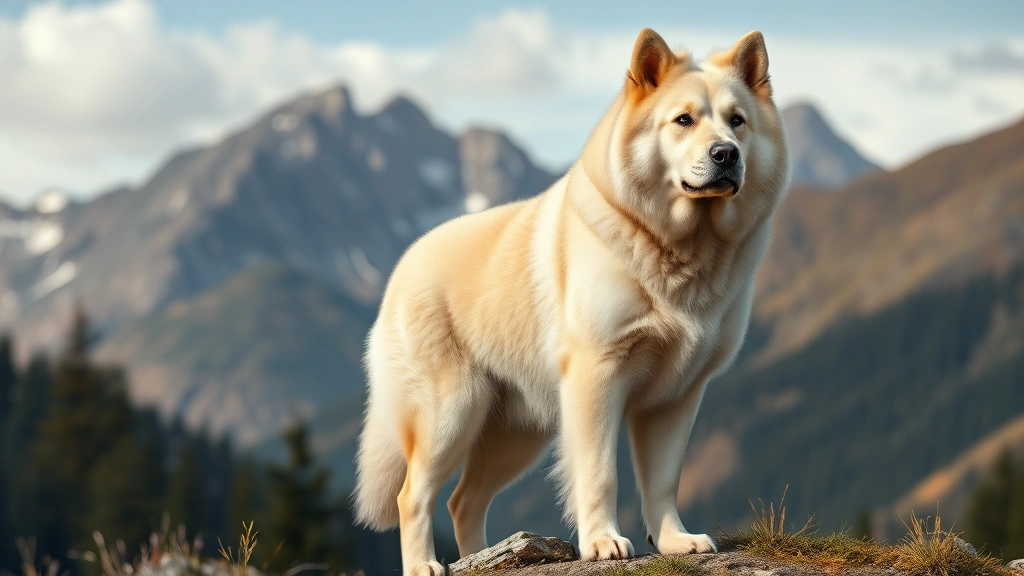
The sarplaninac dog is one of the most impressive and underrated guardian breeds you’ll ever encounter. If you’re considering bringing one of these magnificent creatures into your life, buckle up—because you’re about to learn about a dog that’s basically a furry mountain with a heart of gold and the protective instincts of a medieval knight.
Table of Contents
- What Exactly Is a Sarplaninac Dog?
- The Physical Appearance of Sarplaninac Dogs
- Temperament: Guardian Instincts Run Deep
- Training and Socialization Requirements
- Exercise and Activity Needs
- Grooming and Coat Care
- Health Considerations for Sarplaninac Dogs
- Living Arrangements and Space Requirements
- Comparing Sarplaninac Dogs to Other Guardian Breeds
- Cost and Availability
- Is a Sarplaninac Dog Right for You?
- Frequently Asked Questions
- Conclusion
What Exactly Is a Sarplaninac Dog?
A sarplaninac dog hails from the Šar Mountains spanning Macedonia, Kosovo, and Serbia. These aren’t your typical lap dogs; they’re ancient livestock guardians bred over centuries to protect flocks from wolves, bears, and other predators in some seriously rugged terrain. We’re talking about a breed that’s been doing its job since before most modern dog breeds even existed. The sarplaninac is massive, powerful, and built like they bench press boulders for fun.
These AKC-recognized dogs typically weigh between 66 to 100 pounds and stand 22 to 28 inches tall. But honestly, they look bigger than their stats suggest—probably because they’re just that imposing and confident.
The Physical Appearance of Sarplaninac Dogs
Let’s talk looks. Sarplaninac dogs sport a thick, long-haired coat that’s usually cream, fawn, or white in color. Their double coat isn’t just for show; it’s built to handle harsh mountain weather and protect them from predators’ teeth. Yes, really.
These dogs have a distinctly bear-like appearance with a large head, powerful jaw, and an expression that screams “I’m judging you and finding you lacking.” Their ears are medium-sized and hang close to their head, and their eyes? Dark, alert, and constantly assessing whether you’re a threat to their family or flock.
Temperament: Guardian Instincts Run Deep
Here’s the thing about sarplaninac dogs—they’re not aggressive by nature, but they’re incredibly protective. This is a crucial distinction. These dogs were bred to make independent decisions about threats, which means they’re thinkers. They won’t attack without reason, but if they perceive a genuine threat to their family or territory, they’ll handle it with the confidence of a seasoned security professional.
Sarplaninacs are loyal to their family in a way that’s almost spiritual. They bond deeply with their people and are naturally suspicious of strangers—not in a neurotic way, but in a “I’m assessing whether you deserve my trust” kind of way. Once you’re part of their pack, you’ve got a friend for life who’ll literally die protecting you.
Training and Socialization Requirements
Training a sarplaninac dog requires patience, consistency, and respect for their independent nature. These aren’t dogs that’ll blindly follow commands; they want to understand the “why” behind what you’re asking. Start socialization early and expose them to different people, environments, and experiences while they’re young.
The breed responds best to positive reinforcement and firm, fair leadership. Harsh corrections? Forget about it. These dogs are sensitive and will shut down if treated harshly. Think of training them like negotiating with a highly intelligent diplomat rather than commanding a soldier.
Exercise and Activity Needs
Sarplaninac dogs need regular exercise, but they’re not hyperactive maniacs like Border Collies. They’re content with moderate daily activity—think 30 to 60 minutes of walking or playtime. These dogs were bred to work all day in mountains, so they have solid endurance. However, they’re also chill enough to lounge around the house when they’re not working.
A large, securely fenced yard is essential. These dogs have territory to patrol, and they take that job seriously. Make sure your large dog door is secure and your fencing is sturdy—we’re talking at least five feet tall with proper depth to prevent digging.
Grooming and Coat Care
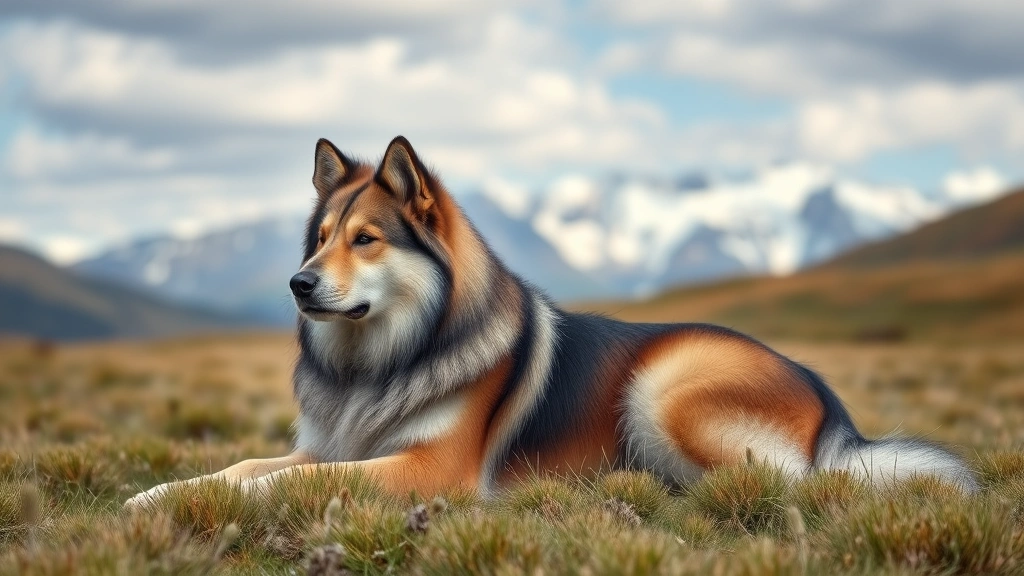
That gorgeous, thick double coat? It requires commitment. Sarplaninac dogs shed—and we mean they SHED. Expect tumbleweeds of fur rolling through your house seasonally. Brush them several times a week year-round, and daily during shedding season. Invest in a quality de-shedding tool; your vacuum will thank you.
Bathing should happen every 6 to 8 weeks, though these dogs are naturally clean and don’t require frequent baths. Their nails need regular trimming, ears should be checked weekly, and dental care is important for long-term health. Unlike some low shedding dog breeds, the sarplaninac is definitely not for people with allergies or a hatred of fur.
Health Considerations for Sarplaninac Dogs
Generally speaking, sarplaninac dogs are healthy, robust animals with fewer genetic issues than many modern breeds. However, they can be prone to hip dysplasia, elbow dysplasia, and certain eye conditions. Always source puppies from reputable breeders who test their breeding stock.
These dogs have a lifespan of 11 to 13 years, which is solid for a large breed. Regular veterinary check-ups, a quality diet, and appropriate exercise go a long way in maintaining their health. Check out PetMD for more detailed health information about large breeds.
Living Arrangements and Space Requirements
Can a sarplaninac dog live in an apartment? Technically, yes, but it’s not ideal. These dogs are large and need space to move around. They’re not destructive if properly exercised, but they do appreciate having room to patrol their territory. A house with a yard is the sweet spot.
Climate matters too. While their thick coat helps them handle cold weather beautifully, heat can be challenging. During hot months, check whether it’s too hot to walk your dog before heading outside. These mountain dogs prefer cooler temperatures.
Comparing Sarplaninac Dogs to Other Guardian Breeds
The sarplaninac is often compared to other large guardian breeds like the Anatolian Shepherd and Great Pyrenees. While they share some similarities—size, protective instincts, independent nature—sarplaninacs tend to be slightly more reserved and have a stronger prey drive. They’re also generally more protective of their territory than some other guardian breeds.
If you’re interested in exploring other unique guardian breeds, check out our guide on the McNab dog, another impressive working breed with its own unique characteristics.
Cost and Availability
Finding a sarplaninac puppy can be challenging depending on where you live. They’re relatively rare outside the Balkans and parts of Europe. Expect to pay $800 to $2,000 for a well-bred puppy from a reputable breeder. Adoption is possible but uncommon; check breed-specific rescues if you’re interested in giving an adult dog a home.
Is a Sarplaninac Dog Right for You?
Sarplaninac dogs aren’t for everyone. They require an experienced dog owner who understands guardian breeds, respects their independent nature, and has the space and resources to care for a large, protective dog. If you’re looking for a highly obedient, eager-to-please companion, look elsewhere.
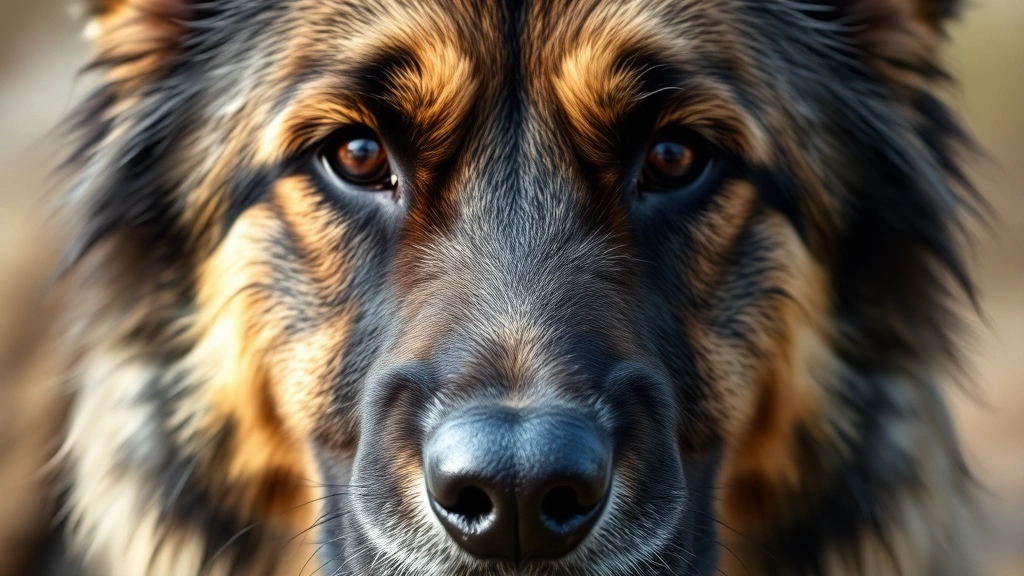
But if you want a loyal, intelligent, protective companion who’ll love your family fiercely and keep your property secure? A sarplaninac dog might just be your perfect match. These dogs form incredible bonds with their people and will stand by you through thick and thin—literally.
Frequently Asked Questions
Are sarplaninac dogs good family pets?
Yes, sarplaninac dogs can be excellent family pets for the right household. They’re gentle and patient with children they’re raised with, though their size means supervision with small kids is important. Their protective nature makes them naturally inclined to look after family members.
How much do sarplaninac dogs cost?
Reputable breeders typically charge $800 to $2,000 for sarplaninac puppies. Prices vary based on pedigree, health testing, and location. Always avoid backyard breeders and puppy mills.
Do sarplaninac dogs get along with other dogs?
Sarplaninac dogs can coexist with other dogs if properly socialized, but they have a strong territorial nature. They may not tolerate unfamiliar dogs entering their space. Early socialization is crucial.
How much exercise does a sarplaninac dog need?
These dogs need 30 to 60 minutes of daily exercise. They’re not hyperactive but require regular activity to stay healthy and mentally stimulated.
What’s the sarplaninac dog’s lifespan?
Sarplaninac dogs typically live 11 to 13 years with proper care, regular veterinary check-ups, and a healthy lifestyle.
Are sarplaninac dogs easy to train?
Sarplaninac dogs are intelligent but independent thinkers. They respond best to positive reinforcement and consistent, fair training. They’re not as eager to please as some breeds, making training more challenging for inexperienced owners.
Conclusion
The sarplaninac dog is a remarkable breed with thousands of years of guardian heritage flowing through its veins. These magnificent animals offer loyalty, protection, and companionship to families willing to meet their needs. They’re not the flashiest breed, and they won’t win popularity contests, but if you’re seeking a genuine, devoted companion with the heart of a warrior and the soul of a protector, the sarplaninac dog deserves serious consideration. Just make sure you’re ready for the commitment—because once a sarplaninac chooses you as family, you’ve got a friend for life.





