
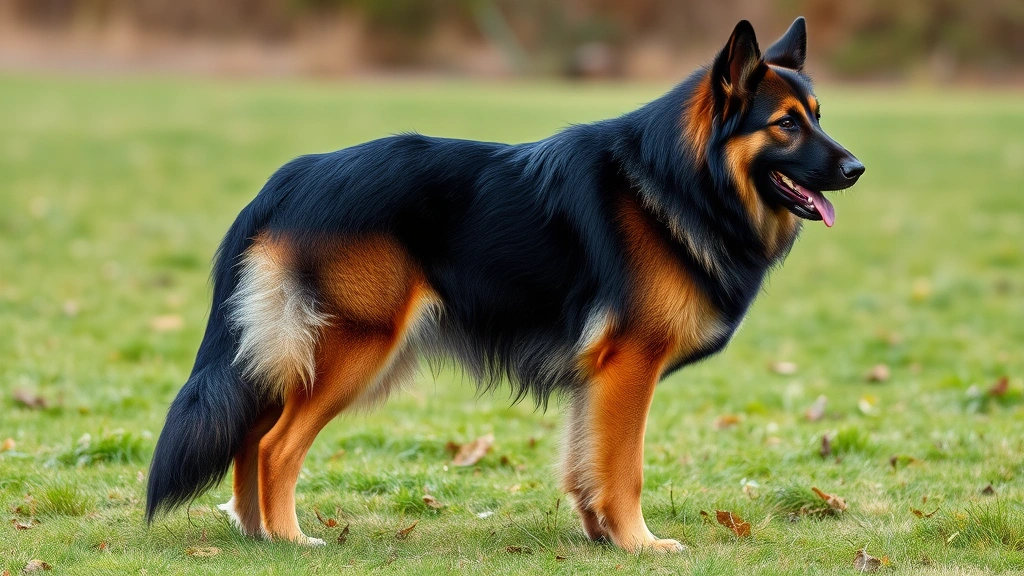
The Shiloh Shepherd dog is one of the most misunderstood breeds out there, often confused with German Shepherds but actually a distinct and fascinating breed in its own right. If you’re considering adding one of these majestic creatures to your family, or you’re just curious about what makes them tick, you’ve come to the right place. These gentle giants are loyal, intelligent, and surprisingly sensitive—basically, they’re the overachieving golden retrievers of the large breed world, except with a German Shepherd’s sharp mind and a heart the size of Texas.
Table of Contents
- What Exactly Is a Shiloh Shepherd Dog?
- Physical Characteristics and Size
- Temperament: The Heart of the Breed
- Training Your Shiloh Shepherd Dog
- Health Considerations for This Large Breed
- Exercise and Activity Needs
- Grooming and Coat Maintenance
- Nutrition and Diet for Large Breed Dogs
- Socialization and Compatibility with Families
- Finding a Reputable Breeder
- Comparing Shiloh Shepherds to Similar Breeds
- Frequently Asked Questions
- Final Thoughts: Is a Shiloh Shepherd Right for You?
What Exactly Is a Shiloh Shepherd Dog?
Let’s clear up the confusion right from the start. A Shiloh Shepherd isn’t just a German Shepherd with a fancy name. This breed was deliberately developed in the 1970s by Tina Barber, who wanted to create a dog that was larger, calmer, and healthier than the German Shepherd. Think of it as the German Shepherd’s more relaxed, slightly taller cousin who actually enjoys family game night without knocking over the coffee table. While they share some ancestry with German Shepherds, Shiloh Shepherds have their own breed standard, temperament, and physical characteristics that set them apart. They’re recognized by the International Shiloh Shepherd Dog Club and are gaining popularity among families who want a big dog with a gentle disposition.
Physical Characteristics and Size
If you’re expecting a dog that fits in a small apartment, a Shiloh Shepherd dog is definitely not your match. These are genuinely large dogs—males typically stand 28 inches tall at the shoulder and weigh between 100-145 pounds, while females are slightly smaller at 26 inches and 80-120 pounds. But here’s the thing: they carry their weight with an elegance that makes them look less like a tank and more like a furry linebacker who studied ballet. Their coat comes in several color patterns including black and tan, red and tan, and solid black, and they can have either a straight or plush double coat. The plush coat variety is absolutely stunning—it’s like they’re perpetually wearing a luxury fur stole.
Temperament: The Heart of the Breed
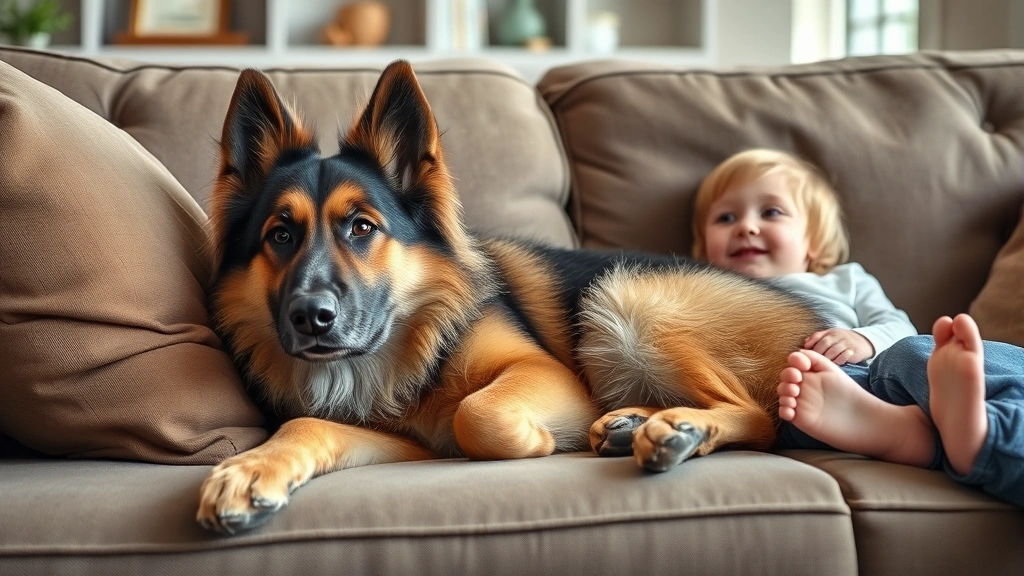
This is where Shiloh Shepherd dogs really shine. These aren’t aggressive guard dogs looking to prove something to the neighborhood. Instead, they’re genuinely gentle souls who happen to be enormous. They’re known for being calm, intelligent, and incredibly loyal to their families. Shiloh Shepherds are sensitive dogs—and we mean this in the best way possible. They pick up on your emotions, respond to your moods, and seem to understand when you’re having a rough day. They’re excellent with children, patient with other pets, and they have this uncanny ability to be both protective and gentle simultaneously. It’s like having a bodyguard who also gives excellent hugs.
Training Your Shiloh Shepherd Dog
Training a Shiloh Shepherd dog is actually one of the easier parts of ownership, thanks to their intelligence and eagerness to please. These dogs are highly trainable and respond well to positive reinforcement methods. They’re not stubborn like some breeds—they genuinely want to make you happy. Start socialization early, expose them to different people, environments, and experiences, and you’ll end up with a well-adjusted adult dog. Obedience training is essential given their size; you don’t want a 130-pound dog pulling you down the street, no matter how friendly they are. Consistency, patience, and plenty of treats (the good kind, not the junk) will get you excellent results. Many Shiloh Shepherds excel in advanced training, therapy work, and even competitive obedience.
Health Considerations for This Large Breed
One of the primary reasons Tina Barber developed the Shiloh Shepherd dog was to create a healthier alternative to German Shepherds. The breed has fewer hip dysplasia issues compared to their German Shepherd cousins, though it’s still something responsible breeders screen for. Like most large breeds, Shiloh Shepherds can be prone to bloat (gastric dilatation-volvulus), which is a serious, potentially life-threatening condition. You should learn the signs and know how to respond. They can also experience elbow dysplasia and certain eye conditions. The average lifespan is 9-14 years, which is reasonable for a dog of this size. Working with a reputable breeder who conducts health testing on parent dogs is absolutely crucial—this isn’t the place to cut corners or save a few bucks.
Exercise and Activity Needs
Despite their large size, Shiloh Shepherd dogs don’t require excessive amounts of exercise—they’re moderate to moderately high energy dogs. Daily walks, playtime, and mental stimulation are essential, but they’re not the type to demand three hours of intense activity daily. A couple of good walks, some playtime in the yard, and interactive games should keep them satisfied. They actually enjoy being couch potatoes with their families, which makes them surprisingly good apartment dogs as long as they get adequate exercise. Mental stimulation is just as important as physical exercise; puzzle toys, training sessions, and interactive games keep their sharp minds engaged. Check out our guide on whether it’s too hot to walk your dog to ensure safe exercise during warm months.
Grooming and Coat Maintenance
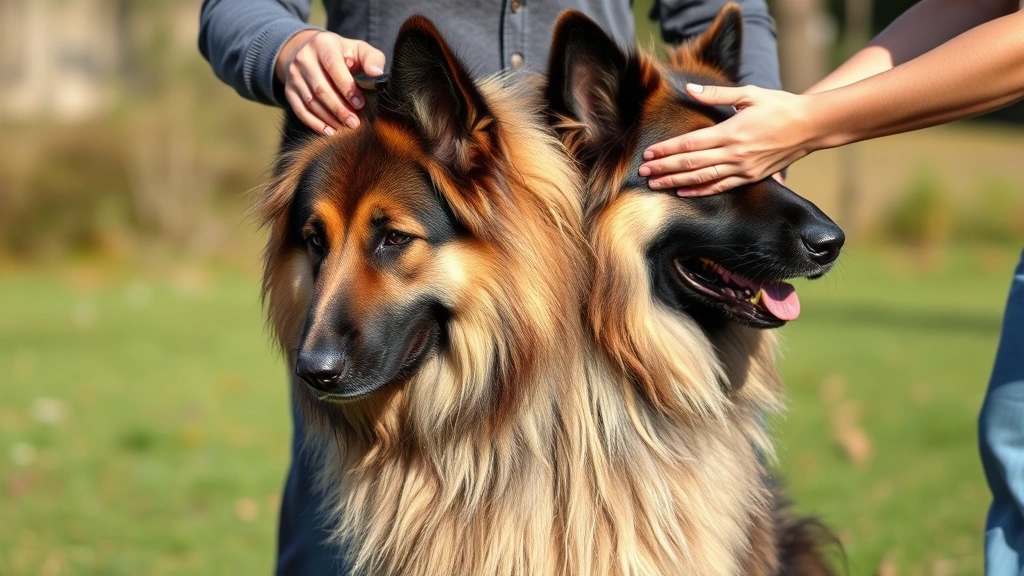
Shiloh Shepherd dogs are moderate to heavy shedders, especially during shedding season when they seem to shed enough fur to knit a second dog. Regular brushing—we’re talking 2-3 times per week—will help manage the loose hair and keep their coat healthy and beautiful. During heavy shedding seasons, daily brushing becomes your new best friend. They don’t require frequent baths; once every 6-8 weeks is usually sufficient unless they’ve been rolling in something questionable. Their nails grow quickly due to their size, so regular trimming is important. A large dog harness can help during grooming sessions and walks, and a martingale collar provides secure control without choking. Dental care is often overlooked but crucial for large breeds—brush their teeth regularly and have them professionally cleaned as recommended by your veterinarian.
Nutrition and Diet for Large Breed Dogs
Feeding a Shiloh Shepherd dog properly is one of your most important responsibilities. These large dogs require high-quality dog food formulated for large or giant breeds. Avoid puppy food for large breeds that’s too high in calcium and phosphorus, as this can contribute to skeletal problems. Most adult Shiloh Shepherds do well on 2-3 cups of quality food daily, divided into two meals. Feeding them twice daily rather than once is better for their digestive system and helps reduce bloat risk. Some owners prefer raw or home-cooked diets, but these should be formulated with veterinary guidance to ensure proper nutrition. Obesity is a real concern with this breed, as extra weight puts strain on their joints and heart. Regular weight monitoring and portion control are essential for longevity and quality of life.
Socialization and Compatibility with Families
Shiloh Shepherd dogs are family dogs through and through. They thrive in homes where they’re considered part of the pack and included in family activities. They’re excellent with children of all ages—their patience and gentle nature make them ideal family companions. They’re also good with other dogs, especially if socialized early, though individual temperaments vary. Some may have prey drive toward smaller animals like cats or rabbits, so introductions should be careful and supervised. They’re not typically aggressive toward other dogs, but they do need to understand their place in the family hierarchy through consistent training. These dogs form deep bonds with their families and can suffer from separation anxiety if left alone for extended periods. They’re best suited for families who can spend quality time with them regularly.
Finding a Reputable Breeder
This is where we need to get serious for a moment. The Shiloh Shepherd dog market has attracted some less-than-reputable breeders, so doing your homework is absolutely essential. A responsible breeder will conduct health testing on parent dogs, be transparent about their breeding practices, and provide health guarantees. They’ll ask you questions about your living situation and lifestyle—good breeders care about where their dogs go. Visit the American Kennel Club website for breeder resources and the International Shiloh Shepherd Dog Club for breed-specific information. Avoid breeders who have multiple litters available at all times or who seem primarily interested in making a quick sale. Expect to pay $800-$2,000 for a well-bred puppy from a reputable breeder. Yes, that’s a significant investment, but it’s far cheaper than dealing with genetic health problems down the road.
Comparing Shiloh Shepherds to Similar Breeds
If you’re considering a Shiloh Shepherd dog, you might also be looking at other large breeds. Check out our guides on Labrador German Shepherd mix dogs and Lab and Husky mix dogs for comparison. The main difference between a Shiloh Shepherd and a German Shepherd is temperament and health focus—Shiloh Shepherds were specifically bred to be calmer and healthier. They’re larger than most German Shepherds and tend to be less intense. Compared to other giant breeds like Great Danes or Bernese Mountain Dogs, Shiloh Shepherds have more energy and drive. They’re more working-oriented than some gentle giants but less intense than working lines of German Shepherds. The right choice depends on your lifestyle, living situation, and what you’re looking for in a canine companion.
Frequently Asked Questions
Are Shiloh Shepherds good family dogs?
Absolutely! Shiloh Shepherd dogs are excellent family dogs. They’re gentle, patient with children, and deeply loyal to their families. Their calm temperament and intelligence make them ideal companions for households with kids of all ages. They do require socialization, training, and adequate exercise, but they’re genuinely people-oriented dogs that thrive in family environments.
How much do Shiloh Shepherd puppies cost?
Reputable breeders typically charge $800-$2,000 for Shiloh Shepherd puppies. The price varies based on the breeder’s reputation, health testing, lineage, and location. Be wary of puppies priced significantly lower—this often indicates a puppy mill or backyard breeder situation. Remember that the initial purchase price is just the beginning; you’ll also invest in food, veterinary care, training, and supplies throughout the dog’s life.
Do Shiloh Shepherds shed a lot?
Yes, Shiloh Shepherd dogs are moderate to heavy shedders, particularly during shedding season. Regular brushing 2-3 times per week (or daily during heavy shedding) helps manage loose hair. If you have severe allergies or can’t tolerate dog hair, this breed might not be the best choice for you.
What’s the difference between a Shiloh Shepherd and a German Shepherd?
While they share some ancestry, Shiloh Shepherds and German Shepherds are distinct breeds. Shiloh Shepherds are larger, calmer, and were specifically bred to have fewer hip dysplasia issues. They’re less intense than German Shepherds and more family-oriented, though they retain the intelligence and trainability of their cousins. German Shepherds are more commonly used in police and military work, while Shiloh Shepherds excel as family companions and therapy dogs.
Are Shiloh Shepherds aggressive?
No, Shiloh Shepherd dogs are not inherently aggressive. They’re known for their gentle, calm temperament. While they may bark at strangers, they’re not typically aggressive toward people or other dogs. Like any dog, their behavior depends heavily on socialization, training, and how they’re treated. A well-socialized Shiloh Shepherd is one of the friendliest large breeds you’ll encounter.
How long do Shiloh Shepherds live?
The average lifespan for a Shiloh Shepherd dog is 9-14 years. This is reasonable for a large breed dog. Factors affecting lifespan include genetics, health care quality, diet, exercise, and overall living conditions. Working with a reputable breeder who conducts health testing can help ensure you get a dog with the best possible genetic foundation.
Final Thoughts: Is a Shiloh Shepherd Right for You?
A Shiloh Shepherd dog is an excellent choice for families seeking a large, intelligent, and genuinely gentle companion. These dogs offer the loyalty and intelligence of a German Shepherd with a calmer, more family-friendly temperament. They require commitment in terms of training, exercise, grooming, and veterinary care, but they reward that commitment with unwavering devotion and companionship. They’re not right for everyone—they need space, regular exercise, and families who can include them in daily life. But for the right family, a Shiloh Shepherd dog becomes more than a pet; they become a beloved family member who enriches your life in countless ways. If you’re ready for the responsibility and can provide a loving home, you’ll find that this gentle giant lives up to their reputation as one of the most wonderful dog breeds around.





