
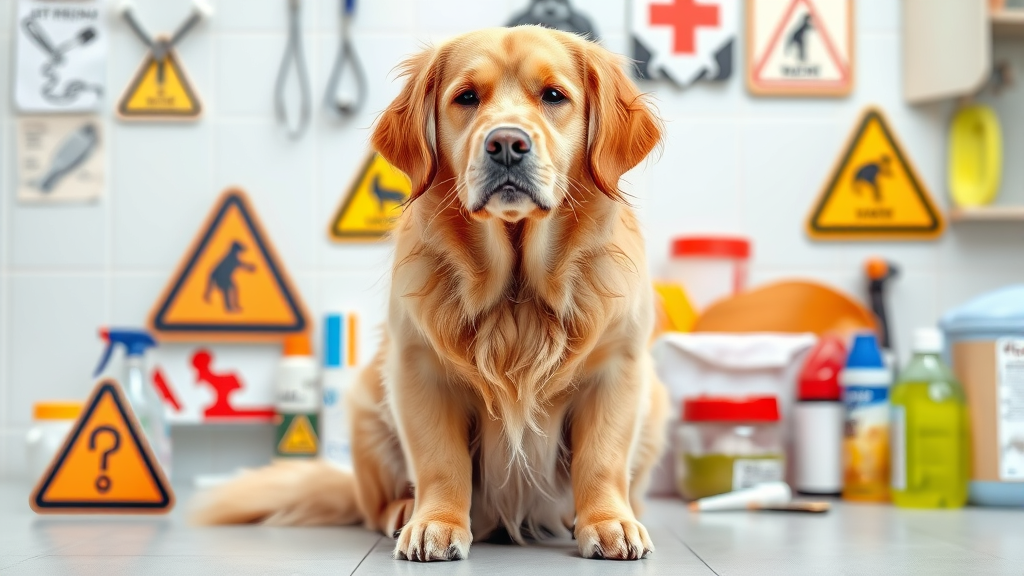
As a responsible pet owner, you might have wondered about the effects of various substances on your furry companion. One question that frequently arises is whether dogs can experience psychoactive effects similar to humans. Understanding how different substances affect our canine friends is crucial for their safety and well-being.
The short answer is yes, dogs can indeed experience altered states of consciousness from various substances, but the mechanisms and effects differ significantly from humans. This comprehensive guide will explore the science behind canine intoxication, the dangers involved, and what every pet owner should know to keep their dog safe.
Understanding Canine Physiology and Substance Effects
Dogs process substances very differently than humans due to their unique physiology and metabolism. The canine endocannabinoid system, while similar to humans, has distinct characteristics that make dogs particularly sensitive to psychoactive compounds. According to the American Veterinary Medical Association, dogs have a higher concentration of cannabinoid receptors in their brain compared to humans, making them more susceptible to the effects of THC and other psychoactive substances.
The liver enzymes responsible for metabolizing various compounds also differ significantly between species. Dogs metabolize certain substances much slower than humans, which means the effects can last longer and be more intense. This slower metabolism is particularly concerning when it comes to toxic substances, as they remain in the system longer and can cause prolonged adverse effects.
Understanding these physiological differences is crucial because what might be a mild experience for a human can be overwhelming or dangerous for a dog. The concept of dosage also changes dramatically – a small amount of a psychoactive substance that barely affects an adult human could severely impact a much smaller dog. Just as we understand that can dogs have autism involves different neurological considerations, substance effects also manifest differently in canine brains.
Marijuana and Cannabis Effects on Dogs
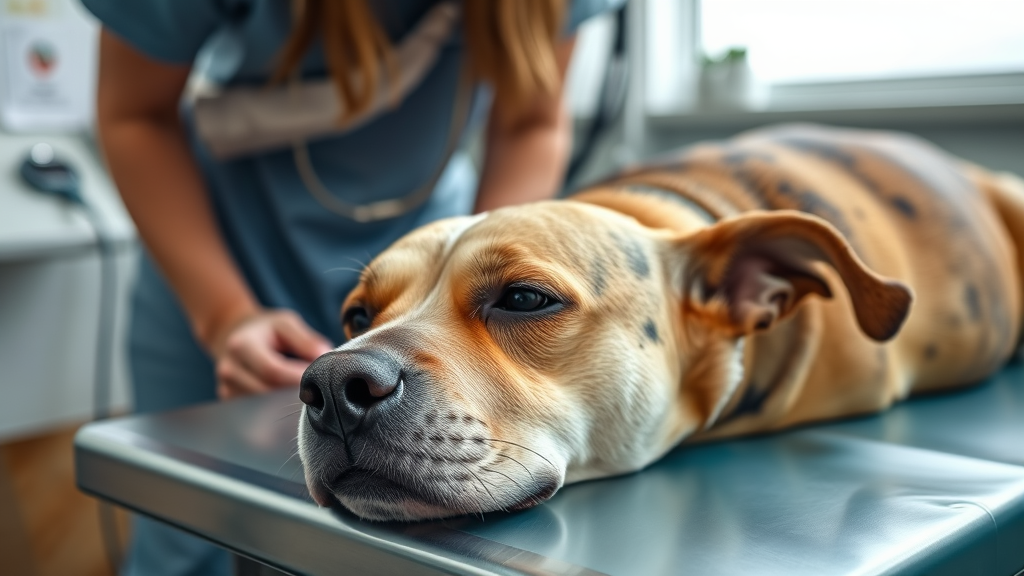
Marijuana toxicity in dogs has become increasingly common as cannabis becomes more widely legalized and available. The ASPCA Animal Poison Control Center reports a significant increase in marijuana-related calls over the past decade. THC (tetrahydrocannabinol), the psychoactive compound in marijuana, affects dogs much more severely than humans.
When dogs consume marijuana, they experience what veterinarians call “marijuana toxicity” or “cannabis poisoning.” Unlike humans who might feel relaxed or euphoric, dogs typically become disoriented, lethargic, and may lose coordination. The effects can include difficulty walking, excessive drooling, vomiting, and in severe cases, coma or seizures.
CBD (cannabidiol) products, while generally considered safer than THC-containing products, can still affect dogs. Some pet owners use CBD products specifically designed for dogs under veterinary guidance, but human CBD products should never be given to pets as they may contain THC or other harmful additives. The FDA warns about the lack of regulation in CBD products and potential risks to pets.
Edibles present a particular danger because they often contain additional toxic ingredients like chocolate, xylitol, or other artificial sweeteners that are poisonous to dogs. The combination of THC toxicity with these other toxic substances can create a medical emergency requiring immediate veterinary intervention.
Other Psychoactive Substances That Affect Dogs
Beyond marijuana, dogs can be affected by various other psychoactive substances commonly found in households. Alcohol is extremely dangerous for dogs and can cause alcohol poisoning even in small amounts. Dogs cannot metabolize alcohol effectively, and even small quantities can lead to vomiting, diarrhea, difficulty breathing, and potentially coma or death.
Prescription medications represent another significant risk. Many human medications, including antidepressants, anti-anxiety medications, and pain relievers, can cause psychoactive effects in dogs. These medications are often formulated for human body weight and metabolism, making them potentially lethal for smaller animals. Similarly to how we consider whether can dogs be autistic requires understanding canine neurology, medication effects depend on canine brain chemistry.
Interestingly, some substances that might seem harmless can also affect dogs in unexpected ways. For instance, many pet owners wonder about natural alternatives like catnip. While exploring whether can dogs have catnip reveals it’s generally safe, and does catnip work on dogs shows minimal psychoactive effects, understanding these plant-based interactions is important for comprehensive pet safety.
Magic mushrooms containing psilocybin pose another risk, particularly in areas where these fungi grow wild. Dogs may accidentally consume them during walks or outdoor activities. The Merck Veterinary Manual details the serious neurological effects these can have on pets.
Signs and Symptoms of Intoxication in Dogs
Recognizing the signs of intoxication in dogs is crucial for prompt treatment. The symptoms can vary depending on the substance consumed and the amount ingested. Common signs include lethargy, loss of coordination, excessive drooling, vomiting, diarrhea, dilated pupils, and changes in heart rate or breathing patterns.
Neurological symptoms are particularly concerning and may include tremors, seizures, disorientation, and altered mental state. Dogs may appear “spacey” or unresponsive to their name or commands. Some dogs become hyperactive or agitated, while others become extremely lethargic or even comatose. Temperature regulation can also be affected, leading to hypothermia or hyperthermia.
Behavioral changes often accompany physical symptoms. Dogs may become unusually anxious or fearful, similar to how some dogs experience changes in behavior that make owners question whether can dogs get add. They might hide, become clingy, or show aggression that’s out of character. Some dogs may experience hallucinations, causing them to react to things that aren’t there.
Gastrointestinal symptoms are also common and can include loss of appetite, excessive thirst, or inability to control urination or defecation. These symptoms can persist for hours or even days, depending on the substance and amount consumed. The severity and duration of symptoms often correlate with the dog’s size, the amount of substance consumed, and how quickly treatment is initiated.
What to Do If Your Dog Gets High
If you suspect your dog has consumed a psychoactive substance, immediate action is essential. The first step is to remain calm and assess the situation. Try to determine what substance your dog may have consumed, how much, and when the consumption occurred. This information will be crucial for veterinary treatment.
Contact your veterinarian or an emergency animal hospital immediately. Do not wait for symptoms to worsen. The Pet Poison Helpline (855-764-7661) is available 24/7 and can provide immediate guidance. Many substances require prompt treatment to prevent serious complications or death.
While waiting for professional help, keep your dog calm and comfortable. Remove any remaining substance from their reach and monitor their vital signs if possible. Do not induce vomiting unless specifically instructed by a veterinary professional, as this can sometimes make the situation worse depending on the substance consumed.
Bring any packaging or samples of the consumed substance to the veterinary clinic if possible. This helps veterinarians identify the exact compounds involved and determine the most appropriate treatment protocol. If your dog consumed an edible product, bring the packaging to help identify all ingredients, as multiple toxic substances may be involved.
Keep detailed notes about your dog’s symptoms, including when they started and how they’ve progressed. This timeline can be valuable for veterinary assessment and treatment planning. Just as we monitor changes in sleep patterns when considering do dogs have nightmares, tracking symptom progression helps professionals provide better care.
Prevention and Safety Measures
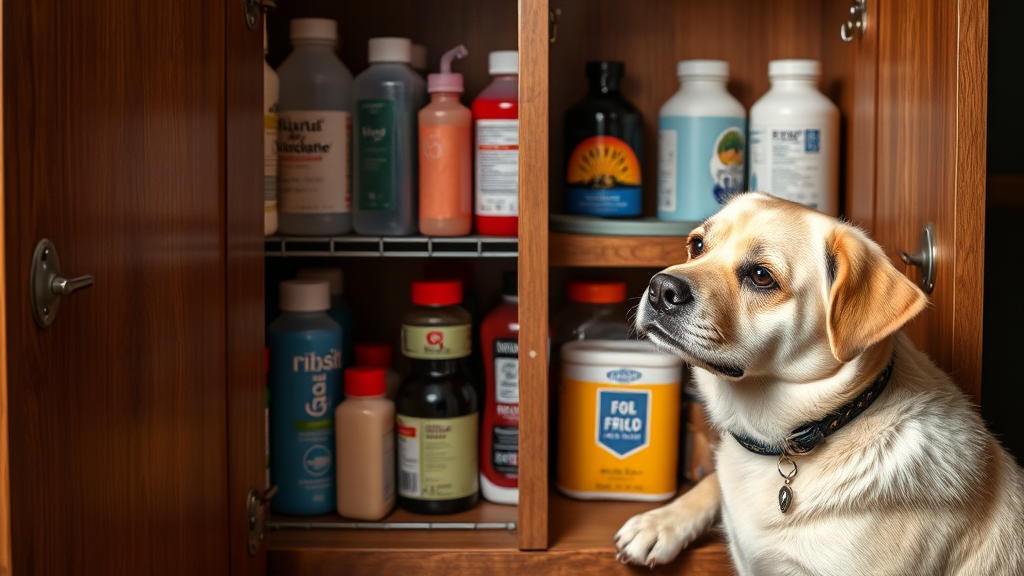
Prevention is always better than treatment when it comes to protecting your dog from accidental intoxication. The most effective strategy is to keep all potentially harmful substances securely stored and out of your dog’s reach. This includes medications, recreational substances, alcohol, and any products containing these compounds.
Child-proof containers and locked cabinets are excellent investments for pet-owning households. Remember that dogs can be remarkably resourceful when it comes to accessing things they shouldn’t have. Store substances in high places, secure containers, and never leave them unattended where curious pets might investigate.
Education is crucial for all household members and guests. Ensure everyone understands the dangers of leaving substances accessible to pets. This includes proper disposal of substances and being mindful of where personal items like purses or backpacks are placed, as they may contain medications or other harmful items.
When using legal cannabis products, be especially cautious about proper storage and disposal. Edibles can be particularly attractive to dogs due to their food-like appearance and smell. The Humane Society provides excellent guidelines for pet-safe storage of cannabis products.
Consider your dog’s individual characteristics when planning safety measures. Some dogs are more prone to getting into things they shouldn’t, while others show little interest in exploring. Understanding your pet’s personality, much like understanding whether sensory differences affect them (similar to how we explore do dogs have taste buds), helps tailor prevention strategies effectively.
Legal and Medical Considerations
The legal landscape surrounding cannabis and pets continues to evolve as more states legalize marijuana for human use. However, it’s important to understand that veterinarians face unique challenges when treating marijuana toxicity in pets. In many jurisdictions, veterinarians cannot recommend cannabis products for pets, and they may be required to report suspected animal abuse or neglect.
Pet insurance policies may or may not cover treatment for substance-related emergencies, depending on the circumstances and policy terms. It’s worth reviewing your policy to understand what’s covered and considering this factor when making decisions about substance storage and use in your home.
From a medical standpoint, there’s ongoing research into therapeutic uses of cannabis-derived compounds for pets. However, these studies are still in early stages, and any therapeutic use should only be considered under strict veterinary supervision with products specifically designed and tested for animals.
The AVMA’s position on marijuana in veterinary medicine emphasizes the need for more research and proper regulation before cannabis products can be safely recommended for pets. Until more is known, the focus should remain on preventing accidental exposure and treating toxicity when it occurs.
Legal considerations also extend to hemp-derived CBD products, which exist in a regulatory gray area. While hemp-derived CBD is federally legal, the FDA has not approved these products for pets, and quality control can be inconsistent. Always consult with your veterinarian before considering any cannabis-derived products for your pet.
Frequently Asked Questions
How long do the effects of marijuana last in dogs?
The effects of marijuana in dogs typically last 12-24 hours, but can persist up to 72 hours in severe cases. The duration depends on the amount consumed, the dog’s size and metabolism, and the potency of the product. Unlike humans, dogs metabolize THC much more slowly, leading to prolonged effects. Symptoms may include lethargy, loss of coordination, and altered mental state throughout this period.
Can secondhand marijuana smoke affect my dog?
Yes, secondhand marijuana smoke can affect dogs and should be avoided. Dogs have sensitive respiratory systems and can absorb THC through their lungs when exposed to smoke. This exposure can cause similar symptoms to direct consumption, including respiratory irritation, lethargy, and coordination problems. Always ensure adequate ventilation and keep pets away from areas where cannabis is being smoked.
Is CBD safe for dogs?
CBD products specifically formulated for pets may be safer than THC-containing products, but they should only be used under veterinary guidance. Human CBD products should never be given to dogs as they may contain THC or other harmful additives. The FDA has not approved CBD products for pets, and quality control varies significantly among manufacturers. Always consult your veterinarian before considering CBD for your pet.
What should I do if my dog ate a marijuana edible?
If your dog consumed a marijuana edible, contact your veterinarian or emergency animal hospital immediately. Do not wait for symptoms to appear, as edibles can take time to take effect but may cause severe toxicity. Bring the product packaging if possible to help identify all ingredients. Many edibles contain additional toxic substances like chocolate or xylitol that can be dangerous for dogs even without the THC.
Can dogs overdose on marijuana?
While marijuana overdose is rarely fatal in dogs, it can cause serious health complications requiring emergency veterinary care. Severe cases may involve seizures, coma, or respiratory depression. The risk is higher with concentrated products like edibles, oils, or medical marijuana products. Any suspected marijuana consumption should be treated as a potential emergency and evaluated by a veterinary professional.
How can I tell if my dog is having a bad reaction to a substance?
Signs of a serious reaction include difficulty breathing, seizures, extreme lethargy or unresponsiveness, vomiting that won’t stop, severe disorientation, or abnormal heart rate. If your dog shows any of these symptoms after potential substance exposure, seek emergency veterinary care immediately. Trust your instincts – if something seems seriously wrong with your pet’s behavior or physical condition, it’s better to err on the side of caution.
Are there any safe alternatives to help calm my anxious dog?
There are many safe, veterinary-approved options for managing canine anxiety without using psychoactive substances. These include prescription anti-anxiety medications designed for dogs, natural supplements like L-theanine or melatonin (under veterinary guidance), behavioral training, environmental modifications, and anxiety-reducing products like compression garments. Some pet owners also explore whether can dogs eat catnip as a mild, natural calming aid. Always consult with your veterinarian to develop a comprehensive anxiety management plan that’s safe and appropriate for your individual pet.





