
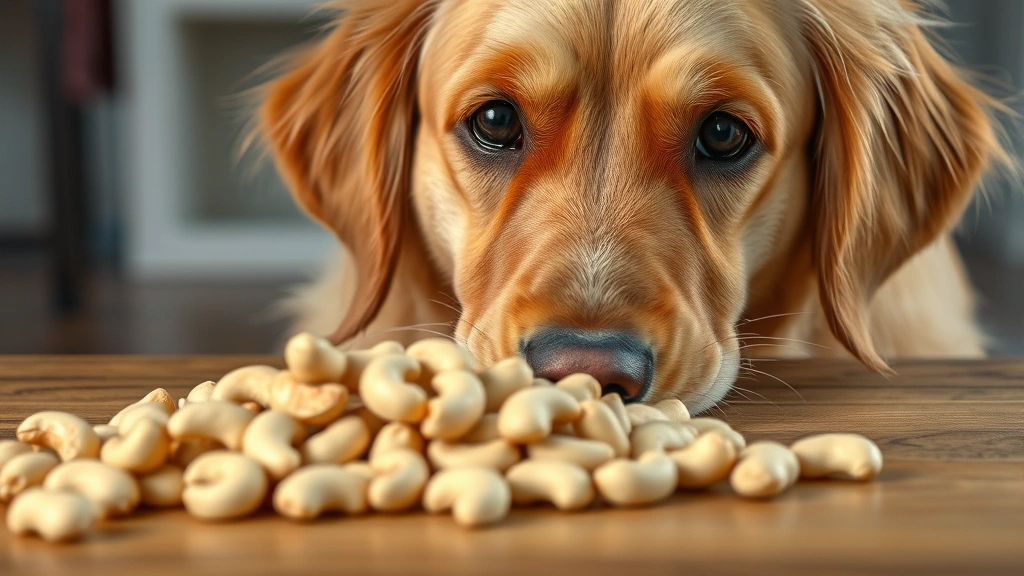
So, should dogs eat cashews? The short answer is: yes, but with some serious caveats that every dog owner needs to know before tossing their pup a handful of these creamy nuts.
Table of Contents
- Are Cashews Toxic to Dogs?
- Nutritional Content and Dog Health Considerations
- The Sodium Problem: Why Salted Cashews Are a No-Go
- Cashew Butter and Flavored Varieties: Hidden Dangers
- Safer Nut and Snack Alternatives for Your Dog
- Portion Control: The Golden Rule for Cashew Treats
- Choking Hazards and Digestive Concerns
- What Vets Actually Recommend
- Signs Your Dog Ate Too Many Cashews
- Frequently Asked Questions
- The Bottom Line: Should Your Dog Eat Cashews?
If you’re like most pet parents, you’ve probably wondered whether it’s safe to share your snack stash with your four-legged best friend. Cashews are delicious, packed with nutrients, and let’s be honest—your dog’s puppy eyes are hard to resist. But before you become the world’s most generous snack-sharer, let’s dive into what vets actually say about dogs and cashews.
Are Cashews Toxic to Dogs?
Here’s the good news: plain, unsalted cashews aren’t toxic to dogs in small amounts. Unlike macadamia nuts (which are genuinely dangerous), cashews won’t send your pup to the emergency vet. However, this doesn’t mean you should go nuts—pun absolutely intended—with cashew distribution.
The real issue isn’t the cashew itself; it’s everything we humans like to do to cashews. Raw cashews contain urushiol oil, which can cause skin irritation, but roasting removes most of this compound. The problem arises when cashews are salted, sweetened, or coated with other ingredients that dogs shouldn’t consume.
Nutritional Content and Dog Health Considerations
Cashews do contain some beneficial nutrients: healthy fats, protein, and minerals like magnesium and zinc. In theory, this sounds great for your dog’s diet. In practice, dogs don’t need these nutrients from cashews—they get everything they need from quality dog food. Plus, cashews are calorie-dense little bombs, packing about 155 calories per ounce.
For a small dog weighing 10 pounds, just five or six cashews could represent 10% of their daily caloric intake. That’s why portion control isn’t just a suggestion; it’s essential. We recommend treating cashews as an occasional treat, not a dietary staple. Check out our guide on spinach for dogs to learn about better vegetable alternatives.
The Sodium Problem: Why Salted Cashews Are a No-Go
This is where most cashew disasters happen. Salted or roasted-and-salted cashews are absolutely off the menu for dogs. Excessive sodium can lead to serious health issues including hypernatremia (sodium ion toxicosis), which causes excessive thirst, vomiting, diarrhea, and in severe cases, neurological problems.
Even “lightly salted” cashews contain more sodium than your dog needs. A single serving of salted cashews might contain 100-200mg of sodium, while a small dog’s entire daily sodium requirement is only about 100-200mg. You do the math—it doesn’t add up favorably.
Cashew Butter and Flavored Varieties: Hidden Dangers
Many pet owners think cashew butter is a healthier option, but it’s actually riskier. Some commercial cashew butters contain added salt, sugar, or xylitol (an artificial sweetener that’s toxic to dogs). Always check the ingredient list if you’re considering any nut butter for your pup.
Flavored cashews—the honey-roasted, cinnamon-sugar, or chocolate-covered varieties—are absolutely forbidden. Chocolate is toxic to dogs, and excessive sugar contributes to obesity and dental disease. Stick with plain, unsalted, raw or lightly roasted cashews only, and even then, use extreme moderation.
Safer Nut and Snack Alternatives for Your Dog
If you want to give your dog nuts, there are better options. Peanuts (technically legumes) and peanut butter are generally safe, though you must verify the peanut butter contains zero xylitol. Almonds are okay in tiny amounts, though they’re choking hazards for small dogs.
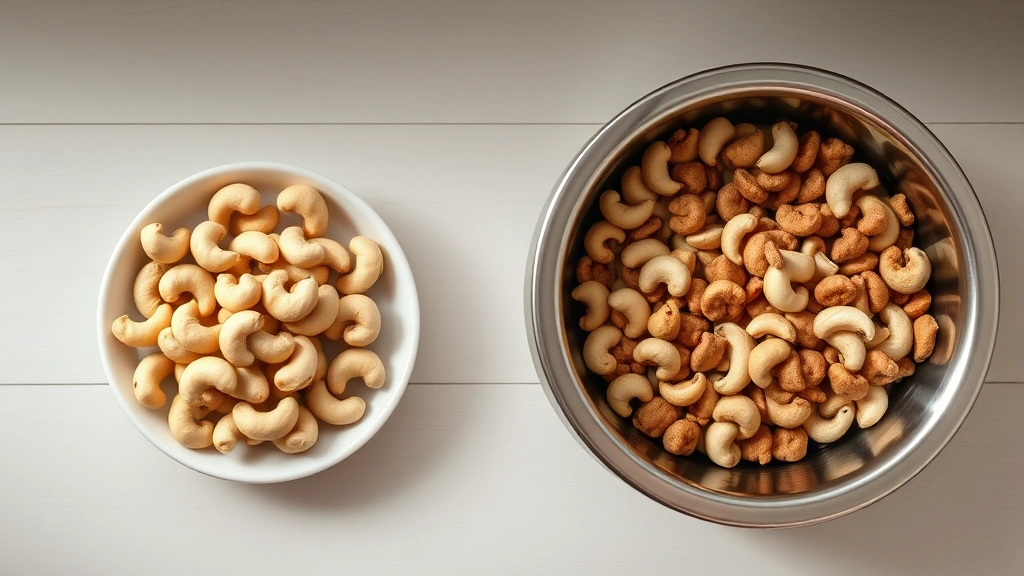
Better yet, consider dog-friendly alternatives entirely. Carrots, apples (without seeds), and pumpkin provide nutrients without the calorie overload. For more information about safe food choices, check our article on honeydew for dogs.
Portion Control: The Golden Rule for Cashew Treats
If you absolutely must share cashews with your dog, follow this rule: treats should never exceed 10% of your dog’s daily caloric intake. For a 30-pound dog eating 1,000 calories daily, that’s only 100 calories maximum from treats—roughly 5-6 plain cashews.
For smaller dogs, the number drops significantly. A 10-pound Chihuahua should have no more than 2-3 cashews, and even that’s pushing it. Giant breed dogs can handle slightly more, but the principle remains: cashews are occasional treats, not snacks.
Choking Hazards and Digestive Concerns
Beyond nutrition, cashews present physical risks. Their size and hardness make them potential choking hazards, especially for enthusiastic eaters or dogs with dental issues. If your dog has a sensitive stomach, the high fat content in cashews can trigger pancreatitis or digestive upset.
Dogs with existing health conditions—particularly those with heart disease, kidney disease, or obesity—should avoid cashews entirely due to sodium and calorie concerns. Always consult your vet before introducing any new foods, especially if your dog has underlying health issues.
What Vets Actually Recommend
The American Kennel Club (AKC) doesn’t specifically recommend cashews for dogs, and most veterinarians suggest sticking with treats formulated specifically for canines. These treats are portion-controlled, nutritionally balanced, and designed with dog digestive systems in mind.
According to PetMD, the safest approach is to treat human foods—including cashews—as occasional indulgences rather than dietary components. Your dog’s complete nutrition should come from quality commercial dog food or veterinarian-approved home-cooked diets. Learn more about dog food quality in our review of Pedigree dog food.
Signs Your Dog Ate Too Many Cashews
If your dog somehow got into your cashew stash, watch for these warning signs: vomiting, diarrhea, lethargy, excessive thirst, or abdominal discomfort. If your dog consumed salted cashews or large quantities, contact your vet immediately.
Pancreatitis—inflammation of the pancreas—is a serious concern with high-fat foods. Symptoms include severe abdominal pain, vomiting, loss of appetite, and lethargy. This requires immediate veterinary attention and can be life-threatening if untreated.
Frequently Asked Questions
Can dogs eat raw cashews?
Raw cashews are safer than roasted-and-salted varieties, but they still contain urushiol oil that can cause irritation. Roasted cashews (unsalted) are preferable. Either way, they should only be occasional treats in tiny amounts.

Are cashews better for dogs than other nuts?
Cashews aren’t particularly beneficial for dogs compared to other nuts. While not toxic like macadamia nuts, they offer no nutritional advantage over quality dog food. Plain peanuts (without xylitol) are marginally better if you’re choosing between nuts.
What should I do if my dog ate cashew butter?
Check the ingredient list immediately. If it contains xylitol, call your vet or poison control right away—xylitol is extremely toxic to dogs. If it’s just plain cashew butter without additives, monitor your dog for digestive upset, but one small amount is usually not dangerous.
How many cashews can a dog safely eat?
For most dogs, 2-5 plain, unsalted cashews as an occasional treat is the maximum. This should happen no more than once a week and only for dogs without health conditions. Smaller dogs should have even fewer or none at all.
Is cashew oil safe for dogs?
Cashew oil in food is generally okay in the tiny amounts that might be in commercial dog treats, but it’s not recommended as a dietary supplement. Stick with vet-approved supplements and foods designed for canine nutrition.
The Bottom Line: Should Your Dog Eat Cashews?
So, should dogs eat cashews? Technically, plain, unsalted cashews won’t poison your dog, but they’re not necessary or particularly beneficial either. The risks—choking hazards, digestive upset, excessive calories, and the temptation to share salted or flavored varieties—outweigh any potential benefits.
Your dog doesn’t need cashews to be healthy and happy. They need quality nutrition from appropriate dog food, fresh water, exercise, and your love. If you want to give your pup special treats, choose options specifically formulated for dogs or stick with vet-approved whole foods like plain cooked chicken or carrots.
Remember, every dog is different. What’s safe for a 60-pound Labrador might be dangerous for a 5-pound Yorkie. When in doubt, consult your veterinarian before introducing any new foods. They know your dog’s individual health status and can provide personalized recommendations. For more guidance on safe foods, check out our article on stevia toxicity in dogs and tuna for dogs.
Your dog’s health is worth more than a cashew snack, so when those puppy eyes appear, reach for something safer. Your vet will thank you, and your dog will be just as happy with an apple slice or a carrot stick.





