
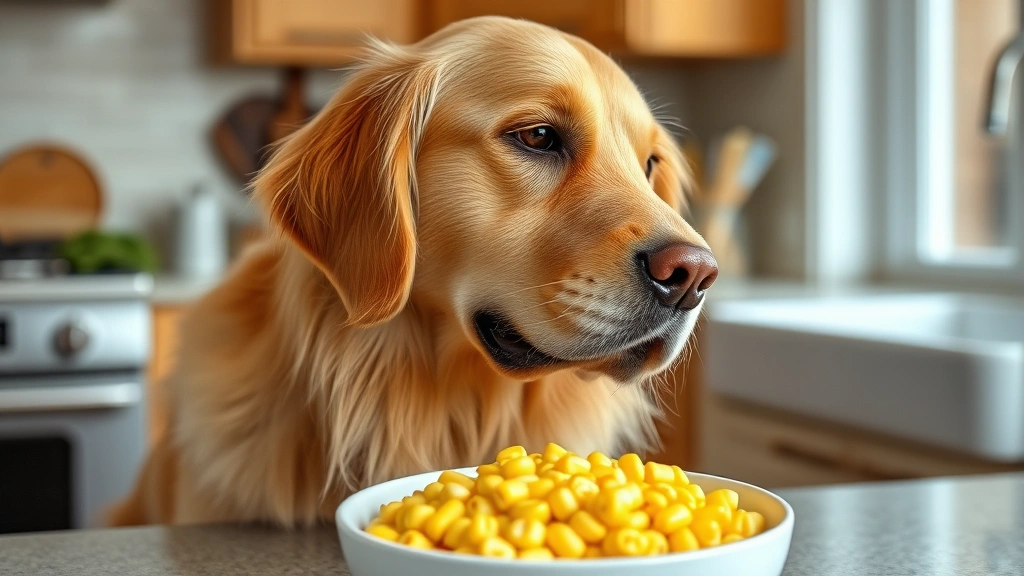
Should dogs eat corn? It’s one of those questions that pops up at dinner tables across America when your pup gives you those irresistible puppy-dog eyes while you’re grilling corn on the cob. The short answer: yes, dogs can eat corn in moderation, but there’s a lot more to the story that every dog owner needs to know.
Table of Contents
- The Corn Conundrum: Is It Really Safe?
- Why Corn on the Cob Is a Big No-No
- Corn Kernels: The Safe(r) Option
- Understanding Corn in Commercial Dog Foods
- Potential Health Concerns and Allergies
- Corn Syrup and Processed Corn Products: Definitely Avoid
- How Much Corn Can Dogs Safely Eat?
- Safer Corn Alternatives for Your Pup
- What to Do If Your Dog Eats Corn on the Cob
- Reading Between the Lines: Corn in Dog Food Labels
- Frequently Asked Questions
- The Bottom Line: A Practical Approach to Corn and Dogs
The Corn Conundrum: Is It Really Safe?
Let’s cut through the confusion right away. Corn itself isn’t toxic to dogs, and it’s actually found in many commercial dog foods. However, the way corn is prepared and served matters tremendously. Plain, cooked corn kernels are generally safe for your furry friend, but corn on the cob? That’s a whole different ballgame that could land you at the vet’s office faster than your dog can say “fetch.”
The real issue isn’t the corn kernels themselves—it’s how they’re processed and what they’re mixed with. When you’re evaluating dog food ingredients, understanding corn’s role is crucial, much like comparing quality brands such as Purina One versus other dog food options.
Why Corn on the Cob Is a Big No-No
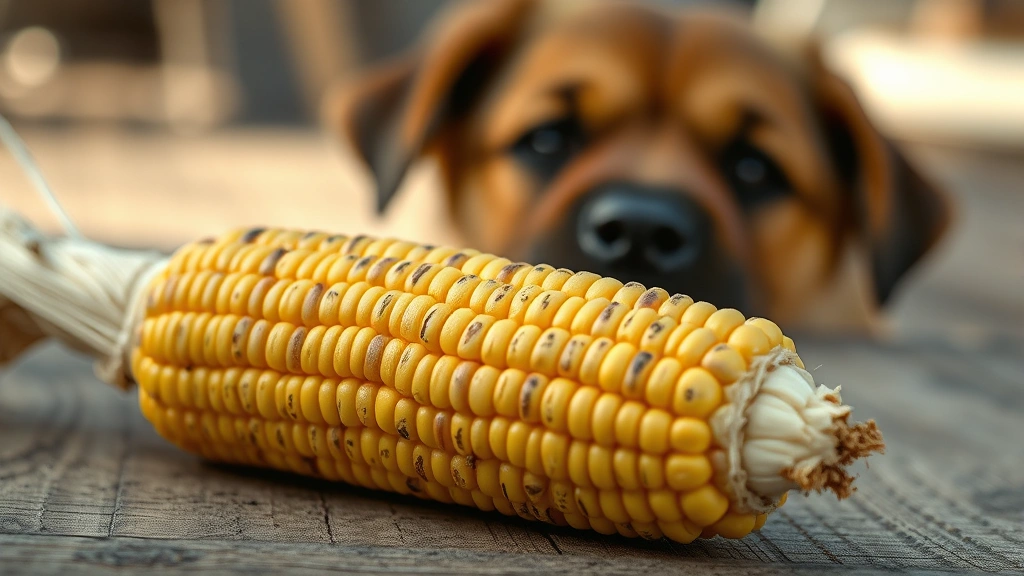
Here’s where things get serious. If your dog swallows corn on the cob—and let’s be honest, they absolutely will if given the chance—you’re looking at a potential intestinal blockage. The cob doesn’t digest. It just sits there, causing an obstruction that can require emergency surgery costing thousands of dollars. Vets see this complication regularly, and it’s almost always preventable by keeping corn cobs away from curious canines.
The danger increases with smaller dogs, who are more likely to swallow the cob whole without proper chewing. Large breed dogs aren’t immune either; they’re just as likely to gulp down a corn cob without thinking twice.
Corn Kernels: The Safe(r) Option
If you want to share corn with your dog, stick to plain, cooked kernels removed from the cob. Fresh corn kernels have some nutritional value—they contain fiber, vitamins, and minerals that aren’t harmful in small quantities. Some dogs enjoy the texture and sweetness, making it an occasional treat option.
Raw corn kernels are harder to digest, so always cook them first. Boiling or steaming without salt, butter, or seasonings is the way to go. Your dog doesn’t need the fancy preparation you might enjoy; plain is perfectly fine and actually safer.
Understanding Corn in Commercial Dog Foods
Many dog owners worry about corn in kibble and canned foods. The reality is more nuanced than the “corn is filler” narrative you might hear. Corn provides carbohydrates, fiber, and some essential nutrients. The quality varies depending on the food brand and how the corn is processed.
When evaluating commercial dog foods, corn isn’t automatically bad. What matters more is the overall nutritional balance and ingredient quality. Some premium brands like Victor dog food use corn as part of a complete formula, while others avoid it entirely. The best choice depends on your individual dog’s needs, digestive health, and any existing conditions.
Potential Health Concerns and Allergies
Some dogs have corn allergies or sensitivities, though these are less common than people think. True corn allergies manifest as itching, skin inflammation, ear infections, or digestive upset. If your dog shows these symptoms after eating corn-based products, elimination diets and allergy testing can help identify the culprit.
Dogs with pancreatitis or those requiring low fat dog food for pancreatitis should avoid corn entirely, as it’s relatively high in carbohydrates and can trigger flare-ups. Always consult your vet before introducing new foods if your dog has underlying health conditions.
Corn Syrup and Processed Corn Products: Definitely Avoid
While plain corn is generally okay, processed corn products are a different story. High-fructose corn syrup, corn meal, and heavily processed corn derivatives found in some treats and foods can contribute to obesity, diabetes, and dental problems in dogs. These ingredients serve no nutritional purpose and should be avoided whenever possible.
Read ingredient labels carefully. If corn appears in the first three ingredients or if the food contains corn syrup or corn oil as primary components, consider switching to a higher-quality option.
How Much Corn Can Dogs Safely Eat?
Moderation is key. Corn should never make up more than 10% of your dog’s daily caloric intake. For most dogs, this means a small handful of kernels as an occasional treat, not a regular dietary staple. Treats in general should account for no more than 10% of daily calories, with the remaining 90% coming from complete, balanced dog food.
Portion sizes depend on your dog’s weight. A small dog might enjoy 5-10 kernels, while a large dog could handle 20-30. Think of it as a rare treat, not a food group.
Safer Corn Alternatives for Your Pup
If you’re looking for healthy treat options similar to corn, consider alternatives like watermelon for dogs, which provides hydration and nutrients. Other safe options include mango for dogs, which offers vitamins and fiber, or ginger for dogs, which has anti-inflammatory properties. These alternatives often provide more nutritional benefits than corn while being equally enjoyable.
What to Do If Your Dog Eats Corn on the Cob
If your dog manages to snag a corn cob despite your best efforts, don’t panic immediately, but do monitor closely. Watch for signs of intestinal blockage: vomiting, loss of appetite, abdominal pain, constipation, or lethargy. If you notice any of these symptoms within 24-48 hours, contact your vet immediately.
Some dogs pass corn cobs without incident, but others require surgery. The size of your dog and the size of the cob matter significantly. When in doubt, call your veterinarian for guidance rather than waiting to see what happens.
Reading Between the Lines: Corn in Dog Food Labels
Understanding dog food labels helps you make informed decisions about corn content. Look for terms like “corn meal,” “corn flour,” and “corn gluten meal.” These are processed corn products that differ from whole corn. Whole grain corn is less processed and retains more nutritional value.
The ingredient list shows what’s in the food by weight, so if corn appears early in the list, it’s a significant component. This isn’t necessarily bad, but it’s information you should consider when choosing between brands.
Frequently Asked Questions
Can dogs eat popcorn?
Plain, air-popped popcorn without butter, salt, or seasonings is safe in small quantities. However, popcorn kernels can get stuck in teeth and gums, and some dogs may have difficulty digesting it. Skip the movie theater popcorn entirely—the butter and salt are harmful to dogs.
Is corn bad for dogs with sensitive stomachs?
Some dogs with sensitive stomachs tolerate corn fine, while others experience digestive upset. If your dog has a sensitive stomach, introduce corn slowly and in tiny amounts to see how they react. Many grain-free options are available if corn proves problematic.
What about corn husks and corn silks?
Corn husks and silks are also choking and blockage hazards. Remove all parts of the corn before offering any to your dog. It’s not worth the risk.
Can puppies eat corn?
Puppies can eat small amounts of plain corn kernels, but their digestive systems are still developing. Stick to their regular puppy food for proper nutrition and avoid introducing too many new foods too quickly.
Is frozen corn safe for dogs?
Frozen corn kernels are safe if thawed and served plain. Some dogs enjoy the cold texture as a refreshing treat, especially in summer. Make sure there’s no added salt or seasonings.
The Bottom Line: A Practical Approach to Corn and Dogs
Should dogs eat corn? Yes, but with important caveats. Plain, cooked corn kernels in small quantities are safe for most healthy dogs. Corn on the cob is a definite no-go. Corn in commercial dog foods can be part of a balanced diet, depending on the brand and your dog’s individual needs.
The key is understanding the difference between whole corn, processed corn products, and corn on the cob. Monitor your dog’s individual response to corn-based foods and treats. If your dog shows signs of allergies or digestive issues, eliminate corn and consult your veterinarian.
When in doubt, stick to proven safe treats and focus on high-quality, complete dog food that meets your pet’s nutritional needs. Your dog doesn’t need corn to be healthy and happy—they need balanced nutrition, regular exercise, and plenty of love. Save the corn for yourself and offer your pup safer alternatives that provide similar enjoyment without the risks.





