
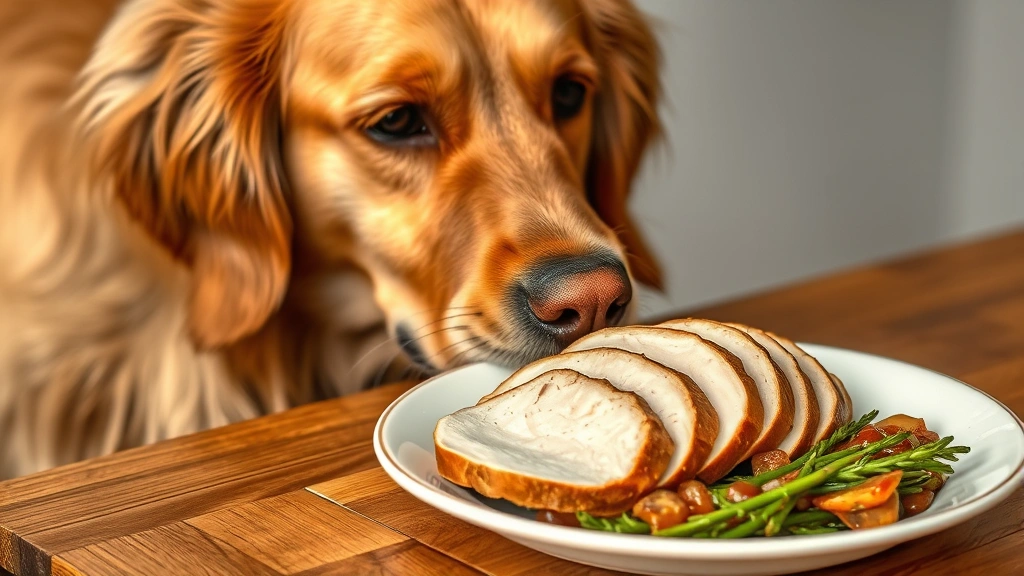
So, should dogs eat turkey? The short answer is yes—but with some serious caveats that could save your pup from a trip to the emergency vet. Turkey is actually a fantastic protein source for dogs, packed with B vitamins and amino acids that support muscle development and energy. However, not all turkey preparations are created equal, and what lands on your holiday table might be a nutritional minefield for your furry friend.
Table of Contents
- Is Turkey Safe for Dogs? The Basics
- The 5 Essential Facts Every Dog Owner Should Know
- How Much Turkey Can Dogs Safely Eat?
- Turkey Toxicity: What Actually Happens
- Safe Turkey Alternatives for Your Dog
- Turkey in Commercial Dog Foods vs. Fresh Turkey
- Holiday Feeding Guide: Turkey Edition
- What to Do If Your Dog Eats Unsafe Turkey
- Nutritional Benefits of Turkey for Dogs (When Done Right)
- Frequently Asked Questions
- Summary: The Turkey Takeaway
If you’re planning to share your Thanksgiving feast with Fido or just curious about adding turkey to his regular diet, buckle up. We’re diving deep into everything you need to know about feeding turkey to dogs—the good, the bad, and the absolutely-don’t-do-this parts.
Is Turkey Safe for Dogs? The Basics
Turkey itself is totally safe for dogs when prepared correctly. In fact, many premium dog foods include turkey as a primary ingredient because it’s lean, digestible, and packed with essential nutrients. Plain, cooked turkey meat (without skin) is one of the safest proteins you can offer your dog. It’s lower in fat than chicken in some cases and provides excellent amino acid profiles that support immune function and tissue repair.
The problem isn’t turkey—it’s what we do to turkey. Seasoning, bones, skin, and cooking methods transform this wholesome protein into a potential hazard. Think of it like this: your dog’s digestive system didn’t evolve to handle garlic powder, onions, or excessive salt.

The 5 Essential Facts Every Dog Owner Should Know
Fact #1: Plain Turkey Breast is Your Best Friend
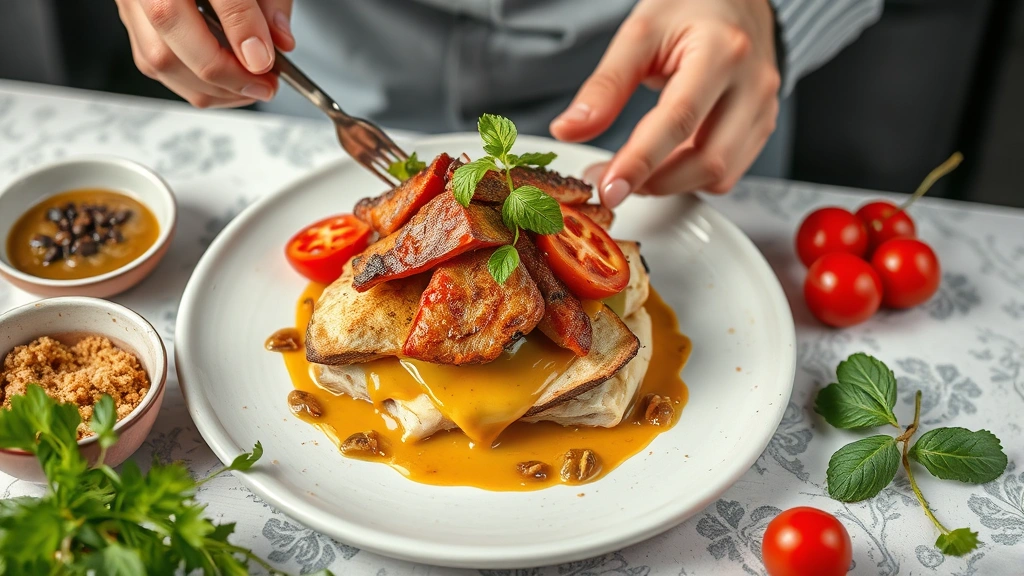
Skinless, boneless turkey breast is the gold standard for dogs. It’s lean, easy to digest, and virtually impossible to mess up. You can boil it, bake it at 350°F, or grill it without any seasoning. A few ounces as an occasional treat or mixed into their regular food provides excellent nutritional benefits without risk. This is the turkey preparation that veterinarians actually recommend.
Fact #2: Turkey Skin Will Wreck Your Dog’s Digestive System
That crispy, delicious turkey skin? It’s basically a grease bomb for dogs. Turkey skin is extremely high in fat, and when dogs consume high-fat foods, they can develop pancreatitis—an inflammation of the pancreas that causes vomiting, diarrhea, abdominal pain, and in severe cases, organ failure. Pancreatitis isn’t something you want to gamble with. Keep the skin completely away from your pup, no matter how much those puppy eyes beg.
Fact #3: Bones Are Non-Negotiable Deal-Breakers
Cooked turkey bones are brittle and splinter easily, creating sharp fragments that can perforate the esophagus, stomach, or intestines. This isn’t a maybe-it’ll-be-fine situation—it’s a surgery-required emergency. Even small bone fragments can cause blockages or internal bleeding. The risk isn’t worth it. If your dog somehow gets a bone, call your vet immediately. Don’t wait to see if symptoms develop.

Fact #4: Seasoning and Marinades Are Toxic
Most holiday turkey is seasoned with garlic, onions, excessive salt, and spices that are toxic or dangerous for dogs. Garlic and onions contain compounds that damage red blood cells and can cause hemolytic anemia. Excessive salt leads to sodium ion poisoning, which causes vomiting, diarrhea, tremors, and seizures. Even “dog-safe” seasonings should be used sparingly. When in doubt, serve plain turkey to your pup.
Fact #5: Portion Control Matters More Than You Think
Turkey should never exceed 10% of your dog’s daily caloric intake. For a 50-pound dog, that’s roughly 2-3 ounces of plain turkey as a treat. Feeding too much turkey, even plain turkey, can cause digestive upset, weight gain, and nutritional imbalances by displacing their regular balanced diet. Moderation is key—think of turkey as an occasional treat, not a dietary staple.
How Much Turkey Can Dogs Safely Eat?
The amount depends on your dog’s size, age, and overall health. Small dogs (under 20 pounds) should get no more than 1 ounce of plain turkey at a time. Medium dogs (20-50 pounds) can handle 2-3 ounces. Large dogs (over 50 pounds) can have up to 4-5 ounces. These portions should be occasional treats, not daily additions.
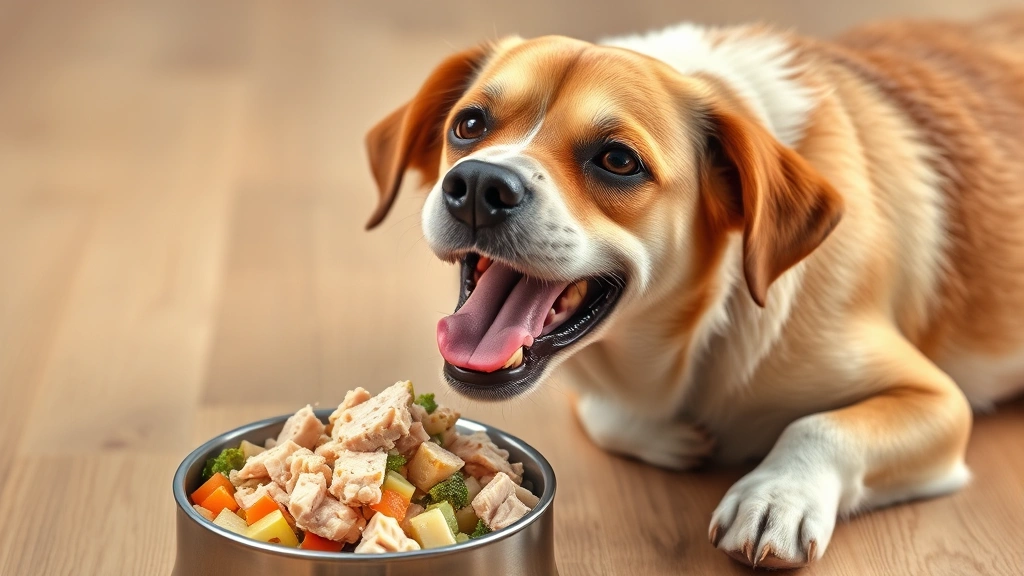
If your dog has existing health conditions like pancreatitis, obesity, or digestive issues, check with your vet before introducing turkey. Senior dogs and puppies may also have different tolerance levels. When introducing turkey for the first time, start with a small amount and monitor for any digestive changes over 24-48 hours.
Turkey Toxicity: What Actually Happens
If your dog accidentally consumes seasoned turkey skin, bones, or excessive amounts, symptoms can appear within 4-24 hours. Watch for vomiting, diarrhea, lethargy, loss of appetite, abdominal pain, or tremors. Pancreatitis specifically causes severe abdominal pain, hunched posture, and potentially fatal complications if untreated.
If you suspect your dog ate something dangerous, don’t panic—but do call your vet or pet poison control (888-426-4435) immediately. Describe exactly what your dog consumed, how much, and when. Your vet may recommend monitoring at home or an emergency visit depending on the situation. It’s always better to call and be wrong than to wait and be sorry.

Safe Turkey Alternatives for Your Dog
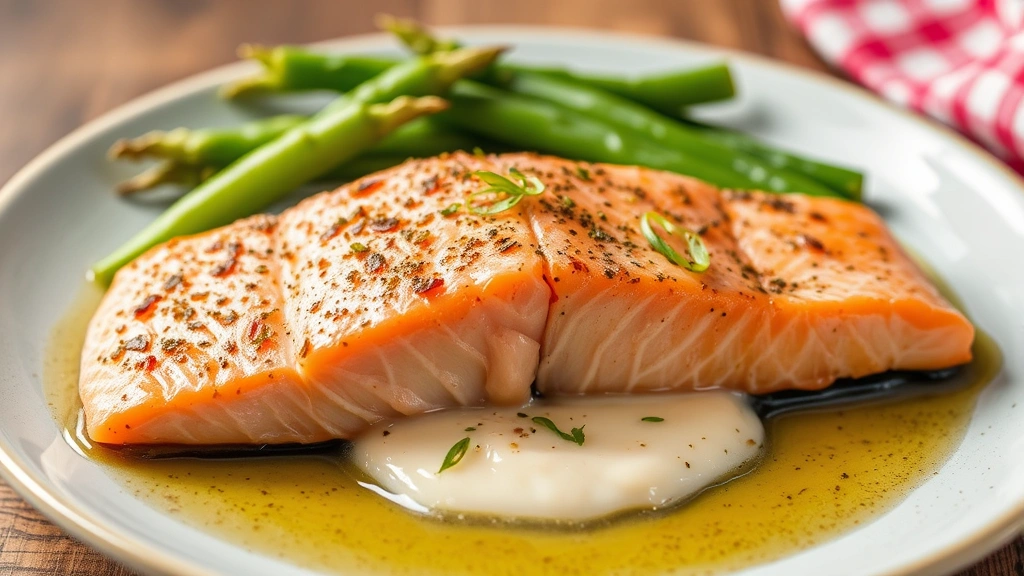
If you want to give your dog a holiday treat without the risk, consider these safer options. Salmon is excellent for dogs and provides omega-3 fatty acids that support coat health and cognition. Plain, cooked chicken breast (without skin or seasoning) is another fantastic protein. You could also offer spinach as a vegetable to add nutritional variety, though it should be steamed and unseasoned.
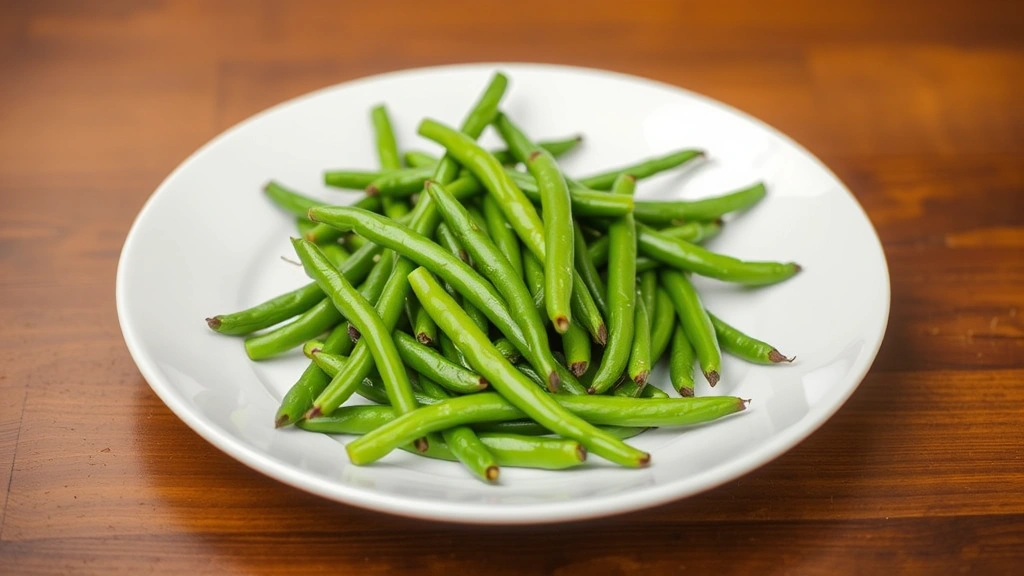
Sweet potatoes, carrots, and green beans are all dog-safe sides that pair well with plain turkey if you want to create a special meal. These alternatives give you peace of mind while still making your pup feel included in the festivities.
Turkey in Commercial Dog Foods vs. Fresh Turkey
Commercial dog foods that list turkey as an ingredient have been formulated to ensure proper nutrient balance and safety. Quality brands like Fromm and Merrick include turkey as a primary protein source, processed and balanced for canine nutrition. These are completely safe and provide consistent nutritional value.

Fresh turkey you’re preparing for yourself is different—it’s formulated for human taste preferences, not canine digestive systems. The seasoning, fat content, and preparation methods are all designed for people. This is why plain, unseasoned fresh turkey is only safe in small, carefully controlled amounts.
Holiday Feeding Guide: Turkey Edition
Thanksgiving and Christmas are when most turkey-related incidents happen. Here’s how to navigate holiday meals safely:
Before the meal: Let your dog eat their regular food first so they’re not starving and desperate for scraps. A satisfied dog is less likely to beg aggressively or steal food.
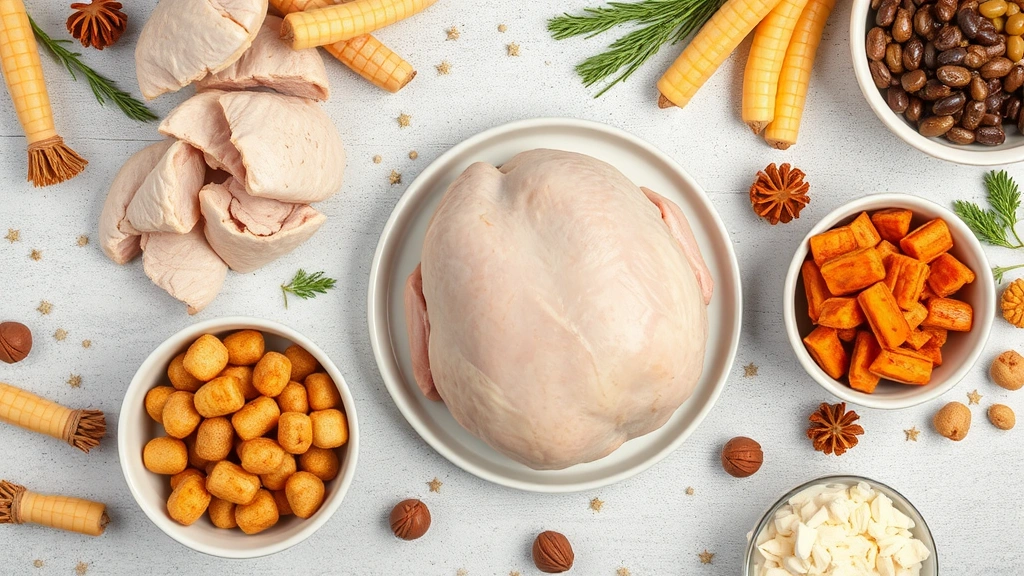
During the meal: Keep your dog in a separate room or confined space away from the table. Accidents happen, and it’s easier to prevent them than manage emergencies. If you want to include your pup, prepare a small portion of plain turkey ahead of time and serve it in their bowl separately.
After the meal: Clean up thoroughly. Turkey bones, skin, and seasoned meat scraps are incredibly tempting and dangerous. Don’t leave plates unattended where dogs can access them.
The next day: Stick to regular food. Your dog’s digestive system needs consistency, and holiday indulgences can cause upset stomach even if nothing toxic was consumed.
What to Do If Your Dog Eats Unsafe Turkey
If your dog consumes turkey skin, bones, or heavily seasoned meat, here’s your action plan:
Stay calm but act quickly. Panic helps no one. Determine exactly what your dog ate—how much, when, and what seasoning or preparation method was used.
Call your vet or pet poison control immediately. Have this information ready: your dog’s weight, age, health history, and the exact contents of what they consumed. Don’t assume it’s fine because your dog seems okay right now. Some conditions like pancreatitis develop over hours.

Follow professional guidance. Your vet may recommend monitoring at home, inducing vomiting, activated charcoal, or an emergency visit. Trust their expertise—they’ve seen the outcomes of these situations.
Document everything. Note any symptoms, when they appear, and their severity. This information helps your vet diagnose and treat effectively. Even if your dog seems fine initially, some toxicities develop gradually.
Nutritional Benefits of Turkey for Dogs (When Done Right)
Plain turkey provides legitimate nutritional value. It’s rich in B vitamins (especially niacin and B6) that support energy metabolism and nervous system function. Turkey contains selenium, which acts as a powerful antioxidant. The amino acid profile supports muscle maintenance, immune function, and tissue repair.
For dogs on limited-ingredient diets or those with chicken allergies, turkey can be an excellent alternative protein source. The digestibility is excellent, meaning your dog’s body can efficiently use the nutrients. This is why quality dog foods often feature turkey as a primary ingredient.
Frequently Asked Questions
Can dogs eat turkey every day?
No. Turkey should be an occasional treat, not a daily food. Daily turkey consumption can lead to nutritional imbalances by displacing their regular balanced diet, and excessive protein can stress kidneys in senior dogs. Stick to occasional portions mixed into regular food or as special treats.
Is turkey good for dogs with sensitive stomachs?
Plain, unseasoned turkey can actually be beneficial for dogs with sensitive stomachs because it’s highly digestible and lean. However, introduce it very slowly—just a teaspoon mixed into their regular food—and monitor for any digestive upset. If your dog has chronic digestive issues, consult your vet before adding anything new.
Can puppies eat turkey?
Yes, but in smaller portions. Puppies have developing digestive systems, so introduce turkey at 8 weeks or older, in tiny amounts (less than 1 ounce). Make sure it doesn’t interfere with their puppy food, which is specifically formulated for growth. Always consult your vet about introducing new foods to puppies.
What about ground turkey from the store?
Store-bought ground turkey is fine if it’s completely plain and unseasoned. However, many grocery store ground turkey products contain added seasonings, binders, or salt. Check the label carefully. If it’s 100% pure ground turkey with no additives, it’s safe in appropriate portions. When in doubt, ask the butcher counter for completely plain ground turkey.
Can dogs eat turkey lunch meat or deli meat?
No. Processed turkey products like lunch meat, deli turkey, and hot dogs are loaded with sodium, preservatives, and nitrates that are unhealthy for dogs. These can cause sodium ion poisoning and increase cancer risk with long-term consumption. Stick to fresh, plain turkey only.
Is turkey broth safe for dogs?
Homemade turkey broth made with just turkey and water (no seasoning, garlic, or onions) is safe and can even be beneficial. It adds flavor to regular food and provides hydration. However, store-bought broth often contains excessive salt and seasonings, so avoid commercial versions. If you make broth for yourself, set aside a plain portion for your dog before adding seasonings.
Summary: The Turkey Takeaway
So, should dogs eat turkey? Absolutely—but only the right kind, in the right amount, prepared the right way. Plain, unseasoned turkey breast (without skin or bones) is a nutritious, safe treat that most dogs enjoy. The key is understanding what makes turkey dangerous: seasoning, fat content, bones, and portion sizes.
This holiday season, your dog can absolutely be part of the celebration. Just keep the turkey plain, the portions small, and the bones completely off-limits. Your pup’s health is worth the extra effort of setting aside a little unseasoned turkey before you season yours. And if an accident happens, you now know exactly what to do.
Turkey can be part of a healthy diet for your dog—just make it a smart choice, not a risky one.





