
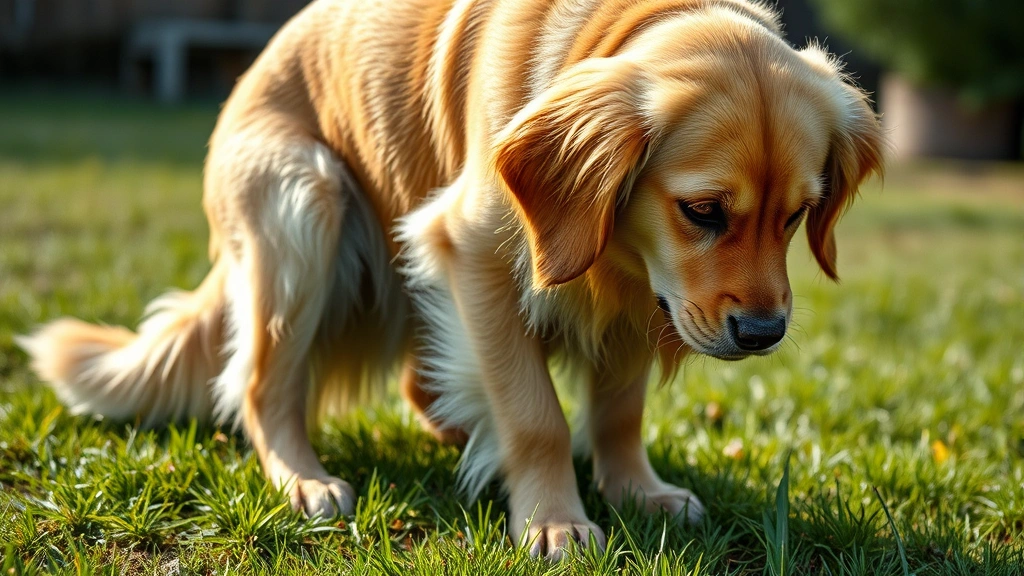
If you’ve noticed your female dog acting a bit off lately, constantly heading to the bathroom, or having accidents in the house, you might be dealing with signs of UTI in female dog situations. Urinary tract infections (UTIs) are more common in female dogs than their male counterparts, and they can make your pup seriously uncomfortable. Let’s dive into what you need to watch for and why it matters.
Table of Contents
- Why Female Dogs Are More Prone to UTIs
- Frequent Urination: The Most Obvious Red Flag
- Accidents in the House: Breaking the Housetrain
- Painful or Difficult Urination: The Struggle is Real
- Bloody or Cloudy Urine: What to Look For
- Behavioral Changes and Lethargy: The Mood Shift
- Fever and General Illness Signs: When It Gets Serious
- Incontinence in Older Female Dogs: Age Factor
- When to Call Your Vet: Don’t Delay
- Prevention Strategies: Keep UTIs at Bay
- Treatment Options: What to Expect
- Frequently Asked Questions
- Summary: Know These Warning Signs
Why Female Dogs Are More Prone to UTIs
Here’s the thing about female dog anatomy: they’re basically set up like a UTI welcome mat. Female dogs have shorter urethras than males, which means bacteria have a shorter journey to the bladder. It’s like leaving the front door unlocked instead of bolted shut. Additionally, the proximity of the urethral opening to the anus creates a perfect storm for bacterial contamination. Senior dogs, spayed females, and those with weakened immune systems face even higher risk. Understanding this helps explain why your girl might be more susceptible than your neighbor’s male Golden Retriever.
Frequent Urination: The Most Obvious Red Flag
The number one sign you’ll notice? Your dog needs to pee constantly. And I mean constantly. She’ll be asking to go outside every couple of hours, even if she just came in. During nighttime, she might wake you up multiple times demanding bathroom breaks. This happens because the infection irritates the bladder lining, making her feel like she needs to go even when there’s barely anything to pass. If your usually well-housetrained pup suddenly needs outdoor access like it’s her job, that’s a major red flag worth investigating.
Accidents in the House: Breaking the Housetrain
Nothing’s more frustrating than finding puddles in unexpected places from a dog you thought was fully housetrained. When a female dog develops a UTI, bladder control becomes nearly impossible. She’s not being naughty or spiteful—she literally can’t hold it. These accidents often happen at night when she’s sleeping, or when she’s anxious and can’t get outside quickly enough. If your adult dog suddenly starts having indoor accidents after months or years of perfect behavior, don’t get angry. Get her to a vet instead. This behavioral change is a classic warning sign that something’s medically wrong.
Painful or Difficult Urination: The Struggle is Real
Watch how your dog urinates. Does she seem uncomfortable? Is she straining or crying out while peeing? Some dogs will squat for longer than normal, clearly in discomfort. Others might yelp or whimper during the process. You might notice her posturing to urinate but only producing tiny amounts. This dysuria (painful urination) is caused by inflammation and irritation of the urethra and bladder. It’s basically like your dog experiencing the worst UTI feeling humans get, except she can’t tell you about it verbally. If bathroom time looks painful, that’s your cue to call the veterinary clinic.
Bloody or Cloudy Urine: What to Look For
Take a close look at your dog’s urine if you can. Healthy dog urine should be clear to pale yellow. If you notice blood in the urine (hematuria) or a cloudy, murky appearance, that’s a definite sign of urinary tract inflammation. Sometimes the blood is visible as pink or red tinges. Other times it’s microscopic and only shows up in a urinalysis. The cloudiness comes from white blood cells, bacteria, and cellular debris fighting the infection. You might also notice an unusually strong ammonia smell or other odd odors. These urine changes are your dog’s body literally showing you something’s wrong.
Behavioral Changes and Lethargy: The Mood Shift
Beyond the bathroom stuff, a dog with a UTI often acts differently overall. She might become lethargic, spending more time sleeping and less time playing. Her usual enthusiasm for walks or fetch might disappear. Some dogs become irritable or anxious, especially around their rear end. She might lick her genital area more frequently than normal, trying to soothe the discomfort. If your normally peppy pup suddenly seems depressed, tired, or grumpy without an obvious reason, consider a UTI as a possibility. Infections make everyone feel awful, and dogs are no exception.
Fever and General Illness Signs: When It Gets Serious
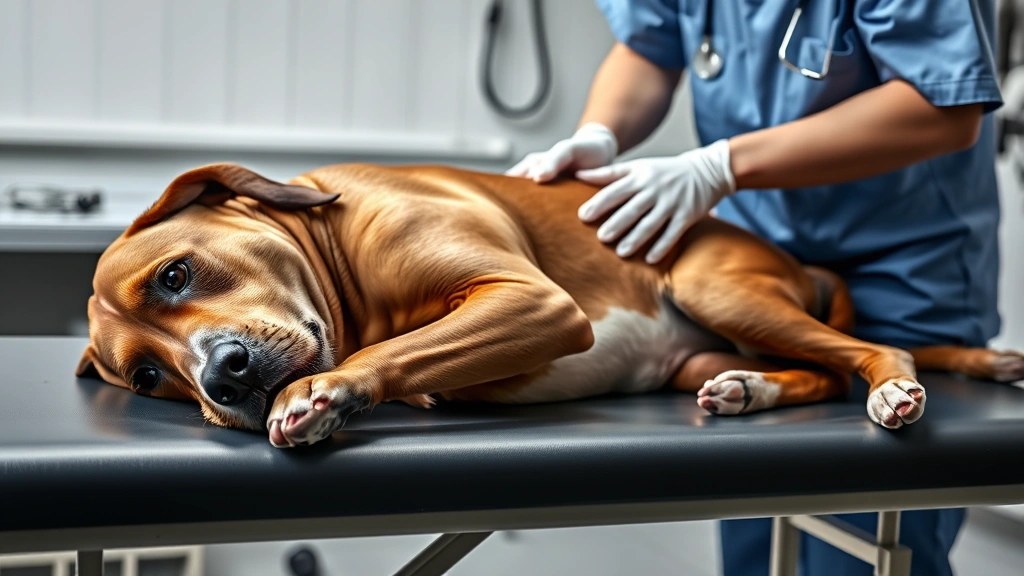
In more severe cases, particularly if the infection has progressed to the kidneys, you might notice fever symptoms. Your dog might feel warm to the touch, have reduced appetite, or show signs of general malaise. She might vomit or seem nauseous. These symptoms suggest the infection has become systemic and requires immediate veterinary attention. Don’t wait if you notice fever combined with other UTI signs. A professional veterinary evaluation becomes urgent in these situations. Left untreated, UTIs can progress to serious kidney infections or sepsis.
Incontinence in Older Female Dogs: Age Factor
Senior female dogs have a special vulnerability to UTIs and incontinence issues. As dogs age, their immune systems weaken and hormonal changes (especially in spayed females) can affect bladder control. An older girl might leak urine while sleeping or sitting, even without an active infection. However, UTIs are extremely common in senior dogs, so any change in urinary habits warrants investigation. The good news? UTIs are treatable, even in senior pups. Getting a diagnosis means getting relief for your aging companion.
When to Call Your Vet: Don’t Delay
You should contact your veterinarian if you notice any combination of these signs of UTI in female dog situations. Most vets will want to perform a urinalysis and possibly a urine culture to confirm the infection. They might also do bloodwork if they suspect the infection has spread. The sooner you get your dog evaluated, the sooner treatment can begin. UTIs are straightforward to diagnose and treat with antibiotics, so there’s no reason to let your pup suffer. If your dog shows fever, vomiting, or appears very ill, that’s an emergency requiring immediate care.
Prevention Strategies: Keep UTIs at Bay
While you can’t completely prevent UTIs, you can reduce the risk significantly. Ensure your dog has constant access to fresh, clean water—proper hydration helps flush the urinary system. Take her out frequently for bathroom breaks, especially before bedtime. Keep the genital area clean, particularly in dogs with longer hair or skin folds. Some dogs benefit from cranberry supplements, though research is mixed on effectiveness. Maintain good overall health through proper nutrition and regular exercise. If your dog has recurrent UTIs, discuss preventative strategies with your vet. Sometimes dietary changes or supplements can help reduce infection frequency.
Treatment Options: What to Expect
Once your vet confirms a UTI, treatment typically involves antibiotics prescribed for 7-14 days. It’s crucial to complete the entire course even if symptoms improve, because stopping early can lead to antibiotic-resistant bacteria. Your vet might recommend pain relief if your dog is particularly uncomfortable. For dogs with recurrent infections, your vet might suggest additional diagnostics to rule out underlying issues like bladder stones or anatomical abnormalities. Some cases require special diets or long-term management strategies. The key is following your vet’s recommendations completely and attending follow-up appointments.
Frequently Asked Questions
Can a UTI in a female dog go away on its own?
Unfortunately, no. While some very mild infections might theoretically resolve, the vast majority of UTIs require antibiotic treatment. Without antibiotics, the infection typically worsens, causing more discomfort and potentially spreading to the kidneys. Attempting home remedies alone while hoping the infection clears is risky and unfair to your dog. Antibiotics are inexpensive, widely available, and highly effective when prescribed by a veterinarian.

How long does it take for UTI symptoms to improve after starting antibiotics?
Most dogs show improvement within 3-5 days of starting antibiotics. Frequent urination might decrease, accidents might stop, and overall behavior usually improves. However, the full course of antibiotics (typically 7-14 days) must be completed to ensure complete infection elimination. Even if your dog seems better after a few days, stopping medication early can allow bacteria to regrow and develop antibiotic resistance.
Are there home remedies that work for dog UTIs?
While certain supplements like cranberry extract have mild supportive properties, they cannot replace veterinary treatment and antibiotics. Home remedies might support recovery alongside prescribed treatment, but they’re not substitutes for professional care. Always consult your vet before adding supplements, as some can interact with medications or cause other issues. Your dog needs antibiotics—that’s non-negotiable for a confirmed UTI.
Why does my dog keep getting UTIs?
Recurrent UTIs suggest an underlying issue. Possible causes include incomplete bladder emptying, anatomical abnormalities, bladder stones, diabetes, or other metabolic conditions. Some dogs are simply more prone to UTIs due to genetics or immune system factors. If your dog experiences more than one UTI per year, ask your vet about additional diagnostic testing. Identifying the root cause allows for targeted prevention strategies and better long-term management.
Can male dogs get UTIs too?
Yes, but much less frequently due to their longer urethras. When male dogs do develop UTIs, they’re often more serious because the longer urethra makes complete infection less likely but more severe when it occurs. Male dogs with UTIs might show similar signs like frequent urination and straining, but should be evaluated immediately as it’s less common and potentially more concerning.
Summary: Know These Warning Signs
Recognizing signs of UTI in female dog situations early makes treatment easier and your pup more comfortable. Watch for frequent urination, indoor accidents, painful urination, bloody or cloudy urine, behavioral changes, and lethargy. Female dogs are particularly vulnerable due to their anatomy, but UTIs are highly treatable with prompt veterinary care. Don’t ignore these warning signs or hope they’ll resolve on their own. A quick vet visit confirms the diagnosis and gets your girl on antibiotics fast. Your dog can’t tell you she’s in pain, so you need to recognize these physical signs and act on them. When in doubt, call your vet—they’d rather evaluate a healthy dog than miss a treatable infection. Your female dog deserves to feel comfortable and healthy, and catching UTIs early ensures exactly that.
For additional information about your dog’s health, check out our resources on liver disease in dogs and Lyme disease symptoms in dogs to understand other important health conditions. And if you’re considering any medications, learn about options like whether Pepto Bismol is good for dogs before administering anything without veterinary approval.





