

Sileo for dogs is a prescription medication that’s basically a lifesaver for pups who lose their minds during thunderstorms, fireworks, or any loud noise that sends them into panic mode. If your dog transforms into a shaking, panting mess whenever the sky rumbles or someone sets off firecrackers, you’re not alone—and there’s actually a legitimate pharmaceutical solution that works.
Table of Contents
- What Is Sileo and How Does It Work?
- Sileo for Dogs: Dosage and Administration
- When to Give Your Dog Sileo
- Side Effects and Safety Considerations
- Sileo vs. Other Anxiety Solutions for Dogs
- Cost and Insurance Coverage
- Training and Behavior Modification Alongside Sileo
- Real-World Success Stories
- Important Precautions and Vet Consultation
- Long-Term Management Strategies
- Frequently Asked Questions
- Conclusion: Is Sileo Right for Your Dog?
What Is Sileo and How Does It Work?
Sileo is an FDA-approved medication specifically designed to treat noise aversion in dogs. The active ingredient is dexmedetomidine, an alpha-2 adrenergic agonist that calms the central nervous system without putting your dog completely to sleep. Think of it as a chill pill that takes the edge off without making Fido a zombie.
When your dog hears a scary noise, their body goes into fight-or-flight mode. Sileo basically tells their brain, “Hey, relax—that’s not actually a threat.” It works by reducing anxiety signals and promoting a state of calm alertness. Your dog stays conscious and aware but feels way less freaked out about the whole situation.
Sileo for Dogs: Dosage and Administration
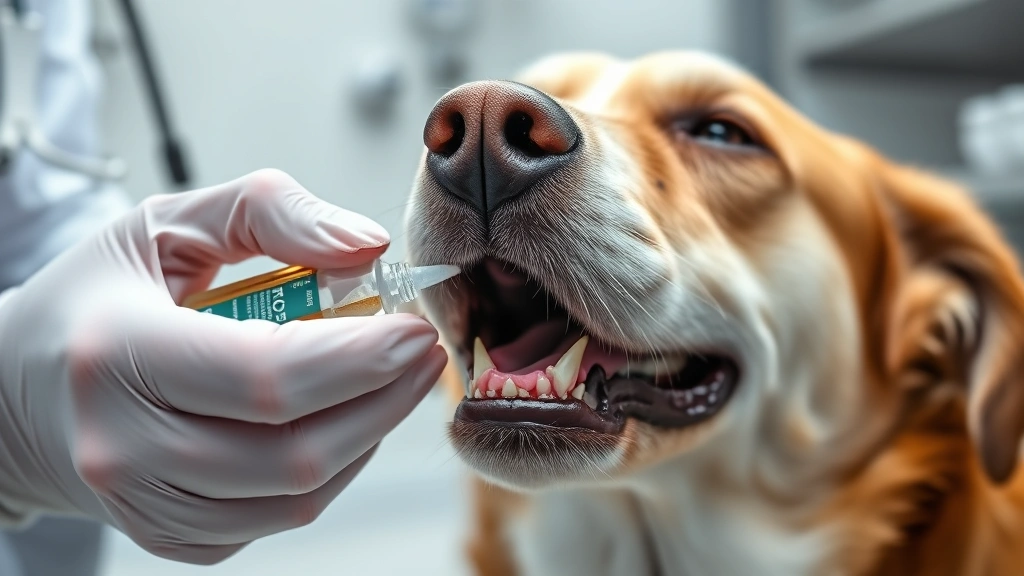
Sileo comes as an oral gel that you apply to your dog’s gums. The dosage is based on your dog’s weight, and it typically starts working within 30 minutes to an hour. Your vet will prescribe the exact amount, but generally, it’s given once daily during periods when noise anxiety is expected.
The gel formulation is actually pretty convenient—no pills to hide in peanut butter or cheese. You just lift your dog’s lip, apply the gel to the gums, and you’re done. Most dogs tolerate it well, though some might not love the taste (can you blame them?).
When to Give Your Dog Sileo
The best time to administer Sileo is about 30 minutes before you expect the noise to happen. If you know fireworks are coming on the Fourth of July or a thunderstorm is rolling in, you’ve got a window to get ahead of the anxiety. During peak anxiety seasons like summer (hello, fireworks and thunderstorms), your vet might recommend using it more frequently.
Pro tip: Mark your calendar for predictable noise events. If your dog freaks out every time the garbage truck comes by on Tuesday mornings, you know exactly when to give the medication.
Side Effects and Safety Considerations
Like any medication, Sileo comes with potential side effects. The most common ones include:
- Drowsiness or sedation
- Drooling
- Mild vomiting
- Temporary drop in heart rate
- Pale gums (usually temporary)
Most side effects are mild and temporary. However, Sileo isn’t appropriate for every dog. Dogs with certain heart conditions, liver disease, or those taking specific medications might not be good candidates. This is why a vet consultation is absolutely essential before starting treatment.
Your vet will check your dog’s health history and potentially run bloodwork to ensure Sileo is safe for your specific pup. Don’t skip this step—it’s not just bureaucratic nonsense.
Sileo vs. Other Anxiety Solutions for Dogs
Sileo isn’t the only option for noise-anxious dogs. Some pet parents explore alternatives like alternatives to Apoquel for dogs, though that medication targets different issues. Other options include:
- Trazodone: An antidepressant that helps with anxiety
- Alprazolam: A benzodiazepine for short-term anxiety relief
- Fluoxetine: An SSRI for long-term anxiety management
- Behavior modification: Training and desensitization techniques
- Anxiety wraps and pheromone products: Non-pharmaceutical options
Sileo has a specific advantage: it’s designed specifically for noise aversion and works quickly without the long-term commitment of daily medications. For acute, predictable anxiety episodes, it’s often the go-to choice.
Cost and Insurance Coverage
Sileo isn’t cheap. A prescription can run anywhere from $50 to $150 depending on your dog’s weight and your pharmacy. Most pet insurance plans don’t cover it since it’s considered a behavioral medication, but it’s worth asking your provider.
Compare prices across different pharmacies—sometimes veterinary pharmacies are pricier than human pharmacies that fill pet prescriptions. GoodRx and similar discount programs occasionally have coupons for Sileo as well.
Training and Behavior Modification Alongside Sileo
Sileo works best when combined with behavior modification strategies. While the medication takes the edge off anxiety, training helps your dog build confidence and resilience. Consider working with a certified dog trainer or veterinary behaviorist to develop a comprehensive plan.
Desensitization—gradually exposing your dog to noise at low volumes—can help reduce anxiety over time. Counterconditioning (pairing scary noises with positive experiences like treats) also helps rewire your dog’s emotional response. Check out our guide on is my dog happy to understand your dog’s emotional baseline and how to improve overall well-being.
Real-World Success Stories
Plenty of dog owners swear by Sileo. One common story: a Golden Retriever who would literally try to break through walls during thunderstorms started staying calm and collected after a single dose. Another: a Chihuahua who shook uncontrollably during fireworks was able to nap peacefully on the couch.
The key is that these dogs weren’t sedated into oblivion—they were just calm enough to function normally and not suffer through the anxiety. That’s the whole point.
Important Precautions and Vet Consultation
Never, ever give Sileo without a veterinary prescription. This isn’t a supplement you can buy online or borrow from a friend. Your vet needs to evaluate your individual dog’s health, review medications, and determine the appropriate dose.
Additionally, if your dog has underlying health issues like heart disease, kidney problems, or liver dysfunction, Sileo might not be appropriate. Pregnant or nursing dogs shouldn’t receive it. Always disclose your dog’s complete medical history to your vet.
For additional health concerns, check out our article on my dog has diarrhea but is acting fine to understand when seemingly minor symptoms need veterinary attention.
Long-Term Management Strategies
If your dog needs Sileo multiple times per week or throughout noise season, discuss long-term anxiety management with your vet. Some dogs benefit from daily anti-anxiety medications like fluoxetine or sertraline that build up in their system over time, reducing overall anxiety levels.
Others do better with Sileo used as-needed combined with environmental modifications like:

- Creating a safe space (basement, interior room, crate)
- Using white noise or calming music
- Installing soundproofing materials
- Keeping windows closed during storms
- Using anxiety wraps or weighted blankets
A multi-pronged approach usually works best.
Frequently Asked Questions
How long does Sileo take to work?
Sileo typically begins working within 30 minutes to an hour after application. Peak effects usually occur around 1-2 hours post-administration. This is why timing your dose about 30 minutes before expected noise is ideal.
Can I use Sileo every day?
Sileo is approved for occasional use during noise events, not daily long-term use. If your dog needs anxiety relief multiple times weekly, discuss alternative or complementary treatment options with your vet. Daily medications might be more appropriate for chronic anxiety.
Is Sileo safe for senior dogs?
Senior dogs can receive Sileo, but they require careful monitoring. Older dogs often have underlying health conditions that might complicate medication use. Your vet will need to evaluate your senior dog’s kidney and liver function before prescribing. Also, check out our complementary resource on is epsom salt safe for dogs when considering overall wellness for aging pups.
What if Sileo doesn’t work for my dog?
Not every dog responds equally to Sileo. If it doesn’t provide adequate relief, your vet can adjust the dose, try alternative medications, or recommend behavioral interventions. Sometimes a combination approach works better than medication alone.
Can I use Sileo with other medications?
Drug interactions are possible, which is why your vet needs a complete list of all medications and supplements your dog takes. Never combine Sileo with other sedatives or certain pain medications without veterinary approval.
Is Sileo the same as acepromazine?
No. While both are sedating, they work differently. Acepromazine is an older, more general sedative that can cause side effects like low blood pressure. Sileo is specifically formulated for noise anxiety and has a more targeted mechanism of action.
Conclusion: Is Sileo Right for Your Dog?
Sileo for dogs represents a real, evidence-based solution for noise anxiety. If your dog suffers during thunderstorms, fireworks, or other predictable loud events, it’s absolutely worth discussing with your veterinarian. The medication is FDA-approved, specifically designed for this purpose, and has helped countless dogs live more comfortably.
That said, Sileo works best as part of a comprehensive anxiety management plan that includes behavior modification, environmental modifications, and sometimes additional medications for chronic anxiety. Every dog is unique, and what works brilliantly for one pup might need adjustment for another.
The bottom line: Don’t let your dog suffer through noise anxiety when effective treatments exist. Schedule a vet appointment, discuss your dog’s specific situation, and explore whether Sileo could help your furry friend feel calmer and happier during those stressful noise events. Your anxious pup will thank you.





