
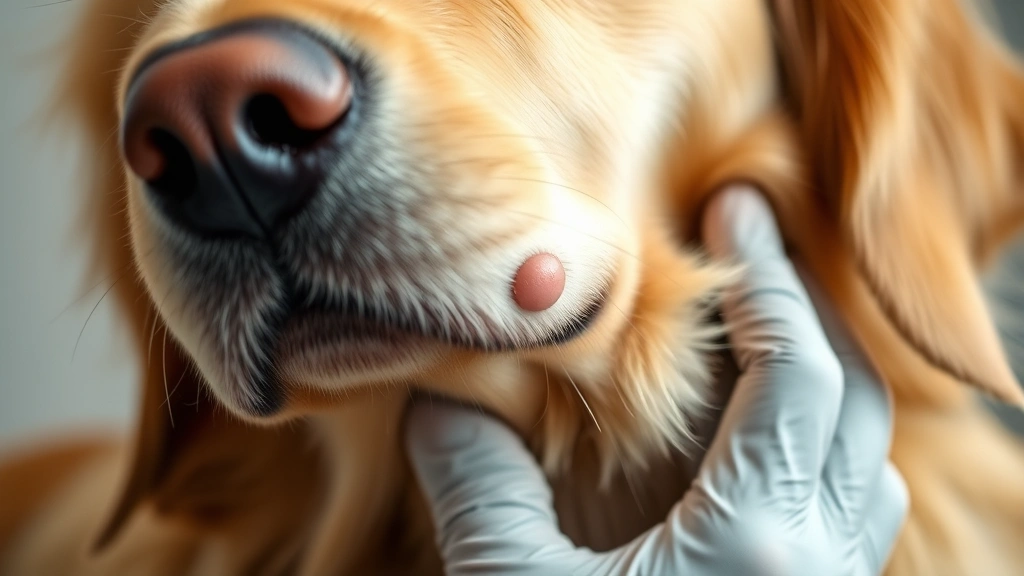
A skin tag on dog skin is one of those things that makes you do a double-take during belly rub time. You’re petting your furry friend, and suddenly your fingers catch on this weird little growth that definitely wasn’t there before. Don’t panic—you’re not alone, and your pup probably isn’t in danger. But let’s talk about what these things actually are, why dogs get them, and what you can actually do about them.
Table of Contents
- What Exactly Is a Skin Tag on Your Dog?
- Why Do Dogs Get Skin Tags Anyway?
- How to Tell If It’s Actually a Skin Tag
- Method 1: The Vet Removal (The Gold Standard)
- Method 2: Topical Skin Tag Removal Products
- Method 3: Apple Cider Vinegar (The Home Remedy Classic)
- Method 4: Ligation (Cutting Off the Blood Supply)
- Method 5: Just Leave It Alone (The Patient Approach)
- When You Should Definitely Worry and Call Your Vet
- Prevention: Can You Stop Skin Tags Before They Start?
- The Cost Factor: What Will Removal Actually Cost You?
- Frequently Asked Questions
- Final Thoughts: Your Skin Tag Action Plan
What Exactly Is a Skin Tag on Your Dog?
A skin tag on a dog is basically a small, benign growth that hangs off the skin like a tiny, unwanted accessory. Veterinarians call these things acrochordons (fancy word alert!), and they’re essentially harmless little flesh-colored or slightly pigmented bumps that dangle from the skin surface. Think of them as your dog’s version of the annoying skin tags humans get, except your dog probably doesn’t care nearly as much about their appearance.
These growths are usually soft, moveable, and completely painless unless your dog keeps scratching at them or they get caught on something. Most skin tags are just cosmetic nuisances, not medical emergencies. However, it’s important to distinguish between an actual skin tag and other skin conditions like mange on dogs, which require immediate attention.
Why Do Dogs Get Skin Tags Anyway?
The million-dollar question: why does your dog suddenly look like they’re growing tiny flesh barnacles? Skin tags appear to be related to friction and age. Older dogs are more prone to developing them, especially in areas where skin rubs together—like armpits, neck folds, and groin areas. It’s like their skin is basically saying, “Hey, all this rubbing is annoying, let me make a little growth to commemorate it.”
Overweight dogs also tend to develop more skin tags because, well, more skin folds mean more friction. Certain breeds seem predisposed to them too, though any dog can develop a skin tag regardless of breed or size. The good news? They’re not contagious, they’re not cancerous (in the vast majority of cases), and they’re definitely not a sign that you’re doing anything wrong as a pet parent.
How to Tell If It’s Actually a Skin Tag
Before you start planning removal methods, make absolutely sure you’re dealing with a skin tag and not something more serious. A true skin tag on a dog will have these characteristics: it’s soft and fleshy, it’s connected to the skin by a thin stalk, it doesn’t seem to bother your dog (unless they’re licking it raw), and it’s typically flesh-colored or slightly darker.
Red flags that you need a vet visit immediately: if the growth is bleeding, oozing, growing rapidly, changing color, or if your dog is constantly licking or chewing at it. These could indicate something more serious than a simple skin tag. Your vet can perform a quick examination or even a biopsy if they’re concerned about anything unusual.
Method 1: The Vet Removal (The Gold Standard)
Let’s be real—if you want a skin tag removed, your veterinarian is your best bet. They can remove it safely using several techniques: surgical excision (literally cutting it off), cryotherapy (freezing it off), or cauterization (burning it off with a special tool). Yeah, it sounds intense, but vets do this all day and your dog will be fine.
The advantage of vet removal is that they can also send the tissue to a lab for analysis if there’s any doubt about what it is. Plus, they’ll handle any bleeding and make sure the area is properly cleaned and treated. The downside? It costs money and requires a vet visit. But if you’re worried at all, this is the way to go. Your vet might recommend sedation or even general anesthesia depending on the size and location of the tag.
Method 2: Topical Skin Tag Removal Products
There are over-the-counter products marketed specifically for removing skin tags on dogs. These typically contain ingredients like tea tree oil, salicylic acid, or other botanical extracts that supposedly cause the skin tag to dry up and fall off. Some pet parents swear by them, while others say they’re a complete waste of money.
The reality? Results are mixed and highly variable. Some products might work on smaller, less stubborn tags, while others do absolutely nothing. The main risk is that you might irritate your dog’s skin or cause them to lick the area excessively, which could lead to infection. If you go this route, make sure the product is specifically formulated for dogs and follow the instructions carefully. Never use human skin tag removal products on your dog—they could be toxic.
Method 3: Apple Cider Vinegar (The Home Remedy Classic)
Apple cider vinegar has become the darling of natural pet remedies, and some people claim it can help shrink or remove skin tags. The theory is that the acidity breaks down the tissue. To use this method, you’d soak a cotton ball in apple cider vinegar and apply it to the skin tag several times daily, securing it with a bandage if possible.

Here’s the honest truth: there’s no scientific evidence that apple cider vinegar actually works on skin tags. That said, it’s not going to hurt your dog (unless they have sensitive skin), and it’s cheap to try. The biggest challenge is keeping your dog from licking it off, which they absolutely will try to do because it smells weird. If you attempt this method, monitor the area closely for any signs of irritation.
Method 4: Ligation (Cutting Off the Blood Supply)
This method involves tying off the base of the skin tag with a special thread or band to cut off its blood supply. Eventually, the tag should dry up and fall off. Some vets will do this, and some pet owners attempt it at home with varying degrees of success.
The problem with DIY ligation? It’s easy to mess up. If you don’t tie it tightly enough, it won’t work. If you tie it too tightly, you could cause pain or infection. There’s also a risk of the tag becoming infected or causing complications. This is definitely a “ask your vet first” situation. If your vet is willing to show you how to do it properly, that’s one thing. But attempting it blind is risky.
Method 5: Just Leave It Alone (The Patient Approach)
Here’s a method that might surprise you: doing nothing. Many vets recommend simply monitoring the skin tag and leaving it alone unless it’s causing problems. Since most skin tags are benign and don’t bother dogs, there’s literally no medical reason to remove them. Your dog doesn’t care about their appearance, and neither should you.
This approach makes sense if the skin tag is small, not bothering your dog, and not in a location where it could get caught on things. Save your money, skip the stress of a vet visit, and just check on it occasionally to make sure it’s not changing. If it ever becomes a problem—if your dog starts licking it raw, if it gets infected, or if it grows rapidly—then you can revisit removal options.
When You Should Definitely Worry and Call Your Vet
While most skin tags are harmless, there are situations where you absolutely need professional help. Call your vet immediately if: the growth is bleeding or oozing pus, your dog is obsessively licking or chewing at it, the skin tag is growing rapidly, it’s changing color or texture, or if you notice any swelling or redness around it.
Additionally, if your dog seems lethargic or unwell alongside a skin growth, that’s worth investigating. Lethargy in dogs combined with skin changes could indicate something systemic. Also, if the growth is in a location where it’s constantly getting rubbed or caught (like on the collar line), removal might be necessary to prevent infection or irritation.
Prevention: Can You Stop Skin Tags Before They Start?
Unfortunately, you can’t completely prevent skin tags since they’re largely related to age and genetics. However, you can reduce the likelihood by maintaining a healthy weight for your dog, keeping skin folds clean and dry (especially in wrinkly breeds), and using high-quality collars that fit properly to minimize neck friction.
Regular grooming and skin checks also help you catch any changes early. Plus, keeping your dog’s skin healthy with a good diet and proper hydration never hurts. Think of it as preventative maintenance for your pup’s largest organ.
The Cost Factor: What Will Removal Actually Cost You?
Vet removal typically costs between $200-$500 depending on the size and number of tags, your location, and whether anesthesia is needed. Over-the-counter products run $15-$50. Home remedies like apple cider vinegar are basically free. So if budget is a concern and the skin tag isn’t causing problems, you’ve got options.
That said, if you’re worried it might be something other than a benign skin tag, the vet visit is worth the money for peace of mind. A quick examination costs way less than potential complications from an untreated condition.

Frequently Asked Questions
Are skin tags on dogs cancerous?
In the vast majority of cases, no. Skin tags are benign growths and are not cancerous. However, if you’re concerned about any growth on your dog’s skin, your vet can perform a biopsy to confirm. It’s always better to be safe and get a professional opinion if you’re worried.
Can I remove my dog’s skin tag at home?
While some people do attempt home removal using methods like apple cider vinegar or ligation, it’s not recommended. The safest approach is having a veterinarian handle it. If you try at home, you risk infection, improper removal, or causing your dog pain. When in doubt, let the professionals handle it.
Do skin tags hurt dogs?
Skin tags themselves don’t hurt. However, if your dog is constantly licking or chewing at one, they can cause it to become infected or irritated, which then becomes painful. If your dog is leaving the skin tag alone, it’s not causing them any discomfort.
How fast do skin tags grow on dogs?
Most skin tags grow slowly or not at all. If you notice a growth that’s rapidly expanding, changing appearance, or becoming inflamed, that’s a reason to call your vet. Rapid growth could indicate something other than a benign skin tag.
Is it normal for older dogs to get skin tags?
Absolutely. Skin tags are more common in senior dogs because skin changes are a natural part of aging. If your older dog suddenly develops several skin tags, that’s completely normal and nothing to worry about. Just monitor them to make sure they’re not causing problems.
What’s the difference between a skin tag and a wart on a dog?
Skin tags are smooth, soft, and hang from the skin. Warts are usually rougher, more raised, and don’t have a thin stalk. Warts are also caused by a virus and can be contagious between dogs. If you’re unsure which one your dog has, your vet can tell you in seconds.
Should I use Neosporin on a skin tag my dog keeps licking?
If your dog is licking a skin tag and causing irritation, you could apply a pet-safe antibiotic ointment like Neosporin safe for dogs to prevent infection. However, you’ll also need to prevent your dog from continuing to lick it, probably with a cone or by keeping them from accessing it. Better yet, have your vet remove it if it’s becoming a problem.
Final Thoughts: Your Skin Tag Action Plan
Here’s the bottom line on dealing with a skin tag on your dog: assess whether it’s actually a problem. Is it bothering your dog? Is it growing? Is it infected? If the answer to all these questions is no, you can safely ignore it. Your dog certainly doesn’t care about it, and neither should you.
If the skin tag is causing issues—whether it’s being licked raw, getting caught on things, or you’re just genuinely concerned about it—then schedule a vet visit. They can confirm it’s harmless and discuss removal options if you want them. The good news is that skin tags are one of the least serious skin issues your dog could develop. You’re not dealing with mange on dogs or anything actually dangerous.
Keep an eye on any skin changes, maintain your dog’s overall health through diet and exercise, and don’t stress about the small stuff. Your pup is probably perfectly fine, and that weird little growth is just their body being its quirky self. Welcome to dog ownership, where sometimes the weirdest things are completely normal.





