
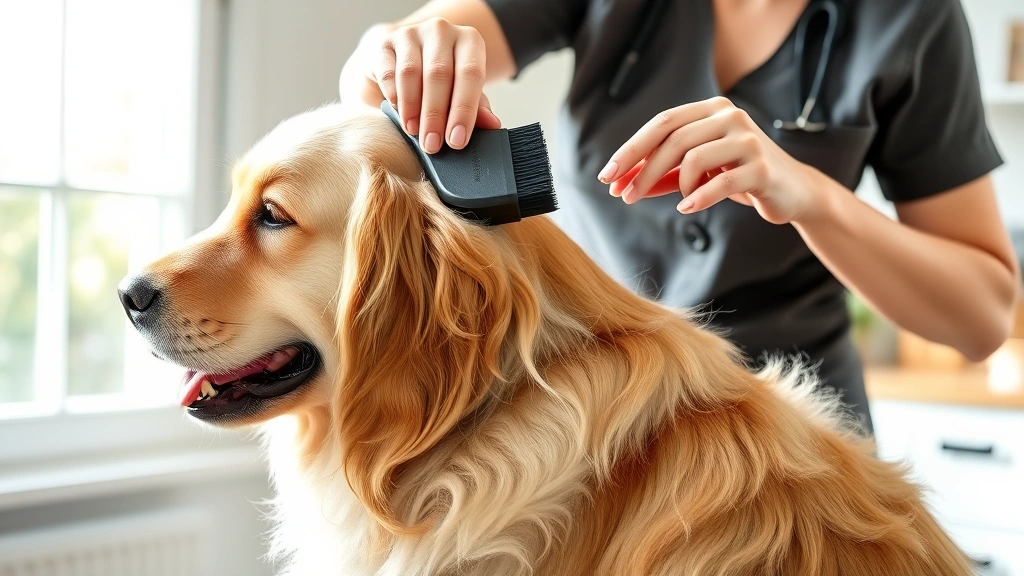
A slicker brush for dogs is your secret weapon against matted fur, tangles, and the dreaded “doodle fluff” that turns your pup into a walking cotton ball. Whether you’ve got a fluffy Golden Retriever, a curly-haired Poodle mix, or a majestic Maremma Sheepdog, the right slicker brush can transform grooming from a wrestling match into a bonding experience.
Table of Contents
- What Exactly Is a Slicker Brush?
- Why Your Dog Needs a Slicker Brush (Seriously)
- Best Slicker Brush Picks for Different Dog Types
- The Slicker Brush vs. Other Grooming Tools
- How to Use a Slicker Brush Without Torturing Your Dog
- Grooming Long-Haired and Double-Coated Dogs
- Maintenance: Keeping Your Slicker Brush in Top Shape
- Budget vs. Premium: What’s Really Worth the Money?
- Common Mistakes People Make with Slicker Brushes
- Grooming as Bonding Time
- Professional Grooming: When to Call in the Experts
- Frequently Asked Questions
- Wrapping It Up: Your Dog’s Coat Will Thank You
What Exactly Is a Slicker Brush?
Let’s start with the basics. A slicker brush isn’t just any brush you grab from the pet store shelf. It’s a specialized grooming tool featuring a flat, rectangular head packed with short, tightly-spaced wires close together on a metal surface. Think of it as the precision surgeon of the dog grooming world. Unlike a pin brush or a comb, a slicker brush reaches deep into your dog’s undercoat, where mats and tangles love to hide and throw a party.
The dense wire configuration makes it perfect for dogs with medium to long coats, especially those prone to matting. If you’ve ever dealt with a matted dog coat, you know the struggle is real—and a quality slicker brush is absolutely worth the investment.
Why Your Dog Needs a Slicker Brush (Seriously)
Here’s the thing: grooming isn’t just about making your pup look Instagram-ready (though that’s a nice bonus). Regular brushing with a slicker brush prevents painful mats that can trap moisture, cause skin infections, and make your dog genuinely uncomfortable. It’s like the difference between a relaxing massage and someone yanking your hair—your dog notices.
Regular brushing also distributes natural oils throughout your dog’s coat, reduces shedding around your house, and gives you a chance to spot any skin issues early. Plus, most dogs actually enjoy the sensation once they get used to it. Who doesn’t love a good spa day?
Best Slicker Brush Picks for Different Dog Types
Not all slicker brushes are created equal. The best one for your Lab and Husky mix might be completely wrong for a tiny Maltese. Here’s what to look for:
For Large, Long-Haired Breeds: You’ll want a larger slicker brush with a bigger surface area. Brands like Chris Christensen and Artero make professional-grade options that won’t wear out your hand after ten minutes of brushing. These are investment pieces, but they last years.
For Curly and Doodle Coats: Goldendoodles, Labradoodles, and other doodle mixes need slicker brushes with slightly longer wires to penetrate that dense, curly coat. Look for brushes specifically marketed for these coat types.
For Small Breeds: Smaller dogs need smaller slicker brushes with finer, closer-together wires. A full-size brush on a Shih Tzu is like trying to paint with a broom.
The Slicker Brush vs. Other Grooming Tools
You might be wondering: “Can’t I just use a regular comb?” Sure, if you enjoy spending three hours on grooming day. A slicker brush is faster and more effective at removing mats than a comb, but it’s not the only tool in your grooming arsenal. Many groomers recommend using a slicker brush first to remove tangles, then following up with a metal comb to catch anything you missed. It’s the one-two punch of grooming excellence.
Pin brushes are gentler but less effective on stubborn mats. Undercoat rakes are great for shedding seasons but won’t do much for tangles. A quality slicker brush does it all.
How to Use a Slicker Brush Without Torturing Your Dog
Technique matters. Here’s the pro move: brush in the direction of hair growth, using gentle, short strokes. Don’t press down hard—let the wires do the work. Start at the outer coat and work your way in, checking for mats as you go. If you hit a mat, don’t yank. Instead, gently work through it with the brush or use a mat splitter first.
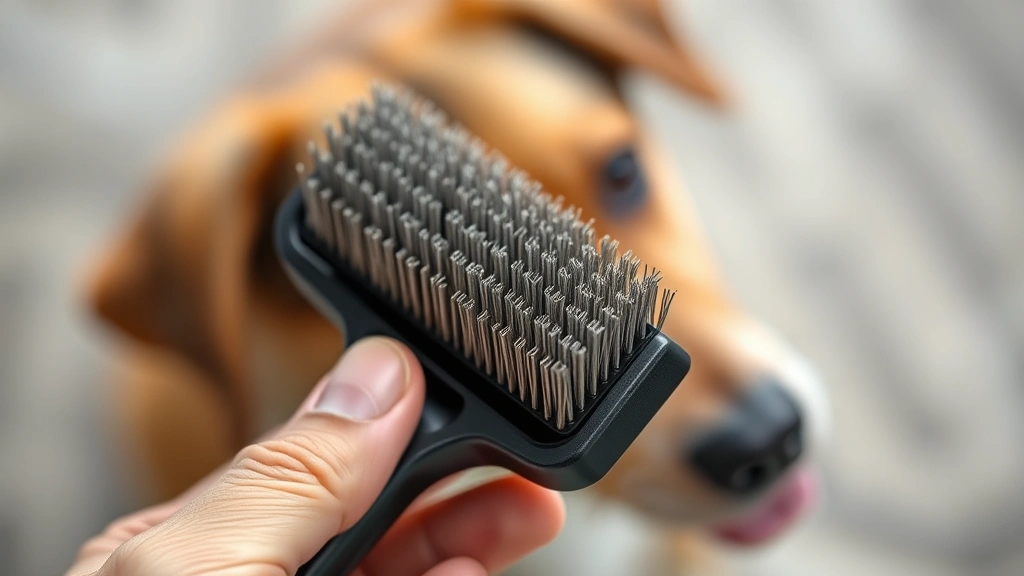
Make it a positive experience. Brush for short sessions, give treats, and stop before your dog gets frustrated. A dog that associates the slicker brush with good things is way more cooperative than one who sees it coming and runs.
Grooming Long-Haired and Double-Coated Dogs
If you own a Mini Bernese Mountain Dog or similar double-coated breed, a slicker brush is non-negotiable. These dogs have an undercoat that sheds like it’s going out of business, and a slicker brush is the only way to stay ahead of the fur tsunami. During shedding season, you might brush your dog every other day and still find tumbleweeds of fur rolling through your house.
Pro tip: brush your dog outside during heavy shedding seasons. You’ll thank yourself later.
Maintenance: Keeping Your Slicker Brush in Top Shape
A slicker brush is an investment, so treat it like one. After each use, remove trapped hair and debris. For stubborn buildup, soak the brush head in warm soapy water for a few minutes, then gently clean between the wires with an old toothbrush. Let it air dry completely before storing. A well-maintained brush lasts years; a neglected one gets gross and loses effectiveness fast.
Budget vs. Premium: What’s Really Worth the Money?
You can find slicker brushes for $10 and ones for $50+. The difference? Durability, wire quality, and ergonomics. Cheap brushes often have wires that bend or break easily, making them frustrating to use. Premium brushes from brands like Chris Christensen, Artero, and Oster have better wire construction and more comfortable handles.
That said, you don’t need to drop $60 on your first brush. A mid-range option ($20-30) from a reputable brand is a solid sweet spot for most pet owners. Save the professional-grade brushes for when you really know what you’re doing.
Common Mistakes People Make with Slicker Brushes
Mistake #1: Waiting until mats are huge before brushing. Small tangles take 30 seconds to remove; massive mats take 30 minutes and hurt your dog. Brush regularly.
Mistake #2: Brushing a wet or damp coat. This actually makes matting worse. Always brush on dry or nearly-dry coats.
Mistake #3: Using too much pressure. You’re not trying to sand your dog down. Light, gentle strokes are way more effective.
Mistake #4: Ignoring the undercoat. The undercoat is where mats hide. Brush all the way to the skin (gently), not just the top layer.
Grooming as Bonding Time
Here’s something groomers and vets know that many pet owners don’t: regular grooming is bonding time. Your dog learns to trust you, you get hands-on time to check their health, and you both benefit from the calm, focused interaction. It’s like meditation, except your meditation buddy has four legs and occasionally tries to eat the brush.
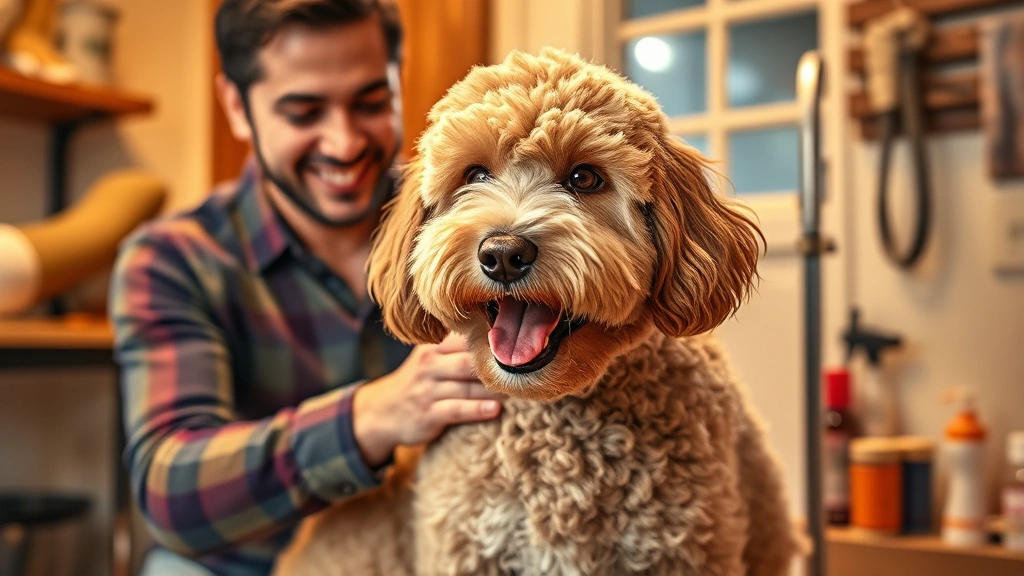
Consider grooming a weekly ritual. Put on some music, grab your slicker brush and maybe a Kong Extreme Dog Toy for rewards, and make it special. Your dog will start to look forward to it, and you’ll actually enjoy it too.
Professional Grooming: When to Call in the Experts
Even with the best slicker brush, some situations call for professional groomers. Severely matted coats, anxious dogs, and certain breeds with specific grooming requirements are better left to the pros. A professional groomer has industrial-strength tools and years of experience dealing with every matting scenario imaginable. Think of them as the emergency room doctors of dog grooming.
That said, regular home brushing with a slicker brush can prevent most situations from ever getting that bad. Consistency is key.
Frequently Asked Questions
What’s the difference between a slicker brush and a pin brush?
A slicker brush has short, tightly-packed wires on a flat surface, making it better for mats and tangles. A pin brush has longer, more spaced-out wires and is gentler but less effective on stubborn mats. Slicker brushes are better for prevention and heavy-duty matting; pin brushes are better for gentle daily maintenance.
Can I use a slicker brush on short-haired dogs?
Technically yes, but it’s overkill. Short-haired dogs benefit more from a rubber grooming mitt or a soft brush. A slicker brush is designed for longer coats and undercoats. Using one on a short-haired dog is like using a chainsaw to cut butter—it works, but it’s not necessary.
How often should I brush my dog with a slicker brush?
For long-haired or double-coated dogs, aim for 2-3 times per week at minimum. During shedding season, daily brushing is ideal. Short-haired dogs can get by with once a week or less. The more you brush, the fewer mats you’ll deal with—it’s basic math.
My dog hates the slicker brush. What do I do?
Start slow. Let them sniff it, touch it, and get comfortable with it before you actually brush. Use high-value treats, keep sessions short, and never force it. Some dogs need a few weeks to warm up to grooming. Patience wins.
Are expensive slicker brushes really better?
Generally yes, but not always. A $25-30 brush from a reputable brand often outperforms a $10 cheapo, but you don’t need a $60 professional brush unless you’re grooming multiple dogs regularly. Read reviews and find the sweet spot for your needs.
Wrapping It Up: Your Dog’s Coat Will Thank You
A quality slicker brush for dogs is one of those unglamorous purchases that makes a massive difference in your pet’s comfort and health. It prevents painful mats, reduces shedding, and turns grooming into bonding time instead of a battle. Whether you’ve got a fluffy family friend or a high-maintenance doodle mix, investing in the right brush and learning proper technique will pay dividends for years.
Start with a mid-range brush from a trusted brand, learn the proper technique, and commit to regular brushing. Your dog’s coat—and your sanity during shedding season—will thank you. Plus, you’ll avoid the dreaded “matted mess” that requires a professional groomer’s intervention and costs way more than a brush ever would.
Now stop reading and go brush your pup. They’re probably waiting by the door, hoping you’ll finally understand that they need this as much as you need coffee in the morning.





