
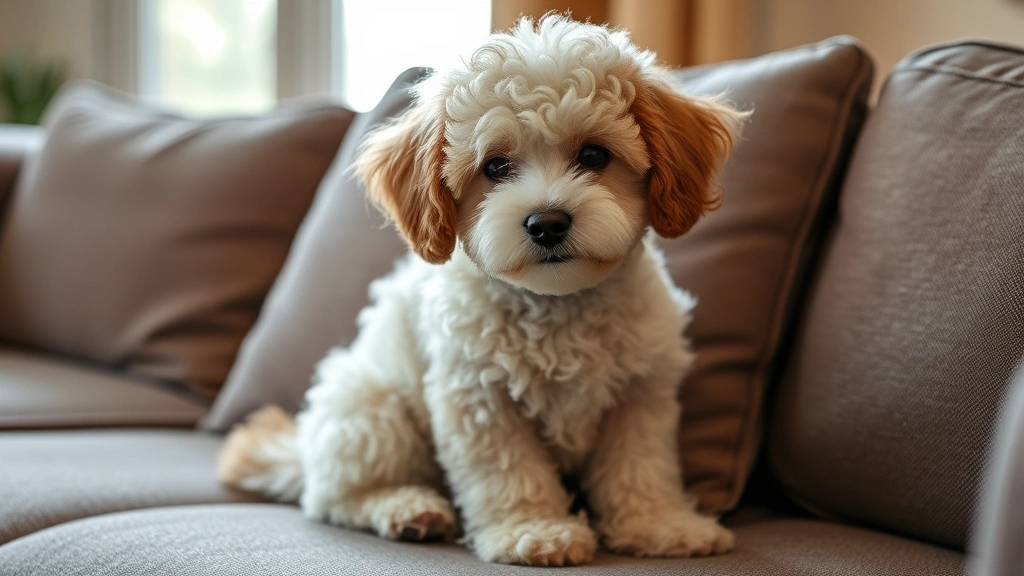
If you’re hunting for small dog breeds that don’t shed, you’ve probably already vacuumed your couch approximately 47 times while dreaming of a fur-free future. The good news? Hypoallergenic small dogs absolutely exist, and they’re adorable little furballs that won’t leave your furniture looking like it’s wearing a fur coat. Let’s dive into the best low-shedding small dog breeds that’ll make your life (and your allergies) infinitely happier.
Table of Contents
- What Does “Non-Shedding” Really Mean?
- The Poodle: The Shedding-Free Royalty
- The Maltese: Silky Smooth Companions
- The Bichon Frise: Fluffy Without the Mess
- The Shih Tzu: The Regal Non-Shedder
- The Yorkshire Terrier: Tiny Terrier Energy
- The Havanese: The Velcro Dog
- The Affenpinscher: The Monkey-Faced Charmer
- The Lhasa Apso: The Tibetan Guardian
- The Schnauzer (Miniature): The Intelligent Guardian
- The Coton de Tulear: The Royal Companion
- Grooming Requirements for Low-Shedding Small Dogs
- Health Considerations for Small Non-Shedding Breeds
- Choosing the Right Non-Shedding Small Breed for Your Lifestyle
- Frequently Asked Questions
- Conclusion: Finding Your Perfect Low-Shedding Companion
What Does “Non-Shedding” Really Mean?
Here’s the truth bomb: there’s technically no such thing as a completely non-shedding dog. Even those fancy hypoallergenic pups shed a little bit. What we’re really talking about are low-shedding dog breeds that produce minimal dander and loose hair. These dogs typically have hair (not fur) that grows continuously and doesn’t go through massive seasonal shedding cycles. Think of it like the difference between a person with a buzz cut and someone with long, flowing locks—one requires more maintenance, but both need haircuts eventually.
The Poodle: The Shedding-Free Royalty
The Miniature Poodle is basically the poster child for non-shedding small dogs. These intelligent, bouncy little creatures have curly coats that trap loose hair, preventing it from ending up on your black pants. Poodles are incredibly smart—they were originally bred as water retrievers in Germany—and they love learning tricks. Fair warning: that beautiful coat requires regular grooming (think every 4-6 weeks), but if you’re tired of finding dog hair in your coffee, it’s absolutely worth it. They typically weigh between 10-15 pounds, making them perfect lap dogs for apartment living.
The Maltese: Silky Smooth Companions
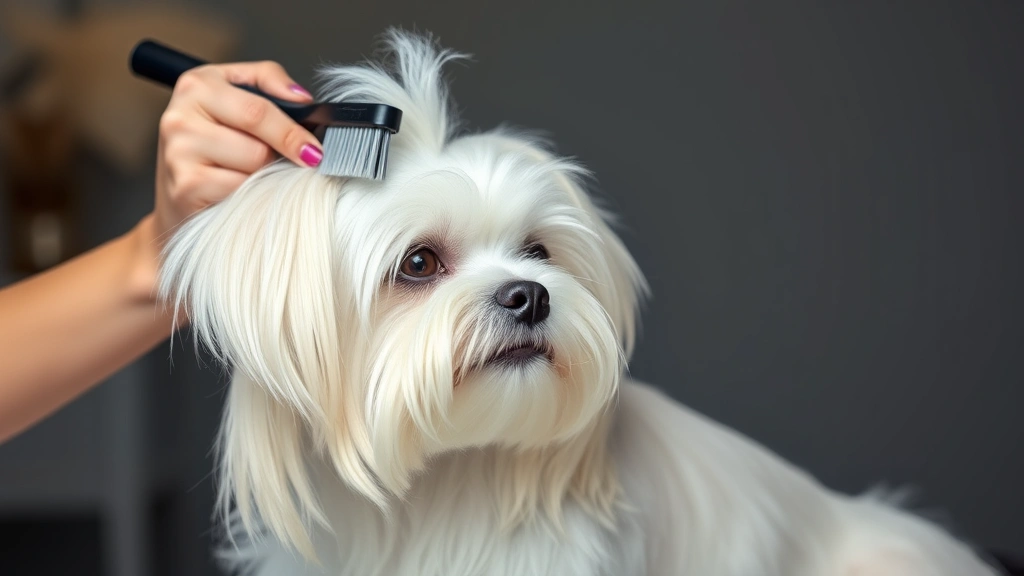
Don’t let their fancy appearance fool you—Maltese dogs are tough little characters with surprisingly big personalities packed into 4-7 pound bodies. Their silky white coats are gorgeous and shed minimally, though they do require consistent brushing to prevent matting. These affectionate fluffballs are perfect for people who want a companion that’ll follow them from room to room without leaving a trail of fur. They’re also excellent for seniors or anyone seeking a devoted, low-energy buddy. Just be prepared for their occasional stubborn streak—they know they’re cute and will absolutely use it to their advantage.
The Bichon Frise: Fluffy Without the Mess
Bichon Frises are like tiny clouds that somehow learned to bark and cuddle. These 12-18 pound pups have curly coats that don’t shed noticeably, though they do require professional grooming every 4-8 weeks. What makes Bichons special is their cheerful, almost clown-like personality. They’re naturally hypoallergenic and were originally bred as circus performers—yes, really. Your Bichon will likely attempt to entertain you daily with their silly antics and boundless enthusiasm. They’re also surprisingly sturdy for their size, making them great for families with kids.
The Shih Tzu: The Regal Non-Shedder
If you want a dog that looks like it just walked out of a spa, the Shih Tzu is your breed. Weighing 9-16 pounds, these adorable lap dogs have long, silky coats that shed very little. Originally bred as companion dogs for Chinese royalty, Shih Tzus know they’re fancy and expect to be treated accordingly. They’re independent, sometimes stubborn, but incredibly loving with their families. Their coat requires daily brushing and professional grooming every 4-6 weeks—basically, you’re signing up to be their personal groomer. But if you love the idea of a pampered, affectionate little royal, this breed is pure magic. Check out our guide on Mexican Dog Breeds to explore other unique small breed options.
The Yorkshire Terrier: Tiny Terrier Energy
Yorkshire Terriers are basically tiny tigers with silky hair instead of fur. These 4-7 pound dynamos have surprisingly big personalities and even bigger energy levels. Their long, straight coats shed minimally and actually grow continuously like human hair. Despite their delicate appearance, Yorkies are tough little terriers with hunting heritage—they’ll fearlessly chase anything that moves. They require regular grooming (every 4-6 weeks) and daily brushing to keep their coats in good condition. If you want a small dog that doesn’t shed but also won’t bore you with laziness, a Yorkie might be your perfect match.
The Havanese: The Velcro Dog
Havanese dogs are sometimes called “velcro dogs” because they literally want to stick to you 24/7. These 7-13 pound Cuban natives have soft, silky coats that shed minimally and come in various colors and patterns. What makes Havanese special is their desperate need for human companionship—they genuinely believe they’re your emotional support animal (even if not officially certified). They’re excellent for people working from home or retirees who want a constant furry shadow. Their coats require regular brushing and professional grooming every 8-12 weeks. Fair warning: they don’t handle alone time well and can develop separation anxiety, so they’re best for people who can give them lots of attention.
The Affenpinscher: The Monkey-Faced Charmer
With a face only a mother could love (and we mean that affectionately), Affenpinschers are quirky little 7-13 pound dogs with wiry coats that shed minimally. Their name literally means “monkey terrier” in German, and once you see one, you’ll understand why. These confident, sometimes stubborn pups have huge personalities and aren’t afraid to stand up to dogs three times their size. They’re perfect for experienced dog owners who appreciate their independent nature and don’t need a clingy companion. Their coats require regular brushing and professional grooming every 8-10 weeks. If you want a dog that’s genuinely unique and doesn’t shed much, an Affenpinscher is an excellent choice.
The Lhasa Apso: The Tibetan Guardian
Don’t let their small size (9-11 pounds) fool you—Lhasa Apsos were originally bred as guardian dogs in Tibetan monasteries. These dogs have long, flowing coats that shed very little and require significant grooming commitment. They’re independent, sometimes aloof with strangers, and incredibly loyal to their families. Lhasa Apsos are perfect for people who want a small dog with big personality and don’t mind investing time in coat maintenance. Their hair grows continuously and requires daily brushing plus professional grooming every 4-6 weeks. If you’re willing to put in the effort, you’ll get a devoted, low-shedding companion that’s genuinely unique.
The Schnauzer (Miniature): The Intelligent Guardian
Miniature Schnauzers (11-20 pounds) are the perfect blend of intelligence, loyalty, and low-shedding coats. These wiry-coated dogs shed minimally and have distinctive facial hair that makes them look perpetually surprised or amused. Originally bred as ratters in Germany, they’re still excellent at alerting you to anything unusual (sometimes too alert—they’re known for being barkers). Schnauzers are highly trainable and love having a job to do. Their coats require regular brushing and professional grooming every 6-8 weeks. They’re perfect for active families or individuals who want a smart, engaging small dog that won’t cover your furniture in fur.
The Coton de Tulear: The Royal Companion
Cotons de Tulear (8-13 pounds) are Madagascar’s national dog and have fluffy, cotton-like coats that shed minimally. These happy little dogs are sometimes called “anti-Velcro dogs” because while they love their families, they’re also independent enough to entertain themselves. They’re excellent for people who want affection without constant neediness. Cotons have moderate energy levels and adapt well to various living situations. Their coats require regular brushing and professional grooming every 8-12 weeks. They’re generally healthy, long-lived (15+ years), and make excellent companions for retirees or anyone seeking a cheerful, low-shedding buddy. For more insights on breed-specific care, check out our article on Joint Supplements for Dogs.
Grooming Requirements for Low-Shedding Small Dogs
Here’s the real talk: low-shedding dogs require more grooming than shedding breeds. You’re basically trading shedding for grooming maintenance. Most non-shedding small breeds need professional grooming every 4-8 weeks, plus daily or weekly brushing at home. This isn’t just for appearance—it’s essential for preventing matting, maintaining skin health, and keeping them comfortable. Budget-wise, expect to spend $50-$150 per professional grooming session, depending on your location and breed. If you’re not willing to invest time and money in grooming, a shedding breed might actually be easier to maintain. However, if you have allergies or simply can’t stand dog hair everywhere, the grooming commitment is usually worth it.
Health Considerations for Small Non-Shedding Breeds
Small dog breeds that don’t shed often share similar health concerns, including dental issues (small mouths, big problems), patellar luxation (knee issues), and eye problems. Because many non-shedding breeds were originally bred as companion animals, they can also be prone to separation anxiety and excessive barking. Regular veterinary check-ups are crucial—aim for at least annual visits, more frequently as they age. Many small breeds benefit from Low Fat Dog Food for Pancreatitis and other specialized diets, so discuss nutrition with your vet. Additionally, small breeds can be prone to hypoglycemia, so monitor their eating patterns and provide frequent, small meals. Consider pet insurance early, as small breeds can have expensive health issues despite their tiny size.
Choosing the Right Non-Shedding Small Breed for Your Lifestyle
Before committing to any breed, honestly assess your lifestyle. Are you home most of the time, or do you work full-time? Can you handle daily grooming and regular professional appointments? Do you want an energetic companion or a couch potato? Are you experienced with dogs or a first-time owner? Different breeds have different temperaments—some are perfect for families with kids, while others prefer quiet homes. Poodles and Schnauzers are highly trainable and great for first-time owners. Havanese and Cotons are perfect for people who work from home. Shih Tzus and Lhasa Apsos suit people who appreciate independent personalities. Take time to research breed temperaments, visit breeders, and if possible, spend time with the breed before committing. According to the American Kennel Club (AKC), many of these breeds are recognized for their hypoallergenic qualities, though individual dogs vary in how much they shed.
Frequently Asked Questions
Are small non-shedding dogs actually hypoallergenic?
Not completely. While small dog breeds that don’t shed produce less dander and loose hair, no dog is 100% hypoallergenic. Dog allergies are triggered by proteins in dander, saliva, and urine—not just hair. Low-shedding breeds are better for allergy sufferers because they produce less dander, but some people may still react. If you have severe allergies, spend time with the specific breed before adopting to ensure you don’t have a reaction.
How often should I groom my non-shedding small dog?
Most non-shedding small breeds need professional grooming every 4-8 weeks, depending on the breed and coat type. Between appointments, brush their coat 3-7 times per week (daily is ideal for long-coated breeds like Shih Tzus). Regular grooming prevents matting, maintains skin health, and keeps them comfortable. It’s not optional—it’s essential maintenance for these breeds.
Do small non-shedding dogs cost more than shedding breeds?
Generally, yes. Non-shedding breeds often have higher grooming costs ($50-$150 per session), require more frequent vet visits for ear cleaning and skin checks, and may have higher initial purchase prices. However, you’ll save on lint rollers, vacuum bags, and furniture replacement, so it somewhat balances out. Consider the total cost of ownership before committing.
Which non-shedding small breed is best for first-time dog owners?
Miniature Poodles and Bichon Frises are excellent choices for first-time owners. They’re intelligent, trainable, and generally forgiving of beginner mistakes. Schnauzers are also good options because they’re eager to please. Avoid Affenpinschers and Lhasa Apsos if you’re a first-time owner—they’re more independent and require experienced handling.
Can small non-shedding dogs live in apartments?
Absolutely! Most small non-shedding breeds are perfect for apartment living. They don’t require huge yards and adapt well to smaller spaces. However, some breeds (like Schnauzers and Yorkies) can be barkers, so consider your neighbors. Havanese and Cotons are generally quieter apartment companions.
How long do small non-shedding dogs typically live?
Most small non-shedding breeds live 12-16 years, with some reaching 18+ years with excellent care. Cotons de Tulear are particularly long-lived. Small breeds generally live longer than larger breeds, so adopting a small dog is a long-term commitment.
Conclusion: Finding Your Perfect Low-Shedding Companion
Small dog breeds that don’t shed offer an excellent solution for allergy sufferers and people who despise vacuuming. From the intelligent Miniature Poodle to the quirky Affenpinscher, there’s a non-shedding small breed for virtually every lifestyle and preference. The key is understanding that “non-shedding” really means “low-shedding with high grooming requirements.” These breeds trade fur on your furniture for regular professional grooming and daily brushing. Before choosing your breed, honestly assess your lifestyle, budget, and grooming commitment. Research individual breeders, spend time with the breed, and consider adopting from rescue organizations specializing in these breeds. With proper care, nutrition (check out Is Fresh Pet Good for Dogs for dietary options), and regular veterinary check-ups, your small non-shedding dog will provide years of companionship without covering your home in fur. Whether you choose a regal Shih Tzu, a bouncy Bichon, or an independent Affenpinscher, you’re signing up for a rewarding relationship with a unique little personality. Happy dog hunting!





