
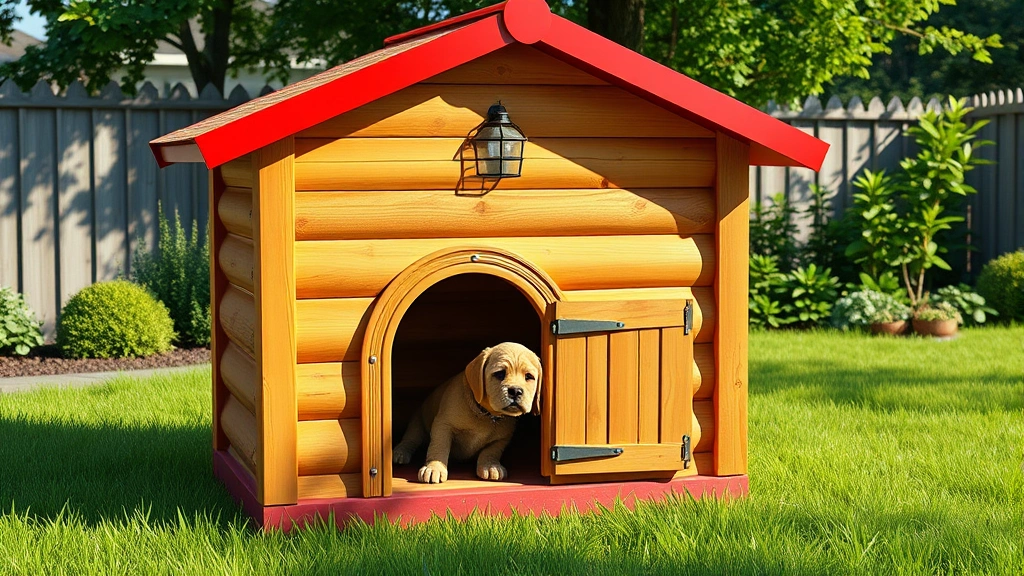
When it comes to creating the perfect snoopy dog house for your furry best friend, you’re not just building a shelter—you’re crafting a sanctuary where your pup can escape the chaos, nap like royalty, and pretend they’re the world’s greatest beagle detective. Whether you’re channeling your inner Peanuts fan or genuinely looking for the best dog house options, this guide will walk you through everything you need to know about selecting, building, and maintaining the ultimate canine retreat.
Table of Contents
- What Makes a Great Snoopy Dog House?
- Understanding Doghouse Dimensions and Breed Compatibility
- Materials: Building the Perfect Doghouse Structure
- Climate Considerations for Your Dog’s Outdoor Shelter
- Ventilation and Moisture Control Essentials
- Maintenance Tips to Keep Your Doghouse in Top Shape
- Popular Snoopy Dog House Design Options
- Budget-Friendly DIY vs. Premium Pre-Built Options
- Safety Considerations and Health Benefits
- Nutrition and Outdoor Living: Complementary Considerations
- Personalizing Your Dog’s Outdoor Space
- Frequently Asked Questions
- Conclusion: Creating Your Dog’s Dream Retreat
What Makes a Great Snoopy Dog House?
A snoopy dog house isn’t just about nostalgia (though that red-roofed iconic design is absolutely charming). The best dog houses combine functionality, comfort, and protection from the elements. Your pup needs a space that’s insulated, well-ventilated, and sized just right—not too cramped, not too cavernous. Think of it as Goldilocks meets Fido: everything needs to be juuuust right.
The classic design features a peaked roof for water drainage, an elevated floor to prevent moisture buildup, and an entrance that’s just wide enough for your dog but not so wide that heat escapes during winter. Size matters tremendously; your dog should be able to stand, turn around, and stretch out comfortably.

Understanding Doghouse Dimensions and Breed Compatibility
Not all dogs are created equal, and neither are their housing needs. A snoopy dog house design works wonderfully for small to medium breeds, but you’ll need to scale accordingly. For reference, small breeds (under 25 lbs) need approximately 24×24 inches of floor space, while medium breeds require closer to 30×36 inches. Medium outside dog breeds have specific shelter requirements that go beyond just size.
The entrance hole should be about 6 inches smaller than your dog’s height at the shoulder. This might sound counterintuitive, but that snug fit helps retain body heat and keeps drafts to a minimum. Your dog’s comfort during harsh weather directly impacts their health and happiness.
Materials: Building the Perfect Doghouse Structure
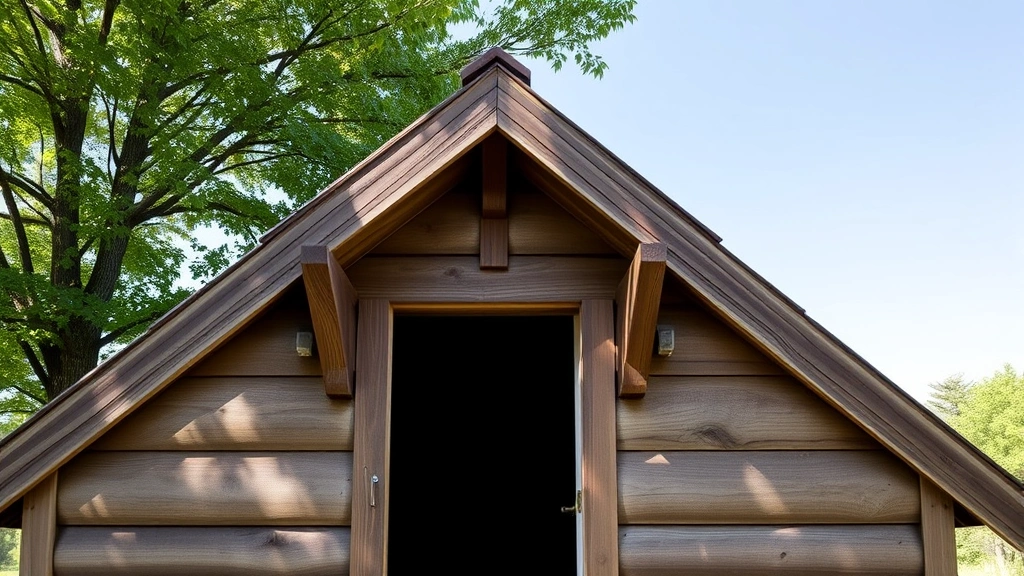
The best snoopy dog house options use weather-resistant materials that won’t rot, splinter, or become toxic over time. Cedar and pine are popular choices because they’re naturally resistant to decay and insects. Avoid treated lumber, which can leach harmful chemicals your dog might ingest through chewing or licking.
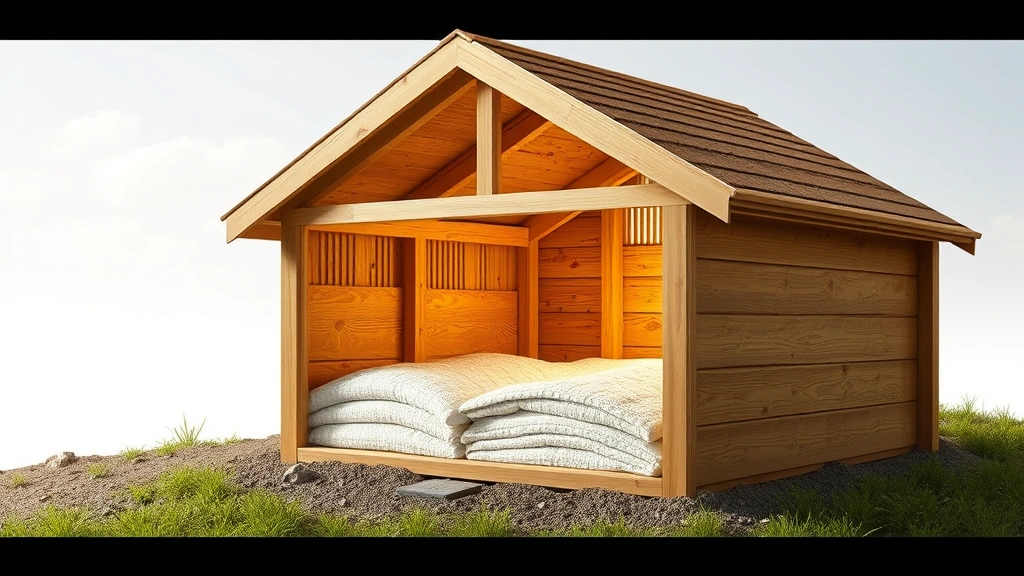
Insulation is crucial for year-round comfort. Styrofoam panels or fiberglass insulation can be added to walls without creating a fire hazard. The roof should have a slight slope (about 15 degrees) to encourage water runoff, and consider adding asphalt shingles or weatherproof coating to extend the structure’s lifespan to 10+ years.

Climate Considerations for Your Dog’s Outdoor Shelter
Whether you live in scorching Arizona or freezing Minnesota, your snoopy dog house needs to adapt. In hot climates, prioritize ventilation and shade. Install vents near the top of the structure to allow hot air to escape, and position the entrance away from direct afternoon sun. Light-colored roofing reflects heat rather than absorbing it.
In cold climates, focus on insulation and wind protection. The entrance should face away from prevailing winds, and you might consider adding a wind baffle—essentially a small interior wall that creates an air lock. Many dog owners add straw bedding inside during winter (avoid hay, which can mold), giving their pups a cozy nest.
Ventilation and Moisture Control Essentials
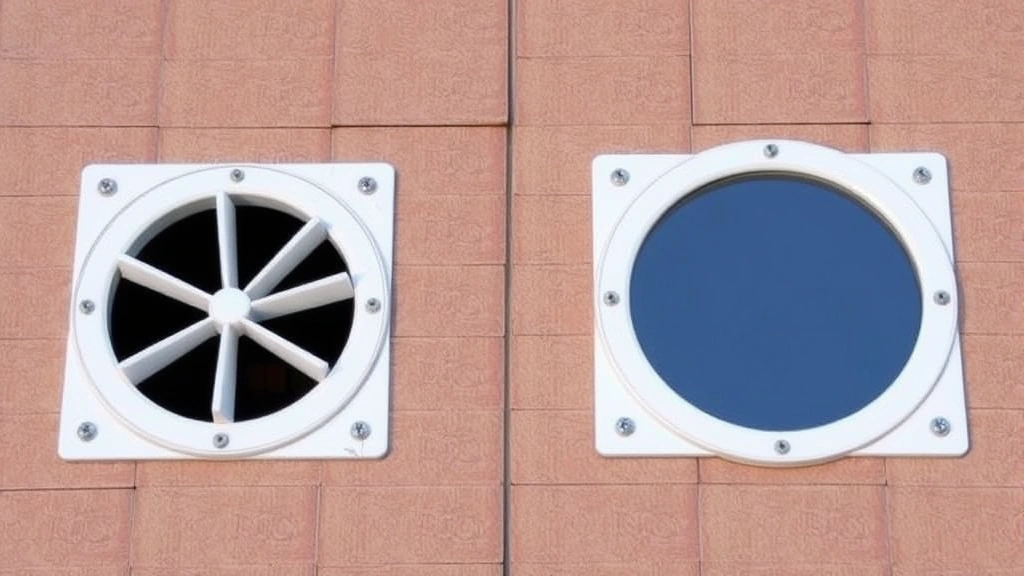
Here’s something many new dog house builders overlook: moisture management can make or break your setup. A poorly ventilated snoopy dog house becomes a damp cave, perfect for mold and mildew but terrible for your dog’s respiratory health. Install vents at the top of opposing walls to create cross-ventilation without creating drafts at dog level.
The floor should be slightly elevated on blocks or a frame to prevent standing water and allow air circulation underneath. Drill small drainage holes in the floor corners, and consider adding a removable floor panel for easy cleaning. Regular maintenance—removing old bedding weekly—prevents moisture accumulation and keeps your pup healthy.
Maintenance Tips to Keep Your Doghouse in Top Shape
Your snoopy dog house requires regular TLC to remain a safe haven. Inspect the structure monthly for signs of damage, rot, or pest intrusion. Check that nails haven’t worked loose and that the roof remains watertight. Reapply weatherproof sealant annually, especially if you live in harsh climates.
Clean the interior thoroughly every two weeks during warm months and monthly during winter. Remove old bedding, sweep out debris, and wash the floor with a pet-safe cleaner. This prevents parasites, bacteria, and odor buildup. If you notice your dog isn’t using the house, investigate whether it’s too hot, cold, damp, or simply uncomfortable.
Popular Snoopy Dog House Design Options
The iconic red-roofed design is timeless, but modern variations abound. Elevated designs with under-house storage are popular with space-conscious owners. A-frame structures offer excellent weather protection and look charming in any yard. Some premium options include heated floors for winter or built-in fans for summer—though these require electricity.
For apartment dwellers or those with limited outdoor space, indoor dog houses designed like furniture offer the same cozy retreat concept. These work particularly well for smaller companion dogs who still need their own personal space.
Budget-Friendly DIY vs. Premium Pre-Built Options
Building a basic snoopy dog house from scratch costs $150-$400 in materials and a weekend of work. Pre-built options range from $200 for basic models to $1,500+ for high-end insulated structures. The DIY route offers customization and the satisfaction of creation, while pre-builts save time and often include warranties.
Consider your skills and available tools before committing to DIY. A poorly constructed house might need rebuilding within a year, negating any cost savings. Quality pre-built options from reputable manufacturers often last longer and provide better insulation than amateur constructions.

Safety Considerations and Health Benefits
Your dog’s safety should be paramount when choosing or building a snoopy dog house. Ensure there are no sharp edges, protruding nails, or toxic finishes. Avoid pressure-treated wood, lead-based paints, and any materials containing harmful chemicals. The entrance should be large enough that your dog can’t get stuck or trapped.
A proper doghouse provides psychological benefits beyond physical protection. Dogs are den animals by nature; a secure retreat reduces anxiety and provides a safe space during thunderstorms or stressful situations. According to the American Kennel Club, adequate shelter is fundamental to canine welfare and can improve behavioral issues related to anxiety.
Nutrition and Outdoor Living: Complementary Considerations
While your snoopy dog house provides shelter, outdoor dogs need proper nutrition to maintain health. Quality dog food is essential—many owners wonder about specific brands. Victor dog food has gained popularity among outdoor dog owners for its high protein content and durability in various climates.
Place food and water bowls near (but not inside) the doghouse. This prevents spills from making the interior damp and keeps the shelter clean. Fresh water is critical; in winter, heated bowls prevent freezing, while summer requires frequent refills.
Personalizing Your Dog’s Outdoor Space
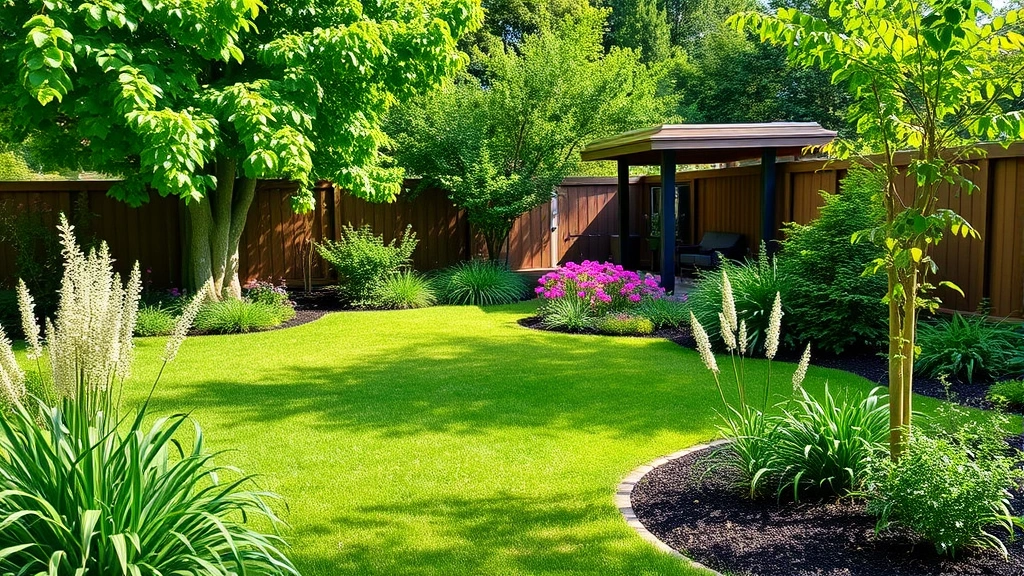
Beyond the basic snoopy dog house, consider adding complementary elements to create a complete outdoor environment. A shaded run area with a fence keeps your pup secure while allowing outdoor time. Proper identification tags are essential for any dog with outdoor access. Add toys, digging areas, or a small sandbox to keep your pup mentally stimulated.
Plants matter too—ensure your yard contains dog-safe vegetation and remove toxic plants like sago palms, lilies, and foxgloves. Create shaded areas using trees or shade cloth, and maintain clear pathways to prevent injuries.
Frequently Asked Questions
How big should a snoopy dog house be?
The doghouse should be large enough for your dog to stand, turn around, and stretch out comfortably. A good rule of thumb: the floor should be about 25% larger than your dog’s body length. For small breeds, 24×24 inches works; medium breeds need 30×36 inches or larger. The entrance hole should be 6 inches smaller than your dog’s shoulder height.
What’s the best material for a dog house?
Cedar and pine are excellent choices due to natural rot resistance. Avoid pressure-treated lumber and toxic finishes. The structure should be insulated for temperature regulation and include a sloped roof for water drainage. Weatherproof sealant protects the wood and extends the house’s lifespan significantly.
Should a dog house be insulated?
Yes, insulation is important for year-round comfort. In cold climates, it prevents heat loss; in hot climates, it reduces interior temperature. Styrofoam or fiberglass insulation works well without creating fire hazards. Proper ventilation must accompany insulation to prevent moisture buildup.
How often should I clean the dog house?
Clean thoroughly every two weeks during warm months and monthly during winter. Remove old bedding weekly, sweep debris, and wash the floor with pet-safe cleaner. Regular maintenance prevents parasites, bacteria, and odor while keeping your dog healthy and happy.
Can I use a snoopy dog house indoors?
Absolutely! Indoor doghouses designed like furniture provide the same den-like comfort and security. These work especially well for apartment dwellers or owners with limited outdoor space, offering your dog a personal retreat within your home.
What’s the difference between a dog house and a dog crate?
A doghouse is an outdoor shelter providing protection from weather and a sense of security. A dog crate is an indoor training tool used for house-training and behavior management. Both serve different purposes, and many dogs benefit from having both available.
Conclusion: Creating Your Dog’s Dream Retreat
A snoopy dog house represents more than just a structure—it’s a commitment to your dog’s comfort, safety, and wellbeing. Whether you build from scratch or purchase a pre-made option, focus on proper sizing, ventilation, insulation, and maintenance. Your dog will reward you with countless hours of contented napping, secure knowing they have their own special place in the world.
Remember that every dog is unique, and what works for one might not work for another. Observe your pup’s behavior, adjust as needed, and don’t hesitate to consult veterinary resources like PetMD if your dog seems uncomfortable in outdoor conditions. With the right shelter and care, your dog will have a happy, healthy outdoor life.
The perfect doghouse isn’t just about replicating that iconic red-roofed design from the comics—it’s about understanding your dog’s needs and providing a safe, comfortable sanctuary where they can be themselves. Whether your pup is a beagle dreaming of being a World War I flying ace or just a regular dog who loves a cozy nap, they deserve a home as special as they are.





