

A soft cone for dogs is basically the Cadillac of recovery wear—way better than those plastic torture devices from the 1950s that make your pup look like a sad satellite. If your dog just had surgery, got into a scratching war with fleas, or decided to lick their wound like it’s an all-day lollipop, a soft cone is your new best friend. Unlike traditional plastic Elizabethan collars (E-collars), soft cones are padded, flexible, and actually let your dog see, eat, and move without feeling like they’re wearing a dunce cap to doggy school.
Table of Contents
- Why Your Dog Needs a Soft Cone (And Why Hard Cones Suck)
- Understanding Soft Cone Materials and Design
- Best Option #1: The Inflatable Recovery Collar
- Best Option #2: Padded Fabric Recovery Collars
- Best Option #3: Mesh and Breathable Soft Cones
- Best Option #4: Adjustable Soft Cone Collars with Neck Support
- Best Option #5: Hybrid Soft Cones (The Best of Both Worlds)
- Sizing Your Soft Cone for Dogs Correctly
- Training Your Dog to Accept a Soft Cone
- Soft Cone Maintenance and Hygiene
- When to Use a Soft Cone vs. Other Recovery Options
- Cost Comparison and Value
- Real Dog Stories: Soft Cone Success
- Frequently Asked Questions
- Conclusion: Invest in Your Dog’s Comfort
Why Your Dog Needs a Soft Cone (And Why Hard Cones Suck)
Let’s be real: traditional plastic cones are basically medieval torture devices for dogs. They bump into doorways, make eating and drinking a nightmare, and turn your sweet pup into an anxious mess. A soft cone for dogs solves all these problems. These fabric-based collars are designed to prevent licking and biting while keeping your dog comfortable enough that they won’t lose their mind during recovery.
Post-surgery wound care is crucial. Whether your dog had a spay, neuter, or tumor removal, they need protection from their own teeth and tongue. A soft cone creates a barrier without the drama of a traditional plastic collar that dogs despise.
Understanding Soft Cone Materials and Design
Soft cones come in several materials, each with pros and cons. Most quality options use neoprene, foam, or inflatable designs. Neoprene cones are durable and washable—perfect if your dog is going to be wearing it for weeks. Foam cones are lighter and more comfortable but wear out faster. Inflatable cones are like giving your dog a neck pillow at an airport, which sounds cute until they puncture it with one sharp nail.
The best soft cone for dogs will have:
- Adjustable velcro closures for proper fit
- Breathable, washable fabric
- Padding that doesn’t flatten after two days
- A design that doesn’t restrict vision or eating
Best Option #1: The Inflatable Recovery Collar
Inflatable soft cones are the “donut of shame” but make it fashion. These air-filled collars give your dog a cushy barrier that prevents them from reaching wounds on the neck, chest, or front legs. The beauty? Your pup can still see, eat normally, and sleep without looking like they’re wearing a traffic cone.
Brands like Kong and Petco’s brand make solid inflatable options. They’re lightweight, machine-washable (once you remove the air), and surprisingly durable. The downside: some dogs figure out they can deflate them by rubbing against furniture, and then you’ve got a sad, droopy collar situation.
Best Option #2: Padded Fabric Recovery Collars
These are the Rolls-Royce of soft cones for dogs. Made from neoprene or thick fabric with foam padding, they’re designed to last through weeks of recovery. Brands like Kruuse and ProCollar make premium versions that veterinarians actually recommend.
A padded fabric collar is ideal for:
- Long recovery periods (2+ weeks)
- Dogs who are rough on their gear
- Anxious dogs who need something sturdy-feeling
You can actually wash these without worrying about punctures, and they maintain their shape. The trade-off is price—expect to spend $30-60 on a quality one, which is still cheaper than a vet visit for an infected wound.
Best Option #3: Mesh and Breathable Soft Cones
If your dog is recovering during summer or lives somewhere hot, a breathable mesh soft cone for dogs is a game-changer. These collars use ventilated fabric that keeps air flowing while still preventing licking. Your dog won’t overheat, and they’ll be less likely to develop skin irritation under the collar.
Brands like BUSTER and Elizabethan designs with mesh panels work great for warm climates. They’re lighter than neoprene options and often more affordable. The catch? They’re less durable for dogs who constantly rub against things or try to scratch them off.
Best Option #4: Adjustable Soft Cone Collars with Neck Support
Some soft cones come with extra neck support, almost like a pillow collar. These are fantastic for dogs recovering from neck surgery or those with anxiety issues. The padding makes them feel more secure, and the design prevents them from flopping around.
These collars work well alongside other recovery aids like male dog diapers if your pup needs additional protection during healing. The soft cone handles the licking prevention while other gear handles other recovery needs.
Best Option #5: Hybrid Soft Cones (The Best of Both Worlds)
Some newer soft cones combine rigid support with soft padding—think of it as a compromise between a plastic cone and a fabric one. These hybrid designs give you the protection level of a traditional cone with the comfort of soft materials.
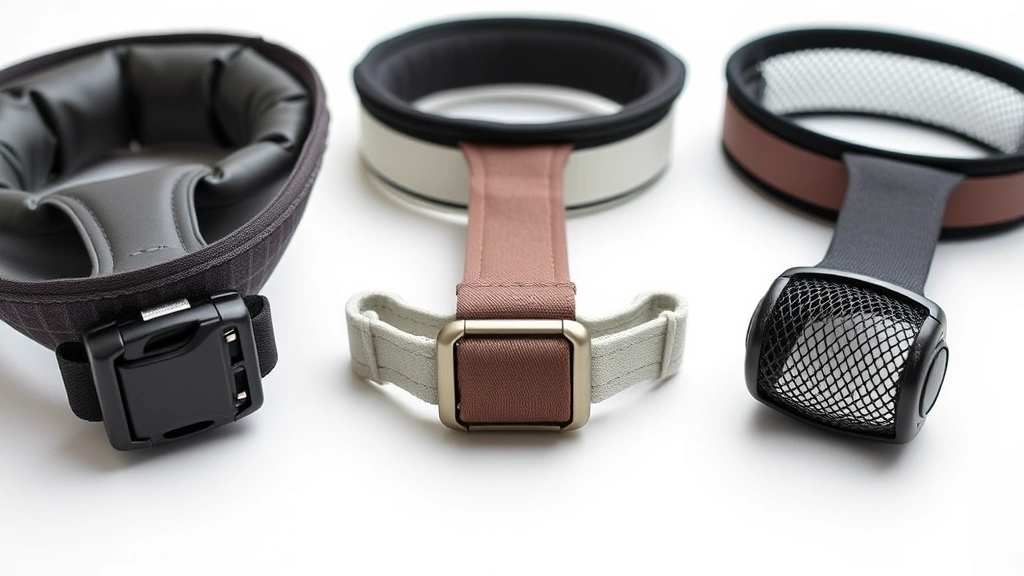
Brands like KONG Cloud Collar use this approach. They’re stiffer than pure fabric cones (so dogs can’t collapse them to lick wounds) but still way more comfortable than plastic. If your vet says your dog needs serious lick prevention, a hybrid soft cone might be the sweet spot.
Sizing Your Soft Cone for Dogs Correctly
Getting the right size is crucial. Too loose, and your dog can wiggle out and reach their wound. Too tight, and you’re essentially choking them slowly (which is not the vibe). Most soft cones use neck measurements to determine sizing.
Here’s how to measure:
- Measure your dog’s neck with a soft measuring tape
- Add one finger’s width for comfort
- Check the manufacturer’s sizing chart
- When fitted, you should fit one finger between the collar and neck
Pro tip: If you’re between sizes, go up. A slightly loose collar is better than one that restricts breathing or causes stress. You can always adjust with the velcro closures.
Training Your Dog to Accept a Soft Cone
Your dog will probably hate their soft cone at first. That’s normal. They’re not used to wearing something around their neck, and it feels weird. Here’s how to make the transition less miserable:
- Start slow: Put the cone on for 5 minutes while giving treats
- Positive association: Only put it on right before something good (meal time, walk, play)
- Distraction: Use puzzle toys or long-lasting chews to keep them occupied
- Patience: Most dogs adjust within 3-5 days
Some dogs never fully accept cones, but they’ll tolerate them. That’s the goal—tolerance, not enthusiasm. If your dog is particularly anxious, talk to your vet about whether sedation during the initial recovery period makes sense.
Soft Cone Maintenance and Hygiene
A dirty soft cone is a recipe for skin infections. Here’s how to keep it clean:
Daily: Wipe down with a damp cloth to remove dirt, drool, and whatever your dog rolled in.
Weekly: Hand wash or machine wash (depending on material) with mild detergent. Air dry completely.
As needed: Spot clean any stains or buildup immediately.
Check underneath the collar daily for signs of irritation, redness, or hair loss. If you see any of these, contact your vet. Your dog shouldn’t develop new problems while healing from old ones.
When to Use a Soft Cone vs. Other Recovery Options
A soft cone for dogs isn’t always the right choice. Consider alternatives like:
- Recovery suits: Better for full-body wounds or dogs who hate collars
- Bite-proof vests: For dogs with chest or back wounds
- Bandages and wraps: For minor wounds that don’t require lick prevention
Your vet will recommend what’s best for your dog’s specific situation. Sometimes a soft cone is perfect. Sometimes you need a combination approach. Trust their expertise, but don’t hesitate to ask about comfort options—vets appreciate owners who care about their dog’s emotional well-being during recovery.
Related to wound care, you might also want to check out information about what’s safe for dogs to chew on during recovery, since boredom is real and your pup will need appropriate outlets for their energy.
Cost Comparison and Value
Soft cones range from about $15 for basic fabric options to $60+ for premium brands. Here’s what you’re paying for:
- $15-25: Basic inflatable or thin fabric cones (good for short-term use)
- $25-40: Mid-range padded fabric or breathable mesh (best overall value)
- $40-60+: Premium brands with superior materials (worth it for long recoveries)
Compare this to the cost of treating a licked-open surgical wound ($500+) and a soft cone looks like the bargain of the century. Buy the best one you can afford—your dog’s healing depends on it.
Speaking of recovery gear, if your dog has mobility issues during healing, you might explore options like a large dog harness to help with movement and support.
Real Dog Stories: Soft Cone Success
Dogs recover better with soft cones because they’re less stressed. A stressed dog has elevated cortisol levels, which actually slows healing. Plus, they’re more likely to obsess over their wound if they’re anxious about wearing the cone. A comfortable soft cone means a happier dog and faster healing.
Vets consistently see better outcomes with soft cones than traditional plastic ones. Dogs eat better, sleep better, and have fewer behavioral issues during recovery. It’s not just about comfort—it’s about actual medical outcomes.
Frequently Asked Questions
Can my dog sleep in a soft cone?
Yes, and they should. Dogs need rest for healing. A well-fitted soft cone allows them to sleep comfortably. Some dogs even prefer sleeping with it on because it feels secure. Just make sure it’s not too tight and check on them periodically.
How long does my dog need to wear a soft cone?
This depends on the reason for the cone. Post-surgical wounds typically need 10-14 days of protection. Skin conditions might require longer. Always follow your vet’s specific instructions—don’t remove it early just because your dog is annoying you about it.
Can my dog eat and drink normally with a soft cone?
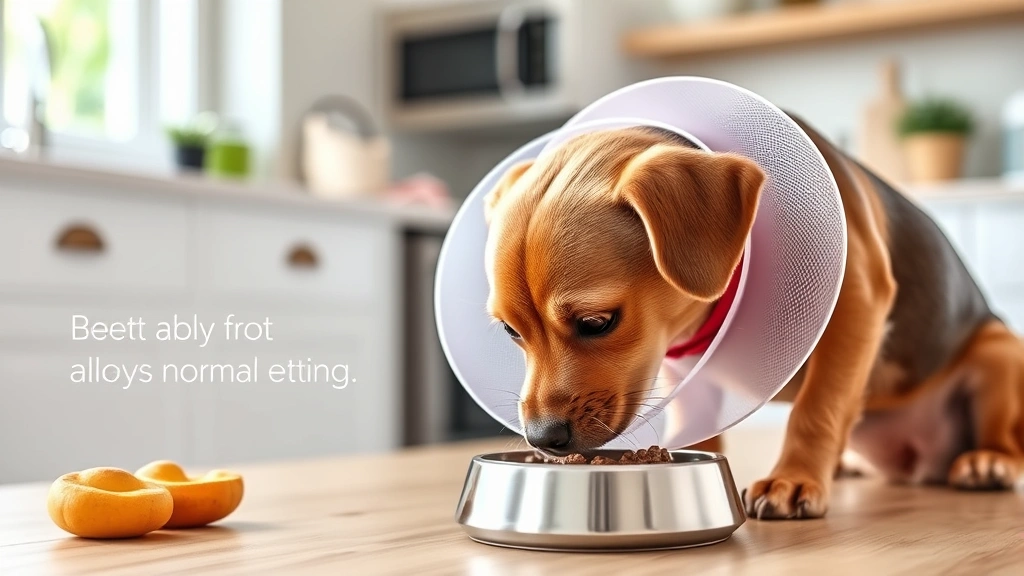
Most soft cones allow normal eating and drinking, which is a huge advantage over plastic cones. However, you might need to use a shallow bowl or elevated feeder depending on the cone design. Test it before recovery actually starts.
What if my dog refuses to wear the soft cone?
First, make sure it’s not too tight—that’s the most common reason for refusal. Second, give them time to adjust with positive reinforcement. If they still refuse after a week, contact your vet about alternatives like recovery suits or increased supervision without a cone.
Are soft cones safe for all dog breeds?
Soft cones work for most breeds, but very small dogs (under 5 lbs) might need specialty sizing, and giant breeds need extra-large options. Always check the manufacturer’s size guide. Brachycephalic breeds (bulldogs, pugs) need careful fitting to ensure they can breathe properly.
Can I leave my dog alone with a soft cone?
Yes, but monitor them regularly. Check that the cone hasn’t shifted, that they’re not overheating, and that they’re not causing themselves new injuries by panicking. Most dogs do fine alone with a soft cone, but some anxious dogs might need company or crate training.
Conclusion: Invest in Your Dog’s Comfort
A soft cone for dogs is one of the best investments you can make during your pup’s recovery. It’s more comfortable than plastic alternatives, better for their mental health, and actually supports faster healing. Whether you choose an inflatable option, padded fabric, breathable mesh, or a hybrid design, you’re choosing your dog’s well-being over convenience.
The key is getting the right size, keeping it clean, and giving your dog time to adjust. Most dogs will tolerate a soft cone within a few days, especially if you pair it with positive reinforcement and distraction. Your vet can recommend specific brands and styles based on your dog’s needs, but any quality soft cone beats the alternative of watching your dog obsess over a wound or develop an infection.
Recovery sucks for dogs, but a soft cone makes it suck a little less. Your pup will forgive you eventually—probably right around the time they realize they can still eat treats and see where they’re going.





