
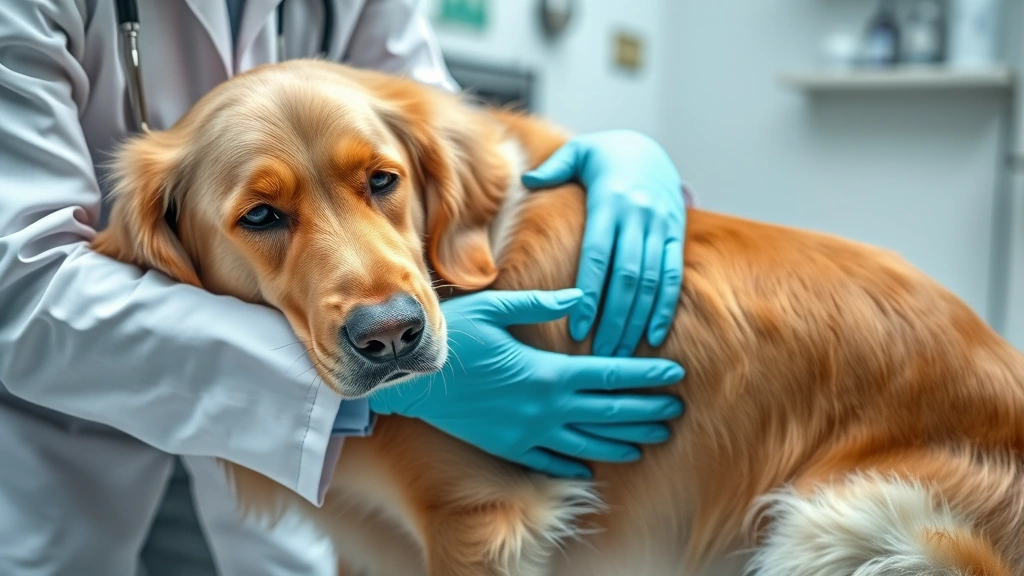
If your veterinarian just dropped the term “soft tissue sarcoma in dogs” during your pup’s appointment, take a breath—you’re not alone, and there’s plenty of hope. This type of cancer is more common than you’d think, but the good news? Early detection and proper treatment can make a real difference in your dog’s quality of life and longevity. Let’s break down everything you need to know about this condition, from what it actually is to your treatment options.
Table of Contents
- What Exactly Is Soft Tissue Sarcoma?
- Recognizing the Signs and Symptoms
- Diagnosis: Getting Confirmation
- Treatment Options for Soft Tissue Sarcoma in Dogs
- Managing Pain and Comfort During Treatment
- Prognosis: What to Expect
- Nutrition and Supportive Care
- Monitoring for Recurrence and Complications
- Quality of Life Considerations
- Financial and Emotional Considerations
- Frequently Asked Questions
- Summary: Taking Action
What Exactly Is Soft Tissue Sarcoma?
Soft tissue sarcoma is a malignant tumor that develops in the connective tissues supporting your dog’s muscles, nerves, and blood vessels. These tumors grow from mesenchymal cells—basically the scaffolding holding everything together. Unlike some other cancers, soft tissue sarcomas typically grow slowly and are less likely to spread to distant organs early on, which is actually decent news for treatment prospects.
These tumors can pop up anywhere on your dog’s body, though they’re most commonly found on the limbs, chest wall, and abdomen. They’re usually firm, somewhat mobile lumps beneath the skin that might feel like they’re attached to deeper tissues. Some dogs develop multiple tumors over time, while others get just one troublemaker.
Recognizing the Signs and Symptoms
The tricky part about soft tissue sarcoma in dogs is that early signs can be subtle. Most owners first notice a lump or swelling that seems to appear out of nowhere. You might feel it during a regular petting session, or your vet might spot it during a routine exam. The lump might not bother your dog at all initially—no limping, no behavioral changes, nothing obvious.
As the tumor grows, you might notice your dog favoring a limb, moving differently, or showing signs of discomfort. Some dogs develop lameness if the tumor is pressing on nerves or blood vessels. In rare cases, if the tumor is in the abdomen, you might see weight loss, loss of appetite, or changes in bathroom habits.
The key is paying attention to your dog’s body. Any new lump warrants a vet visit, even if it seems harmless. Early intervention can mean the difference between a small surgical removal and a more complicated situation.
Diagnosis: Getting Confirmation
Your vet won’t diagnose soft tissue sarcoma in dogs with just a physical exam and a hunch. They’ll need to do some detective work. Typically, this starts with imaging—ultrasound or CT scans to understand the tumor’s size, location, and how deeply it’s infiltrated surrounding tissues. These images help your vet plan the best surgical approach.
The gold standard for confirmation is a biopsy. Your vet will take a sample of tissue from the lump and send it to a pathologist who can identify the exact type of sarcoma (hemangiosarcoma, fibrosarcoma, liposarcoma, etc.). This diagnosis is crucial because different types may require different treatment strategies.
Your vet might also recommend chest X-rays or abdominal ultrasounds to check whether the cancer has spread to other parts of your dog’s body. This staging process helps determine your dog’s prognosis and the most appropriate treatment plan.
Treatment Options for Soft Tissue Sarcoma in Dogs
Surgery is the primary treatment for soft tissue sarcoma in dogs. The goal is complete removal of the tumor with clean margins—meaning healthy tissue around the tumor is also removed to ensure no cancer cells are left behind. The extent of surgery depends on the tumor’s size, location, and how invasive it is.
For small, superficial tumors, surgery might be straightforward and require minimal recovery time. For larger or deeper tumors, your dog might need more extensive surgery and a longer healing period. Some tumors are located in tricky spots near vital structures, which can complicate surgical removal, but experienced surgical oncologists can often work around these challenges.
If surgery alone doesn’t achieve clean margins, or if your vet is concerned about incomplete removal, radiation therapy is often recommended. Radiation targets any remaining cancer cells and can significantly improve outcomes. It typically involves multiple sessions over several weeks, and most dogs tolerate it well with minimal side effects.
Chemotherapy is sometimes used as an adjunct treatment, especially for aggressive tumor types or cases where the cancer has spread. However, soft tissue sarcomas are generally less responsive to chemotherapy than some other canine cancers, so it’s not always the first choice.
Managing Pain and Comfort During Treatment
Your dog’s comfort during and after treatment is paramount. Pain management is a critical component of the treatment plan. Your vet might recommend anti-inflammatory medications like Meloxidyl for dogs to manage post-surgical pain and inflammation. These medications help your pup move around comfortably and recover faster.
Depending on the surgery location and extent, your dog might need activity restrictions, physical therapy, or specialized care during recovery. Some dogs benefit from orthopedic dog beds, controlled exercise, and gentle rehabilitation exercises to regain strength and mobility.

If your dog experiences secondary skin issues during recovery, a medicated dog shampoo can help keep the surgical area clean and prevent infection. Always follow your vet’s post-operative care instructions to the letter.
Prognosis: What to Expect
The prognosis for soft tissue sarcoma in dogs varies based on several factors: the tumor type, grade (how aggressive it looks under the microscope), size, location, and whether it was completely removed. Dogs with completely excised low-grade tumors often have excellent long-term survival rates—some living several years or more without recurrence.
High-grade tumors or those with incomplete removal have a more guarded prognosis, but many dogs still respond well to combined surgery and radiation therapy. The key is staying vigilant about follow-up care and monitoring for any signs of recurrence or metastasis.
Regular check-ups with your vet are essential. They’ll examine the surgical site, palpate for any new lumps, and discuss any changes in your dog’s behavior or mobility. Some vets recommend periodic imaging to catch any recurrence early.
Nutrition and Supportive Care
A healthy diet supports your dog’s immune system and recovery after treatment. Some dogs might benefit from specialized diets or supplements, though there’s no magic “cancer diet.” If your dog has other health conditions like liver disease in dogs, you’ll need to coordinate nutritional support with your oncologist and general veterinarian.
High-quality protein, omega-3 fatty acids, and antioxidant-rich foods are generally beneficial. Your vet might recommend specific commercial diets formulated for dogs recovering from cancer treatment or those with compromised health status.
Stay hydrated, keep treats healthy, and avoid sudden diet changes during treatment. If your dog loses appetite or has difficulty eating post-surgery, discuss feeding strategies with your vet—sometimes smaller, more frequent meals work better.
Monitoring for Recurrence and Complications
After your dog completes treatment, ongoing monitoring is crucial. Soft tissue sarcomas can recur at the original site or develop elsewhere. You’ll want to examine your dog regularly for new lumps or lumps that seem to be growing back. Many owners set a monthly reminder to do a thorough body check.
Keep detailed records of your dog’s behavior, appetite, energy levels, and any physical changes. This information helps your vet identify problems early. If you notice anything unusual—limping, swelling, behavioral changes, or loss of appetite—schedule a vet visit promptly.
Some dogs develop complications related to their treatment. Surgical site infections, radiation side effects, or secondary health issues might arise. Your vet will discuss potential complications and what to watch for during your post-operative consultations.
Quality of Life Considerations
Throughout treatment and recovery, quality of life should remain a central focus. Many dogs tolerate cancer treatment well and return to near-normal activity levels. However, some might have limitations based on surgery location, pain levels, or treatment side effects.
Work with your vet to balance aggressive treatment with maintaining your dog’s happiness and comfort. Sometimes a slightly less aggressive approach that allows your dog to feel better day-to-day is preferable to maximum treatment intensity.
Keep your dog active within their limitations, maintain normal routines where possible, and shower them with love and attention. Dogs are resilient creatures, and many thrive despite their cancer diagnosis.
Financial and Emotional Considerations
Cancer treatment for dogs can be expensive. Surgery, pathology, imaging, radiation, and follow-up care add up quickly. Many veterinary oncology clinics offer payment plans or can discuss cost-effective options. Some pet insurance policies cover cancer treatment, so review your policy or consider coverage if you don’t have it.
Emotionally, a cancer diagnosis is tough. You might feel guilt, fear, or overwhelm. Connect with other dog owners facing similar situations through online communities or support groups. Your vet’s team can also provide emotional support and realistic expectations.
Remember, a cancer diagnosis isn’t a death sentence. Many dogs live good, comfortable lives with proper treatment and management. Focus on the present moment with your pup and celebrate the good days.
Frequently Asked Questions
Can soft tissue sarcoma in dogs be prevented?
Unfortunately, there’s no proven prevention method for soft tissue sarcoma in dogs. It’s not linked to diet, lifestyle, or anything you did wrong as an owner. Some breeds might have genetic predispositions, but the exact causes remain unclear. The best prevention is regular vet check-ups so any tumors are caught early.
Is soft tissue sarcoma contagious?
No, soft tissue sarcoma is not contagious. Your dog cannot catch it from other dogs, and it won’t spread to humans or other pets. It’s a disease that develops within your individual dog’s cells.
How long can a dog live with soft tissue sarcoma?
Survival time varies widely depending on tumor type, grade, and treatment response. Dogs with completely removed low-grade tumors might live several years or longer. High-grade tumors or incomplete removals have shorter survival times, but many dogs still enjoy good quality of life for months to years with proper treatment.
What’s the difference between soft tissue sarcoma and lipomas?
Lipomas are benign fatty tumors that grow slowly and rarely cause problems. Lipomas in dogs are common, especially in older dogs, and don’t require treatment unless they interfere with movement. Soft tissue sarcomas are malignant and require aggressive treatment. Only a biopsy can definitively distinguish between them.
Should I consider alternative treatments?
While some owners explore complementary therapies like acupuncture, herbal supplements, or dietary modifications, these should never replace conventional treatment. Surgery and radiation have proven effectiveness for soft tissue sarcoma in dogs. Discuss any alternative approaches with your vet to ensure they don’t interfere with primary treatment.
What happens if the tumor comes back?
Recurrence is possible, especially with high-grade tumors or incomplete initial removal. If recurrence occurs, your vet might recommend additional surgery, radiation, or other treatments depending on the situation. Each case is unique, and your oncologist will discuss options based on your dog’s specific circumstances.
Summary: Taking Action
Soft tissue sarcoma in dogs is serious, but it’s far from hopeless. Early detection through regular vet exams, prompt surgical removal, and appropriate follow-up care significantly improve outcomes. Work closely with your veterinary team, stay informed about your dog’s specific diagnosis and prognosis, and focus on maintaining quality of life throughout treatment.
Your dog depends on you to be their advocate. Ask questions, seek second opinions if you’re uncertain, and don’t hesitate to connect with veterinary oncologists for complex cases. Many dogs live comfortably and happily for years after a soft tissue sarcoma diagnosis—and yours can too with proper care and attention.
For more information on related conditions and treatments, check out resources on kidney diet for dogs if your pup has multiple health concerns, and discuss alternatives to Apoquel for dogs if skin issues arise during recovery.
Additional authoritative resources include the American Kennel Club, PetMD, and veterinary oncology resources from VIN (Veterinary Information Network) for evidence-based information on canine cancer treatment.





