
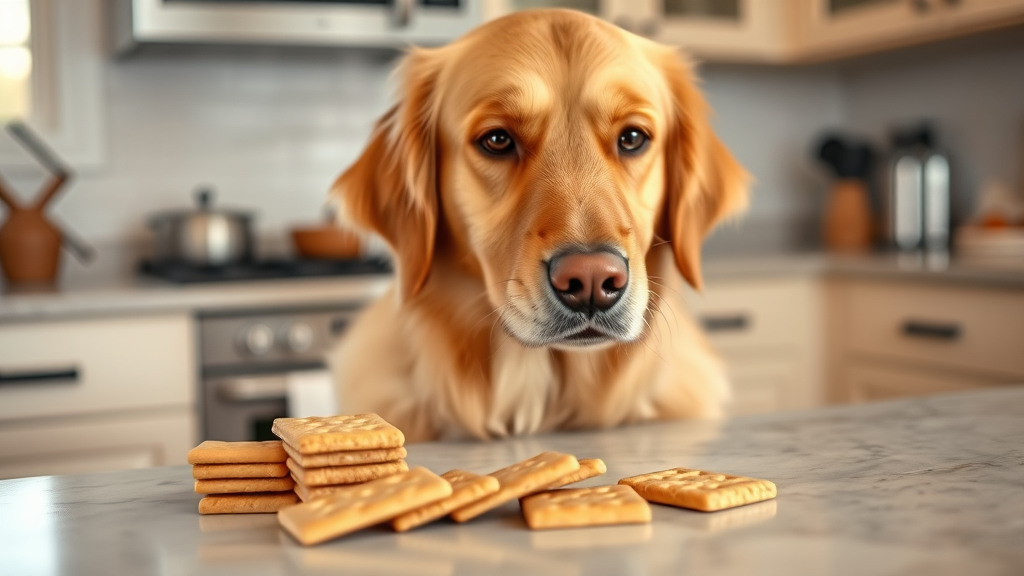
As a loving dog owner, you’ve probably found yourself in that familiar situation: you’re enjoying a sweet graham cracker snack when your furry friend gives you those irresistible puppy dog eyes, hoping for a taste. While it’s natural to want to share our favorite treats with our canine companions, the question “can dogs have graham crackers” requires careful consideration. Understanding what human foods are safe for our pets is crucial for their health and wellbeing.
Graham crackers are a beloved snack for humans, often associated with childhood memories of s’mores around campfires or simply enjoyed as a sweet treat with milk. However, when it comes to our four-legged family members, the ingredients and nutritional content of these seemingly innocent crackers can have different effects. Before you share that next graham cracker with your dog, it’s essential to understand the potential risks and benefits, as well as healthier alternatives that can satisfy your pup’s craving for something special.
Understanding Graham Cracker Ingredients
To properly assess whether dogs can eat graham crackers, we must first examine what goes into making these popular treats. Traditional graham crackers contain wheat flour, sugar, honey or high fructose corn syrup, vegetable oils, and various preservatives and artificial flavors. Many commercial brands also include cinnamon, vanilla extract, and salt as flavor enhancers.
The primary concern with these ingredients lies in their cumulative effect on canine health. Wheat flour, while not immediately toxic to most dogs, can cause digestive upset in dogs with grain sensitivities or celiac-like conditions. The high sugar content, whether from refined sugar or honey, poses significant concerns for dogs’ blood sugar regulation and dental health. According to the American Kennel Club, excessive sugar consumption can lead to obesity, dental problems, and even diabetes in dogs.
Additionally, some graham crackers contain xylitol, an artificial sweetener that is extremely toxic to dogs. Even small amounts of xylitol can cause rapid insulin release, leading to severe hypoglycemia and potentially liver failure. The ASPCA Animal Poison Control Center considers xylitol one of the most dangerous substances dogs can consume.
Are Graham Crackers Safe for Dogs?
The short answer is that graham crackers are not recommended for dogs, though a small piece occasionally is unlikely to cause immediate harm to most healthy dogs. However, this doesn’t mean they’re a good choice for regular treats. The American Veterinary Medical Association emphasizes that dogs have different nutritional needs and digestive systems compared to humans.
Unlike humans, dogs don’t require carbohydrates in the same way, and their systems aren’t designed to process high amounts of sugar efficiently. While a tiny piece of plain graham cracker without harmful additives might not cause immediate problems, the cumulative effects of regularly feeding such treats can contribute to long-term health issues including obesity, diabetes, and dental disease.
The safety also depends heavily on the specific brand and type of graham cracker. Some varieties contain chocolate chips, which are toxic to dogs due to theobromine content. Others may include nuts, raisins, or other ingredients that can be harmful to canines. Always check the ingredient list carefully, and when in doubt, it’s better to err on the side of caution and choose dog-specific treats instead.
Potential Health Risks and Concerns
Feeding graham crackers to dogs can lead to several health complications, both immediate and long-term. The most immediate concern is gastrointestinal upset, which can manifest as vomiting, diarrhea, or stomach discomfort. Dogs with sensitive stomachs or food allergies may experience more severe reactions, including prolonged digestive issues.
The high sugar content in graham crackers poses significant risks for dogs’ metabolic health. Regular consumption of sugary treats can lead to rapid weight gain, as dogs don’t metabolize sugar as efficiently as humans. Obesity in dogs is linked to numerous health problems, including joint issues, heart disease, and reduced lifespan. The Centers for Disease Control and Prevention notes that maintaining a healthy weight is crucial for dogs’ overall wellbeing.
Dental health is another major concern when considering whether dogs can eat sugary human snacks like graham crackers. The sticky nature of these crackers, combined with their sugar content, can contribute to plaque buildup and tooth decay. Unlike humans, dogs don’t brush their teeth regularly, making them more susceptible to dental problems from sugary treats.
Some dogs may also experience allergic reactions to ingredients commonly found in graham crackers. Wheat allergies, though less common in dogs than in humans, can cause skin irritation, itching, and digestive problems. Similarly, dogs with honey allergies may experience adverse reactions to graham crackers containing this sweetener.
Nutritional Impact on Dogs
From a nutritional standpoint, graham crackers offer little to no benefit for dogs while potentially causing harm. Dogs require a balanced diet rich in high-quality proteins, healthy fats, and specific vitamins and minerals. Graham crackers are primarily composed of refined carbohydrates and sugars, which don’t contribute to meeting these nutritional needs.
A typical graham cracker contains approximately 30 calories, with most of those calories coming from carbohydrates and sugars. For a small dog weighing 10 pounds, this represents a significant portion of their daily caloric needs. Feeding such calorie-dense, nutrient-poor treats can quickly lead to nutritional imbalances and weight gain.
The lack of protein, essential fatty acids, and vital nutrients in graham crackers means they’re essentially “empty calories” for dogs. Regular consumption can displace more nutritious foods from your dog’s diet, potentially leading to nutritional deficiencies. The FDA’s Center for Veterinary Medicine recommends that treats should make up no more than 10% of a dog’s daily caloric intake.
Safe Serving Guidelines and Portion Control
If you decide to occasionally give your dog a small piece of graham cracker despite the risks, portion control is absolutely critical. The serving size should be minimal – no more than a small corner of a cracker for larger dogs, and even less for smaller breeds. This occasional treat should never become a regular part of your dog’s diet.
Before offering any graham cracker to your dog, carefully read the ingredient list to ensure it doesn’t contain xylitol, chocolate, or other toxic substances. Plain graham crackers without added flavors or sweeteners are the safest option if you choose to share. However, even plain varieties should be given sparingly and only to dogs without known food sensitivities or health conditions.
It’s important to monitor your dog closely after giving them any new treat, including graham crackers. Watch for signs of digestive upset, allergic reactions, or changes in behavior. If you notice any adverse effects, discontinue the treat immediately and consult your veterinarian if symptoms persist or worsen.
Consider your dog’s size, weight, and overall health status when determining appropriate portion sizes. What might be a tiny treat for a large Golden Retriever could represent a significant caloric intake for a small Chihuahua. Always adjust treat portions based on your dog’s individual needs and daily caloric requirements.
Healthier Alternative Treats for Dogs
Instead of wondering whether dogs can have graham crackers, consider focusing on healthier treat alternatives that provide nutritional benefits without the associated risks. Many fruits and vegetables make excellent dog treats, offering vitamins, minerals, and fiber while being naturally low in calories.
Fresh apple slices (without seeds), blueberries, and carrots are popular choices that most dogs enjoy. These natural treats provide antioxidants and nutrients that support your dog’s health rather than potentially compromising it. Frozen fruits can also serve as refreshing summer treats that help keep dogs cool while providing nutritional benefits.
For dogs who enjoy crunchy textures similar to graham crackers, consider offering small pieces of plain rice cakes or dog-specific crackers made with wholesome ingredients. Many pet stores offer grain-free, low-sugar alternatives that satisfy dogs’ desire for crunchy treats without the health risks associated with human snacks like pretzels or marshmallows.
Homemade dog treats allow you to control ingredients completely, ensuring your pet receives wholesome, nutritious snacks. Simple recipes using ingredients like pumpkin, sweet potato, or lean meats can create delicious treats that dogs love while supporting their health. The Humane Society provides excellent guidance on preparing safe, healthy homemade treats for dogs.
When to Contact Your Veterinarian
If your dog accidentally consumes graham crackers or you notice any adverse reactions after giving them as a treat, it’s important to know when veterinary intervention is necessary. Immediate veterinary attention is required if your dog shows signs of xylitol poisoning, including vomiting, loss of coordination, lethargy, or collapse.
Contact your veterinarian if your dog experiences persistent vomiting, diarrhea, or signs of abdominal discomfort after consuming graham crackers. While mild digestive upset may resolve on its own, prolonged symptoms can indicate a more serious issue requiring professional treatment.
Dogs with pre-existing health conditions such as diabetes, pancreatitis, or food allergies should be monitored especially closely if they consume any human treats. These conditions can make dogs more susceptible to complications from inappropriate foods, and even small amounts of sugary treats can trigger serious health episodes.
For dogs with known sensitivities to ingredients commonly found in baked goods like bread or sourdough bread, any consumption of graham crackers warrants careful observation and potentially preventive veterinary consultation.
Frequently Asked Questions
Can puppies eat graham crackers?
Puppies should not eat graham crackers. Their developing digestive systems are even more sensitive to inappropriate foods, and the high sugar content can be particularly harmful during crucial growth periods. Puppies also have smaller body weights, making even tiny amounts of potentially harmful ingredients more dangerous. Stick to puppy-specific treats and foods recommended by your veterinarian.
Are honey graham crackers worse for dogs than regular ones?
Honey graham crackers are generally not significantly worse than regular graham crackers for dogs, as both contain high amounts of sugar. However, some dogs may have honey allergies, making honey varieties potentially more problematic for sensitive individuals. The key concern with both types remains the overall sugar content and lack of nutritional value for dogs.
What should I do if my dog ate a whole graham cracker?
If your dog ate a whole graham cracker, monitor them closely for the next 24 hours for signs of digestive upset or adverse reactions. While one cracker is unlikely to cause serious harm to most dogs, watch for vomiting, diarrhea, lethargy, or changes in behavior. Contact your veterinarian if you notice any concerning symptoms or if your dog has pre-existing health conditions.
Can dogs with diabetes ever have graham crackers?
Dogs with diabetes should never be given graham crackers due to their high sugar content. These treats can cause dangerous spikes in blood glucose levels, potentially leading to diabetic complications. Dogs with diabetes require carefully controlled diets, and any treats should be approved by their veterinarian and specifically designed for diabetic pets.
Are there any graham cracker brands that are safe for dogs?
No graham cracker brands are specifically recommended as safe or beneficial for dogs. While some brands may have fewer harmful ingredients than others, all commercial graham crackers contain high amounts of sugar and refined carbohydrates that aren’t appropriate for dogs. Instead of searching for dog-safe graham crackers, focus on treats specifically formulated for canine nutrition.
How do graham crackers compare to other human snacks for dogs?
Graham crackers are similar to other sweet human snacks like cookies and crackers in that they’re not recommended for dogs. Compared to salty snacks like pretzels, graham crackers have less sodium but more sugar. Both types of snacks can cause problems for dogs, though the specific risks vary. Some dairy products like cheese may be safer in small amounts for dogs without lactose intolerance.
Can the cinnamon in graham crackers hurt dogs?
Small amounts of cinnamon found in graham crackers are generally not toxic to dogs, but large quantities can cause irritation to the mouth and digestive system. However, the bigger concern with cinnamon graham crackers is still the sugar content and overall nutritional inappropriateness. Some dogs may also be sensitive to cinnamon, experiencing digestive upset even from small amounts.





