
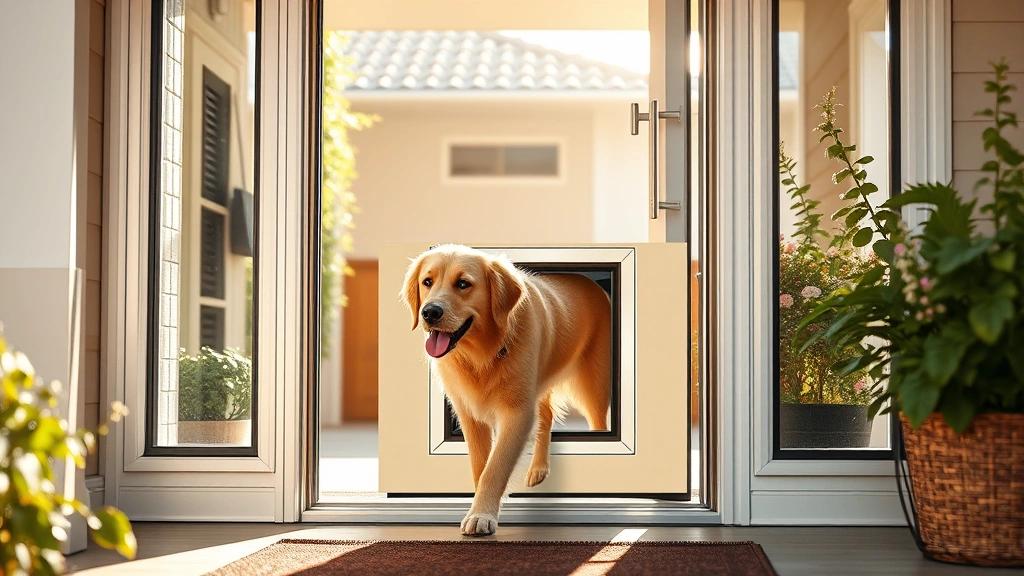
If you’re tired of being your dog’s personal doorman, a storm door with dog door might just be the game-changer your household needs. Picture this: your pup can wander in and out freely while you’re sipping coffee without interruption, and your home stays protected from the elements. Sounds like a dream, right? Well, it’s totally doable, and we’re here to break down everything you need to know about choosing the perfect one.
Table of Contents
- Why Your Home Needs a Storm Door with Dog Door
- Understanding Pet Door Technology in Storm Doors
- Top Features to Look for in Quality Models
- Installation Considerations for Pet Door Entries
- Best Storm Door Brands with Integrated Pet Doors
- Sizing Your Dog Door Correctly
- Weather Resistance and Seasonal Performance
- Security Features You Shouldn’t Ignore
- Maintenance and Cleaning Tips
- Cost Breakdown: What You’ll Actually Spend
- Common Mistakes Pet Owners Make
- Alternatives to Consider
- Frequently Asked Questions
- Final Thoughts: Making Your Decision
Why Your Home Needs a Storm Door with Dog Door
Let’s be honest—dogs have an uncanny ability to need bathroom breaks at the most inconvenient times. A storm door with integrated dog door eliminates the constant back-and-forth. But beyond convenience, these doors offer serious benefits. They provide extra insulation, reduce drafts, and keep bugs out while letting fresh air in. Plus, they add a layer of security since your main door stays closed. Your energy bills will thank you, and so will your sanity.
Understanding Pet Door Technology in Storm Doors
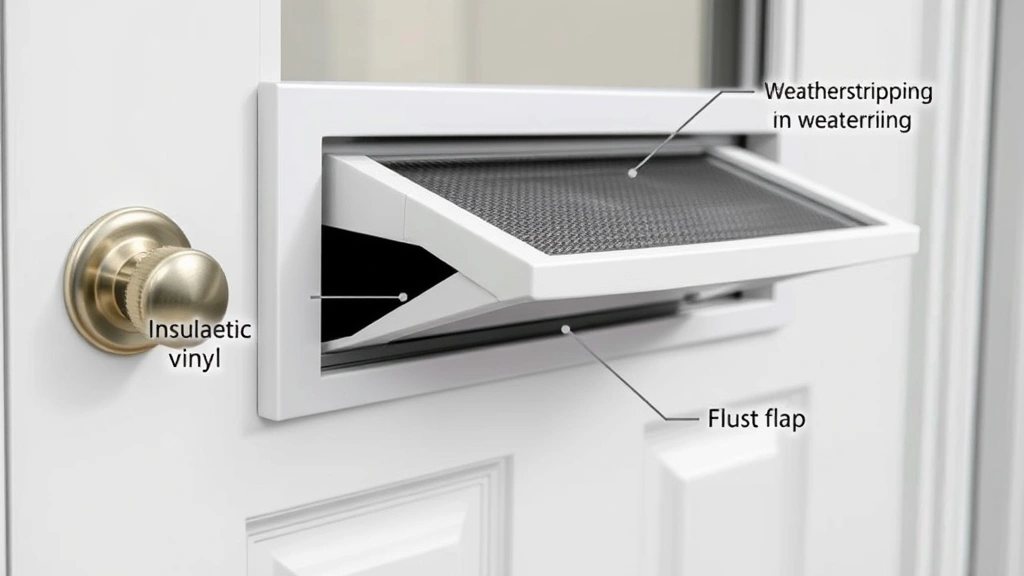
Modern pet doors aren’t just holes cut into doors anymore. Today’s designs include magnetic closures, weatherstripping, and insulated flaps that minimize heat loss. Some even feature electronic locks that only open for your dog’s microchip—because apparently, the neighborhood cat has been freeloading. The best storm door with dog door options use heavy-duty materials that withstand scratching, jumping, and the occasional aggressive nose-booping.
Top Features to Look for in Quality Models
When shopping for a storm door with pet door, prioritize these features: adjustable flap tension (so your tiny Chihuahua isn’t knocked over by wind), double-paned glass for energy efficiency, and durable aluminum frames. Look for models with AKC-approved safety ratings where applicable. The flap material matters too—vinyl tends to be more durable than plastic for active dogs. Check whether the door comes with a removable or lockable pet door panel for winter months or when you need complete closure.
Installation Considerations for Pet Door Entries
Installing a storm door with dog door is generally a DIY-friendly project if you’re handy, but some folks prefer professional installation. Measure your doorway twice (seriously, measure twice), and ensure you have adequate clearance for both human and canine traffic. The pet door opening should be positioned low enough for your dog to access comfortably—typically 2-3 inches from the bottom of the door. Poor installation can lead to drafts, so don’t skimp on weatherstripping. If you have a low maintenance dog breed, you might prioritize aesthetics; for high-energy breeds, durability is paramount.
Best Storm Door Brands with Integrated Pet Doors
Several manufacturers have cracked the code on combining storm doors with pet access. Larson, Pella, and Andersen all offer solid options with varying price points. Budget-friendly alternatives from brands like Ideal Pet Products deliver surprising quality. Mid-range options typically include better insulation and smoother operation. Premium models feature motorized locks, enhanced security features, and designer finishes. Do your homework—read reviews specifically mentioning pet use, not just general storm door feedback.
Sizing Your Dog Door Correctly
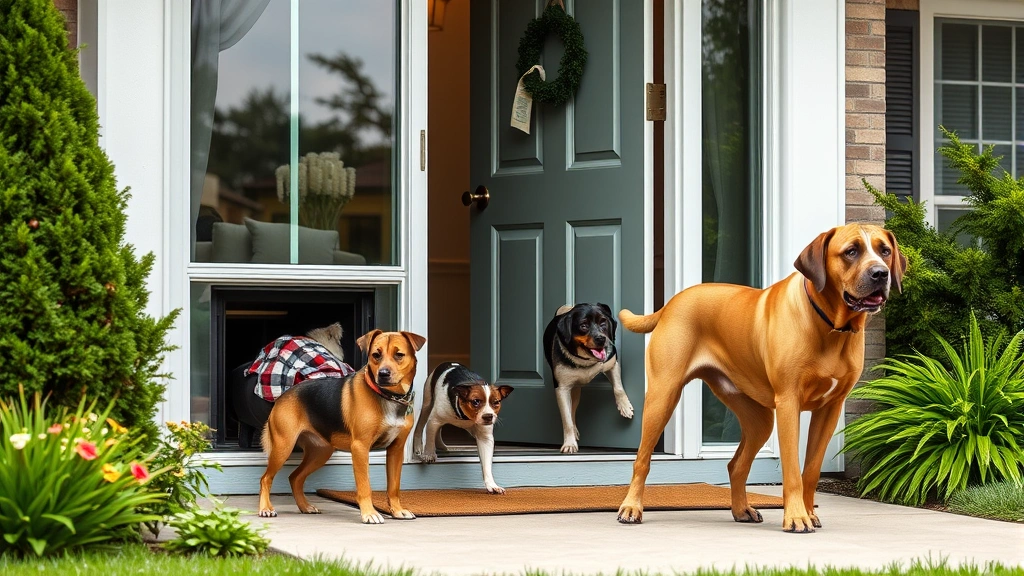
This seems obvious, but many pet owners get it wrong. Your dog door should be just large enough for your pup to pass through comfortably—not so large that drafts whistle through like a wind tunnel. Measure your dog’s height and width at the widest point (usually the chest), then add 1-2 inches for comfortable movement. If you have multiple dogs of different sizes, go with the larger dog’s measurements. Some models offer adjustable flap openings, which is perfect for households with size variations. Remember, a too-large opening defeats the energy-efficiency purpose entirely.
Weather Resistance and Seasonal Performance
A proper storm door with dog door should handle everything from scorching summer heat to freezing winter conditions. Look for double-seal designs and insulated frames that prevent condensation buildup. In winter, the magnetic closure on the pet flap becomes crucial—it should snap shut firmly without requiring your dog to push through excessive resistance. Some owners invest in removable pet door inserts for extreme climates, essentially turning their storm door into a regular storm door during the harshest months. This flexibility is worth considering if you live in an area with dramatic seasonal changes.
Security Features You Shouldn’t Ignore
While we love our furry friends, security matters. A quality storm door with dog door should include a lockable pet flap or a removable pet panel. Electronic pet doors that respond to your dog’s microchip prevent neighborhood animals from entering your home uninvited. Some models include alarm systems that alert you when the door opens. If you’re concerned about intruders, opt for a storm door with reinforced frames and tempered glass. These features add cost but provide peace of mind, especially if you live in an area with wildlife or stray animal concerns.
Maintenance and Cleaning Tips
Pet doors require regular maintenance. Clean the flaps monthly with mild soap and water—dirt buildup reduces their flexibility and efficiency. Check weatherstripping seasonally and replace if it’s cracked or compressed. For active dogs during hot weather, ensure the flap operates smoothly and isn’t sticking. Lubricate hinges and magnetic closures with silicone spray (avoid WD-40 near pet areas). If your dog wears a leather dog collar or martingale collar for dogs, ensure the collar doesn’t catch on the flap edges—this is a safety concern worth addressing.
Cost Breakdown: What You’ll Actually Spend
Budget-friendly storm doors with pet doors start around $200-400. Mid-range options run $400-800, offering better insulation and durability. Premium models with advanced features exceed $1,000. Installation costs vary—DIY saves money but requires confidence; professional installation typically costs $100-300. Don’t forget about potential maintenance and replacement parts. A quality storm door with dog door is an investment that pays dividends through energy savings and convenience over 10-15 years of use. Compare total cost of ownership, not just the sticker price.
Common Mistakes Pet Owners Make
The biggest mistake? Buying a door without measuring properly. Second mistake: choosing based on appearance alone without considering your dog’s size and energy level. Third: neglecting weatherstripping, which defeats the energy-efficiency purpose. Fourth: installing the pet door too high—your dog shouldn’t have to jump or struggle. Fifth: failing to account for multiple pets with size differences. Sixth: not reading reviews from actual pet owners. Learn from others’ mistakes before dropping your cash.
Alternatives to Consider
If a permanent storm door with dog door isn’t feasible, consider standalone pet doors that fit into existing doors, or sliding glass door inserts. Pet gates and barriers work for some households. Retractable pet doors offer flexibility. Some homeowners install separate dedicated pet doors in addition to their main entry. Each alternative has trade-offs regarding convenience, aesthetics, and energy efficiency. A true storm door with integrated pet door remains the gold standard for most situations.
Frequently Asked Questions
Can I install a pet door in an existing storm door?
Yes, many aftermarket pet door kits fit existing storm doors, though installation difficulty varies. Some doors accommodate pet doors better than others. Check your specific door model’s compatibility before purchasing.
Will a storm door with dog door help my energy bills?
Absolutely. These doors provide extra insulation and reduce drafts compared to a regular door with a standalone pet door. You’ll typically see modest savings, especially in extreme climates.
What size dog door opening do I need?
Measure your dog’s height and width at the widest point, then add 1-2 inches. Most small dogs need 5×7 inch openings, medium dogs 8×12 inches, and large dogs 10×15 inches or larger.
Are electronic pet doors worth the investment?
If you have concerns about stray animals or neighborhood pets entering your home, yes. Microchip-activated doors provide security and peace of mind, though they cost more upfront.
How often should I replace the pet door flap?
Quality flaps last 5-10 years with proper maintenance. Replace them sooner if they’re cracked, torn, or no longer seal properly against drafts.
Can large dogs use storm doors with pet doors?
Yes, but you’ll need a larger model specifically designed for big breeds. Standard storm doors with pet doors typically accommodate dogs up to 80-90 pounds comfortably.
Final Thoughts: Making Your Decision
A storm door with dog door is more than just a convenience—it’s an investment in your home’s energy efficiency, security, and your sanity. Take time to measure, research brands, read reviews from actual pet owners, and consider your specific climate and dog’s needs. Whether you go budget-friendly or premium, the right choice will provide years of hassle-free pet access while keeping your home protected from the elements. Your dog gets freedom, you get peace, and your energy bills get smaller. That’s a win-win-win situation worth pursuing. Now stop being your pup’s personal doorman and let technology handle it.





