
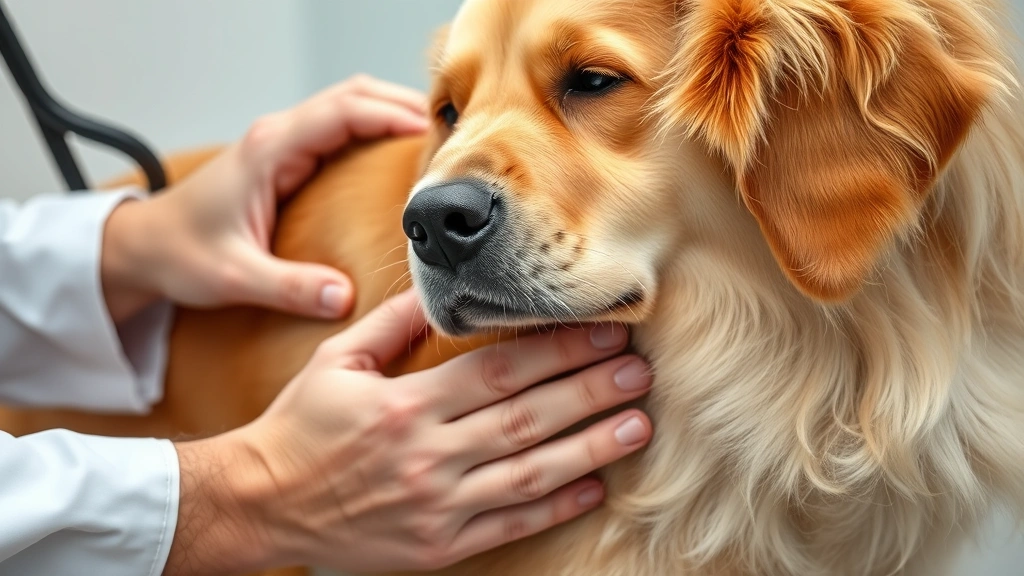
Finding sudden lumps on dog under skin is enough to make any pet parent’s heart skip a beat. One day your pup feels smooth and normal, the next day you’re running your hands over their body and boom—there’s a weird bump you’ve never felt before. Welcome to the club of dog owners who’ve experienced the mini panic attack that comes with discovering mysterious lumps on their furry best friend.
Table of Contents
- What Causes Sudden Lumps Under Your Dog’s Skin?
- Understanding Lipomas: The Friendly Fatty Lumps
- Infections and Abscesses: When Lumps Get Angry
- Allergic Reactions and Swelling: The Temporary Troublemakers
- Swollen Lymph Nodes: When Your Dog’s Immune System Speaks Up
- The Scary Stuff: Malignant Tumors and Cancer
- Warning Sign #1: Rapid Growth Rate
- Warning Sign #2: Hard, Immovable, or Irregularly Shaped Lumps
- Warning Sign #3: Discharge, Bleeding, or Open Sores
- Warning Sign #4: Your Dog Is Acting Sick or Uncomfortable
- Warning Sign #5: Multiple Lumps Appearing at Once
- When to Call Your Vet Immediately
- What to Expect at the Vet’s Office
- The Waiting Game: Managing Anxiety While You Wait for Results
- Prevention: Can You Stop Lumps Before They Start?
- Living With Benign Lumps: When the Diagnosis Is Good News
- When Lumps Require Treatment
- The Bottom Line on Sudden Lumps
- Frequently Asked Questions
Here’s the thing: not every lump is a death sentence, but not every lump is harmless either. The key is knowing what to look for, when to freak out (just a little), and when to call your vet. Let’s break down everything you need to know about those uninvited bumps making an appearance under your dog’s skin.
What Causes Sudden Lumps Under Your Dog’s Skin?
Before we dive into panic mode, let’s talk about why these lumps show up in the first place. Subcutaneous lumps on dogs can appear for a bunch of different reasons, ranging from completely benign to requiring immediate veterinary attention.
The most common culprits include fatty tumors (lipomas), cysts, abscesses from infections, allergic reactions, swollen lymph nodes, and yes, sometimes cancerous growths. The tricky part? You can’t tell the difference just by looking or feeling. That’s why your vet exists, and why they’re worth every penny.
Understanding Lipomas: The Friendly Fatty Lumps
If we’re talking about the most common type of lipoma in dogs, you’re probably looking at a benign fatty tumor. These bad boys are basically your dog’s version of a love handle—completely harmless, though admittedly not attractive.
Lipomas are soft, moveable, and slow-growing. They’re most common in older dogs and overweight pups (hey, no judgment here). The good news? They don’t hurt your dog, they don’t spread, and they rarely cause problems unless they’re in a spot that interferes with movement or become so large they affect your dog’s quality of life.
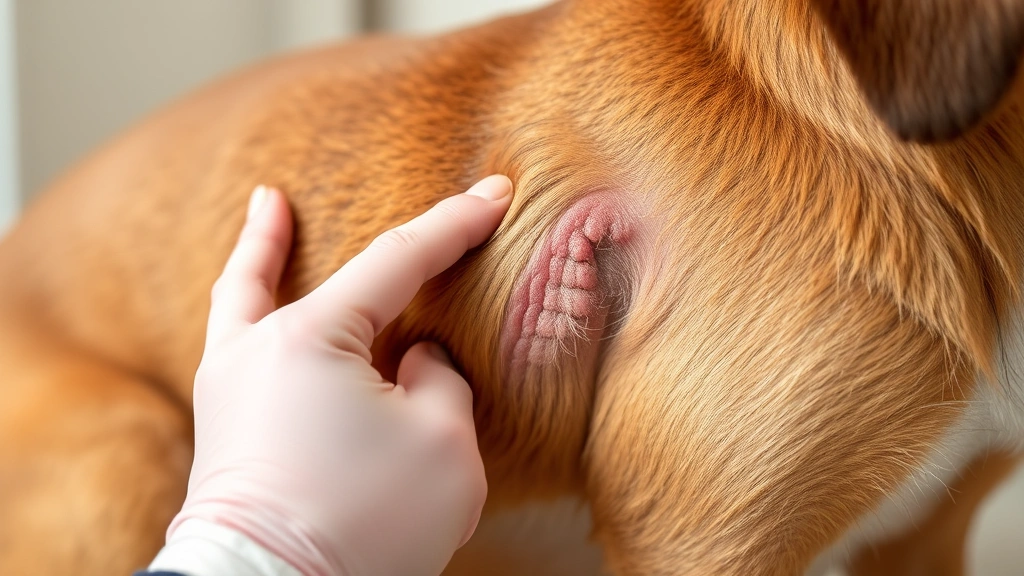
The bad news? Once they show up, they’re not going away on their own. Some vets recommend surgical removal, especially if the lump is growing quickly or in a problematic location. Others say leave them alone if they’re not bothering your dog. It’s basically the dog version of deciding whether to get that mole removed.
Infections and Abscesses: When Lumps Get Angry
Sometimes that lump under your dog’s skin is actually an abscess—basically a pocket of infection trying to wall itself off from the rest of your dog’s body. These typically show up after a bite, puncture wound, or some kind of trauma you might not have even noticed.
Abscesses are usually hot, painful, and sometimes oozy. Your dog might be limping, licking at the area obsessively, or acting generally miserable. If you suspect an abscess, this is a “call your vet today” situation, not a “monitor it and see what happens” situation. Infections can spread, and nobody wants that.
Allergic Reactions and Swelling: The Temporary Troublemakers
Did your dog get stung by a bee? Bitten by something? Exposed to a new food or environmental allergen? Welcome to the world of allergic reactions, where lumps can appear seemingly overnight and then vanish just as mysteriously.
These lumps are usually temporary and resolve on their own as the allergic response dies down. However, if your dog is having trouble breathing, seems extremely uncomfortable, or the swelling is spreading, you need emergency vet care. Anaphylaxis in dogs is real and serious.

Swollen Lymph Nodes: When Your Dog’s Immune System Speaks Up
Sometimes what feels like a lump is actually a swollen lymph node, which means your dog’s immune system is working overtime fighting something off. This could be a minor infection, a more serious illness, or sometimes even cancer.
Swollen lymph nodes are usually firm, not moveable like lipomas, and they’re often found in predictable spots like under the jaw, behind the ears, or in the armpits. If you notice dog skin lumps in these areas that feel hard and immovable, your vet needs to know about it.
The Scary Stuff: Malignant Tumors and Cancer
Let’s address the elephant in the room: sometimes lumps are cancer. Mast cell tumors, hemangiosarcomas, and various sarcomas can all show up as lumps under the skin. The scary part? They can look and feel similar to benign lumps.
This is exactly why you can’t diagnose lumps at home, no matter how much Dr. Google wants to help. Your vet might recommend a fine needle aspiration, ultrasound, or biopsy to figure out what you’re dealing with. It sucks, it’s stressful, but it’s the only way to know for sure.
Warning Sign #1: Rapid Growth Rate
One of the biggest red flags is when a lump grows noticeably larger over days or weeks. Benign lipomas grow slowly—we’re talking months or years. If something’s expanding like it’s being inflated, that’s worth investigating immediately.

Keep track of your dog’s lumps. Measure them if you can, take photos, note when you first noticed them. This information is gold for your vet when it comes time to figure out what’s happening.
Warning Sign #2: Hard, Immovable, or Irregularly Shaped Lumps
Benign lumps tend to be soft, moveable, and symmetrical. If you’re feeling something hard as a rock, completely fixed in place, or weirdly misshapen, that’s a reason to schedule a vet appointment sooner rather than later.
The texture and mobility of a lump can tell your vet a lot about what they’re dealing with. Cancerous tumors tend to be firmer and less moveable than fatty tumors. It’s not a definitive diagnosis, but it’s definitely a clue.
Warning Sign #3: Discharge, Bleeding, or Open Sores
If your dog’s lump is leaking, bleeding, or has developed an open sore, this is a “get to the vet today” situation. This could indicate infection, ulceration, or a more aggressive growth that’s breaking through the skin.
Don’t try to clean it or treat it at home (I know you want to). Just get professional help. Your vet needs to see what’s actually happening before you start messing with it.

Warning Sign #4: Your Dog Is Acting Sick or Uncomfortable
If your dog is lethargic, not eating, limping, or otherwise acting unwell alongside the appearance of lumps, that’s a sign that something more systemic might be going on. Check out our article on lethargic dog issues for more information on recognizing when your pup isn’t feeling right.
Benign lumps shouldn’t make your dog feel bad. If they’re acting off, the lumps are probably a symptom of something bigger that needs investigation.
Warning Sign #5: Multiple Lumps Appearing at Once
One weird lump? Could be anything. Multiple lumps popping up simultaneously? That suggests a systemic issue—could be an allergic reaction, could be an infection spreading, could be something more serious. This pattern absolutely warrants a vet visit.
If your dog suddenly looks like they’re growing bumps all over their body, don’t wait. Get them checked out. This could also be related to mange on dogs, which is a parasitic skin condition that needs treatment.
When to Call Your Vet Immediately
Some situations demand immediate attention. Call your vet right now if:

- Your dog is having trouble breathing or swallowing
- There’s discharge, bleeding, or an open wound on the lump
- Your dog is in obvious pain or distress
- Multiple lumps appear suddenly
- A single lump grows visibly larger in days
- Your dog is acting sick or lethargic alongside the lumps
If it’s after hours and you’re genuinely concerned, call an emergency vet clinic. They exist for a reason, and this might be that reason.
What to Expect at the Vet’s Office
Your vet will likely start with a physical examination, feeling the lumps and checking for other signs of illness. They’ll ask questions about when you first noticed the lumps, whether they’re growing, and how your dog is otherwise acting.
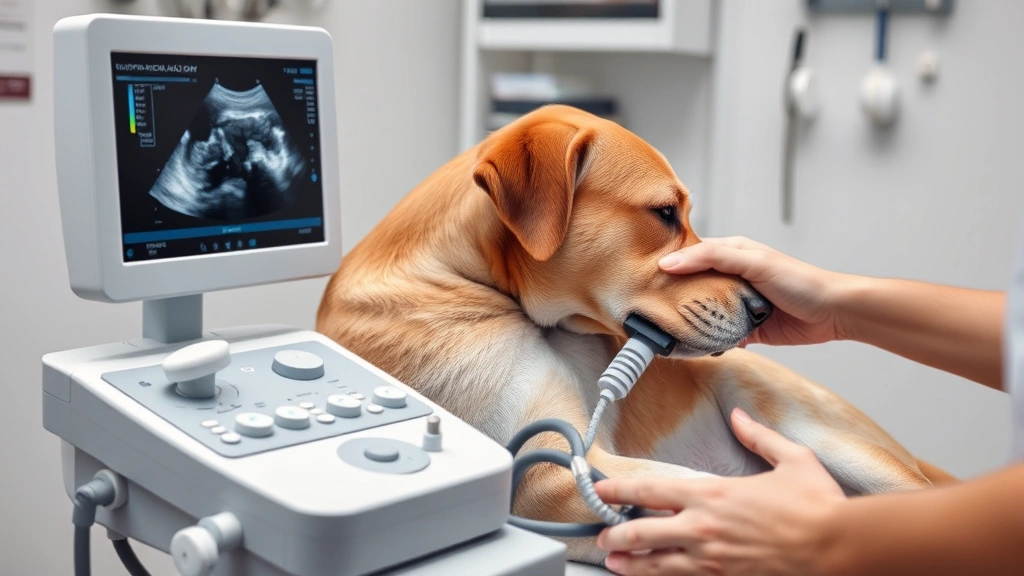
Depending on what they find, they might recommend further diagnostics like ultrasound, X-rays, or a fine needle aspiration. A fine needle aspiration involves inserting a tiny needle into the lump to collect cells that can be examined under a microscope. It’s quick, relatively painless, and super informative.
If cancer is suspected, your vet might recommend a biopsy, which is more invasive but gives a definitive diagnosis. This is the gold standard for figuring out exactly what you’re dealing with.
The Waiting Game: Managing Anxiety While You Wait for Results
The hardest part of finding a lump on your dog isn’t the lump itself—it’s the waiting for answers. You’re going to spiral a little bit. That’s normal. You’re going to Google things at 3 AM. That’s also normal. Try not to drive yourself completely crazy.

The reality is that many lumps are benign. The vast majority of dogs with lumps live long, happy lives. Try to focus on that while you’re waiting for your vet appointment.
Prevention: Can You Stop Lumps Before They Start?
Here’s the truth: you can’t completely prevent lumps from appearing. Some are genetic, some are just bad luck, and some are part of aging. However, you can reduce some risk factors.
Keep your dog at a healthy weight—obesity increases the risk of lipomas and other health issues. Feed high-quality food, keep your dog active, and maintain regular vet checkups. Early detection is your best friend when it comes to lumps. If your vet catches something early, you have more options and better outcomes.
Regular hands-on checks of your dog’s body also help. Run your hands over your pup regularly so you know what’s normal for them. This way, you’ll notice changes immediately rather than months down the line.
Living With Benign Lumps: When the Diagnosis Is Good News
If your vet determines that the lumps are benign—whether they’re lipomas, cysts, or something else harmless—congratulations! You can breathe again.
Most benign lumps don’t require treatment. Your vet might recommend monitoring them, taking periodic measurements, or just leaving them alone. Some dogs have multiple lipomas and live perfectly normal lives without any issues.
If a benign lump is causing problems—like interfering with movement or growing so large it’s affecting quality of life—surgical removal is an option. Discuss the risks and benefits with your vet.
When Lumps Require Treatment
If your dog’s lumps are caused by infection, like mastitis in dogs or other bacterial infections, treatment will involve antibiotics and possibly drainage or surgical intervention.
If cancer is diagnosed, your options might include surgery, chemotherapy, radiation, or a combination of treatments. This is a conversation for you and your vet, and it depends on the type of cancer, how advanced it is, your dog’s age and health, and your personal preferences.
The Bottom Line on Sudden Lumps
Finding sudden lumps on dog under skin is stressful, but it’s not automatically a death sentence. Some lumps are completely benign and require no treatment. Others need intervention. The only way to know for sure is to get your dog examined by a veterinarian.

Don’t ignore lumps, but don’t panic either. Stay calm, document what you’re seeing, and schedule a vet appointment. Your vet has the tools and expertise to figure out what’s going on and recommend the best course of action.
Remember: you know your dog better than anyone. If something feels wrong, trust your gut and get it checked out. That’s what vets are for, and early detection saves lives.
Frequently Asked Questions
Are all lumps on dogs cancerous?
No, absolutely not. In fact, many lumps are benign. Lipomas (fatty tumors) are the most common type of lump in dogs, and they’re completely harmless. Cysts, abscesses, and allergic swelling are also common causes of lumps. Only a veterinarian can determine whether a lump is cancerous.
How quickly should I get my dog to the vet for a lump?
If the lump is causing your dog pain, is bleeding, has discharge, or your dog is acting sick, get to the vet immediately. For other lumps, schedule an appointment within a week or so. Don’t wait months, but you don’t necessarily need to panic and rush to an emergency clinic unless there are concerning signs.
Can I treat a lump at home?
No. You cannot diagnose a lump at home, and attempting home treatment could delay necessary medical care. Even if a lump seems harmless, it needs professional evaluation. Don’t apply creams, don’t try to drain it, don’t do anything except get it checked by a vet.
What does a cancerous lump feel like?
Cancerous lumps tend to be firm, immovable, irregularly shaped, and might feel attached to underlying tissue. However, some cancerous lumps can feel soft and moveable, and some benign lumps can feel firm. You cannot reliably diagnose a lump by touch alone.
How much does it cost to diagnose a lump?
A basic physical exam and fine needle aspiration might cost $100-$300. More advanced diagnostics like ultrasound or biopsy can cost $300-$1,000 or more. It varies by location and clinic. Many vets offer payment plans if cost is a concern.
Should I have a benign lump removed?
That’s a decision to make with your vet. If the lump isn’t bothering your dog and isn’t growing, removal might not be necessary. If it’s interfering with movement, growing rapidly, or causing your dog discomfort, removal might be recommended. Surgical removal carries its own risks, so weigh the pros and cons with your vet.
Can lumps appear overnight?
Yes, sometimes. Allergic reactions, abscesses, and swelling from injuries can appear very quickly. However, many lumps develop gradually and you just didn’t notice them until they were larger. This is why regular hands-on checks of your dog’s body are helpful.





