
The symptoms of bloat in dogs can appear suddenly and escalate into a life-threatening emergency within hours. Bloat, medically known as gastric dilatation-volvulus (GDV), is one of the most dangerous conditions a dog owner can face. Unlike a simple upset stomach, bloat doesn’t give you much time to think—it demands immediate action. If your dog is showing signs of gastric distension, you need to recognize them fast and get to a vet immediately.
Table of Contents
- What Exactly Is Bloat in Dogs?
- Sign #1: Distended or Hard Abdomen
- Sign #2: Excessive Drooling and Unproductive Retching
- Sign #3: Restlessness and Panting
- Sign #4: Weakness and Pale Gums
- Sign #5: Unresponsiveness and Collapse
- Why Does Bloat Happen So Fast?
- Risk Factors and Bloat Prevention
- What To Do If You Suspect Bloat
- Diagnosis and Treatment Options
- Recovery and Long-Term Outlook
- Frequently Asked Questions
- Summary: Know These Bloat Symptoms and Act Fast
What Exactly Is Bloat in Dogs?
Bloat occurs when a dog’s stomach fills with gas, food, or fluid and becomes abnormally distended. In severe cases, the stomach can actually twist on itself (volvulus), cutting off blood supply and causing tissue death. This is why bloat is considered a surgical emergency. The condition affects large and giant breed dogs more frequently, though any dog can develop it. Breeds like Great Danes, German Shepherds, Boxers, and Weimaraners face higher risk, but the American Kennel Club notes that smaller breeds aren’t immune.
Sign #1: Distended or Hard Abdomen
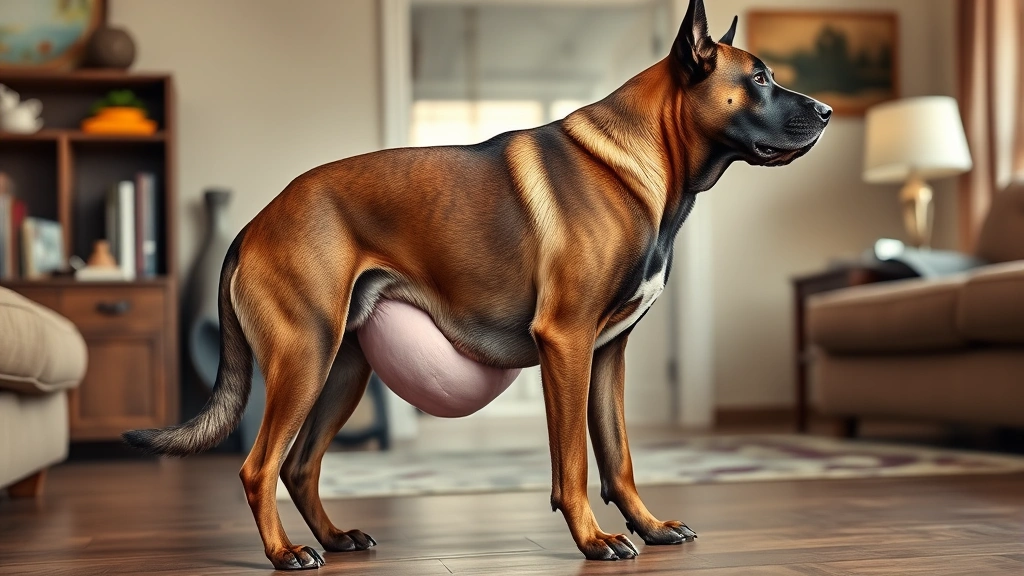
One of the most obvious symptoms of bloat in dogs is a visibly swollen belly. Your dog’s abdomen will appear tight, hard, and drum-like when you touch it. If your normally soft-bellied pup suddenly feels like a water balloon, that’s a red flag. This distension happens because gas accumulates faster than the stomach can expel it. Don’t confuse this with normal post-meal fullness—bloat bloat feels genuinely uncomfortable and unnatural. Your dog might also seem reluctant to lie down or move around because the pressure is causing pain.
Sign #2: Excessive Drooling and Unproductive Retching
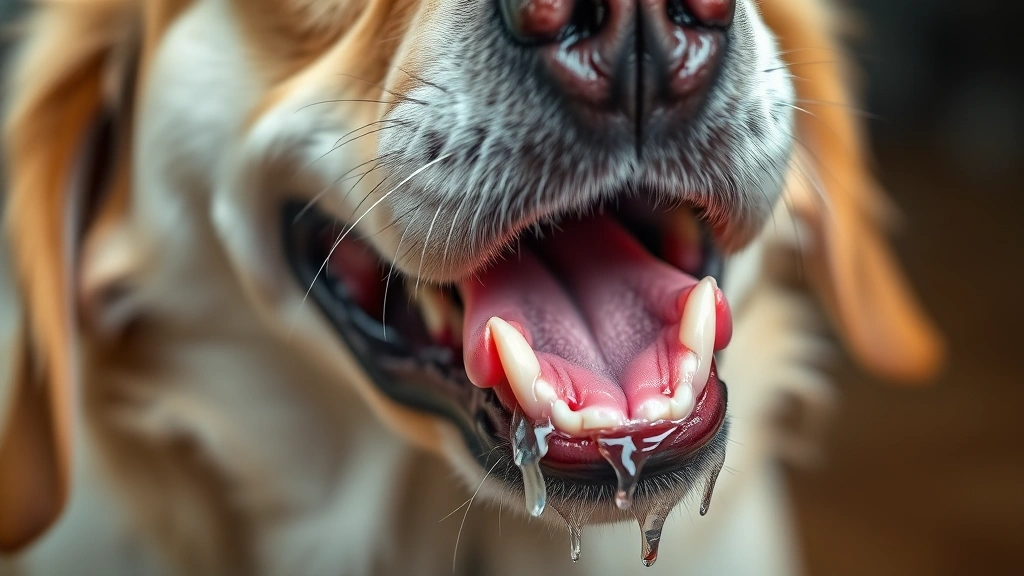
Dogs with bloat often drool excessively and attempt to vomit without bringing anything up. This happens because the stomach is so distended that it interferes with normal swallowing and digestion. You’ll notice your dog gagging repeatedly or making retching motions that produce nothing. This is different from a dry cough followed by gagging, which has other causes. The retching in bloat is persistent, frantic, and clearly distressing to watch.
Sign #3: Restlessness and Panting
A dog experiencing bloat can’t get comfortable. They’ll pace around, shift their weight from one leg to another, and seem anxious or panicked. Rapid panting is common because the dog is in pain and their cardiovascular system is under stress. This restlessness isn’t the normal fidgeting of a dog who needs a bathroom break—it’s desperate and concerning. Your dog might also whine or cry, indicating severe discomfort. If your dog suddenly displays lethargy in dogs after the initial restlessness phase, this indicates the condition is worsening and shock may be setting in.
Sign #4: Weakness and Pale Gums
As bloat progresses, your dog may become weak, wobbly, or unable to stand properly. Their gums might appear pale or white instead of the healthy pink color you’re used to seeing. This happens because the twisted stomach cuts off blood circulation, causing shock. Pale gums are a particularly serious sign—they indicate your dog’s body is failing to maintain proper blood flow. This is a medical emergency that requires immediate veterinary intervention. Check your dog’s gums by lifting their lip; they should return to pink within two seconds when you press them.
Sign #5: Unresponsiveness and Collapse
In advanced stages, a dog with severe bloat may become unresponsive, collapse, or lose consciousness. At this point, the condition has progressed to shock, and every second counts. Your dog’s body is shutting down because the stomach torsion has caused catastrophic internal damage. If your dog reaches this stage, they’re in critical condition and need emergency surgery immediately. This is why recognizing earlier symptoms is so crucial—you want to get to the vet before your dog reaches this point.
Why Does Bloat Happen So Fast?
The reason bloat is so dangerous is its speed. A healthy dog can deteriorate into critical condition within 1-2 hours. The stomach’s twisted position prevents gas from escaping, pressure builds rapidly, and blood supply gets cut off. Unlike a dog with diarrhea but acting fine, a dog with bloat will show obvious signs of severe distress. The mortality rate for untreated bloat is extremely high, which is why vets consider it one of the most time-sensitive emergencies in veterinary medicine.
Risk Factors and Bloat Prevention
Certain factors increase bloat risk: eating one large meal daily, eating too quickly, exercising vigorously right after eating, and stress. Large breed dogs are more susceptible, and dogs with family histories of bloat face higher risk. To reduce your dog’s bloat risk, feed smaller meals multiple times daily, use slow-feeder bowls, avoid exercise immediately after meals, and keep stress levels low. Some vets recommend a prophylactic gastropexy surgery for high-risk breeds, which essentially tacks the stomach in place to prevent twisting. Talk to your veterinarian about whether this preventive procedure makes sense for your dog.
What To Do If You Suspect Bloat
If your dog shows any combination of these symptoms, don’t wait. Call your veterinarian or emergency vet clinic immediately. Don’t try home remedies or wait to see if symptoms improve. Bloat requires emergency surgery to untwist the stomach and assess damage. Time is literally life-or-death with this condition. Have your vet’s emergency number saved in your phone, and know where your nearest 24-hour emergency clinic is located. When you call, tell them you suspect bloat so they can prepare for your arrival.
Diagnosis and Treatment Options
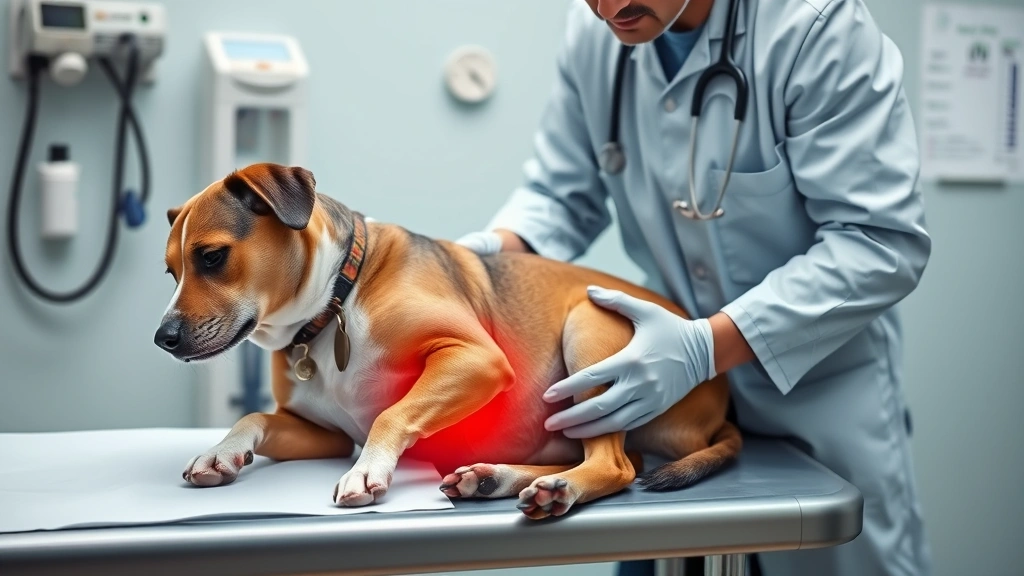
Veterinarians diagnose bloat through physical examination and X-rays, which clearly show the distended, twisted stomach. Treatment involves emergency surgery to untwist the stomach and remove any damaged tissue. During surgery, the vet will perform a gastropexy to prevent recurrence. PetMD notes that even with prompt treatment, some dogs don’t survive bloat due to the extent of tissue damage. However, dogs treated quickly have much better survival rates. Post-operative care includes pain management, antibiotics, and careful monitoring for complications.
Recovery and Long-Term Outlook
Dogs that survive bloat surgery need careful post-operative care. They’ll need pain medication, restricted activity, and frequent veterinary check-ups. Some dogs develop complications like arrhythmias or organ damage that require ongoing management. However, many dogs recover well and live normal lifespans after successful bloat surgery. The key is catching it early and getting emergency treatment quickly. Your dog’s recovery will depend on how quickly you sought help and the extent of internal damage.
Frequently Asked Questions
Can a dog survive bloat without surgery?
No. Bloat is a surgical emergency. Without surgery to untwist the stomach, the dog will die. There are no non-surgical treatments that can save a dog with true bloat (GDV). Even dogs with simple gastric dilatation (without volvulus) typically need veterinary intervention and monitoring.
How quickly does bloat kill a dog?
Bloat can become fatal within 1-2 hours if untreated. The twisted stomach cuts off blood supply, and the dog goes into shock. This is why recognizing symptoms and seeking emergency care immediately is absolutely critical.
Is bloat painful for dogs?
Yes, bloat is extremely painful. The distended stomach causes severe abdominal pain, and if the stomach twists, the pain intensifies. Your dog will show obvious signs of distress, including panting, restlessness, drooling, and attempted vomiting.
Can small dogs get bloat?
While bloat is more common in large breeds, small dogs can develop it too. Any dog can experience gastric dilatation, though the condition is less common in toy and small breed dogs.
What should I feed my dog to prevent bloat?
Feed smaller meals multiple times daily rather than one large meal. Use a slow-feeder bowl to prevent gulping. Avoid feeding right before or after vigorous exercise. Some owners add a small amount of water to kibble to prevent rapid expansion in the stomach.
Is bloat hereditary in dogs?
There appears to be a genetic component to bloat susceptibility. If your dog’s parents or siblings experienced bloat, your dog faces higher risk. Discuss this with your vet when considering breeding or evaluating risk factors.
Summary: Know These Bloat Symptoms and Act Fast
The symptoms of bloat in dogs include a hard, distended abdomen, excessive drooling with unproductive retching, restlessness and rapid panting, weakness with pale gums, and in severe cases, collapse and unresponsiveness. This condition is life-threatening and requires immediate emergency veterinary care. Don’t hesitate, don’t wait, and don’t try home treatments. If you suspect your dog has bloat, get to an emergency vet clinic right now. Minutes literally matter with this condition. By recognizing these critical warning signs early, you give your dog the best chance of survival and recovery. Stay vigilant, know your dog’s normal behavior, and never ignore signs of severe abdominal distress.





