
If your dog loves exploring the great outdoors, you’ve probably worried about ticks at some point—and rightfully so. Symptoms of lyme disease in dogs can sneak up on you faster than a squirrel at a dog park, and knowing what to look for could be the difference between catching it early and dealing with serious complications. Lyme disease is no joke, but don’t panic—we’re here to break down everything you need to know about recognizing, understanding, and managing this tick-borne illness in your furry best friend.
Table of Contents
- What Exactly Is Lyme Disease in Dogs?
- Early Warning Signs: Recognizing Lyme Disease Symptoms in Dogs
- Joint Pain and Lameness: The Most Common Complaint
- Kidney Issues: The Silent Threat
- Fever and General Malaise
- Neurological Symptoms: Rare but Serious
- Skin Conditions and Secondary Issues
- How to Diagnose Lyme Disease
- Treatment Options and What to Expect
- Prevention: Your Best Defense
- Long-Term Outlook and Recovery
- Frequently Asked Questions
- Summary: Staying Ahead of Lyme Disease
What Exactly Is Lyme Disease in Dogs?
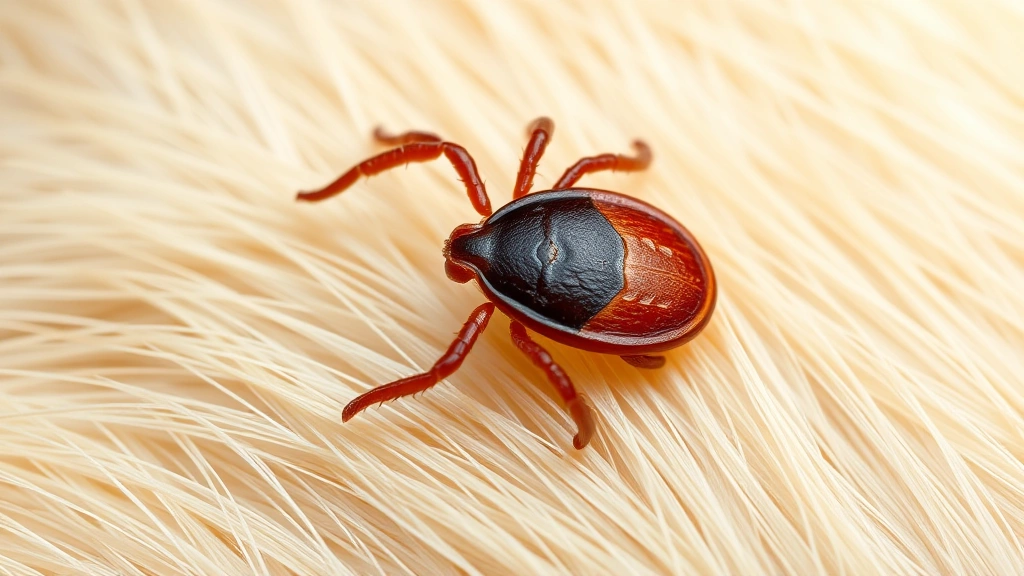
Lyme disease is caused by a sneaky bacterium called Borrelia burgdorferi, which gets transmitted to your pup through infected tick bites. The culprit? The tiny deer tick (also called the black-legged tick), which is smaller than a sesame seed and loves hiding in tall grass, wooded areas, and brush. Your dog doesn’t need to be bitten by many ticks to get infected—sometimes just one is enough. The bacteria can take weeks or even months to show up as noticeable lyme disease symptoms in dogs, which is why prevention and early detection are absolutely critical.
Early Warning Signs: Recognizing Lyme Disease Symptoms in Dogs
The tricky part about lyme disease is that early symptoms can be subtle and easily mistaken for other conditions. Within the first few weeks after infection, you might notice your dog acting a bit off—maybe they’re more lethargic than usual, or they seem to have lost their appetite. Some dogs develop a fever, though you might not notice it without taking their temperature. A few lucky pups develop a bullseye-like rash at the bite site, but this isn’t always visible under all that fur. If your dog seems unusually tired or isn’t eating like their normal self, it’s worth a vet visit, especially if they’ve been in tick territory.
Joint Pain and Lameness: The Most Common Complaint
Here’s where lyme disease really shows its ugly face in dogs. One of the most characteristic symptoms of lyme disease in dogs is joint pain and lameness, which can appear weeks or even months after the initial infection. Your dog might start limping on one or more legs, seem reluctant to jump or climb stairs, or just generally move like they’re stiff and sore. Some dogs will favor a leg for a few days, then switch to limping on a different one—it’s like their joints are playing musical chairs. This arthritis-like condition, called Lyme arthritis, is incredibly common in infected dogs and can really impact their quality of life. If your previously active pup suddenly becomes a couch potato, don’t just assume they’re getting old.
Kidney Issues: The Silent Threat
While joint pain gets most of the attention, Lyme disease can also wreak havoc on your dog’s kidneys, leading to a serious condition called Lyme nephritis. This is where things get genuinely scary. Dogs with kidney involvement might drink more water than usual and urinate more frequently—behaviors you might initially brush off as normal. But they can also develop protein loss through their urine, which can lead to swelling in the face, legs, and belly. Vomiting, loss of appetite, lethargy, and weight loss are red flags that kidney damage might be occurring. If your dog shows signs of unusual coughing or gagging, combined with drinking more water, get them to a vet immediately. According to PetMD’s comprehensive guide on Lyme disease, kidney involvement is one of the most serious complications and requires aggressive treatment.
Fever and General Malaise
Sometimes lyme disease makes your dog feel downright miserable. A fever might accompany the early stages of infection, and your dog might just seem generally unwell—kind of like when you have the flu and everything hurts. They might be less interested in their favorite toys, reluctant to go for walks, or just want to curl up in their favorite spot all day. While these signs could indicate a bunch of different conditions, when combined with other symptoms and a history of tick exposure, they’re worth investigating. Don’t ignore the subtle signs—your dog can’t tell you what’s wrong, so you have to be their detective.
Neurological Symptoms: Rare but Serious
In some cases, Lyme disease can affect the nervous system, leading to more serious neurological complications. This is relatively uncommon in dogs, but when it happens, it’s serious stuff. You might notice behavioral changes, confusion, or even seizures in severe cases. Some dogs develop facial paralysis or sensitivity to light. These symptoms are definitely not something to wait out—if you see any neurological signs, especially combined with other lyme disease symptoms, your dog needs veterinary care ASAP. According to research from the American Animal Hospital Association, neurological involvement requires specialized diagnostic testing and treatment.

Skin Conditions and Secondary Issues
Beyond the direct effects of Lyme disease, some dogs develop secondary skin issues. Tick-borne illness can compromise the immune system, making your dog more susceptible to other infections and skin problems. You might notice your dog scratching more than usual, developing hot spots, or showing signs of hair loss. If your dog is already dealing with skin conditions like mange, Lyme disease could make everything worse. Always check your dog’s skin thoroughly during tick season, and report any unusual rashes, bumps, or irritation to your vet.
How to Diagnose Lyme Disease
If you suspect your dog has lyme disease, your vet will likely run blood tests to check for antibodies against the Borrelia burgdorferi bacteria. The most common test is the C6 test, which is pretty reliable and can catch infections relatively early. Your vet might also run a urinalysis to check for protein in the urine, which could indicate kidney involvement. X-rays might be needed if your dog is showing severe joint pain. Remember, just because your dog tests positive doesn’t automatically mean they’re sick—some dogs can be infected without showing symptoms. Your vet will consider the clinical signs, test results, and your dog’s history to make the best diagnosis and treatment plan.
Treatment Options and What to Expect
The good news? Lyme disease is treatable, especially when caught early. Your vet will typically prescribe antibiotics, usually doxycycline, for several weeks. Most dogs start feeling better within a few days to a week of starting treatment, though some might need longer courses depending on the severity. If your dog has kidney involvement, treatment becomes more complex and might require additional medications to protect kidney function. Pain management is also important—your vet might recommend anti-inflammatory medications or joint supplements to help your dog feel more comfortable. Follow your vet’s instructions carefully and complete the full course of antibiotics, even if your dog seems better.
Prevention: Your Best Defense
Here’s the real talk: preventing Lyme disease is infinitely easier than treating it. Use tick prevention products year-round, especially if you live in or travel to tick-prone areas. There are topical treatments, oral medications, collars, and even vaccines available. Check your dog thoroughly for ticks after outdoor adventures, paying special attention to warm, moist areas like armpits, between toes, and behind ears. Remove any ticks promptly using tweezers or a tick removal tool—don’t use your bare fingers. If your dog spends a lot of time outdoors or you live in a high-risk area, talk to your vet about the best prevention strategy. Some dogs with heartworm concerns benefit from combination preventatives that protect against multiple parasites. Consider limiting outdoor time during peak tick season, and keep your yard maintained by removing brush and tall grass where ticks like to hide. Even on days when it’s too hot to walk your dog, ticks can still be active in certain conditions, so year-round prevention is essential.
Long-Term Outlook and Recovery
Most dogs recover well from Lyme disease when treated appropriately, though some might have lingering joint issues even after successful antibiotic treatment. The key is catching it early and being consistent with treatment. Some dogs might experience chronic pain or arthritis-like symptoms long-term, but these can usually be managed with medications, supplements, and physical therapy. Regular follow-up appointments with your vet are important to make sure your dog is responding to treatment and that kidney function is being monitored. Don’t get discouraged if recovery takes time—your dog’s immune system needs time to fully clear the infection.
Frequently Asked Questions
Can Lyme disease in dogs be fatal?
While Lyme disease itself is rarely fatal, the kidney complications (Lyme nephritis) can be life-threatening if left untreated. This is why early detection and aggressive treatment are so important. With proper veterinary care, most dogs survive and recover well.

How long does it take for Lyme disease symptoms to appear in dogs?
Symptoms can appear anywhere from a few days to several months after infection. Some dogs show signs within a week or two, while others might not display symptoms for months. This delayed presentation is one reason why prevention is so critical.
Is there a Lyme disease vaccine for dogs?
Yes, there is a Lyme disease vaccine available for dogs. It’s especially recommended for dogs that live in or frequently visit high-risk areas. Talk to your vet about whether it’s appropriate for your dog, as it’s not universally recommended for all dogs.
Can my dog get Lyme disease more than once?
Unfortunately, yes. Recovering from Lyme disease doesn’t provide lifelong immunity, so your dog can potentially be infected again. This makes ongoing prevention absolutely essential.
What should I do if I find a tick on my dog?
Use fine-tipped tweezers to grasp the tick as close to the skin as possible and pull straight out with steady pressure. Don’t twist or jerk, as this can leave the mouthparts embedded. Clean the area with antiseptic and dispose of the tick properly. If you’re uncomfortable removing it, your vet can do it for you.
Summary: Staying Ahead of Lyme Disease
Understanding the symptoms of lyme disease in dogs is your first line of defense against this serious tick-borne illness. From joint pain and lameness to kidney issues and neurological complications, Lyme disease can affect your dog in multiple ways. The key is staying vigilant with prevention, knowing what signs to watch for, and getting your dog to a vet quickly if you suspect infection. Use year-round tick prevention, check your dog regularly for ticks, maintain your yard, and don’t hesitate to reach out to your veterinarian with concerns. Your dog is counting on you to keep them safe and healthy, and with the right knowledge and proactive care, you can protect them from this preventable disease. Stay informed, stay vigilant, and keep those ticks at bay!





