
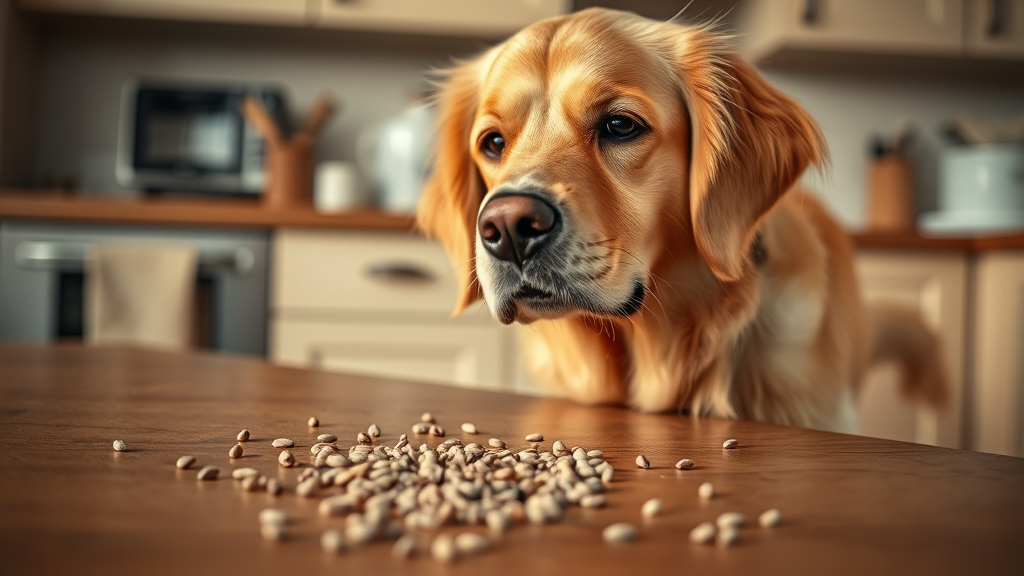
When enjoying a poppy seed muffin or bagel, many dog owners wonder if their furry companions can safely share this treat. The question “can dogs have poppy seeds” is more complex than it might initially appear, and the answer requires careful consideration of both safety and health implications.
Poppy seeds, derived from the opium poppy plant (Papaver somniferum), are commonly used in baking and cooking worldwide. While these tiny seeds add a distinctive nutty flavor and appealing texture to human foods, their safety for canine consumption is a topic that every responsible dog owner should understand thoroughly.
What Are Poppy Seeds and Where Do They Come From?
Poppy seeds are harvested from the dried seed pods of the opium poppy plant, scientifically known as Papaver somniferum. These minute seeds, typically measuring less than a millimeter in diameter, have been cultivated for thousands of years across various cultures for both culinary and medicinal purposes.
The seeds themselves contain trace amounts of opiates, including morphine and codeine, which remain on the seed coat even after processing. While the concentration is generally low in commercially available poppy seeds, it can vary significantly depending on the source, processing methods, and storage conditions.
In human cuisine, poppy seeds are prized for their nutty flavor and are commonly found in baked goods, salad dressings, and various ethnic dishes. However, what makes them appealing to humans can potentially pose risks to our canine companions due to their smaller body size and different metabolic processes.

The Toxicity Concerns: Why Poppy Seeds Can Be Dangerous
The primary concern with dogs consuming poppy seeds lies in their opiate content. Even though the concentration is relatively low, dogs are significantly more sensitive to these compounds than humans. The ASPCA Animal Poison Control Center lists poppy seeds among foods that can be problematic for pets.
The toxic compounds in poppy seeds can affect a dog’s central nervous system, potentially leading to respiratory depression, altered mental state, and other serious complications. The severity of these effects depends on several factors, including the dog’s size, the amount consumed, and the specific opiate concentration in the seeds.
Unlike some other seeds that might be safe for dogs, such as can dogs eat pumpkin seeds, poppy seeds carry inherent risks that make them unsuitable for canine consumption. The unpredictable nature of opiate levels in different batches of poppy seeds makes it impossible to determine a “safe” amount for dogs.
Additionally, dogs process opiates differently than humans, making them more susceptible to adverse effects even from small quantities. This metabolic difference, combined with their typically smaller body weight, means that what might be a harmless amount for a human could be dangerous for a dog.
Recognizing Symptoms of Poppy Seed Poisoning
If a dog consumes poppy seeds, owners should be vigilant for signs of opiate toxicity. Symptoms can appear within 30 minutes to 2 hours after ingestion and may include lethargy, weakness, difficulty walking, and changes in breathing patterns.
Neurological symptoms are particularly concerning and may manifest as disorientation, loss of coordination, tremors, or seizures. Gastrointestinal upset, including vomiting and diarrhea, is also common. In severe cases, dogs may experience respiratory depression, which is a life-threatening emergency requiring immediate veterinary intervention.
The American Veterinary Medical Association emphasizes the importance of seeking immediate veterinary care if poisoning is suspected. Early intervention significantly improves the prognosis and reduces the risk of complications.
Pet owners should also monitor for changes in heart rate, body temperature, and pupil size, as these can indicate opiate toxicity. Unlike other types of food-related upset that might resolve on their own, poppy seed toxicity requires professional medical attention.

Safe Seed Alternatives for Dogs
Fortunately, there are several seed options that are not only safe for dogs but can also provide nutritional benefits. Can dogs eat chia seeds is a question with a positive answer, as these seeds offer omega-3 fatty acids and fiber when given in appropriate amounts.
Sunflower seeds (unsalted and shelled) can be a healthy treat for dogs in moderation, providing vitamin E and healthy fats. Flaxseeds, when ground, offer similar benefits to chia seeds and are generally well-tolerated by most dogs. These alternatives allow pet owners to share seed-based treats without the risks associated with poppy seeds.
When considering can dogs have sesame seeds, the answer is generally yes in small quantities, though they should be hulled and given sparingly. The key with any seed is moderation and proper preparation to ensure digestibility and safety.
Before introducing any new food, including safe seeds, it’s advisable to consult with a veterinarian, especially for dogs with existing health conditions or dietary restrictions. The FDA’s pet food safety guidelines provide additional resources for pet owners seeking information about safe feeding practices.
What to Do If Your Dog Eats Poppy Seeds
If you discover that your dog has consumed poppy seeds, immediate action is crucial. First, try to determine the amount consumed and the time of ingestion, as this information will be valuable for veterinary assessment. Remove any remaining poppy seed products from your dog’s reach to prevent further consumption.
Contact your veterinarian immediately or call a pet poison control hotline such as the Pet Poison Helpline. Do not attempt to induce vomiting unless specifically instructed by a veterinary professional, as this can sometimes cause more harm than good.
While waiting for professional guidance, monitor your dog closely for any symptoms of toxicity. Keep your pet calm and comfortable, but avoid giving any food or water unless directed by a veterinarian. If possible, collect a sample of the product your dog consumed to show the veterinary team.
Transportation to an emergency veterinary clinic may be necessary, especially if symptoms are already present. Time is critical in poisoning cases, and prompt professional intervention can make a significant difference in the outcome.
Prevention and Safe Storage Tips
Prevention is always the best approach when it comes to protecting dogs from potentially harmful foods. Store all baked goods and ingredients containing poppy seeds in secure, dog-proof containers placed well out of reach. This is particularly important for counter-surfing dogs who might help themselves to unattended food.
When baking or cooking with poppy seeds, be mindful of cleanup and ensure no seeds fall to the floor where curious dogs might find them. Educate all family members, especially children, about the importance of not sharing poppy seed treats with pets.
Consider the broader context of seed safety as well. While exploring what nuts can dogs eat, remember that many nuts and seeds have specific safety considerations that differ from poppy seeds but still require careful attention.
Regular training can also help prevent food-related incidents. Teaching commands like “leave it” and “drop it” can be invaluable in situations where dogs encounter potentially harmful foods. The Humane Society offers excellent resources for basic dog training that can enhance safety.
Frequently Asked Questions
Can dogs eat foods with small amounts of poppy seeds?
No, dogs should not eat any foods containing poppy seeds, regardless of the amount. Even small quantities can be potentially harmful due to the opiate content and dogs’ sensitivity to these compounds. It’s best to avoid giving dogs any baked goods or dishes that contain poppy seeds.
Are all types of poppy seeds equally dangerous for dogs?
Yes, all poppy seeds from the Papaver somniferum plant contain opiates and pose similar risks to dogs. The concentration may vary between different sources and processing methods, but there’s no way to determine “safe” poppy seeds, making it best to avoid them entirely.
How quickly do symptoms appear if a dog eats poppy seeds?
Symptoms of poppy seed toxicity can appear anywhere from 30 minutes to 2 hours after ingestion. However, the timeline can vary depending on factors such as the dog’s size, the amount consumed, and individual metabolism. Some dogs may show symptoms sooner, while others might take longer.
What should I do if my dog accidentally licks a poppy seed muffin?
If your dog only had minimal contact with poppy seeds, monitor them closely for any unusual symptoms. While a small lick might not cause serious problems, it’s still advisable to contact your veterinarian for guidance, especially if your dog is small or has health issues.
Are there any dog breeds more sensitive to poppy seeds?
While all dogs are sensitive to opiates, smaller breeds may be at higher risk due to their lower body weight. Additionally, breeds with known sensitivities to medications or those with liver issues might be more susceptible to adverse effects. However, poppy seeds should be avoided for all dogs regardless of breed.
Can cooking or baking eliminate the toxicity of poppy seeds for dogs?
No, cooking or baking does not eliminate the opiate compounds in poppy seeds. The toxic substances remain present even after exposure to heat, so baked goods containing poppy seeds are still dangerous for dogs. Always keep poppy seed muffins, bagels, and other baked items away from pets.
What’s the difference between poppy seeds and other seeds dogs can eat safely?
The key difference is that poppy seeds contain opiates, which are toxic to dogs, while safe alternatives like can dogs have chia seeds or properly prepared sunflower seeds do not contain these harmful compounds. Safe seeds can even provide nutritional benefits when given in appropriate amounts, unlike poppy seeds which should be completely avoided.





