
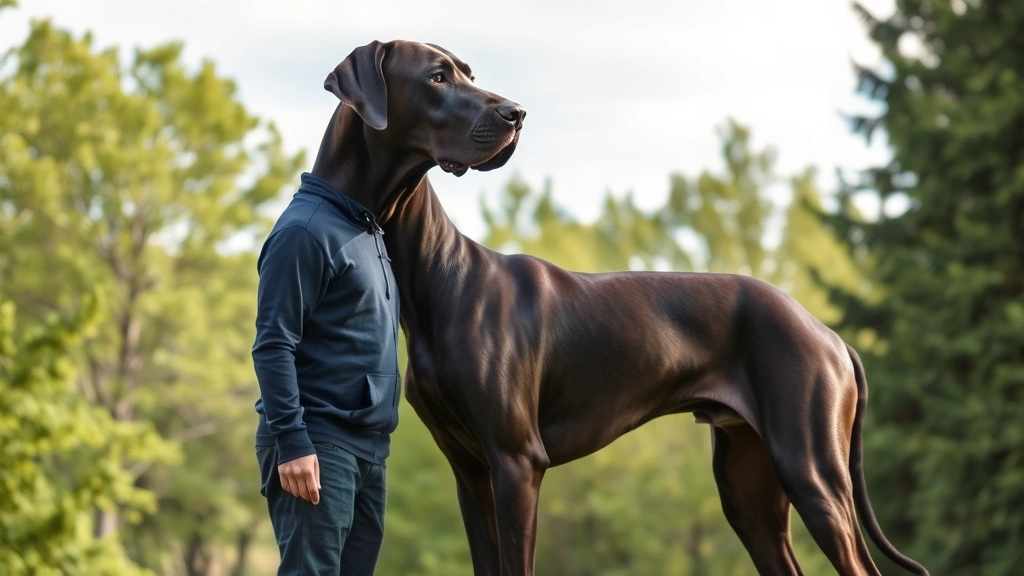
When it comes to the biggest dog in the world, we’re talking about absolute units of canine magnificence that make regular dogs look like chihuahuas. These gentle giants can weigh as much as a grown man, eat more than your entire family combined, and require a king-sized bed just to stretch out. If you’re considering bringing one of these colossal companions into your home, buckle up—because life with a giant breed is a wild, hair-covered, drool-splattered adventure.
Table of Contents
- What Defines the Biggest Dog Breeds?
- The Great Dane: King of Size
- The English Mastiff: Heavyweights Champion
- Saint Bernards: The Rescue Heroes
- Newfoundlands: Water-Loving Giants
- Leonbergers: The Majestic Lions
- Irish Wolfhounds: The Tallest Breed
- Caring for the Biggest Dogs: Food and Nutrition
- Exercise and Space Requirements
- Health Considerations for Giant Breeds
- Training and Temperament
- Cost of Ownership: The Financial Reality
- Giant Breeds vs. Other Large Dogs
- Is a Giant Breed Right for You?
- Conclusion: The Joy of Giant Companions
- Frequently Asked Questions
What Defines the Biggest Dog Breeds?
The biggest dogs in the world aren’t just tall; they’re absolute tanks of muscle, bone, and pure dog power. We’re talking about breeds that tip the scales at 100+ pounds and can reach heights that rival some humans when they stand on their hind legs. These giant breed dogs come from working backgrounds—originally bred to guard livestock, pull sleds, or rescue people in dangerous situations. Their massive size served a purpose, and that heritage still shows in their temperament today.

The Great Dane: King of Size
If there’s one breed that consistently claims the title of the biggest dog in the world, it’s the Great Dane. These magnificent creatures can weigh up to 175 pounds and stand nearly 34 inches at the shoulder. One famous Great Dane named Zeus holds the Guinness World Record at an astounding 44 inches tall—that’s taller than most humans when he’s on his hind legs. Despite their intimidating size, Great Danes are absolute sweethearts, often called “gentle giants” because they’re surprisingly affectionate and lazy. They’d rather lounge on your couch (and completely cover it) than run marathons.
The English Mastiff: Heavyweights Champion
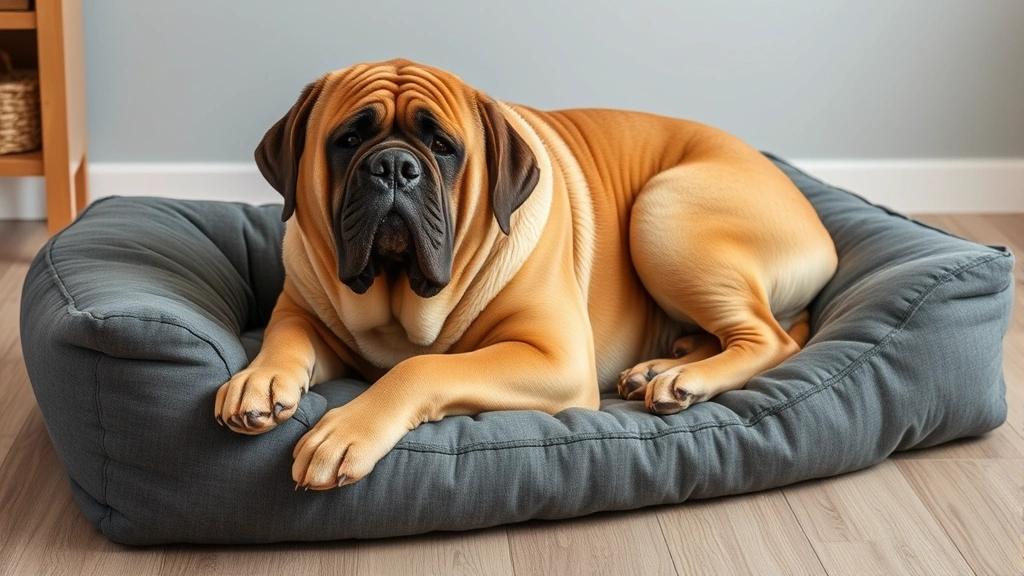
While Great Danes win on height, English Mastiffs often take the crown for sheer bulk and weight. These dogs can reach weights of 230 pounds or more, making them some of the heaviest dog breeds on the planet. An English Mastiff named Zorba holds the record for heaviest dog ever recorded at 343 pounds—basically a small car with fur and a tail. Mastiffs have a calm, dignified demeanor and were historically used as guard dogs for estates and castles. Their massive heads and powerful builds command respect, but they’re generally gentle and protective rather than aggressive.

Saint Bernards: The Rescue Heroes
Saint Bernards are legendary mountain rescue dogs, and their size matches their heroic reputation. These giant breed dogs typically weigh between 120-180 pounds and stand up to 28 inches tall. Originating in the Swiss Alps, they were bred to rescue travelers lost in snowstorms—a job that requires serious size and strength. Saint Bernards have thick, water-resistant coats and an incredible ability to navigate treacherous terrain. They’re also remarkably gentle with children and make excellent family dogs, despite their imposing appearance.
Newfoundlands: Water-Loving Giants
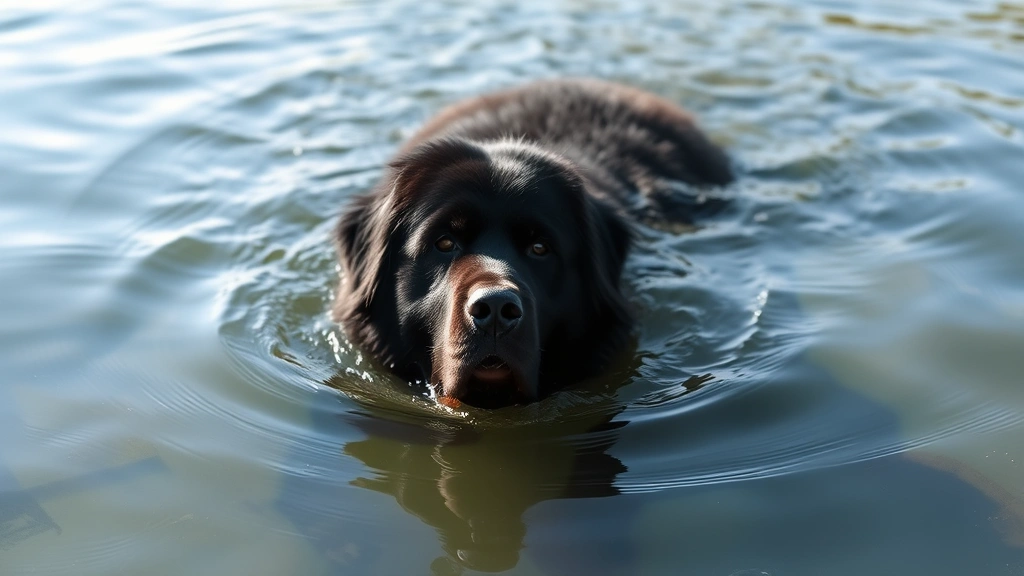
Don’t let their somewhat stocky build fool you—Newfoundlands are absolutely massive dogs that can weigh up to 200 pounds. These water-loving giants have webbed paws and water-resistant coats, making them natural swimmers. Historically used as working dogs for fishermen in Newfoundland, Canada, they’re incredibly strong and have been known to rescue drowning people. Their gentle temperament and love of water make them excellent family companions, though they do shed enough fur to knit a second dog.
Leonbergers: The Majestic Lions
Leonbergers are stunning dogs that look like they belong in a fairy tale, with their lion-like manes and powerful builds. These German giants can weigh up to 170 pounds and stand 31 inches tall. They were originally bred to guard livestock and have an impressive combination of strength, intelligence, and loyalty. Leonbergers are fantastic with families and children, though they require significant space and exercise. Their beautiful coat requires regular grooming, and they’re prone to shedding during certain seasons.

Irish Wolfhounds: The Tallest Breed
Irish Wolfhounds often compete with Great Danes for the title of tallest dog breed, regularly reaching heights of 32-34 inches. These sighthounds were originally bred to hunt wolves and large game in Ireland, and they maintain that athletic, graceful build despite their enormous size. Irish Wolfhounds typically weigh between 140-180 pounds and have a surprisingly gentle temperament. They’re known for being sensitive and affectionate, though they do have a prey drive that can kick in around smaller animals.

Caring for the Biggest Dogs: Food and Nutrition
Feeding the biggest dog in the world is no joke—these giants can consume 4-10 cups of food daily, which adds up quickly. Giant breed dogs have specific nutritional needs, including proper calcium and phosphorus ratios to support their massive skeletal systems. It’s crucial to choose high-quality dog food formulated for large breeds. Many owners turn to trusted brands, and if you’re researching options, you might want to check out resources about whether Purina One is a good dog food for your giant companion. Giant breeds are also prone to bloat, a serious and potentially life-threatening condition, so feeding multiple smaller meals throughout the day is recommended over one large meal.
Exercise and Space Requirements
Contrary to what you might think, many of the biggest dog in the world breeds don’t require excessive exercise. Great Danes, for instance, are relatively lazy and happy with moderate daily walks. However, they do need significant space—living in a tiny apartment with a 200-pound dog isn’t ideal. These giant breed dogs benefit from a securely fenced yard where they can move around freely. Proper equipment is essential, too; check out options for a large dog harness to ensure safe, comfortable walks without strain on their massive bodies.

Health Considerations for Giant Breeds
The biggest dogs in the world face unique health challenges that smaller breeds don’t encounter. Hip dysplasia, elbow dysplasia, and heart problems are common in giant breeds. Their rapid growth rate puts enormous stress on their bodies, and they typically have shorter lifespans than smaller dogs—usually 7-10 years compared to 12-15 years for average-sized dogs. Regular veterinary checkups, appropriate nutrition, and avoiding excessive jumping or strenuous activity during their growth phase are crucial. According to the American Kennel Club, giant breed puppies should be raised carefully to minimize joint stress during development.

Training and Temperament
The biggest dogs in the world are generally intelligent and eager to please, but their sheer size means training is non-negotiable. A 200-pound dog pulling on the leash isn’t just annoying—it’s dangerous. Early socialization and obedience training are essential, starting when they’re puppies. Most giant breeds are naturally gentle and protective rather than aggressive, but they need to understand boundaries and basic commands. Their size alone makes them intimidating, which can actually be an advantage for home security, but their temperament is typically calm and affectionate with their families.

Cost of Ownership: The Financial Reality
Owning the biggest dog in the world is expensive. Food costs alone can run $100-300 monthly, veterinary care is pricier for larger dogs, and emergency medical treatment can be astronomical. You’ll also invest in sturdy furniture, large crates, and quality bedding. Grooming costs vary by breed—some giant dogs require professional grooming, while others need regular brushing at home. Pet insurance is highly recommended for giant breeds due to their health vulnerabilities. Before committing to a giant breed, make sure your budget can handle the financial responsibility.
Giant Breeds vs. Other Large Dogs
It’s worth noting that while we discuss the biggest dog in the world, there are other large breeds that might interest you. If you’re curious about the broader spectrum of large dogs, you might explore kinds of pitbull dogs or consider whether a smaller alternative like a mini Bernese mountain dog might suit your lifestyle better. Giant breeds require serious commitment, but for the right family, they’re incredibly rewarding companions.
Is a Giant Breed Right for You?
Before bringing home the biggest dog in the world, honestly assess your lifestyle. Do you have the space? Can you afford the food and veterinary care? Are you prepared for the shorter lifespan and potential health issues? Do you have the time and patience for training a massive, powerful dog? Are you okay with excessive shedding and drool? If you’ve answered yes to these questions, a giant breed might be perfect for you. If you’re hesitant about any of them, consider a medium-sized breed instead. There’s no shame in recognizing that a giant dog isn’t the right fit.
Conclusion: The Joy of Giant Companions
The biggest dogs in the world offer something special—an unconditional love that comes in a massive, furry package. Whether it’s a Great Dane lounging on your lap, a Newfoundland diving into the lake, or a Saint Bernard greeting you at the door, giant breed dogs have a way of capturing hearts completely. They’re gentle giants that bring joy, protection, and companionship to their families. Yes, they require more food, more space, and more veterinary care, but the love they give in return is immeasurable. If you’re considering welcoming the biggest dog in the world into your home, prepare yourself for a life-changing adventure filled with memories you’ll treasure forever.
Frequently Asked Questions
What is the biggest dog breed in the world?
The Great Dane and English Mastiff compete for this title. Great Danes are typically the tallest, while English Mastiffs are often the heaviest. A Great Dane named Zeus holds the height record at 44 inches, while an English Mastiff named Zorba holds the weight record at 343 pounds.
How much does the biggest dog in the world eat?
Giant breed dogs typically consume 4-10 cups of high-quality dog food daily, depending on their size, age, and metabolism. This can cost $100-300 monthly. It’s important to feed them multiple smaller meals to prevent bloat, a serious condition in large dogs.
How long do the biggest dogs live?
Giant breed dogs typically have shorter lifespans than smaller breeds, usually living 7-10 years. Some may reach 12 years with excellent care, but it’s less common. Regular veterinary checkups and proper nutrition can help maximize their lifespan.
Are the biggest dogs good family pets?
Yes, most giant breed dogs are excellent family pets. Breeds like Great Danes, Saint Bernards, and Newfoundlands are known for their gentle temperament and patience with children. However, their size requires supervision around small children, and they need proper training and socialization.
Do the biggest dogs require a lot of exercise?
Interestingly, many giant breed dogs don’t require excessive exercise. Great Danes, for example, are relatively lazy and content with moderate daily walks. However, they do need significant space to move around, and young puppies should avoid strenuous activity to protect developing joints.





