
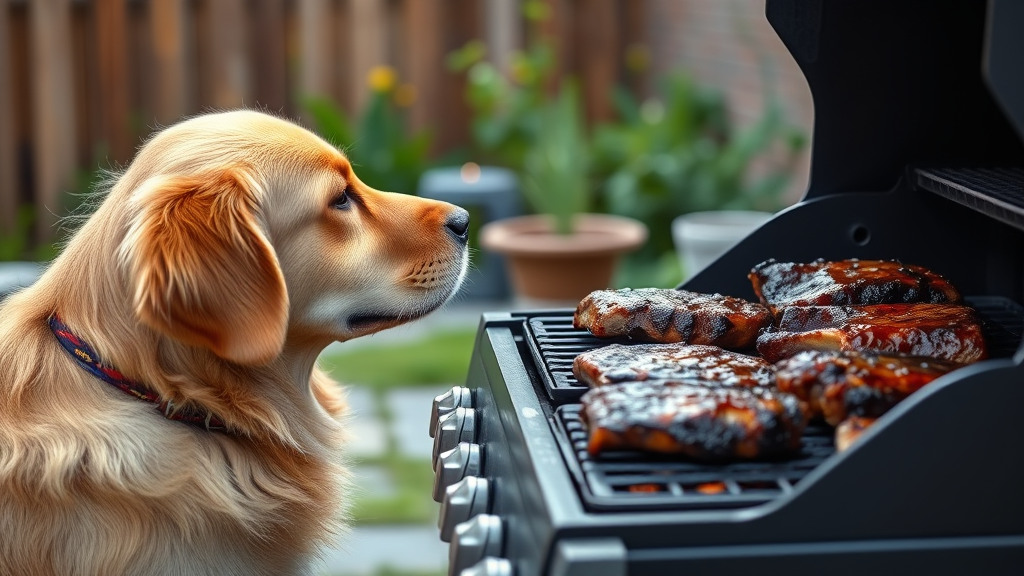
As a dog owner, you’ve probably watched your furry friend give you those pleading eyes while you enjoy a delicious rack of pork ribs. The question “can dogs have pork rib bones” is one that many pet parents grapple with, especially during barbecue season or family dinners. While it might seem natural to share these tasty bones with your canine companion, the answer isn’t as straightforward as you might think.
Understanding the safety implications of giving pork rib bones to dogs requires careful consideration of various factors, including the type of bone, how it’s prepared, and your dog’s individual characteristics. This comprehensive guide will explore everything you need to know about pork rib bones and dogs, helping you make informed decisions about your pet’s diet and safety.
Understanding Pork Rib Bones and Their Characteristics
Pork rib bones come in various forms, from baby back ribs to spare ribs, each with distinct characteristics that affect their safety for dogs. These bones are typically smaller and more delicate than beef bones, making them particularly concerning when it comes to canine consumption. The American Kennel Club emphasizes that bone safety depends largely on size, density, and preparation method.
Unlike larger, denser bones from cattle, pork rib bones have a tendency to splinter more easily, especially after cooking. The structure of these bones includes both the main rib bone and smaller connecting pieces that can break off during chewing. This fragmentation potential makes them significantly more dangerous than many other bone types that dog owners might consider sharing.
When considering whether can dogs eat bones in general, it’s important to understand that pork rib bones fall into the higher-risk category due to their composition and size. The marrow content, while nutritious, doesn’t outweigh the potential hazards associated with these particular bones.
Risks and Dangers of Pork Rib Bones for Dogs
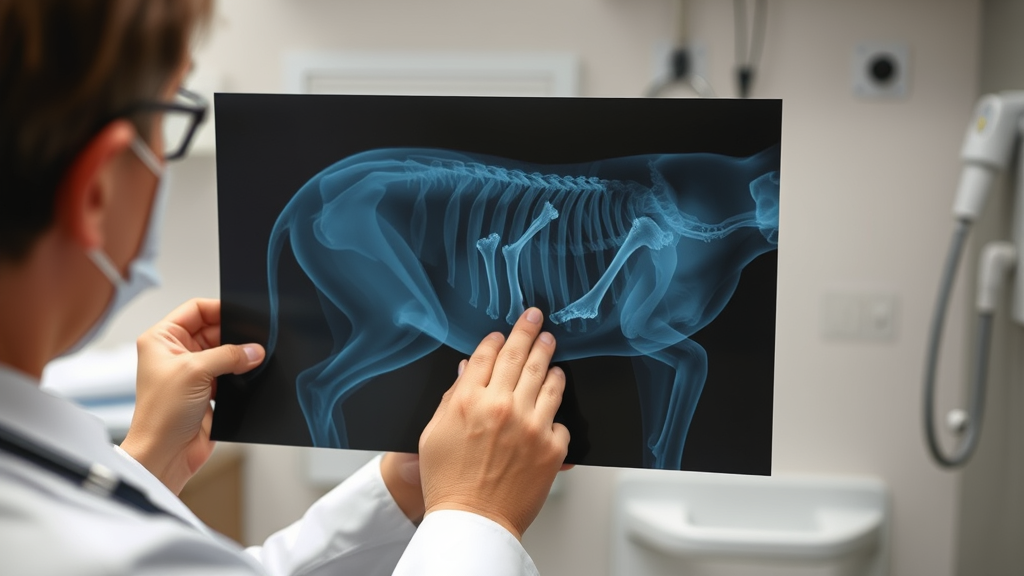
The primary concern with pork rib bones lies in their tendency to splinter into sharp fragments that can cause serious internal injuries. These bone shards can become lodged in your dog’s throat, esophagus, stomach, or intestines, potentially requiring emergency surgical intervention. The American Veterinary Medical Association warns that bone fragments can cause choking, broken teeth, mouth injuries, and digestive tract obstructions.
Gastrointestinal blockages represent one of the most serious risks associated with pork rib bones. When bone fragments accumulate in the digestive system, they can prevent normal food passage, leading to severe pain, vomiting, and potentially life-threatening complications. These blockages often require expensive emergency surgery to remove, and the recovery process can be lengthy and uncomfortable for your pet.
Additionally, pork rib bones can cause dental damage, including cracked or broken teeth. The hardness of cooked bones, combined with aggressive chewing behavior, can result in costly dental procedures. Sharp bone edges can also lacerate the mouth, gums, and tongue, causing pain and potential infection. Just as with can dogs eat chicken bones, the splintering risk makes these bones particularly hazardous.
Another significant concern is the risk of pancreatitis from the high fat content often associated with pork ribs. The fatty meat and seasonings commonly used in rib preparation can trigger acute pancreatitis in sensitive dogs, leading to severe abdominal pain, vomiting, and potentially serious health complications requiring immediate veterinary care.
Cooked vs. Raw Pork Rib Bones: The Critical Difference
The preparation method dramatically affects the safety profile of pork rib bones for dogs. Cooked bones, regardless of the cooking method—whether grilled, baked, boiled, or smoked—become brittle and prone to dangerous splintering. The cooking process removes moisture and changes the bone’s structural integrity, making it more likely to break into sharp, hazardous pieces when chewed.
Raw pork rib bones, while still not recommended by most veterinarians, are generally considered less dangerous than their cooked counterparts. Raw bones maintain more flexibility and are less likely to splinter into sharp fragments. However, this doesn’t make them entirely safe, as they still pose risks of choking, tooth damage, and bacterial contamination. The FDA warns about the bacterial risks associated with raw meat and bones, including Salmonella and E. coli contamination.
Raw pork bones also carry the additional risk of parasites and pathogens specific to pork, including Trichinella spiralis, which causes trichinosis. While freezing can reduce some parasite risks, it doesn’t eliminate bacterial contamination concerns. The processing and handling of raw pork products require strict hygiene measures to prevent cross-contamination in your household.
Many pet owners wonder about this distinction when considering questions like can dogs have ham bones or other pork products. The key takeaway is that cooking always increases the splintering risk, but raw doesn’t necessarily mean safe when it comes to pork products.

Safe Alternatives to Pork Rib Bones
Fortunately, there are numerous safe alternatives that can satisfy your dog’s natural desire to chew without the risks associated with pork rib bones. Commercial dog bones specifically designed for canine consumption undergo safety testing and are manufactured to minimize splintering and choking hazards. These products come in various sizes and hardness levels to match your dog’s chewing style and jaw strength.
Raw beef marrow bones from the leg or thigh are often considered safer alternatives, as they’re larger, denser, and less prone to splintering than pork ribs. However, these should still be given under supervision and removed when they become small enough to pose a swallowing hazard. The ASPCA recommends choosing bones that are appropriate for your dog’s size and monitoring them during chewing sessions.
Synthetic chew toys made from materials like nylon or rubber provide long-lasting entertainment without any splintering risk. Many of these products are designed to promote dental health by helping remove plaque and tartar buildup. Some are even flavored to appeal to dogs who might otherwise be tempted by real bones.
Dental chews and treats specifically formulated for oral health offer another excellent alternative. These products are designed to be completely digestible while still providing the satisfying chewing experience dogs crave. Unlike the concerns with can dogs have chicken bones, these alternatives eliminate splintering risks entirely.
Natural alternatives like bully sticks, antler chews, or specially prepared rawhide can also satisfy your dog’s chewing instincts. However, these should still be chosen carefully based on your dog’s size, chewing intensity, and any dietary restrictions or allergies they may have.
What to Do If Your Dog Eats Pork Rib Bones
If your dog has already consumed pork rib bones, immediate action and careful monitoring are essential. First, remain calm and assess the situation—determine how much and what type of bone your dog consumed, and when it occurred. Contact your veterinarian immediately for professional guidance, as they can provide specific advice based on your dog’s size, the amount consumed, and the type of bone involved.
Do not attempt to induce vomiting unless specifically instructed by your veterinarian. Forcing your dog to vomit bone fragments can cause additional trauma to the esophagus and throat. Instead, monitor your dog closely for signs of distress, including excessive drooling, gagging, difficulty swallowing, vomiting, lethargy, or loss of appetite.
Watch for signs of intestinal blockage, which may not appear immediately. Symptoms include persistent vomiting, inability to defecate, excessive straining during bowel movements, abdominal pain or swelling, and changes in behavior or energy levels. These signs may develop hours or even days after consumption, making ongoing vigilance crucial.
Keep your dog well-hydrated and consider offering small amounts of soft food to help cushion any bone fragments in the digestive system. Some veterinarians recommend feeding bread or canned pumpkin to help surround sharp pieces, but this should only be done under professional guidance. The VCA Animal Hospitals provides detailed information about recognizing digestive emergencies in dogs.
Document any symptoms you observe, including timing and severity, to provide accurate information to your veterinary team. Quick action and professional veterinary care significantly improve outcomes when dogs consume potentially dangerous items like pork rib bones.
Prevention and Safety Tips for Dog Owners
Prevention is always the best approach when it comes to protecting your dog from the dangers of pork rib bones. Establish clear household rules about food disposal, ensuring all family members understand the importance of properly discarding bones and meat scraps. Use secure garbage cans with tight-fitting lids to prevent your dog from accessing discarded bones, and consider using dog-proof containers for particularly determined scavengers.
Educate family members and guests about the dangers of feeding table scraps to dogs, particularly bones from any source. Many well-meaning visitors might offer your dog a bone without understanding the risks involved. Create a household policy that all dog feeding goes through the primary caregiver to maintain consistency and safety.
During meal preparation and consumption, keep your dog in a separate area or use baby gates to prevent access to cooking areas where bones might be dropped or left unattended. This is especially important during barbecues or dinner parties when multiple people might be handling food and bones.
Consider the same precautions you would take with other dangerous foods. Just as you might research can dogs eat bacon or can dogs have bacon, maintain awareness of all potentially harmful foods your dog might encounter.
Provide appropriate alternatives to satisfy your dog’s natural chewing instincts. Having safe, appealing chew toys readily available reduces the likelihood that your dog will seek out inappropriate items like discarded bones. Rotate different types of chews to maintain interest and prevent boredom.
Train your dog with commands like “leave it” and “drop it” to help prevent consumption of dangerous items. Regular training and reinforcement of these commands can be lifesaving in situations where your dog encounters hazardous objects. The Humane Society offers excellent resources for basic dog training that includes safety commands.
Frequently Asked Questions
Can dogs eat cooked pork rib bones safely?
No, dogs should never eat cooked pork rib bones. Cooking makes these bones brittle and prone to splintering into dangerous fragments that can cause choking, internal injuries, and digestive blockages. The cooking process, whether grilling, baking, or boiling, removes moisture and changes the bone structure, making them extremely hazardous for dogs.
Are raw pork rib bones safer than cooked ones?
While raw pork rib bones are less likely to splinter than cooked ones, they are still not recommended for dogs. Raw pork bones carry risks of bacterial contamination, including Salmonella and E. coli, as well as parasites like Trichinella. They can still cause choking, tooth damage, and digestive issues. Most veterinarians advise against giving dogs any pork bones, raw or cooked.
What should I do if my dog accidentally ate a pork rib bone?
Contact your veterinarian immediately for professional guidance. Do not induce vomiting unless specifically instructed by your vet, as this could cause additional trauma. Monitor your dog closely for signs of distress, including drooling, gagging, vomiting, lethargy, or difficulty defecating. Keep detailed notes of any symptoms to share with your veterinary team.
How long does it take for symptoms to appear if a dog eats pork rib bones?
Symptoms can appear anywhere from immediately to several days after consumption. Choking or mouth injuries may be evident right away, while digestive blockages or internal injuries might not manifest for 24-72 hours. This delayed onset makes it crucial to monitor your dog continuously for at least several days after any bone consumption incident.
Can small dogs have pork rib bones if they’re supervised?
No, supervision doesn’t make pork rib bones safe for dogs of any size. Small dogs are actually at higher risk because even small bone fragments can cause proportionally larger problems in their smaller digestive systems. The splintering risk exists regardless of supervision, and bone fragments can cause damage faster than an owner can intervene.
What are the best alternatives to pork rib bones for dogs?
Safe alternatives include commercially manufactured dog bones, raw beef marrow bones (appropriately sized), synthetic chew toys, dental chews, bully sticks, and antler chews. These alternatives provide the chewing satisfaction dogs crave without the splintering risks. Always choose products appropriate for your dog’s size and supervise chewing sessions.
Do all cooked bones pose the same risks as pork rib bones?
Yes, all cooked bones become brittle and prone to splintering, making them dangerous for dogs. This includes bones from chicken, turkey, beef, and pork. The cooking process fundamentally changes bone structure regardless of the animal source. Similar concerns apply when considering can dogs eat turkey bones or can dogs eat bones chicken, as the cooking process creates the same splintering hazards across all bone types.





