
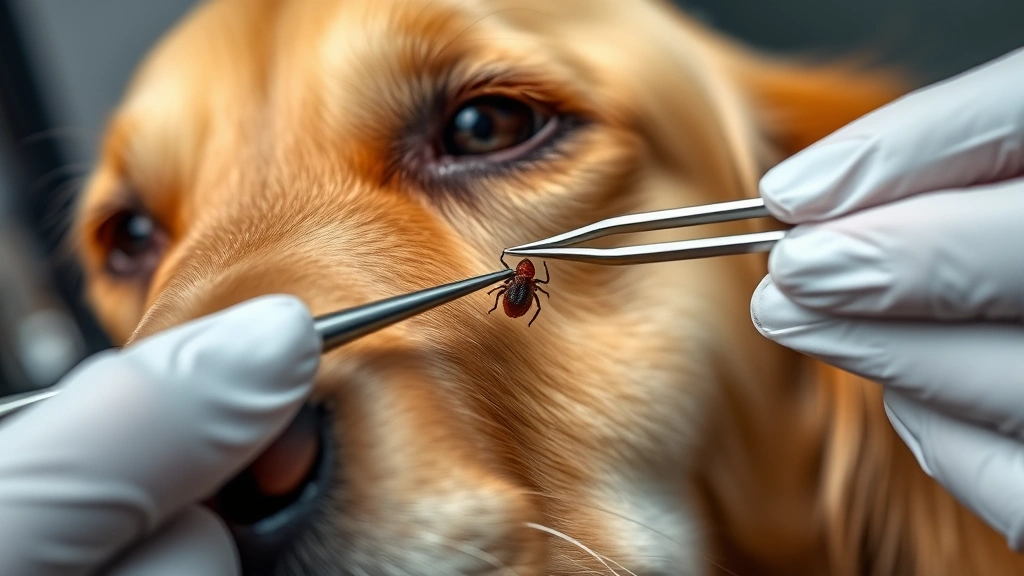
A tick bite on dog isn’t just an annoying pest problem—it’s a potential health hazard that every pet owner needs to take seriously. These tiny bloodsuckers can transmit serious diseases like Lyme disease, Rocky Mountain spotted fever, and anaplasmosis. But don’t panic! With the right knowledge and quick action, you can protect your furry friend from tick-related complications.
Table of Contents
- Why Ticks Are More Than Just Annoying
- Step 1: Identify the Tick Properly
- Step 2: Remove the Tick Correctly
- Step 3: Monitor for Signs of Infection
- Step 4: Implement Prevention Strategies
- Step 5: Know When to Call the Vet
- Understanding Tick-Borne Diseases
- Natural Remedies and Supportive Care
- Seasonal Tick Prevention Tips
- What to Do With the Removed Tick
- Frequently Asked Questions
- Summary: Protecting Your Dog From Tick Bites
Why Ticks Are More Than Just Annoying
Let’s be real: finding a tick on your dog is gross. But here’s the thing—it’s way more serious than just the “ick” factor. Ticks are vectors for multiple pathogens that can cause significant health problems in dogs. When a tick bites your dog, it’s not just taking a blood meal; it’s potentially transmitting dangerous bacteria and viruses. The longer a tick remains attached, the higher the risk of disease transmission. Some diseases can take weeks or months to show symptoms, which means your dog could be infected without you even knowing it. This is why understanding Lyme disease symptoms in dogs is crucial for early detection.
Step 1: Identify the Tick Properly
Before you do anything, you need to know what you’re dealing with. Not all ticks are created equal, and different tick species carry different diseases. The most common culprits include the American dog tick, the lone star tick, and the black-legged tick (which carries Lyme disease). When you spot a tick on your dog, take a moment to examine it. Is it engorged (swollen with blood) or still relatively flat? The size and color can help you identify the species. Take a photo if you’re unsure—your vet can help identify it later. Knowing which tick species bit your dog can help your vet determine what diseases to watch for.
Step 2: Remove the Tick Correctly
This is where most people mess up. You might’ve heard old wives’ tales about using petroleum jelly, matches, or nail polish to remove ticks. Forget all that. Here’s the correct method: Use fine-tipped tweezers to grasp the tick as close to your dog’s skin as possible. Pull straight out with steady, even pressure. Don’t twist, jerk, or squeeze the tick’s body—this can cause it to regurgitate infected fluid into your dog’s wound. After removal, clean the bite area with soap and water or an antiseptic. If you’re concerned about infection risk, ask your vet about whether triple antibiotic ointment is safe for dogs as a follow-up treatment. Place the removed tick in a sealed container or plastic bag—your vet might want to test it for disease.
Step 3: Monitor for Signs of Infection
After removing the tick, the real vigilance begins. Watch your dog for any signs of illness over the following weeks and months. Symptoms of tick-borne diseases can include lethargy, fever, loss of appetite, lameness, and swollen joints. If your dog seems unusually lethargic, it could be a sign of a tick-borne illness. Some dogs develop a rash or skin irritation at the bite site. Keep a close eye on the area where the tick was attached. If it becomes increasingly red, swollen, or shows signs of infection, contact your vet immediately. Most tick-borne diseases have a window of several weeks before symptoms appear, so don’t let your guard down too quickly.
Step 4: Implement Prevention Strategies
The best cure is prevention. There are numerous tick prevention products available, ranging from topical treatments to oral medications to tick collars. Speak with your veterinarian about which option is best for your dog’s age, weight, and health status. Some dogs do better with monthly topical treatments, while others benefit from oral preventatives that last longer. Environmental control is also important—keep your yard trimmed, remove leaf litter, and consider using tick-killing sprays in areas where your dog spends time. During tick season (typically spring through fall, but varying by region), check your dog daily for ticks, especially in warm, moist areas like the ears, armpits, and groin. Make tick checks part of your daily routine, like brushing teeth.
Step 5: Know When to Call the Vet
If you’re unsure about tick removal, if the tick’s head remains embedded in your dog’s skin, or if your dog develops symptoms after a tick bite, contact your veterinarian. Your vet can safely remove any remaining tick parts and prescribe antibiotics if necessary. Some vets recommend preventative antibiotics after a tick bite, especially if the tick was attached for an extended period. Don’t hesitate to reach out—it’s better to be cautious with your dog’s health.

Understanding Tick-Borne Diseases
The main concern with a tick bite on dog is disease transmission. Lyme disease is the most common tick-borne illness in dogs, causing joint pain, fever, and lethargy. Rocky Mountain spotted fever presents with fever, lethargy, and sometimes a rash. Anaplasmosis causes similar symptoms to Lyme disease. Babesiosis affects red blood cells and can be life-threatening. The key is early detection and treatment. Most tick-borne diseases respond well to antibiotics when caught early, but untreated infections can lead to serious complications.
Natural Remedies and Supportive Care
While prevention and veterinary care are paramount, some natural supplements may support your dog’s immune system. Turmeric for dogs has anti-inflammatory properties that some owners use as a complementary treatment. However, these should never replace veterinary care or prescribed medications. Always consult your vet before giving your dog any supplements, especially if they’re on other medications. Some owners also use witch hazel for minor skin irritation at tick bite sites, but again, check with your vet first.
Seasonal Tick Prevention Tips
Tick season varies by location, but generally peaks in spring and early summer. In warmer climates, ticks can be active year-round. Adjust your prevention strategy based on your region and climate. If you live in a high-risk area for Lyme disease or other tick-borne illnesses, year-round prevention is essential. Keep your dog’s preventative medication consistent—don’t skip months thinking the risk is lower. Missed doses create windows of vulnerability that ticks will happily exploit.
What to Do With the Removed Tick
After removal, don’t just flush the tick down the toilet or squash it (gross, but people do this). Place it in a sealed container with a small amount of rubbing alcohol or a tick-killing solution. You can also seal it in a plastic bag. Some vets offer tick testing services—if your dog was bitten by a tick that might carry disease, testing can give you peace of mind. Keep the tick for at least a few weeks in case your dog develops symptoms and your vet needs to review it.
Frequently Asked Questions
How long does it take for a tick to transmit Lyme disease?
Tick-borne pathogens typically require 24-48 hours of attachment to transmit disease, though Lyme disease transmission can occur within this timeframe. This is why prompt removal is critical. The longer the tick remains attached, the greater the transmission risk.
Can I catch a disease from my dog’s tick bite?
Most tick-borne diseases that affect dogs don’t directly transmit to humans through contact with your dog. However, if the tick remains on your dog and later falls off, it could bite you. Always wear gloves when removing ticks and practice good hygiene.

What if I can’t remove the tick’s head completely?
If the tick’s head or mouthparts remain embedded, don’t panic. Your dog’s immune system will typically expel it naturally over time. However, contact your vet if the area becomes infected or inflamed. Your vet can remove any remaining parts if necessary.
Is it safe to use essential oils for tick prevention?
Some essential oils like cedar and lavender have mild repellent properties, but they’re not reliable for tick prevention on their own. Always use veterinarian-approved prevention methods as your primary defense. Essential oils can complement prevention but shouldn’t replace it.
How often should I check my dog for ticks?
During tick season, check your dog daily, especially after outdoor activities. Run your hands over your dog’s entire body, paying special attention to warm, moist areas. Early detection significantly reduces disease transmission risk.
Can my dog get Lyme disease from a tick bite indoors?
Ticks must be attached to transmit disease, regardless of location. If your dog brings a tick indoors and it attaches, transmission is possible. This is why regular tick checks and prevention are important even for indoor dogs.
Summary: Protecting Your Dog From Tick Bites
A tick bite on dog requires immediate attention and ongoing vigilance. The five essential steps—proper identification, correct removal, monitoring for infection, prevention implementation, and knowing when to seek veterinary care—form a comprehensive defense against tick-related illness. Remember that prevention is always easier than treatment. Work with your veterinarian to establish a year-round tick prevention plan tailored to your dog’s needs and your geographic location. Stay alert during tick season, perform daily checks, and don’t hesitate to contact your vet if you notice any concerning symptoms. With these precautions in place, you can significantly reduce your dog’s risk of tick-borne disease and keep them healthy and happy for years to come.





