
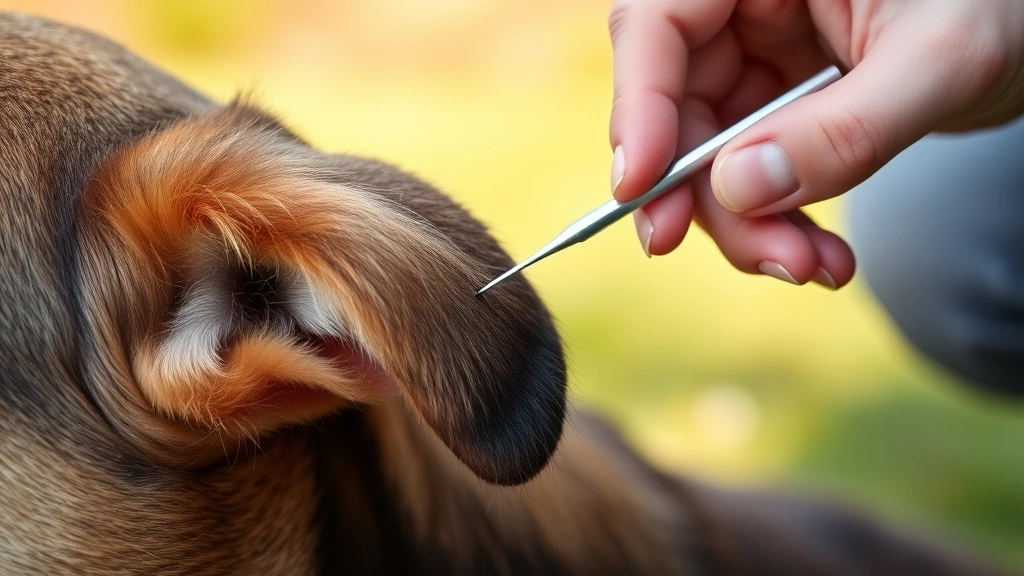
Tick borne diseases in dogs are one of those things that keeps pet parents up at night—and honestly, they should. These tiny parasites aren’t just annoying; they’re little disease-delivery systems that can seriously mess with your dog’s health. If you’ve ever found a tick on your pup and thought “meh, it’s just one,” buckle up, because we’re about to change your mind.
Table of Contents
- What Exactly Are Tick Borne Diseases?
- Lyme Disease: The Most Common Culprit
- Ehrlichiosis and Anaplasmosis: The Sneaky Twins
- Rocky Mountain Spotted Fever: More Common Than You’d Think
- Babesiosis: The Red Blood Cell Destroyer
- Bartonellosis: The Lesser-Known Threat
- Prevention: Your Best Defense Strategy
- Checking Your Dog for Ticks: The Weekly Ritual
- When to Call Your Vet: Red Flags
- Climate and Tick Activity: Timing Matters
- Vaccination: An Additional Layer of Protection
- Frequently Asked Questions
- Summary: Your Tick Prevention Action Plan
What Exactly Are Tick Borne Diseases?
Tick borne diseases are infections transmitted to dogs through tick bites. When a tick attaches to your dog and feeds on their blood, it can transfer pathogens—bacteria, viruses, or parasites—directly into your furry friend’s bloodstream. Think of ticks as tiny syringes filled with nasty stuff. The scariest part? Your dog might not show symptoms for weeks or even months after infection, which means Fido could be suffering silently while you’re blissfully unaware.
The CDC has documented multiple tick-borne pathogens affecting dogs across North America, making this a serious public health concern that affects our four-legged companions.
Lyme Disease: The Most Common Culprit
Lyme disease is probably the most famous tick borne disease in dogs, and for good reason. It’s caused by the bacterium Borrelia burgdorferi, transmitted primarily by the tiny deer tick (Ixodes scapularis). Here’s the kicker: a tick needs to be attached for 24-48 hours to transmit the disease, so quick removal actually matters.
Symptoms of Lyme disease include lameness (especially shifting leg lameness), fever, lethargy, and joint swelling. Some dogs develop kidney problems, which is why you might notice your lethargic dog suddenly has increased thirst and urination. The tricky part is that not all infected dogs show symptoms, making prevention absolutely crucial.
Ehrlichiosis and Anaplasmosis: The Sneaky Twins
These two diseases are caused by bacteria (Ehrlichia and Anaplasma species) and are transmitted by the American dog tick and lone star tick. They’re basically the sneaky twins of tick borne diseases in dogs—similar symptoms, similar transmission, equally problematic.
Both conditions can cause fever, lethargy, loss of appetite, and joint pain. In severe cases, you might see bleeding disorders, neurological issues, or organ failure. The acute phase can look like your dog just has the flu, which is why many owners miss it initially. If left untreated, these diseases can become chronic and cause long-term complications.
The American Veterinary Medical Association emphasizes that early detection and treatment are critical for preventing serious complications from these infections.
Rocky Mountain Spotted Fever: More Common Than You’d Think
Despite its name, Rocky Mountain spotted fever shows up all over the United States, particularly in the southeastern and south-central regions. It’s transmitted by the American dog tick and causes fever, lethargy, joint pain, and sometimes a rash on the skin and mucous membranes.
What makes this one particularly nasty is that it can progress rapidly. Dogs can develop vasculitis (inflammation of blood vessels), which leads to tissue damage and potentially organ failure. If your pup seems unusually unwell and you’ve noticed ticks recently, this should be on your radar.
Babesiosis: The Red Blood Cell Destroyer
Babesiosis is caused by a protozoan parasite that attacks your dog’s red blood cells, leading to hemolytic anemia. Transmitted by the deer tick, this disease causes lethargy, pale gums, dark urine, and jaundice. Some dogs show no symptoms at all, making them silent carriers.
The infection can range from mild to life-threatening depending on the Babesia species involved. Your vet might need to do blood work to confirm the diagnosis, and treatment typically involves antiparasitic medications. This is another reason why keeping your dog happy and healthy includes aggressive tick prevention.

Bartonellosis: The Lesser-Known Threat
Bartonellosis is transmitted by the brown dog tick and can cause fever, lethargy, lameness, and heart problems. It’s less commonly diagnosed than Lyme disease, but that doesn’t mean it’s less serious. Some dogs develop endocarditis (heart inflammation), which is genuinely dangerous.
The challenge with bartonellosis is that it’s often overlooked because symptoms can be vague. Your vet needs to specifically test for it, so if your dog has been exposed to ticks and is showing signs of illness, mention it explicitly.
Prevention: Your Best Defense Strategy
Here’s the good news: tick borne diseases in dogs are highly preventable with proper tick control. There are several excellent options available:
Topical Treatments: Products like Simparica, NexGard Plus, and Bravecto are applied monthly or every three months and kill ticks before they can transmit disease. These are prescription medications, so chat with your vet about which works best for your dog.
Oral Medications: These work similarly to topical treatments but are given by mouth. They’re great if your dog hates having stuff applied to their fur.
Tick Collars: Newer collars like Seresto release active ingredients that repel and kill ticks. They last up to 8 months, making them convenient for forgetful pet parents.
Environmental Control: Keep your yard trimmed, remove leaf litter, and consider tick sprays for outdoor areas where your dog spends time. During peak tick season, avoid tall grass and wooded areas when possible—though let’s be honest, that’s easier said than done.
Checking Your Dog for Ticks: The Weekly Ritual
Even with prevention, you should check your dog for ticks weekly, especially during tick season (spring through fall, though ticks can be active year-round in warmer climates). Run your hands over your dog’s entire body, paying special attention to the ears, paws, armpits, and groin area—ticks love these spots.
If you find a tick, remove it properly: use fine-tipped tweezers to grasp it close to the skin and pull straight out with steady pressure. Don’t twist, squeeze, or use petroleum jelly—these methods can cause the tick to regurgitate infected material into your dog. Clean the area with antiseptic and dispose of the tick in alcohol or a sealed bag.
When to Call Your Vet: Red Flags
If your dog shows signs of illness after a tick exposure, don’t wait. Contact your vet immediately if you notice fever, lethargy, lameness, loss of appetite, or swollen joints. Also watch for signs of other parasitic infections, as ticks can transmit multiple diseases simultaneously.
Your vet can run specific blood tests to identify which tick borne disease in dogs you’re dealing with and start appropriate treatment. Early intervention makes a huge difference in outcomes.

Climate and Tick Activity: Timing Matters
Tick season varies by location, but generally peaks in spring and fall. However, if you live in a warmer climate or experience mild winters, ticks can be active year-round. This is why knowing when it’s safe to walk your dog includes understanding local tick activity patterns. Ask your vet about the tick season in your specific area and adjust your prevention strategy accordingly.
Vaccination: An Additional Layer of Protection
A Lyme disease vaccine is available for dogs, though it’s not universally recommended. It’s most beneficial for dogs in high-risk areas with frequent tick exposure. Talk to your vet about whether vaccination makes sense for your dog based on your location and lifestyle.
Frequently Asked Questions
Can humans get tick borne diseases from dogs?
No, you can’t catch tick borne diseases directly from your dog. However, if your dog brings ticks into your home, those ticks could bite you and transmit disease. This is another reason to maintain aggressive tick prevention—it protects your whole family.
How long does it take for symptoms of tick borne diseases to appear?
Symptoms can appear anywhere from a few days to several weeks after infection. Some dogs never show obvious symptoms, which is why preventive care is so important. Blood tests can sometimes detect infection before clinical signs appear.
Is there a cure for tick borne diseases in dogs?
Yes, most tick borne diseases are treatable with antibiotics or antiparasitic medications, especially when caught early. However, some infections can cause permanent damage if left untreated. Prevention is always better than treatment.
Can my dog get multiple tick borne diseases at once?
Unfortunately, yes. A single tick can carry multiple pathogens, and dogs exposed to multiple ticks can contract several diseases simultaneously. This is why comprehensive tick prevention is essential.
Are certain dog breeds more susceptible to tick borne diseases?
All dogs are equally susceptible to tick borne diseases. However, dogs with compromised immune systems or those with existing health conditions may have more severe symptoms. Senior dogs and puppies also tend to have rougher courses with these infections.
Summary: Your Tick Prevention Action Plan
Tick borne diseases in dogs are serious, but they’re also highly preventable. Here’s your game plan: choose a year-round tick prevention method recommended by your vet, check your dog weekly for ticks, remove any ticks promptly using proper technique, and watch for signs of illness. Keep your yard maintained, know the tick season in your area, and talk to your vet about vaccination if it’s appropriate for your dog.
Your pup depends on you to keep them safe from these tiny parasites and the diseases they carry. With consistent prevention and vigilance, you can significantly reduce the risk of tick borne diseases affecting your beloved companion. The effort you put in now could literally save your dog’s life—and that’s worth every bit of attention you can give it.





