
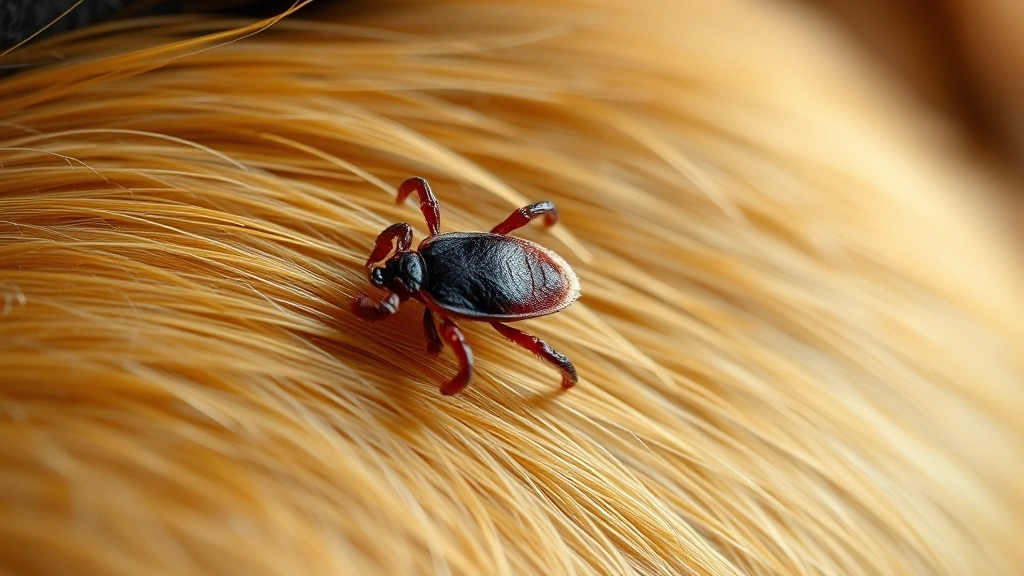
A tick illness dog situation is every pet parent’s nightmare, but knowing what to watch for can literally save your furry friend’s life. Ticks aren’t just annoying parasites that make your dog itch—they’re tiny disease-carrying vampires that can transmit serious, sometimes life-threatening illnesses. If you’ve ever found a tick embedded in your pup’s skin and wondered what happens next, you’re in the right place.
Table of Contents
- Understanding Tick-Borne Diseases in Dogs
- Symptom #1: Lethargy and Loss of Appetite
- Symptom #2: Fever and Muscle Aches
- Symptom #3: Swollen Lymph Nodes and Skin Issues
- Symptom #4: Kidney Problems and Urinary Changes
- Symptom #5: Neurological Symptoms and Behavioral Changes
- When to Suspect Lyme Disease Specifically
- Other Serious Tick-Borne Conditions to Know About
- Prevention is Your Best Defense
- What to Do If Your Dog Has a Tick Illness
- Frequently Asked Questions
- Conclusion: Stay Vigilant Against Tick Illness in Dogs
The scary part? Many dog owners don’t realize their pooch is suffering from a tick-borne illness until symptoms become severe. That’s why we’re breaking down the five critical symptoms you absolutely need to know about, plus what to do if your dog shows signs of infection.
Understanding Tick-Borne Diseases in Dogs
Before we dive into symptoms, let’s talk about what actually happens when a tick bites your dog. Ticks transmit diseases through their saliva, and the longer they stay attached, the higher the transmission risk. The most common tick illness dog conditions include Lyme disease, Ehrlichiosis, Anaplasmosis, and Rocky Mountain Spotted Fever.
According to the American Kennel Club, tick-borne diseases affect thousands of dogs annually, and many cases go undiagnosed because owners mistake symptoms for other conditions. The tricky part is that symptoms can take weeks or even months to appear, making prevention and early detection absolutely crucial.
Symptom #1: Lethargy and Loss of Appetite
If your usually bouncy Fido suddenly becomes a couch potato and turns his nose up at dinner, that’s a red flag. Lethargy is one of the earliest signs of tick illness dog conditions, particularly Lyme disease. Your dog might seem depressed, reluctant to play, or unwilling to go for walks.
Loss of appetite often accompanies this lethargy. Your dog might show interest in food initially but then walk away, or ignore treats they normally go crazy for. This combination of symptoms suggests your dog’s immune system is fighting off an infection.
If this lasts more than 24-48 hours, contact your veterinarian immediately. Don’t assume it’s just a bad day—tick-borne illnesses progress quickly in some dogs.
Symptom #2: Fever and Muscle Aches
Dogs with tick-borne illnesses often develop fevers, though you can’t always tell just by petting them. A normal dog temperature is 101-102.5°F, so if your vet takes their temperature and it’s elevated, that’s significant. Some dogs with tick illness dog conditions also show signs of muscle or joint pain.
You might notice your dog limping, reluctant to jump on furniture, or having difficulty climbing stairs. They might also seem stiff after rest or first thing in the morning. This joint pain can be particularly severe in Lyme disease cases. If you’re concerned about your dog’s joint health during recovery, joint supplements for dogs might be worth discussing with your vet.
Some dogs will hold up one or more legs and refuse to put weight on them—this is called “shifting leg lameness” and it’s classic for Lyme disease.
Symptom #3: Swollen Lymph Nodes and Skin Issues
Swollen lymph nodes are your dog’s immune system working overtime to fight infection. You might notice lumps under your dog’s jaw, behind their ears, or in their legs. These shouldn’t be tender when you touch them gently, but if your dog yelps, that’s a sign of serious inflammation.
Skin issues also commonly accompany tick illness dog conditions. Some dogs develop rashes or scabs at the tick bite site. Others might have crusty, scaly patches on their skin, or their coat might look dull and unhealthy. In some cases, you’ll see secondary skin infections from scratching.
Don’t dismiss these as simple allergies. If skin issues appear suddenly after you’ve removed a tick, they’re likely connected to the bite itself or the infection it transmitted.
Symptom #4: Kidney Problems and Urinary Changes
This is where tick illness dog conditions get really serious. Some tick-borne diseases, particularly Leptospirosis and certain strains of Ehrlichiosis, can damage the kidneys. You might notice your dog drinking excessively and urinating more frequently, or conversely, urinating less than normal.

Some dogs develop protein in their urine, which can only be detected through testing. Others show signs of kidney failure like vomiting, loss of appetite, and lethargy. This is why blood work is so important—your vet can check kidney function and catch problems early.
If your dog’s water intake suddenly increases or they’re having accidents in the house when they’re normally housetrained, that’s worth investigating immediately.
Symptom #5: Neurological Symptoms and Behavioral Changes
In severe cases of tick illness dog conditions, you might see neurological symptoms. These include seizures, tremors, confusion, or personality changes. Some dogs become aggressive or anxious, while others seem disoriented or unresponsive.
These symptoms indicate the infection has affected the nervous system and require emergency veterinary care. Don’t wait if you notice your dog having seizures or acting confused—get to an emergency vet immediately.
Less severe neurological signs might include head tilting, loss of balance, or difficulty walking. These warrant an urgent vet visit, not an emergency room visit, but they shouldn’t be ignored.
When to Suspect Lyme Disease Specifically
Lyme disease is the most common tick-borne illness in dogs, transmitted by infected deer ticks. If you live in an area where Lyme disease is prevalent (Northeast, Upper Midwest, and Pacific Coast regions especially), be extra vigilant. Lyme disease symptoms in dogs often include the shifting lameness we mentioned earlier, along with fever and lethargy.
Some dogs develop kidney disease from Lyme infection, which is why early detection and treatment are crucial. If you remove a tick from your dog and they develop symptoms within 3-30 days, suspect Lyme disease and get them tested.
Other Serious Tick-Borne Conditions to Know About
While Lyme disease gets the most attention, other tick-borne illnesses are equally dangerous. Ehrlichiosis causes fever, lethargy, and can lead to bleeding disorders. Anaplasmosis has similar symptoms to Lyme disease but can also cause thrombocytopenia (low platelet count).
Rocky Mountain Spotted Fever is less common but extremely serious, causing high fever, rash, and potentially organ failure. PetMD has excellent resources on identifying these various conditions.
The bottom line: if your dog shows any combination of the symptoms we’ve discussed and you’ve recently found a tick on them, assume it’s tick-borne illness until proven otherwise.
Prevention is Your Best Defense
The absolute best way to handle tick illness dog situations is to prevent them in the first place. Year-round tick prevention is non-negotiable if you live in an area with tick populations. Options include topical treatments, oral medications, tick collars, and shampoos.
Talk to your vet about which prevention method works best for your dog’s age, size, and health status. Some preventatives also protect against other parasites like fleas and heartworms, making them doubly valuable. Is heartworm contagious in dogs is another question many owners ask, and while heartworm isn’t directly contagious dog-to-dog, it’s another serious condition ticks can indirectly contribute to.
Beyond medication, check your dog daily for ticks, especially if they spend time outdoors. Use a fine-toothed comb or your fingers to feel for small bumps in their coat. Remove any ticks promptly using tweezers, pulling straight out without twisting.

What to Do If Your Dog Has a Tick Illness
If you suspect your dog has a tick-borne illness, your vet will likely run blood tests to check for antibodies or direct evidence of infection. Treatment depends on the specific illness but usually involves antibiotics like doxycycline.
While your dog recovers, supportive care is important. Make sure they have plenty of water, a comfortable resting area, and their regular medications. Some owners find that supplements can support recovery—milk thistle for dogs may support liver function during treatment, and is turmeric good for dogs is worth discussing with your vet for its potential anti-inflammatory benefits.
Most dogs recover well from tick-borne illnesses if caught early and treated appropriately. However, some can develop chronic symptoms or complications, so follow-up appointments and repeat testing might be necessary.
Frequently Asked Questions
How long does it take for tick illness symptoms to appear in dogs?
Symptoms can appear anywhere from 3 days to several weeks after a tick bite. Some dogs develop symptoms within a week, while others might not show signs for a month or more. This is why monitoring your dog closely after finding a tick is crucial.
Can a dog recover completely from tick-borne illness?
Most dogs recover completely with early treatment, especially from Lyme disease. However, some may develop chronic issues like arthritis or kidney problems. Early detection and aggressive treatment significantly improve outcomes.
Is tick illness in dogs contagious to humans?
Tick-borne illnesses themselves aren’t contagious from dog to human, but the same ticks that bite your dog can bite you. This means if your dog has ticks, you’re at risk too. Check yourself and your family members after outdoor activities.
What’s the difference between a tick bite and tick illness?
A tick bite is simply the tick attaching to your dog’s skin. Tick illness occurs when the tick transmits disease through its saliva. Not all ticks carry diseases, but you can’t know which ones do without testing.
Should I be worried if I find one tick on my dog?
One tick is worth monitoring but not necessarily cause for panic. However, if your dog develops symptoms in the following weeks, that tick might have transmitted disease. If you find multiple ticks, that’s a sign you need better prevention methods.
Conclusion: Stay Vigilant Against Tick Illness in Dogs
A tick illness dog situation is serious business, but armed with knowledge about these five critical symptoms, you’re already ahead of the game. Remember: lethargy and appetite loss, fever and muscle aches, swollen lymph nodes, kidney problems, and neurological symptoms are your red flags.
The key to protecting your dog is a three-pronged approach: consistent tick prevention, daily tick checks, and immediate veterinary attention if symptoms develop. Don’t second-guess yourself—if something seems off after a tick encounter, get your dog checked out.
Most tick-borne illnesses are completely treatable when caught early, and many dogs live long, healthy lives after infection. The difference between a quick recovery and serious complications often comes down to how quickly you recognize symptoms and seek help. Trust your instincts, know your dog’s normal behavior, and when in doubt, call your vet. Your vigilance could save your dog’s life.





