

If your furry friend sounds like a honking goose every time they get excited or exercise, you might be dealing with tracheal collapse in dogs—and honestly, it’s way more common than you’d think. This condition affects the windpipe, making breathing difficult and causing that distinctive seal-like bark that’ll have you Googling “why does my dog sound like a broken kazoo” at 2 AM.
Table of Contents
- What Exactly Is Tracheal Collapse in Dogs?
- Sign #1: That Distinctive Honking Cough
- Proven Method #1: Switch to a Harness (Not a Collar)
- Proven Method #2: Maintain a Healthy Weight
- Proven Method #3: Environmental Management and Humidity Control
- Proven Method #4: Medication and Medical Management
- Proven Method #5: Surgical Options for Severe Cases
- Lifestyle Adjustments for Your Tracheal Collapse Dog
- Diet Considerations for Dogs with Tracheal Collapse
- Monitoring and When to Seek Emergency Care
- Is Your Dog Actually Happy Despite This Condition?
- Preventing Tracheal Collapse in Future Dogs
- The Bottom Line: Managing Your Tracheal Collapse Dog
- Frequently Asked Questions
The good news? You’re not helpless here. While tracheal collapse dog situations can seem scary, there are legitimate, proven strategies to help your pup breathe easier and live a happier life. Let’s dive into what this condition actually is and how you can tackle it head-on.
What Exactly Is Tracheal Collapse in Dogs?
Think of your dog’s trachea like a flexible tube made of cartilage rings—kind of like a vacuum hose. In a healthy pup, these rings stay firm and keep the airway open. But with tracheal collapse, those cartilage rings weaken and flatten, narrowing the airway. It’s like trying to breathe through a straw that keeps collapsing.
This condition is particularly common in small dog breeds like Chihuahuas, Yorkshire Terriers, Pomeranians, and Poodles. But here’s the kicker—it can happen to any dog, regardless of size. The severity ranges from mild (annoying honking sounds) to severe (actual difficulty breathing and exercise intolerance).
According to the American Kennel Club, genetics play a huge role, though obesity and prolonged coughing from other conditions can make it worse. So if your dog inherited this from their parents, that’s not your fault—but managing it definitely is your responsibility.
Sign #1: That Distinctive Honking Cough
The most obvious symptom of a tracheal collapse dog is that unmistakable honking or seal-like cough. It usually gets worse when your pup is excited, pulling on their leash, or exercising. Some owners describe it as their dog “coughing up a hairball” but nothing comes up.
This cough isn’t just annoying—it’s your dog’s way of saying their airway is struggling. The sound happens because the collapsed trachea vibrates as air passes through. If you’re hearing this regularly, it’s time to schedule a vet appointment.
Proven Method #1: Switch to a Harness (Not a Collar)
This is literally the easiest fix and one of the most effective. If your dog has tracheal collapse, using a traditional neck collar is like applying pressure directly to the problem area. A harness distributes pressure across the chest and back instead, completely removing stress from the trachea.
When shopping for harnesses, look for:
- Front-clip designs that discourage pulling
- Padded options for comfort
- Proper sizing to prevent slipping
- Adjustable straps for growing puppies
This single change has helped countless dogs experience fewer coughing episodes. It’s not a cure, but it’s a game-changer for managing symptoms daily. Your pup will thank you, and you’ll stop hearing that goose impression every time they get excited.
Proven Method #2: Maintain a Healthy Weight
Extra weight puts pressure on the entire respiratory system, making tracheal collapse worse. If your dog is carrying extra pounds, weight management becomes critical. This isn’t about vanity—it’s about your dog’s ability to breathe comfortably.
Work with your vet to determine your dog’s ideal weight, then gradually adjust their diet. Consider feeding high-quality, nutrient-dense food that keeps them satisfied without excess calories. If you’re unsure about portions, your veterinarian can provide specific guidelines.
Exercise is important too, but keep it low-impact and avoid activities that trigger coughing fits. Short, leisurely walks are better than intense play sessions for dogs with tracheal collapse.
Proven Method #3: Environmental Management and Humidity Control
Dry air irritates the trachea and makes coughing worse. Using a humidifier in your home—especially in bedrooms—can significantly reduce symptoms. Aim for 40-60% humidity; too much humidity breeds mold and mildew, which creates different problems.
Also consider:
- Avoiding smoke and strong chemical fumes
- Keeping your home at a comfortable temperature
- Minimizing exposure to dust and allergens
- Using air purifiers if you live in a polluted area
These environmental tweaks won’t fix the underlying condition, but they’ll reduce coughing triggers and make your dog more comfortable. It’s like creating a respiratory-friendly sanctuary for your pup.

Proven Method #4: Medication and Medical Management
For moderate to severe cases of tracheal collapse dog situations, your vet might recommend medications. Common options include:
- Cough suppressants: Help reduce the honking cough and give the trachea a break
- Bronchodilators: Open airways and improve breathing
- Anti-inflammatory medications: Reduce swelling in the trachea
- Sedatives: Calm anxious dogs (anxiety triggers coughing)
According to PetMD, most dogs respond well to conservative medical management before surgery becomes necessary. Your vet will determine the right combination based on your dog’s specific symptoms and severity level.
Never give your dog human cough medicine or over-the-counter medications without veterinary approval. What works for you might be dangerous for your pup.
Proven Method #5: Surgical Options for Severe Cases
If your dog’s quality of life is severely compromised despite conservative treatment, surgery might be necessary. The most common procedure is tracheal ring prosthesis (TRP) or stent placement, which essentially props the trachea open.
Surgery isn’t a first-line treatment because it carries risks, but it can be life-changing for dogs who can’t breathe adequately with other management strategies. Success rates are generally good, though complications can occur.
If your vet recommends surgery, ask detailed questions about:
- The specific procedure they recommend
- Success rates at their facility
- Recovery timeline and restrictions
- Potential complications and how they’re managed
- Cost and payment options
This is a big decision, but for some dogs, it’s absolutely worth it.
Lifestyle Adjustments for Your Tracheal Collapse Dog
Beyond the five main strategies, small daily adjustments make a huge difference. Avoid situations that trigger coughing—excitement, pulling on leash, running, and overheating are common culprits.
Consider elevating your dog’s food and water bowls, as this can reduce strain on the trachea during eating. Keep your pup cool during hot weather, as heat exacerbates breathing difficulties. If your dog seems lethargic or unusually tired, it might be related to the effort required to breathe—consult your vet.
Regular vet check-ups are essential. Your veterinarian can monitor progression and adjust treatment plans as needed. Don’t wait for symptoms to become severe before scheduling appointments.
Diet Considerations for Dogs with Tracheal Collapse
While large breed dog food focuses on different nutritional needs, dogs with tracheal collapse benefit from high-quality, digestible diets that support weight management. Look for foods with:
- Appropriate calorie levels for weight control
- High-quality protein sources
- Omega-3 fatty acids (anti-inflammatory)
- Limited fillers and by-products
Some owners find that smaller, more frequent meals reduce strain compared to one large meal. Discuss dietary changes with your vet before implementing them.
Monitoring and When to Seek Emergency Care
Most tracheal collapse cases are manageable at home, but know the warning signs of a respiratory crisis:
- Severe difficulty breathing or gasping for air
- Bluish gums or tongue (cyanosis)
- Collapse or loss of consciousness
- Extreme distress or panic
- Inability to eat or drink
If you observe any of these symptoms, get to an emergency vet immediately. Don’t wait. Respiratory emergencies can deteriorate quickly.
Is Your Dog Actually Happy Despite This Condition?
Here’s something important: dogs with tracheal collapse can live happy, fulfilling lives. The condition is manageable, and with proper care, most dogs experience significant improvement in symptoms. Is my dog happy? This is a question you should ask regularly. If your pup is eating well, playing appropriately, and not in constant distress, they’re likely doing just fine.
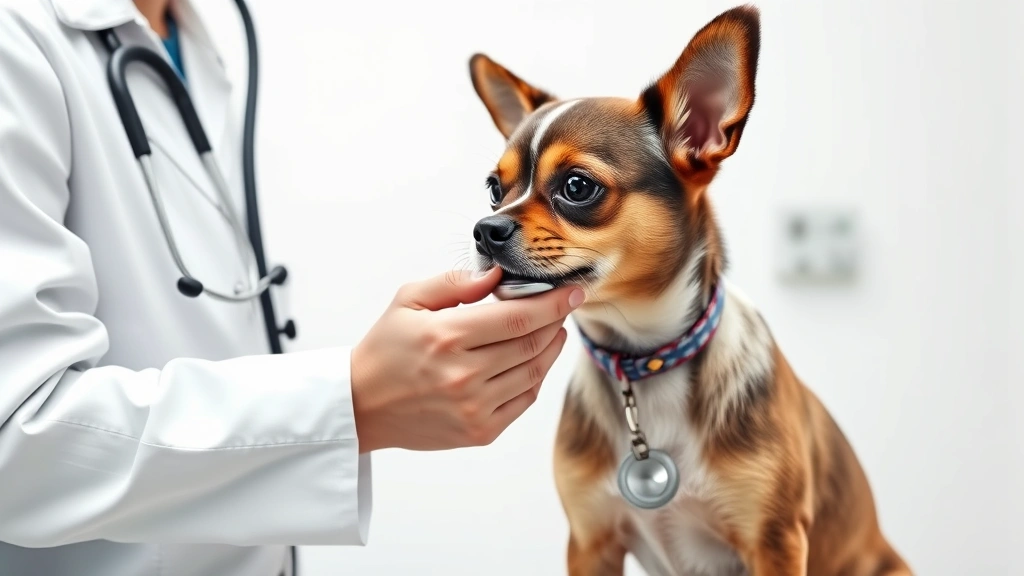
The key is consistency with management strategies. This isn’t a one-time fix; it’s an ongoing commitment to your dog’s respiratory health.
Preventing Tracheal Collapse in Future Dogs
If you’re considering getting another dog, understand that tracheal collapse has a genetic component. Reputable breeders screen for this condition and avoid breeding affected dogs. If you’re adopting a small breed, ask about family history.
Maintaining healthy weight from puppyhood, using harnesses instead of collars, and avoiding environments that trigger coughing can reduce symptom severity even in genetically predisposed dogs.
The Bottom Line: Managing Your Tracheal Collapse Dog
Tracheal collapse in dogs is serious but manageable. By combining harness use, weight management, environmental control, appropriate medications, and surgical intervention when necessary, you can significantly improve your dog’s quality of life.
Remember: you’re not a bad dog owner if your pup has this condition. It’s a genetic issue that happens to wonderful, loved dogs all the time. What matters is taking action and staying committed to your dog’s care. Your veterinarian is your best resource—work with them to develop a personalized management plan.
With the right approach, your dog can stop sounding like a honking goose and get back to enjoying life with you. That seal-like cough doesn’t have to define your dog’s future.
Frequently Asked Questions
Can tracheal collapse in dogs be cured?
No, tracheal collapse cannot be cured because it’s a structural problem with the cartilage rings. However, it can be effectively managed with lifestyle changes, medications, and in severe cases, surgery. Most dogs live normal lifespans with proper management.
Is tracheal collapse painful for dogs?
Tracheal collapse itself isn’t typically painful, but the constant coughing and difficulty breathing can cause discomfort and fatigue. Dogs may also experience throat soreness from frequent coughing. Managing symptoms reduces overall discomfort.
What age do dogs develop tracheal collapse?
Tracheal collapse can develop at any age, but it’s most commonly diagnosed in middle-aged to senior small breed dogs (typically 5-12 years old). Some dogs show symptoms earlier if they have severe genetic predisposition.
Can I give my dog human cough medicine for tracheal collapse?
No. Never give your dog human medications without explicit veterinary approval. Many human cough medicines contain ingredients that are toxic to dogs. Always consult your vet before giving any medication.
Will my dog need surgery for tracheal collapse?
Not necessarily. Most dogs manage successfully with conservative treatment (harness, weight management, medications). Surgery is typically reserved for severe cases where quality of life is significantly compromised despite other interventions.
How can I tell if my dog’s tracheal collapse is getting worse?
Signs of progression include more frequent coughing, coughing triggered by less activity, difficulty breathing even at rest, reduced exercise tolerance, and loss of appetite. Schedule a vet appointment if you notice these changes.
Are certain dog breeds more prone to tracheal collapse?
Yes. Small breeds like Chihuahuas, Pomeranians, Yorkshire Terriers, Poodles, and Maltese dogs are most commonly affected. However, any breed can develop this condition, and it’s not exclusive to small dogs.





