
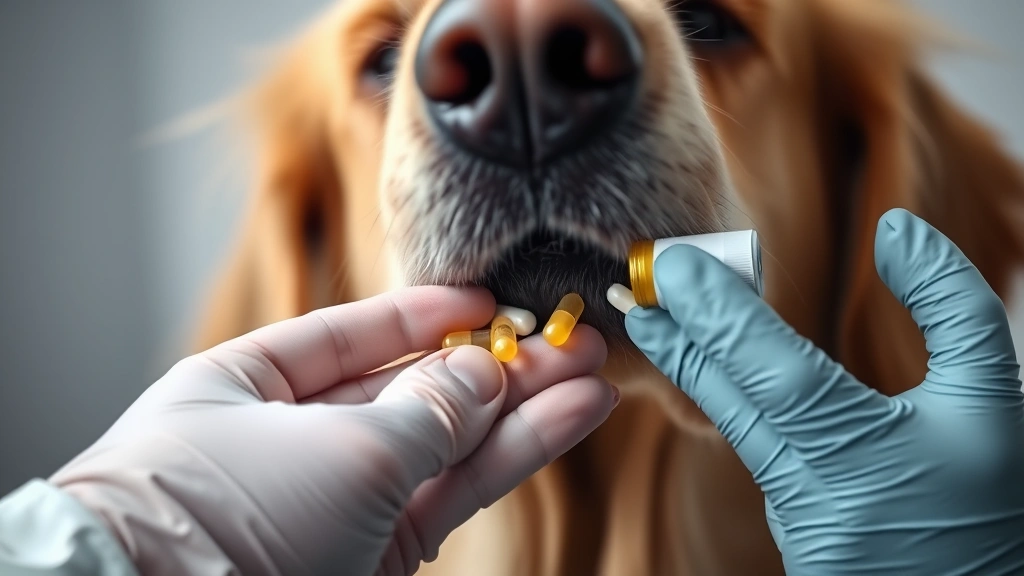
If your dog has been diagnosed with Cushing’s syndrome, your vet might have mentioned trilostane for Cushing’s in dogs as a treatment option. This medication can be a game-changer for pups suffering from this hormonal disorder, helping them feel more like their old selves again. Let’s dive into everything you need to know about this medication, how it works, and what to expect when your furry friend starts treatment.
Table of Contents
- What is Cushing’s Syndrome in Dogs?
- How Trilostane Works: The Science Made Simple
- Dosing and Administration of Trilostane
- Initial Response and Timeline: When Will Your Dog Feel Better?
- Monitoring and Blood Tests: The Necessary Evil
- Side Effects and Safety Concerns
- Nutrition and Diet Considerations During Treatment
- Cost and Long-Term Commitment
- Alternative Treatments: Is Trilostane Right for Your Dog?
- Real-World Success Stories: What Dog Owners Report
- Important Drug Interactions and Precautions
- FAQ: Your Trilostane Questions Answered
- Frequently Asked Questions
- Conclusion: Managing Your Dog’s Cushing’s with Confidence
What is Cushing’s Syndrome in Dogs?
Before we talk about trilostane, let’s understand what we’re dealing with. Cushing’s syndrome (hyperadrenocorticism) is a condition where your dog’s body produces too much cortisol, a stress hormone. Imagine your pup’s internal stress meter being permanently stuck on high—that’s basically what’s happening. This excess cortisol wreaks havoc on their body, causing symptoms like excessive drinking, frequent urination, hair loss, and a pot-bellied appearance. It’s more common in older dogs and certain breeds, but honestly, any dog can develop it.
How Trilostane Works: The Science Made Simple
Trilostane is an adrenolytic medication, which sounds fancy but basically means it inhibits the production of cortisol. Here’s the simple version: your dog’s adrenal glands are working overtime, and trilostane tells them to pump the brakes. It blocks an enzyme called 11β-hydroxylase, which is essential for cortisol synthesis. Think of it as putting a speed bump on the cortisol production highway. The medication doesn’t cure Cushing’s, but it manages the symptoms by keeping cortisol levels in check.
Dosing and Administration of Trilostane
Trilostane comes in capsule form, and dosing is highly individualized based on your dog’s weight and response to treatment. Typically, vets start with a low dose—around 3-6 mg per kilogram of body weight—given once or twice daily with food. The tricky part? Your vet will need to monitor your pup’s cortisol levels with blood tests to find the sweet spot. Too little trilostane, and symptoms persist. Too much, and you risk dropping cortisol too low, which creates its own problems. It’s a Goldilocks situation where everything needs to be just right.
Initial Response and Timeline: When Will Your Dog Feel Better?
Most dogs show improvement within 5-7 days of starting treatment, though some take up to two weeks. You might notice your pup drinking less water, having fewer accidents in the house, and showing more energy. The hair loss typically stops first, but regrowing that gorgeous coat takes months. Patience is key here—this isn’t a quick fix, but it’s a reliable one. Some owners report their dogs acting like puppies again after a few weeks of treatment, which honestly makes all the monitoring worthwhile.
Monitoring and Blood Tests: The Necessary Evil
Here’s the reality check: trilostane requires regular monitoring. Your vet will want to run blood tests to measure cortisol levels at baseline, then 10-14 days after starting treatment, and periodically thereafter. The goal is to keep cortisol in the low-normal range without going too low. You’ll also need to monitor for signs of hypoadrenocorticism (too little cortisol), which includes lethargy, vomiting, and loss of appetite. Yes, it’s extra vet visits and extra costs, but catching problems early prevents serious complications. Consider it pet insurance for your dog’s endocrine system.
Side Effects and Safety Concerns
Trilostane is generally well-tolerated, but like any medication, it has potential side effects. The most common include gastrointestinal issues like vomiting and diarrhea, especially when starting treatment. Some dogs experience decreased appetite or lethargy. More serious but rare complications include acute adrenal necrosis and severe hypoadrenocorticism. If your dog shows signs of collapse, severe vomiting, or extreme weakness, get to your vet immediately—these warrant emergency care. Most side effects are manageable and diminish as your dog’s body adjusts, but always report anything unusual to your veterinarian.

Nutrition and Diet Considerations During Treatment
While your dog is on trilostane, nutrition becomes even more important. Dogs with Cushing’s often benefit from consistent, high-quality diets. You might consider exploring options like Is Purina One a Good Dog Food? or Lamb Dog Food options that are easy to digest and nutrient-dense. Some dogs with Cushing’s have sensitivities, so working with your vet on dietary adjustments alongside trilostane therapy can optimize results. Proper nutrition supports immune function and helps your pup maintain muscle mass despite the hormonal imbalance.
Cost and Long-Term Commitment
Let’s talk money because it matters. Trilostane isn’t cheap. Depending on your dog’s size and your location, monthly costs typically range from $100-$300, sometimes more. Then add in regular vet visits and blood work—expect another $200-$500 every few months initially. It’s a significant financial commitment, but many owners find it worthwhile given the dramatic improvement in their dog’s quality of life. Some veterinary clinics offer discount programs or generic versions that help reduce costs. Shop around and ask your vet about options.
Alternative Treatments: Is Trilostane Right for Your Dog?
Trilostane isn’t the only option for managing Cushing’s. Mitotane (Lysodren) is another adrenolytic drug that some vets prefer, though it has a narrower safety margin. Ketoconazole and selegiline are alternatives for certain cases. Your vet will consider your dog’s specific situation, age, other health conditions, and your budget when recommending treatment. For pituitary-dependent Cushing’s (the most common form), trilostane is often the first choice because it’s effective and relatively safe. For adrenal tumors, surgery might be an option if caught early enough.
Real-World Success Stories: What Dog Owners Report
Talk to any owner whose dog has been on trilostane, and you’ll hear similar themes: their dogs have more energy, accidents stop happening, and the constant thirst disappears. One owner described it as “getting my dog back.” Another mentioned their senior pup started playing with toys again after months of lethargy. These aren’t miracle cures—Cushing’s is still there—but the quality of life improvement is genuinely remarkable. The medication gives dogs relief from the constant physical burden of excess cortisol, allowing them to enjoy their golden years more fully.
Important Drug Interactions and Precautions
Trilostane can interact with certain medications, particularly those that affect kidney function or blood pressure. If your dog is on other medications, make sure your vet knows the complete list. Dogs with liver disease, kidney problems, or adrenal insufficiency need special consideration. Pregnant dogs shouldn’t take trilostane. Also, never stop or adjust trilostane dosing without veterinary guidance—abrupt changes can cause serious problems. Your vet is your partner in this process, so maintain open communication about any concerns.
FAQ: Your Trilostane Questions Answered
Frequently Asked Questions
How long will my dog need to take trilostane?
Trilostane is typically a lifelong medication for dogs with Cushing’s syndrome. The condition doesn’t go away, but the medication manages symptoms effectively. Your dog will need to stay on it as long as they’re responding well and tolerating it.

Can trilostane cure Cushing’s in dogs?
No, trilostane doesn’t cure Cushing’s—it manages it. Think of it like managing diabetes in humans. Your dog will likely need to take it indefinitely, but it allows them to live comfortably despite the condition.
What happens if I miss a dose of trilostane?
If you miss a dose, give it as soon as you remember, but don’t double up. Missing one dose won’t cause immediate problems, but consistency is important for maintaining stable cortisol levels. Try setting phone reminders to stay on track.
Are there natural alternatives to trilostane?
While some supplements claim to support adrenal health, there are no proven natural alternatives to trilostane for managing Cushing’s syndrome. Always discuss any supplements with your vet before adding them to your dog’s routine.
How often will my dog need blood work while on trilostane?
Initially, blood work is needed 10-14 days after starting treatment, then every 3-6 months during the maintenance phase. Some vets recommend more frequent monitoring in the first year. After your dog is stable, monitoring might decrease to annually.
Can older dogs safely take trilostane?
Yes, trilostane is often used in older dogs since Cushing’s is more common in senior pups. Age alone isn’t a contraindication, though vets will consider overall health, kidney function, and other factors when deciding if it’s appropriate.
Conclusion: Managing Your Dog’s Cushing’s with Confidence
Trilostane for Cushing’s in dogs represents a significant advancement in veterinary medicine, offering relief to countless pups suffering from this hormonal disorder. While it requires commitment, regular monitoring, and financial investment, the quality of life improvement for most dogs makes it worthwhile. Your dog doesn’t have to suffer through excessive thirst, accidents, and lethargy—trilostane can help restore normalcy to their daily life. Work closely with your veterinarian to find the right dose, stay consistent with monitoring, and watch for any changes in your pup’s condition. With proper management, your dog can enjoy their senior years comfortably and happily. The journey might require patience and vigilance, but the reward—seeing your beloved companion feel like themselves again—is absolutely priceless.





