
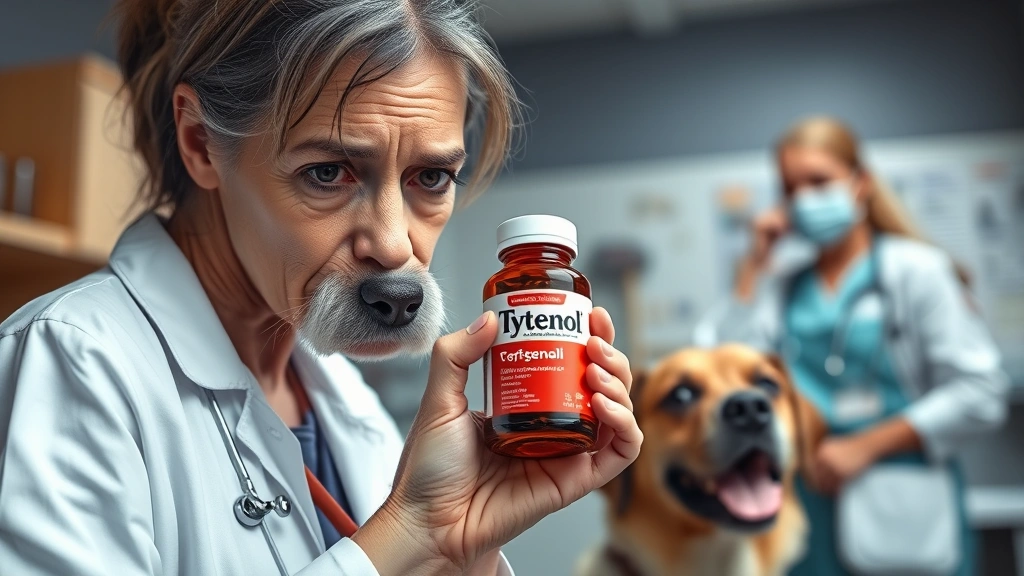
So your dog is limping around like they’ve had one too many at the dog park, and you’re wondering if you can just pop them a Tylenol to help with the pain. Hold up! Tylenol for dogs is actually a minefield of potential problems that every pet owner needs to understand before reaching for the medicine cabinet.
Table of Contents
- Why Tylenol Is Dangerous for Dogs
- Signs of Acetaminophen Toxicity in Dogs
- Safe Alternatives to Tylenol for Dog Pain Relief
- When to Call Your Veterinarian About Dog Pain
- Human Medications That Are Toxic to Dogs
- Accidental Tylenol Ingestion: What to Do
- Topical Pain Relief Options for Dogs
- Age and Health Considerations for Dog Pain Management
- Creating a Pain Management Plan for Your Dog
- Questions to Ask Your Veterinarian
- Prevention: Keeping Tylenol Away from Your Dog
- Conclusion
- Frequently Asked Questions
Here’s the truth: acetaminophen (the active ingredient in Tylenol) can be toxic to dogs, and giving it to your furry friend without veterinary guidance is playing Russian roulette with their liver. Let’s dig into what you actually need to know about pain management for dogs and why Tylenol isn’t the answer.
Why Tylenol Is Dangerous for Dogs
Unlike humans, dogs metabolize acetaminophen differently, and their bodies struggle to break it down efficiently. When your pup ingests Tylenol, it accumulates in their liver and can cause serious damage. The liver is basically your dog’s detoxification superhero, and acetaminophen overwhelms it faster than you’d think.
The danger isn’t just about overdosing on a single dose. Even small amounts over time can build up and cause hepatotoxicity (liver poisoning). Your dog’s liver cells start to die off, and suddenly you’ve got a much bigger problem than the original pain you were trying to treat. Dogs weighing less than 20 pounds are particularly vulnerable, though no dog is truly safe taking Tylenol.
Additionally, acetaminophen can cause oxidative damage to your dog’s red blood cells, leading to hemolytic anemia. Your dog might start showing signs of lethargy, pale gums, and weakness. It’s not a quick fix—it’s a slow-motion disaster.
Signs of Acetaminophen Toxicity in Dogs
If your dog has accidentally ingested Tylenol, you need to know what warning signs to watch for. The symptoms can appear within 24 hours, though sometimes they take longer to develop.
Watch for:
- Vomiting and diarrhea
- Loss of appetite
- Abdominal pain (restlessness, hunched posture)
- Lethargy and weakness
- Pale or yellowish gums
- Dark-colored urine
- Difficulty breathing
- Seizures in severe cases
If you notice any of these symptoms after your dog has eaten Tylenol, get to a vet immediately. Don’t wait to see if it gets better on its own. Liver damage progresses quickly, and early intervention can make the difference between recovery and tragedy.
Safe Alternatives to Tylenol for Dog Pain Relief
The good news? There are actually safe, effective pain relief options for dogs that your vet can prescribe. These are specifically formulated for canine metabolism and have been tested for safety in dogs.

NSAIDs (Non-Steroidal Anti-Inflammatory Drugs) like carprofen, meloxicam, and firocoxib are commonly prescribed for dogs with arthritis, post-surgical pain, or injury-related discomfort. These work similarly to how ibuprofen works in humans, but the dosages and formulations are designed for dogs.
Tramadol is an opioid pain reliever that vets often prescribe for moderate to severe pain. It’s generally well-tolerated when given at proper doses under veterinary supervision. If your dog has chronic pain from conditions like arthritis, tramadol might be a good option.
Gabapentin is increasingly used for nerve pain and chronic pain conditions. It’s particularly helpful for older dogs with arthritis or dogs recovering from surgery. The side effects are usually minimal, and it works well in combination with other pain management strategies.
Physical therapy and weight management can also significantly reduce pain without any medication. If your dog is overweight, even a few pounds can put extra strain on their joints. Working with a veterinary rehabilitation specialist can provide relief through exercise and conditioning.
When to Call Your Veterinarian About Dog Pain
Your vet is your best resource when your dog is in pain. Don’t try to self-diagnose or self-medicate. A lethargic dog or one showing signs of discomfort needs professional evaluation because the underlying cause matters.
Schedule a vet visit if your dog is:
- Limping or favoring a limb
- Reluctant to move or play
- Showing signs of acute injury
- Displaying chronic pain behaviors
- Experiencing post-surgical discomfort
Your vet can determine what’s actually causing the pain and recommend appropriate treatment. Sometimes what looks like a simple strain is actually something more serious that requires specific treatment. For instance, if your dog has digestive issues causing pain, you might need something like Imodium for dogs or other gastrointestinal support rather than pain medication.
Human Medications That Are Toxic to Dogs
Tylenol isn’t the only human medication that’s dangerous for dogs. Your medicine cabinet is basically a minefield for your pet. Understanding which common medications are toxic can prevent accidental poisoning.

Ibuprofen and naproxen (like Advil and Aleve) are toxic to dogs, causing gastrointestinal ulcers and kidney damage. Even small doses can cause serious problems.
Aspirin can be used for dogs in very specific doses prescribed by a vet, but over-the-counter aspirin dosing isn’t safe for dogs.
Prescription medications like muscle relaxers can sometimes be used for dogs, but never without veterinary guidance. For example, Methocarbamol for dogs must be prescribed and dosed appropriately.
Keep all human medications locked away and out of reach. Even medications that seem harmless to us can be deadly to dogs.
Accidental Tylenol Ingestion: What to Do
If your dog somehow got into your Tylenol bottle, don’t panic, but do act fast. Time is critical with acetaminophen toxicity.
First, call your vet or an emergency vet clinic immediately. Have the bottle handy so you can tell them exactly what your dog ingested and approximately how much. If it’s after hours, call an emergency veterinary hospital—they have poison control resources and can provide treatment.
Your vet might induce vomiting if the ingestion was very recent (within 2-4 hours). They may also administer activated charcoal to help absorb the toxin in the digestive tract. For more serious cases, N-acetylcysteine (NAC) can be given to help protect the liver and support its detoxification processes.
Don’t try to treat this at home with home remedies. Professional veterinary care is essential. The sooner your dog gets treatment, the better the prognosis.

Topical Pain Relief Options for Dogs
If your dog has localized pain (like a sore joint or muscle), topical treatments might help without the systemic risks of oral medication. These products are applied directly to the affected area.
Some vets recommend topical NSAIDs or warming creams designed for dogs. These have minimal absorption through the skin and can provide localized relief. Just make sure your dog doesn’t lick the area excessively, which could lead to ingestion.
Heat therapy is also surprisingly effective. A warm compress applied to an arthritic joint for 10-15 minutes can reduce pain and increase mobility. Cold therapy works better for acute injuries with swelling.
Age and Health Considerations for Dog Pain Management
Older dogs often deal with chronic pain from arthritis and other age-related conditions. Senior dogs may also have liver or kidney issues that make certain medications risky. This is why veterinary oversight is absolutely crucial.
Puppies have different medication metabolism than adults, so dosing must be adjusted accordingly. Pregnant or nursing dogs have additional considerations. Dogs with existing liver disease absolutely cannot take anything hepatotoxic like Tylenol.
Your vet will take all these factors into account when recommending pain management. They’ll consider your dog’s age, weight, overall health status, and any existing medical conditions. This personalized approach is why you can’t just use over-the-counter human medications.
Creating a Pain Management Plan for Your Dog
The best approach to managing your dog’s pain is a comprehensive plan developed with your veterinarian. This might include:
- Appropriate medication prescribed by your vet
- Physical therapy and rehabilitation
- Weight management if needed
- Environmental modifications (orthopedic bedding, ramps, etc.)
- Regular monitoring and adjustments
Some dogs benefit from multimodal pain management, where several different approaches are combined for better relief. For instance, medication plus physical therapy plus weight loss might work better than any single intervention alone.
Your vet might also recommend supplements like glucosamine or omega-3 fatty acids, which have some evidence supporting their use for joint health. These aren’t magic bullets, but they can be helpful components of a broader pain management strategy.
If your dog has behavioral changes related to pain, addressing the pain might help them return to their happy self. Check out our article on Is My Dog Happy? to learn about behavioral signs of wellbeing and distress.
Questions to Ask Your Veterinarian
When discussing pain management with your vet, come prepared with questions:
- What’s causing my dog’s pain?
- What are the treatment options?
- What are the potential side effects of recommended medications?
- How long will treatment last?
- What should I watch for at home?
- When should I call if something seems wrong?
- Are there lifestyle changes that could help?
- What’s the cost of different treatment options?
A good vet will take time to explain your options and answer your questions thoroughly. If you’re not comfortable with the recommendations, it’s okay to get a second opinion.
Prevention: Keeping Tylenol Away from Your Dog
The best medicine is prevention. Keep all human medications stored safely where your dog can’t access them. Dogs are surprisingly good at getting into things, so don’t underestimate their problem-solving abilities.
Store medications in:
- High cabinets with childproof locks
- Closed drawers your dog can’t open
- A locked medication box
- A separate room with a closed door
Be especially careful with pill bottles that have been dropped or opened. A curious dog might investigate a pill on the floor. If you have guests, ask them to keep their medications secured too.
Educate your family members about which medications are dangerous for dogs. Kids might not realize that giving their dog a “people pill” could be harmful. Make it a household rule that human medications are off-limits for pets.

Conclusion
Tylenol for dogs is a dangerous idea that can lead to serious liver damage and potentially death. While it might seem like an easy solution when your dog is in pain, it’s not worth the risk. Your dog’s liver can’t handle acetaminophen the way yours can, and the consequences of giving it can be severe.
Instead, work with your veterinarian to develop a safe, effective pain management plan tailored to your dog’s specific needs. There are plenty of safe alternatives available—NSAIDs, tramadol, gabapentin, and non-medication approaches like physical therapy and weight management. Your vet can help you navigate these options and find what works best for your furry friend.
If your dog has accidentally ingested Tylenol, don’t wait—get them to a vet immediately. Early treatment can prevent serious complications. And always keep human medications securely stored away from curious noses and paws.
Your dog depends on you to make the right health decisions for them. When it comes to pain relief, that means consulting with a veterinarian and avoiding the temptation to self-medicate with human drugs. Your pup will thank you for it.
Frequently Asked Questions
Can I give my dog acetaminophen for fever?
No, absolutely not. Acetaminophen is toxic to dogs regardless of the reason you’re considering giving it. If your dog has a fever, contact your vet immediately to determine the underlying cause and appropriate treatment. Fever is often a sign of infection or other serious conditions that need professional evaluation.
What’s a safe dose of Tylenol for dogs?
There is no safe dose of Tylenol for dogs. Acetaminophen is toxic to dogs at any dose, and there’s no established safe dosing range. Some sources might suggest very small doses, but veterinarians don’t recommend Tylenol for dogs because the risks far outweigh any potential benefits. Always use veterinarian-approved pain relief instead.
How much Tylenol would hurt my dog?
The toxic dose varies depending on your dog’s weight and individual factors, but generally, doses as low as 100-200 mg per kg of body weight can cause toxicity. For a 50-pound dog, that could be as little as 2,200-4,400 mg. However, even lower doses can cause problems over time if given repeatedly. Don’t experiment—just avoid it entirely.
Are there any human pain relievers safe for dogs?
Not really. Most human pain relievers (acetaminophen, ibuprofen, naproxen, aspirin) are either toxic or dangerous for dogs at human doses. Your vet can prescribe NSAIDs specifically formulated for dogs, which are safe when dosed appropriately. Never give your dog human pain medication without explicit veterinary approval and dosing instructions. If you’re concerned about a medication like Mometamax for dogs or other veterinary medications, always verify with your vet first.
What should I do if my dog is in pain right now?
Call your veterinarian immediately. If it’s after hours, call an emergency vet clinic. Don’t wait and don’t try to treat it yourself with human medications. Your vet can examine your dog, determine what’s causing the pain, and provide appropriate treatment. Many conditions causing pain need prompt professional attention anyway, so getting your dog evaluated is the right move.





