
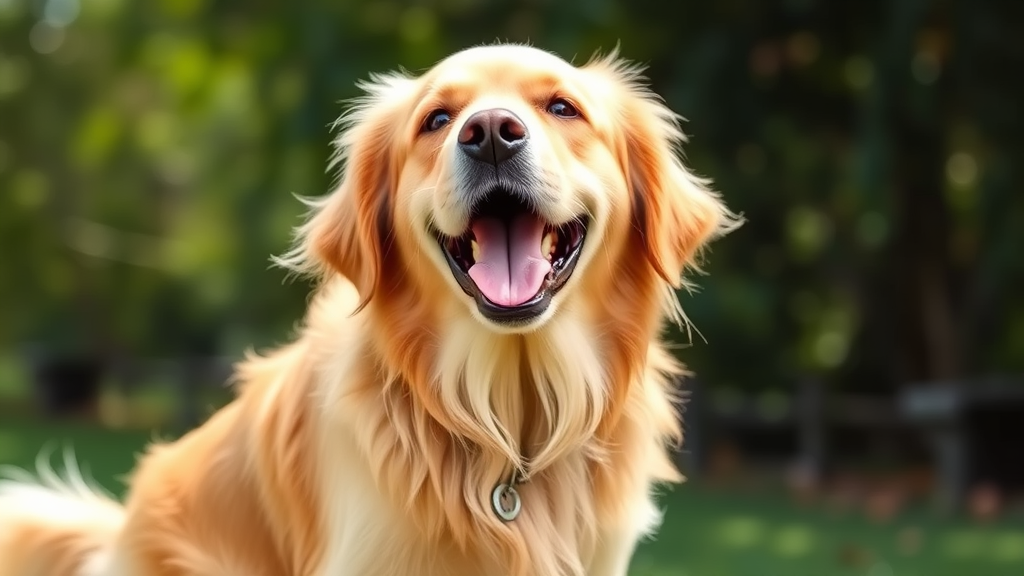
The sound of pure joy – whether it’s a child’s giggle or your dog’s excited panting – has the power to brighten anyone’s day. But have you ever wondered if that happy, breathy sound your dog makes when they’re excited is actually their version of laughter? The question of whether dogs can truly laugh has fascinated pet owners and scientists alike, leading to fascinating research into canine emotions and communication.
While dogs don’t laugh in the same way humans do with audible chuckles and belly laughs, emerging research suggests that our canine companions do indeed have their own unique way of expressing joy and amusement. Understanding how dogs express happiness and whether they experience something analogous to laughter can deepen our bond with our furry friends and help us better recognize their emotional states.
What Is Laughter? Understanding the Science
Before we can determine whether dogs laugh, we need to understand what laughter actually is from a scientific perspective. In humans, laughter is a complex physiological response involving multiple brain regions, respiratory patterns, and facial muscle movements. According to researchers at the National Institutes of Health, laughter triggers the release of endorphins and involves specific neural pathways that process humor and social bonding.
Laughter serves several important functions in human society: it facilitates social bonding, reduces stress, communicates non-threatening intentions, and helps establish group dynamics. The physical act of laughing involves rhythmic contractions of the diaphragm, changes in facial expression, and distinctive vocalizations that are universally recognized across cultures.
When examining whether dogs can laugh, scientists look for similar patterns of behavior, physiological responses, and social functions. While dogs may not produce the same sounds or facial expressions as humans, they might have evolved their own equivalent responses that serve similar purposes in their social interactions.

The Scientific Evidence: Do Dogs Really Laugh?
Groundbreaking research conducted by animal behaviorist Dr. Patricia Simonet at Sierra Nevada College revealed compelling evidence that dogs do indeed produce a form of laughter. Her studies recorded and analyzed the sounds dogs make during play, discovering a specific breathy exhalation that differs significantly from regular panting. This sound, which she termed “dog laughter,” occurs primarily during social play and appears to have a contagious effect on other dogs.
The research utilized sophisticated audio analysis equipment to distinguish between normal panting and this special play vocalization. The American Kennel Club reports that when recordings of dog laughter were played to other dogs, it reduced stress behaviors and encouraged play behavior, suggesting that dogs recognize and respond to this form of communication.
Further studies have examined the neurological aspects of canine joy responses. Research published in animal behavior journals indicates that dogs experience similar neurochemical responses to positive stimuli as humans do, including the release of dopamine and endorphins during pleasurable activities. Just as humans might experience physical symptoms when they do dogs cry, dogs show measurable physiological changes during moments of joy.
Comparative studies with other mammals have revealed that many social species have developed their own forms of “laughter” or joy expression. Rats produce ultrasonic chirps during play, and primates exhibit play faces and vocalizations similar to human laughter. This suggests that the capacity for expressing joy through specialized sounds and behaviors may be more widespread in the animal kingdom than previously thought.
How Dogs Express Joy: The Canine Version of Laughter
Dog laughter manifests quite differently from human laughter, but it serves many of the same social and emotional functions. The primary sound associated with dog laughter is a breathy, rhythmic panting that occurs specifically during play and positive social interactions. This sound is distinct from regular panting caused by heat or exercise, as it has a different tempo and occurs in specific social contexts.
Visual cues often accompany these joyful sounds. Dogs exhibiting their version of laughter typically display relaxed body language, play bows, bouncy movements, and what researchers call a “play face” – an open-mouthed expression with relaxed facial muscles. The tail position is usually high and wagging, and the ears are often in a neutral or forward position, indicating alertness and positive engagement.
Interestingly, dogs seem to understand the difference between this joyful panting and regular breathing patterns. When recordings of dog laughter are played, other dogs often become more playful and social, suggesting they recognize this as a positive communication signal. This is similar to how can dogs get hiccups – while it’s a physical response, dogs seem to recognize and respond to various sounds their companions make.
The timing of dog laughter is also significant. It typically occurs during the most intense moments of play, particularly during chase games, wrestling, or when dogs are engaging in mock fighting behaviors. This timing suggests that dog laughter serves as a social signal that helps maintain the playful nature of interactions and prevents them from escalating into actual aggression.

Recognizing Signs of Happiness and Joy in Dogs
Beyond the specific sounds of dog laughter, there are numerous other ways dogs express happiness and joy that pet owners should learn to recognize. Understanding these signs can help you better connect with your dog and ensure they’re living their best life. Physical indicators include a relaxed posture with loose, flowing movements rather than stiff or tense body language.
Facial expressions in happy dogs often feature soft, relaxed eyes that may appear to be “smiling” with slightly squinted eyes and relaxed mouth muscles. The mouth is often open in a relaxed pant, and some dogs even appear to smile by pulling back their lips in a way that resembles a human grin. However, it’s important to distinguish this from stress-related lip pulling, which occurs in different contexts.
Behavioral signs of canine joy include increased playfulness, seeking out interaction with humans or other dogs, bringing toys or objects to share, and displaying what animal behaviorists call “zoomies” – sudden bursts of energetic running and spinning. Dogs experiencing joy are also more likely to engage in behaviors like why does my dog lick me, as licking is often a sign of affection and happiness.
Vocalization patterns also change when dogs are happy. Beyond the breathy laughter sound, joyful dogs may produce playful barks that are higher in pitch and shorter in duration than alert or warning barks. They might also make soft whining sounds that indicate excitement rather than distress, and some dogs even “talk” or make conversational sounds when they’re particularly happy or excited.
The Social Nature of Dog Laughter and Play
Dog laughter appears to be inherently social, much like human laughter. Research indicates that dogs are most likely to produce these joyful sounds when interacting with other dogs or with their human companions. This social aspect suggests that dog laughter serves important communicative functions within pack dynamics and human-dog relationships.
The contagious nature of dog laughter is particularly fascinating. The American Veterinary Medical Association notes that when one dog begins exhibiting play behaviors and joyful vocalizations, it often triggers similar responses in nearby dogs. This phenomenon mirrors the contagious nature of human laughter and suggests that dogs have evolved sophisticated social communication systems.
Pack dynamics play a crucial role in when and how dogs express laughter. Subordinate dogs may use playful laughter as a way to initiate play with more dominant pack members, while dominant dogs might use these sounds to signal that their approach is friendly rather than threatening. This is particularly important during activities that might otherwise be misinterpreted, such as chase games or wrestling.
The relationship between human and dog laughter is also noteworthy. Many dog owners report that their pets seem to respond positively to human laughter, often becoming more playful or affectionate when they hear their owners laughing. This cross-species recognition of joy signals suggests a deep evolutionary connection between humans and dogs. Just as dogs can sense when we’re upset, similar to how they might experience emotions during do dogs have nightmares, they also seem attuned to our positive emotional states.
How to Encourage More Joyful Moments with Your Dog
Creating opportunities for your dog to express joy and engage in laughter-like behaviors is essential for their mental and emotional well-being. Regular play sessions are crucial, but the quality and type of play matter significantly. Interactive games that encourage natural behaviors like chasing, fetching, and gentle wrestling can trigger the conditions that lead to dog laughter.
Environmental factors also play a role in encouraging joyful expressions. Dogs are more likely to laugh and play in spaces where they feel safe and comfortable. This might be your backyard, a familiar dog park, or even inside your home if there’s adequate space. The presence of familiar humans or canine friends also increases the likelihood of seeing these joyful behaviors.
Understanding your individual dog’s preferences is key to encouraging more laughter and joy. Some dogs prefer physical play like tug-of-war or chase games, while others might be more motivated by mental stimulation through puzzle toys or training games. Pay attention to what activities make your dog most excited and incorporate more of these into your routine. This is similar to understanding other aspects of your dog’s sensory experience, like do dogs have taste buds, which helps us provide better experiences for them.
Timing is also important when encouraging playful behavior. Dogs are typically most playful when they’re well-rested and have had their basic needs met. Trying to initiate play when your dog is tired, hungry, or stressed is less likely to result in genuine joyful expressions. Additionally, understanding your dog’s natural rhythm throughout the day can help you identify the best times for play sessions.
Comparing Dog Emotions to Human Emotions
The study of dog emotions, including their capacity for laughter, reveals fascinating parallels and differences compared to human emotional experiences. Like humans, dogs appear to have complex emotional lives that include not just basic needs-driven responses, but also more sophisticated feelings like joy, contentment, and even what might be considered humor appreciation.
Neurological studies have shown that dogs possess brain structures similar to those involved in human emotional processing. Research published by the National Center for Biotechnology Information indicates that dogs have a developed limbic system, which is responsible for emotional responses in mammals. This suggests that dogs may experience emotions in ways that are more similar to humans than previously thought.
However, there are important differences in how dogs express and process emotions. While humans rely heavily on facial expressions and complex vocalizations to communicate emotions, dogs use a combination of body language, scent, and simpler vocalizations. Understanding these differences helps explain why dog laughter sounds different from human laughter but serves similar social functions.
The way dogs experience physical sensations also differs from humans, which affects their emotional expressions. For instance, dogs have different sensitivities to touch and pressure, which is why some respond so positively to activities like why do dogs like belly rubs. Similarly, their respiratory system functions differently, which is why their laughter manifests as specific breathing patterns rather than vocal chuckles. This is also related to normal functions like why do dogs pant, showing how dogs use breathing for various forms of communication and regulation.
The social aspects of emotion in dogs also show both similarities and differences to human experiences. Dogs form strong emotional bonds with both other dogs and humans, and they appear to experience empathy and emotional contagion similar to humans. However, their social structures and communication methods have evolved differently, leading to unique expressions of emotions like joy and amusement.
Frequently Asked Questions
Can all dog breeds laugh, or do some breeds laugh more than others?
All dogs appear capable of producing laughter-like sounds, but the frequency and intensity can vary between breeds and individual personalities. More social and playful breeds like Golden Retrievers, Labradors, and Border Collies may exhibit these behaviors more frequently due to their naturally gregarious nature. However, even typically reserved breeds can express joy through these breathy vocalizations when they’re comfortable and engaged in play. Individual personality plays a larger role than breed in determining how often a dog will “laugh.”
Is dog laughter the same as regular panting?
No, dog laughter is distinctly different from regular panting. Regular panting is typically rhythmic and consistent, used for temperature regulation or during physical exertion. Dog laughter has a more varied rhythm, is breathy rather than steady, and occurs specifically during social play situations. The sound has been analyzed using audio equipment and shows different frequency patterns than normal panting. Additionally, dog laughter is accompanied by specific body language and occurs in social contexts rather than when dogs are simply hot or tired.
How can I tell if my dog is laughing or just excited?
Dog laughter typically occurs alongside specific behavioral cues that distinguish it from general excitement. Look for the combination of the breathy, rhythmic sound with relaxed body language, play bows, bouncy movements, and a “play face” with an open mouth and soft eyes. Dogs who are simply excited might pant heavily but won’t necessarily show the same relaxed, playful body language. The context is also important – laughter usually occurs during interactive play rather than in anticipation of food or walks. Some dogs also show signs similar to are dogs ticklish when they’re experiencing genuine joy.
Do puppies laugh differently than adult dogs?
Puppies can produce laughter-like sounds, but their vocalizations may be less developed and distinct than adult dogs. Young puppies are still learning social communication skills, so their laughter might be mixed with other play sounds or be less rhythmic than mature dog laughter. As puppies grow and develop better control over their vocalizations and social skills, their laughter typically becomes more distinct and purposeful. Adult dogs also serve as models for puppies, teaching them appropriate times and ways to express joy through play vocalizations.
Can playing recordings of dog laughter help anxious or stressed dogs?
Research suggests that playing recordings of dog laughter can have positive effects on some dogs, potentially reducing stress and encouraging more relaxed behavior. Studies have shown that shelter dogs exposed to dog laughter recordings displayed decreased stress behaviors and increased play behaviors. However, the effectiveness varies by individual dog, and it shouldn’t replace proper anxiety treatment. For dogs with severe anxiety or behavioral issues, it’s best to consult with a veterinarian or animal behaviorist before using this technique as part of a comprehensive treatment plan.
Do dogs laugh when they’re alone, or only in social situations?
Dog laughter appears to be primarily a social behavior, similar to human laughter. Dogs are most likely to produce these sounds when interacting with other dogs or humans, suggesting that it serves important communicative functions. While dogs may experience joy when alone, they’re less likely to vocalize it in the same way they would during social play. This social aspect reinforces the theory that dog laughter evolved as a way to communicate positive intentions and maintain playful interactions within pack dynamics.
What should I do if my dog never seems to laugh or show obvious signs of joy?
If your dog rarely shows signs of joy or laughter, first consider their individual personality – some dogs are naturally more reserved or express happiness in subtle ways. However, a lack of joyful expression could indicate underlying health issues, stress, or insufficient mental stimulation. Ensure your dog is getting adequate exercise, mental enrichment, and social interaction. If you’re concerned about your dog’s emotional well-being, consult with a veterinarian to rule out health problems and consider working with a professional dog trainer or behaviorist to identify ways to encourage more positive experiences and expressions in your pet’s daily life.





