
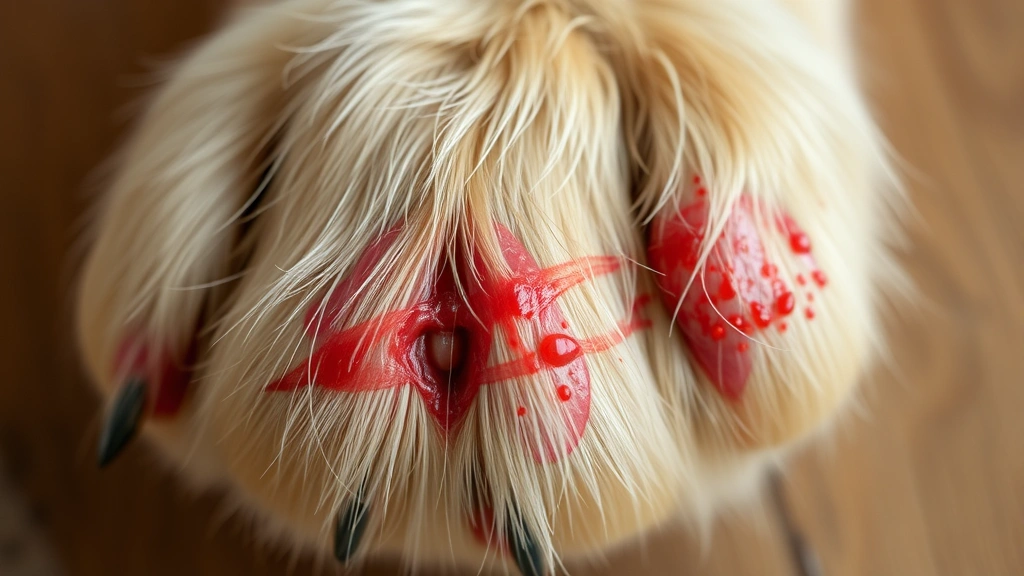
If you’re scratching your head trying to figure out what’s wrong with your pup’s skin, you’re not alone – types of dog skin diseases with pictures are something every dog owner should understand, because skin issues are literally the #1 reason dogs visit the vet. Your furry friend could be dealing with anything from a simple rash to a serious fungal infection, and knowing what you’re looking at can save you time, money, and a lot of worried sleepless nights.
Table of Contents
- Why Dog Skin Diseases Matter More Than You Think
- Allergic Dermatitis: The Most Common Culprit
- Fungal Infections: The Sneaky Spreaders
- Bacterial Infections: When Things Get Serious
- Mange: The Mite Invasion Nobody Wants
- Seborrhea: The Flaky, Greasy Mess
- Contact Dermatitis: When Your Dog Touches Something Nasty
- Parasitic Skin Diseases: Fleas and Lice
- Yeast Infections: The Stinky Problem
- Autoimmune Skin Diseases: When the Body Attacks Itself
- Hormonal Skin Issues: When Glands Go Wrong
- Ear Infections and Otitis: The Hidden Problem
- Frequently Asked Questions
- The Bottom Line on Dog Skin Diseases
Why Dog Skin Diseases Matter More Than You Think
Listen, your dog’s skin isn’t just there to look cute – it’s a massive organ that protects them from infections, regulates temperature, and keeps them comfortable. When something goes wrong with it, your pup suffers big time. They’re itching, they’re uncomfortable, and they might even develop secondary infections from all that scratching. The thing is, many dog owners wait too long before getting help because they’re not sure what they’re dealing with. That’s why understanding canine skin conditions and their visual characteristics is absolutely crucial.
Allergic Dermatitis: The Most Common Culprit
Allergic dermatitis is basically your dog’s immune system throwing a tantrum, and it’s the most frequent skin disease vets see. Dogs can be allergic to food, environmental factors, or contact allergens – basically anything that makes humans sneeze can make your dog’s skin go haywire. You’ll notice excessive scratching, red patches, and sometimes hair loss. The itching is often worse around the ears, paws, and belly. If your dog’s allergies are food-related, switching to limited ingredient dog food might help identify the problem. According to the American Kennel Club, allergic dermatitis accounts for roughly 10% of all vet visits.
Fungal Infections: The Sneaky Spreaders
Ringworm (which isn’t actually a worm – confusing, right?) is the most common fungal infection in dogs, and here’s the kicker: it’s contagious to humans. You’ll see circular patches of hair loss, often with a red or scaly center. The affected areas might smell funky, and your dog will probably be itching like crazy. Other fungal infections include yeast infections, which show up as greasy, smelly skin, especially in skin folds. Certain products you use at home can actually make fungal issues worse – check out whether head and shoulders is safe for dogs before using any human shampoos.

Bacterial Infections: When Things Get Serious
Bacterial skin infections often happen as a secondary problem – your dog scratches an allergy rash, breaks the skin, and boom, bacteria moves in. You’ll see pustules (pus-filled bumps), crusting, and sometimes a foul odor. Impetigo is common in puppies and looks like little blisters or pustules, usually on hairless areas. These infections need veterinary attention because they won’t clear up on their own and can spread quickly. PetMD notes that bacterial pyoderma is one of the most frequently diagnosed skin conditions in dogs.
Mange: The Mite Invasion Nobody Wants
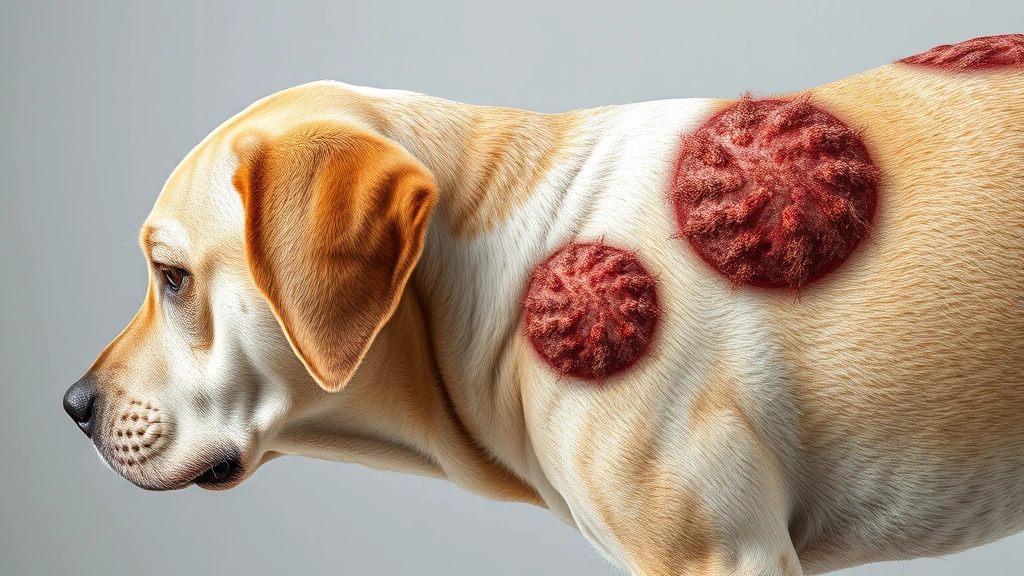
There are two types of mange – sarcoptic and demodectic – and both are caused by mites that burrow into your dog’s skin. Sarcoptic mange is contagious and causes intense itching, hair loss, and crusty lesions, often starting on the ears and elbows. Your dog will scratch so much they might bleed. Demodectic mange happens when your dog’s own mites (yes, they have them naturally) get out of control, usually due to a weak immune system. It causes patchy hair loss and scaly skin. Both types need prescription treatment from your vet, so don’t mess around with home remedies.
Seborrhea: The Flaky, Greasy Mess
Seborrhea comes in two flavors – oily and dry – and it’s basically your dog’s sebaceous glands going into overdrive. With the oily type, your dog’s skin and coat look greasy and smell rancid. The dry type causes flaking and scaling that looks like dandruff on steroids. This condition often shows up alongside allergies or other skin issues, and it can make your dog super uncomfortable. Managing diet helps too – salmon is good for dogs and can actually help improve skin health due to its omega-3 content.
Contact Dermatitis: When Your Dog Touches Something Nasty
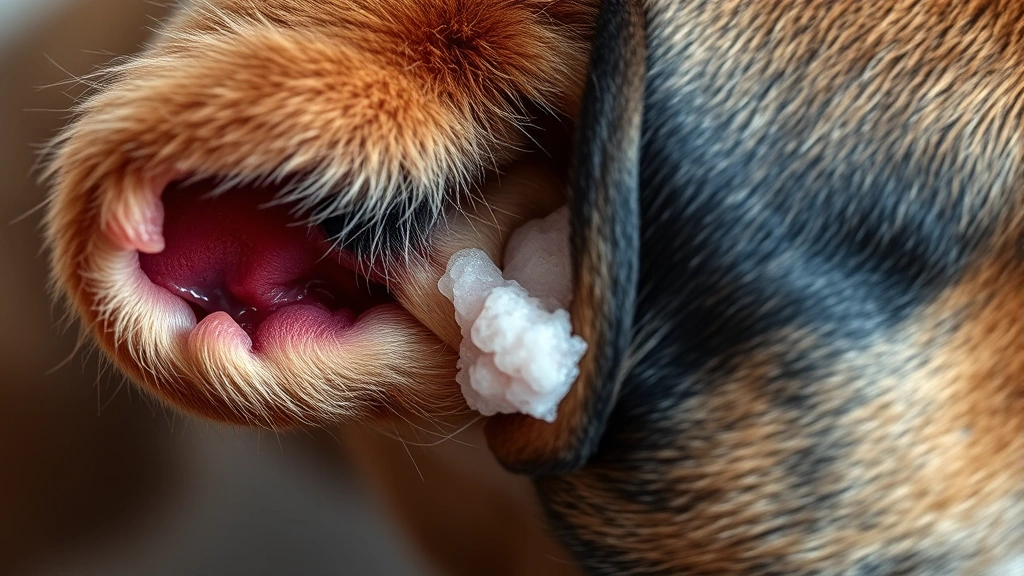
Contact dermatitis happens when your dog’s skin reacts to something they’ve touched – maybe it’s a cleaning product, a plant, or even certain fabrics. You’ll see redness and irritation in the area that touched the irritant. Some dogs react to things like incense or essential oils in the home – if you’re a fan of aromatherapy, check whether incense is bad for dogs first. The good news is that once you remove the irritant, the skin usually clears up pretty quickly.
Parasitic Skin Diseases: Fleas and Lice
Fleas are the obvious one here – they’re tiny vampires that live on your dog’s skin and cause itching, hair loss, and sometimes anemia in severe cases. Flea allergy dermatitis is when some dogs have an allergic reaction to flea saliva, making the itching even worse. Lice are less common in dogs than fleas but still happen, especially in puppies or neglected dogs. You might actually see the lice or their nits (eggs) in the fur. Both require prompt treatment because they multiply fast.
Yeast Infections: The Stinky Problem
Yeast loves warm, moist areas, so you’ll often see yeast infections in your dog’s ears, paws, and skin folds. The skin looks red and greasy, and there’s usually a distinctive musty or corn-chip smell (vets call this “Frito feet,” which is adorable but gross). Yeast infections often develop after your dog swims or gets wet, or as a secondary issue following allergies. Some dogs are just prone to them, especially breeds with lots of skin folds.
Autoimmune Skin Diseases: When the Body Attacks Itself
Pemphigus and lupus are autoimmune conditions where your dog’s immune system literally attacks their own skin. These are serious and rare, but they cause blistering, ulceration, and crusty lesions. You might see them on the nose, ears, or paw pads. These require aggressive veterinary treatment and ongoing management. If your dog has underlying health issues affecting their immune system, their skin will suffer – this is why proper nutrition matters, and kidney diet for dogs might be relevant if they have concurrent kidney issues.
Hormonal Skin Issues: When Glands Go Wrong
Hypothyroidism and Cushing’s disease can both cause skin problems because hormones regulate skin health. With hypothyroidism, you’ll see hair loss, thickened skin, and sometimes a musty smell. Cushing’s causes hair loss, thinning skin, and increased susceptibility to infections. These conditions require blood work to diagnose, so if your dog has unexplained skin issues plus other symptoms like weight changes, get them checked out.
Ear Infections and Otitis: The Hidden Problem
Ear infections are technically skin diseases (the ear canal is lined with skin), and they’re incredibly common. You’ll notice your dog shaking their head, scratching their ears, or tilting their head. The ear might smell bad, and you could see discharge. Ear infections often happen alongside allergies or other skin conditions, so treating the underlying problem helps prevent them.
Frequently Asked Questions
What should I do if I think my dog has a skin disease?
Schedule a vet appointment ASAP. Your vet might do skin scrapings, fungal cultures, or other tests to identify the exact problem. Don’t wait – skin issues get worse quickly, and your dog is suffering.
Can I use human products on my dog’s skin?
Generally, no. Human skin has a different pH than dog skin, and products meant for us can irritate theirs. Always check with your vet before using anything on your dog’s skin. Peppermint oil, for example, is bad for dogs and should never be applied to their skin.
Are some dog breeds more prone to skin diseases?
Absolutely. Breeds with skin folds (like Bulldogs), long ears (like Cocker Spaniels), or genetic predispositions to allergies (like Retrievers) tend to have more skin issues. Mixed breeds can have them too – it’s not breed-exclusive.

How long does it take to treat a dog skin disease?
It depends on what it is. Bacterial infections might clear in 2-4 weeks with antibiotics. Fungal infections can take 4-6 weeks or longer. Allergies are often lifelong management issues. Your vet will give you a timeline based on the diagnosis.
Is my dog’s skin disease contagious to other pets?
Some are, some aren’t. Ringworm and mange are contagious to other animals and sometimes humans. Allergies and autoimmune conditions aren’t contagious. Ask your vet specifically about your dog’s condition.
The Bottom Line on Dog Skin Diseases
Understanding the different types of dog skin diseases with pictures and their characteristics empowers you to get your pup help faster. While some skin issues are minor and clear up quickly, others require ongoing management and veterinary care. The key is not to ignore symptoms – that itching, redness, or hair loss isn’t going away on its own, and your dog is absolutely miserable. Get them to the vet, follow the treatment plan, and don’t hesitate to ask questions. Your dog’s skin health is directly connected to their overall wellbeing, so it’s worth taking seriously. Remember, veterinary dermatology specialists exist for a reason – if your regular vet is stumped, it’s totally okay to get a second opinion from a dermatologist. Your furry friend deserves to feel comfortable in their own skin.





