
If you’re looking to understand the different types of hunting dogs, you’ve landed in the right spot. Whether you’re an experienced hunter or someone curious about these incredible canines, this guide breaks down everything you need to know about selecting the perfect hunting companion.
Table of Contents
- What Makes a Dog a Hunting Dog?
- Pointer Breeds: The Precision Hunters
- Retriever Breeds: Water and Land Masters
- Spaniel Breeds: The Flushing Specialists
- Scent Hound Breeds: The Nose Detectives
- Setter Breeds: The Elegant Hunters
- Terrier Breeds: Small but Mighty Hunters
- Gun Dog Breeds: The Versatile Performers
- Choosing the Right Hunting Dog for Your Needs
- Training and Conditioning Your Hunting Dog
- Health Considerations for Hunting Dogs
- Frequently Asked Questions
- Conclusion: Finding Your Perfect Hunting Partner
What Makes a Dog a Hunting Dog?
Not every dog with a wagging tail can handle the demands of hunting. Hunting dogs possess specific traits that have been bred into them for generations: keen noses, boundless energy, intelligence, and an unwavering drive to work. These aren’t couch potatoes—they’re athletes with a job to do. A true hunting dog combines physical prowess with mental sharpness, making them invaluable partners in the field.
Pointer Breeds: The Precision Hunters
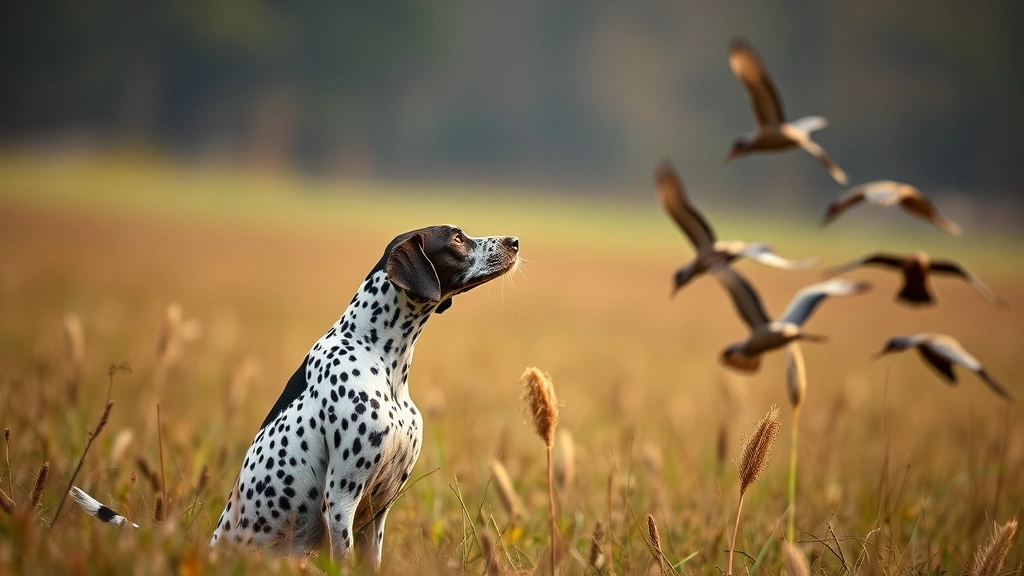
Pointers are the sharp-shooters of the hunting world. These dogs use their exceptional sense of smell to locate game birds, then literally point at them with their nose and body. The English Pointer and German Shorthaired Pointer are classics in this category. They’re lean, muscular, and built for speed. If you need a dog that can cover vast territory and pinpoint game with laser-like accuracy, pointers are your answer. The American Kennel Club recognizes numerous pointer varieties, each with subtle differences in temperament and working style.
Retriever Breeds: Water and Land Masters
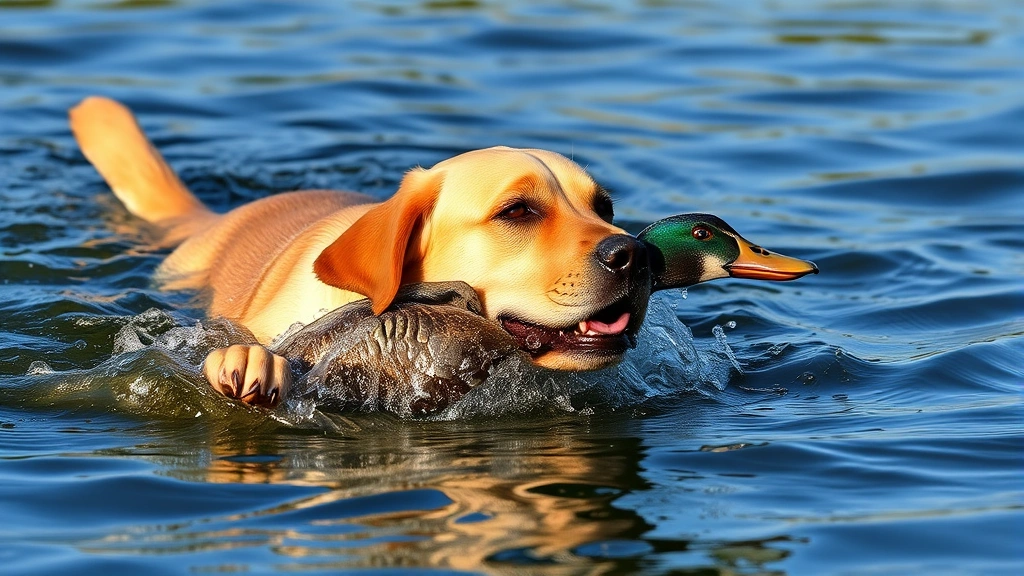
Retrievers are the all-around champions of hunting dogs. Labrador Retrievers and Golden Retrievers dominate this category, though Chesapeake Bay Retrievers bring their own tough, cold-water expertise. These breeds excel at fetching downed game from water and land, thanks to their water-resistant coats and soft mouths. They’re friendly, trainable, and have the stamina to work all day. Many hunters swear by retrievers because they’re not just effective—they’re genuinely enjoyable companions between hunts.
Spaniel Breeds: The Flushing Specialists
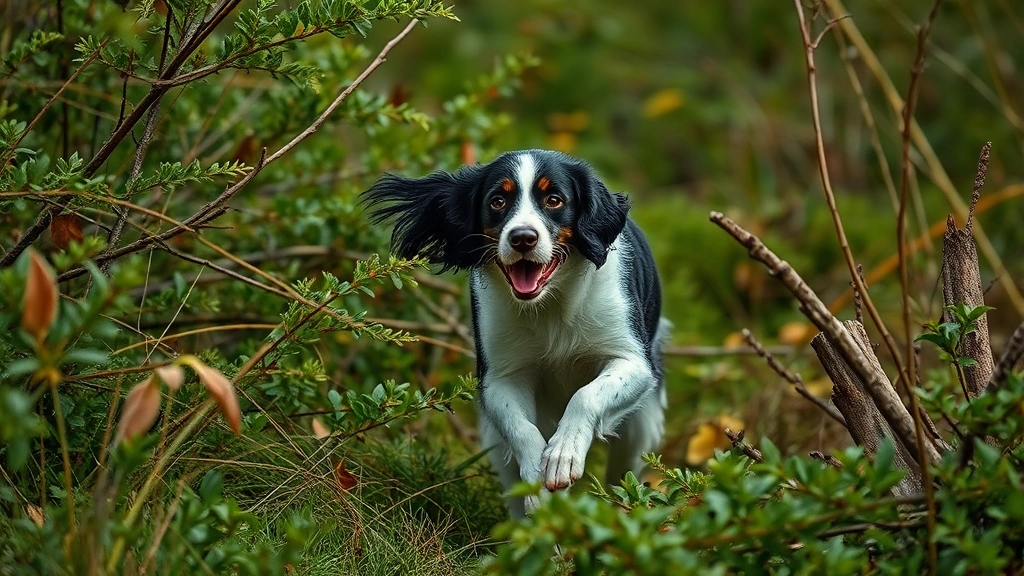
Spaniels are compact powerhouses designed to flush game from dense brush and undergrowth. English Springer Spaniels and Cocker Spaniels burst through vegetation to startle birds into flight, giving hunters the perfect shot opportunity. What makes spaniels special is their ability to work in tight spaces where larger dogs would struggle. They’re energetic, eager to please, and surprisingly versatile for their size. PetMD notes that spaniels require consistent exercise and mental stimulation to prevent behavioral problems.

Scent Hound Breeds: The Nose Detectives
Hounds rely on their extraordinary olfactory abilities to track game across varied terrain. Beagles, Bloodhounds, and Coonhounds fall into this category. These dogs follow scent trails with single-minded determination, sometimes baying to alert hunters to their location. Hounds are independent thinkers—they’ll follow a scent even when you’d prefer they didn’t—which means training requires patience and understanding. They’re perfect for hunters who enjoy the pursuit as much as the destination.
Setter Breeds: The Elegant Hunters
Setters combine the hunting prowess of pointers with their own distinctive style. English Setters, Irish Setters, and Gordon Setters are known for their beautiful coats and graceful movement. Unlike pointers, setters traditionally crouch or “set” when they locate game. Irish Setters, in particular, have become more popular as family dogs, but well-bred hunting lines maintain incredible field abilities. These dogs offer the best of both worlds: stunning aesthetics and serious hunting credentials.
Terrier Breeds: Small but Mighty Hunters
Don’t let their size fool you. Jack Russell Terriers and other hunting terriers possess fearless attitudes and incredible determination. Originally bred to hunt foxes and other small game, terriers will pursue quarry into burrows and tight spaces. They’re compact enough to fit where larger dogs can’t go, yet tough enough to handle themselves in challenging situations. If you’re hunting smaller game or working in confined spaces, terriers punch well above their weight class. For more insight into different dog temperaments, check out our article on is my dog happy to understand your hunting companion’s wellbeing.
Gun Dog Breeds: The Versatile Performers
Gun dogs represent the Renaissance men of the hunting world. Brittany Spaniels, Vizslas, and Weimaraners can point, retrieve, and flush game depending on the situation. They’re medium-sized, intelligent, and adaptable to various hunting scenarios. Gun dogs are perfect for hunters who pursue multiple game types or who want a single dog capable of handling diverse tasks. Their versatility makes them increasingly popular among modern hunters who value efficiency and all-around capability.

Choosing the Right Hunting Dog for Your Needs
Selecting from the various hunting dog breeds requires honest assessment of your hunting style, terrain, and game preferences. Ask yourself: What do you hunt? How much space do you have? How much training time can you invest? Are you hunting alone or with a group? A pointer might be overkill for small game hunting, while a terrier would be frustrated trying to retrieve waterfowl. Consider your climate too—Chesapeake Bay Retrievers thrive in cold water, while Vizslas prefer warmer conditions. The USDA’s animal research division has published extensive studies on canine working behavior that can inform your decision.
Training and Conditioning Your Hunting Dog
Regardless of which type of hunting dog you choose, proper training and conditioning are non-negotiable. These dogs need structured training to channel their natural instincts effectively. Start young, be consistent, and consider working with a professional trainer experienced in hunting dog development. Physical conditioning matters too—hunting demands serious athleticism. Regular exercise, proper nutrition, and preventative veterinary care keep your dog performing at peak levels. Check out our guide on is venison good for dogs for insights into appropriate nutrition for hunting dogs.
Health Considerations for Hunting Dogs
Hunting dogs face unique health challenges. Hip dysplasia, elbow dysplasia, and ear infections are common in many hunting breeds. Regular veterinary checkups, appropriate screening before breeding, and proper ear care prevent many issues. Hypothermia and exhaustion are real dangers in field conditions, so responsible hunters monitor their dogs closely. Ensure your hunting dog has access to fresh water, appropriate rest, and shelter. Some breeds prone to bloat—like Weimaraners—shouldn’t exercise heavily immediately after eating.
Frequently Asked Questions
What’s the best hunting dog breed for beginners?
Labrador Retrievers are often recommended for first-time hunting dog owners. They’re intelligent, trainable, eager to please, and versatile enough to handle multiple hunting scenarios. Their friendly nature also makes them excellent family companions between hunting seasons.
Can I use a hunting dog as a family pet?
Absolutely. Many hunting dogs transition beautifully into family life, provided they get adequate exercise and mental stimulation. Retrievers and spaniels especially adapt well to dual roles. However, understand that these dogs have high energy levels and need regular activity to stay happy and well-behaved.
How long does it take to train a hunting dog?
Basic obedience takes 6-12 months, while field training for advanced hunting skills can take 1-2 years or longer. Some dogs continue learning and improving throughout their lives. The timeline depends on the breed, individual dog, training methods, and your commitment level.

Are hunting dogs expensive?
Quality hunting dog puppies from reputable breeders typically cost $500-$2,000+. Factor in training expenses ($1,000-$5,000+), veterinary care, food, and equipment. However, a well-trained hunting dog provides years of reliable performance, making the investment worthwhile for serious hunters.
What’s the difference between hunting dog breeds and show dog lines?
Hunting lines are bred for working ability, athleticism, and drive. Show lines emphasize appearance and temperament for the show ring. A show-bred Golden Retriever might not have the same hunting instincts as a field-bred line. If hunting is your goal, seek breeders who focus on working bloodlines.

Conclusion: Finding Your Perfect Hunting Partner
Understanding the different types of hunting dogs empowers you to make an informed decision that matches your hunting goals and lifestyle. Whether you choose a pointer’s precision, a retriever’s versatility, a spaniel’s enthusiasm, or a hound’s determination, you’re gaining a partner bred for success in the field. Remember that hunting dogs aren’t just tools—they’re companions that deserve proper training, care, and respect. Take time to research breeds, connect with experienced hunters, and work with reputable breeders. The right hunting dog will reward your investment with years of reliable performance and genuine companionship. Happy hunting!





