
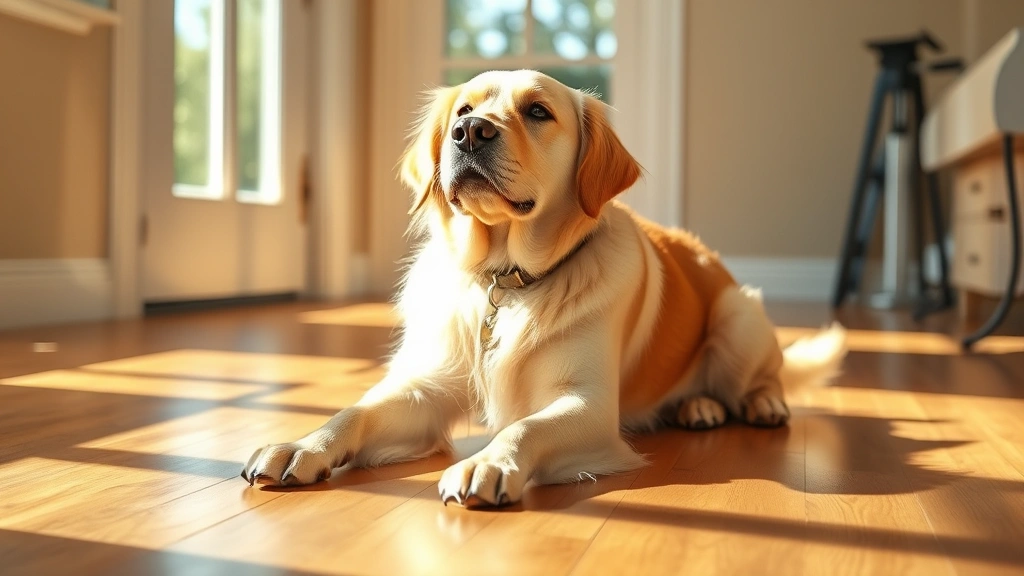
If you’ve ever watched your dog stretch with their front legs extended and rear end in the air, you’ve witnessed the natural canine version of upward dog—a pose that’s not just adorable but packed with genuine health benefits for your furry friend. This isn’t some trendy Instagram thing; it’s a legitimate movement pattern that dogs have been doing since, well, forever. Let’s dive into why this simple stretch is basically a free wellness routine for your pet.
Table of Contents
- What Is Upward Dog and Why Should You Care?
- Benefit #1: Improved Spinal Flexibility and Mobility
- Benefit #2: Enhanced Chest and Shoulder Strength
- Benefit #3: Better Digestion and Abdominal Health
- Benefit #4: Increased Mental Stimulation and Stress Relief
- Benefit #5: Improved Circulation and Cardiovascular Health
- How to Encourage Your Dog to Practice Upward Dog Stretches
- Age-Specific Considerations for Your Dog
- Combining Upward Dog with Other Healthy Habits
- Signs Your Dog Needs More Stretching
- Frequently Asked Questions
- Conclusion: Making Upward Dog Part of Your Dog’s Wellness Routine
What Is Upward Dog and Why Should You Care?
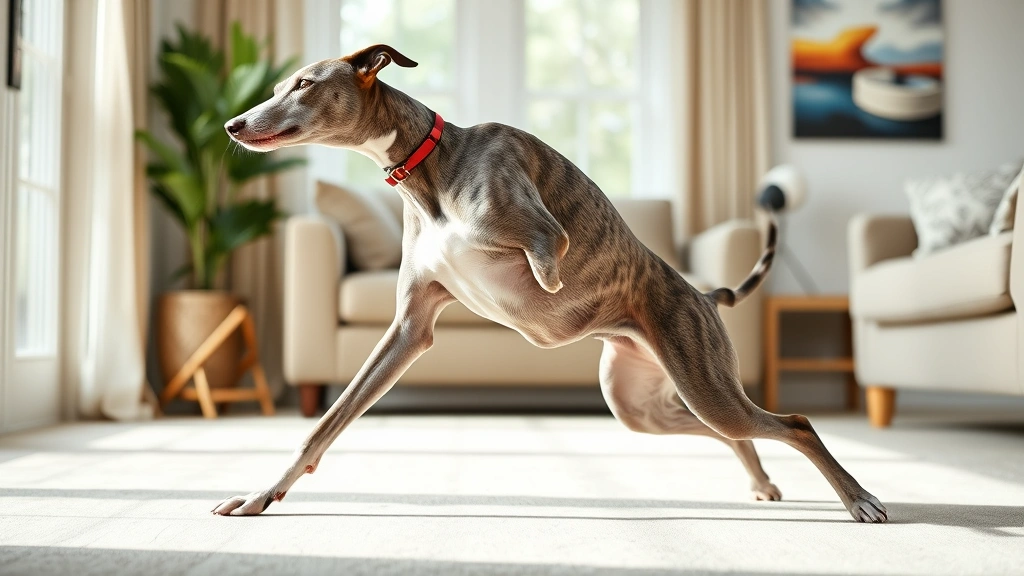
The upward dog pose is that classic stretch where your dog plants their front paws firmly on the ground, extends their chest forward, and arches their back slightly while their hind legs remain extended behind them. It’s the canine equivalent of a human yoga pose, except dogs do it instinctively without needing a $200 yoga mat or a subscription app. This natural movement pattern engages multiple muscle groups and provides surprising benefits that most pet owners completely overlook.
Benefit #1: Improved Spinal Flexibility and Mobility
Your dog’s spine is like the foundation of their entire movement system. When dogs practice the upward dog stretch regularly, they’re actively mobilizing their vertebral column and improving flexibility. This is especially important for breeds prone to back issues like Dachshunds or Corgis. The gentle extension of the spine through this pose helps maintain proper alignment and can reduce the risk of intervertebral disc disease. Think of it as preventative maintenance for your dog’s backbone—much cheaper than surgery later.
Benefit #2: Enhanced Chest and Shoulder Strength
The front limbs bear significant weight during the upward dog movement, which means your dog’s chest, shoulders, and front leg muscles are getting a legitimate workout. This strengthening is crucial for maintaining proper posture and preventing muscle atrophy, especially in senior dogs. Dogs that regularly engage in this stretch tend to have better shoulder stability and reduced risk of forelimb injuries. It’s like your dog’s personal physical therapy session happening naturally throughout the day.
Benefit #3: Better Digestion and Abdominal Health
Here’s something many people don’t realize: the gentle compression and extension of the abdominal cavity during upward dog stretching can aid digestive function. The pose encourages healthy organ positioning and can help with gentle abdominal massage as the muscles contract and release. Dogs that struggle with occasional digestive sluggishness might benefit from more frequent stretching opportunities. According to the American Kennel Club, regular movement and stretching contribute to overall metabolic health in dogs.
Benefit #4: Increased Mental Stimulation and Stress Relief
Physical movement isn’t just about muscles—it’s also about mental health. When your dog engages in stretching routines like upward dog, they’re releasing endorphins and reducing cortisol levels. This natural stress relief is especially valuable for anxious dogs or those dealing with environmental stressors. The mindful nature of the stretch (even though dogs don’t think about it the way we do) promotes a calmer nervous system. You might notice your dog seems more relaxed after a good stretching session.
Benefit #5: Improved Circulation and Cardiovascular Health
The upward dog pose increases blood flow to the chest and front limbs, promoting better cardiovascular circulation. This improved blood flow delivers oxygen and nutrients more efficiently throughout your dog’s body and helps remove metabolic waste products. Regular stretching combined with appropriate exercise creates a synergistic effect for heart health. PetMD notes that consistent movement patterns are essential for maintaining healthy cardiovascular function in dogs of all ages.
How to Encourage Your Dog to Practice Upward Dog Stretches
The beautiful thing about upward dog is that most dogs do it naturally—you don’t need to teach them anything fancy. However, you can encourage more frequent stretching by creating an environment that promotes movement. Place toys slightly out of reach to encourage stretching, use treat-based games that require reaching, and ensure your dog has comfortable surfaces for stretching. Some dogs, particularly low-energy dog breeds, might need extra encouragement to engage in regular stretching activities. Interactive play sessions naturally prompt these beneficial stretches.
Age-Specific Considerations for Your Dog
Puppies naturally stretch frequently as part of their development and muscle building. Adult dogs benefit from consistent stretching to maintain fitness and prevent injury. Senior dogs especially need regular stretching to combat the stiffness that comes with age—think of it as canine physical therapy. If your dog has existing joint issues or orthopedic concerns, consult your veterinarian before implementing any new exercise routine. Dogs recovering from surgery should follow specific guidelines rather than free-form stretching.
Combining Upward Dog with Other Healthy Habits
The upward dog stretch works best as part of a comprehensive wellness approach. Combine regular stretching with appropriate exercise, a balanced diet, and mental enrichment. Dogs that are low-maintenance in other areas still need consistent movement and stretching routines. The combination of stretching, walking, playtime, and rest creates an optimal health environment. Even livestock guardian dogs benefit from structured stretching routines despite their active nature.
Signs Your Dog Needs More Stretching
Watch for indicators that your dog might benefit from increased stretching activities. Stiffness after rest, reluctance to jump or climb stairs, shortened stride length, or visible muscle tightness all suggest your dog needs more mobility work. Dogs showing these signs should have a veterinary check-up to rule out underlying issues, but increased stretching is often part of the solution. Senior dogs especially benefit from a stretching routine that becomes part of their daily routine.
Frequently Asked Questions
Is upward dog safe for all dog breeds?
Yes, upward dog is generally safe for all breeds since it’s a natural movement pattern. However, dogs with existing spinal issues, recent surgeries, or severe orthopedic conditions should be cleared by a veterinarian first. Brachycephalic breeds (flat-faced dogs) might have limitations based on their breathing, so monitor comfort levels carefully.
How often should my dog stretch in upward dog position?
Dogs naturally stretch multiple times throughout the day, so there’s no need to force a specific frequency. Most healthy dogs will stretch 10-20 times daily without any prompting. The key is ensuring they have opportunities and encouragement to move freely throughout the day.

Can I teach my dog to do upward dog on command?
Absolutely! You can train your dog to stretch on cue using positive reinforcement. Hold a treat near their nose and slowly move it forward and slightly upward, encouraging the natural stretching motion. Reward immediately when they stretch. This can be useful for therapeutic purposes or exercise routines.
What’s the difference between upward dog and downward dog stretches?
Upward dog extends the spine and engages the chest muscles, while downward dog (rear end elevated, head down) stretches the hamstrings and back muscles. Both are beneficial and dogs naturally perform both throughout the day. A balanced stretching routine includes both patterns.
Should senior dogs do upward dog stretches?
Yes, senior dogs benefit significantly from regular stretching, including upward dog. This helps maintain mobility and reduce age-related stiffness. Start gently and monitor for any signs of discomfort. Senior dogs with arthritis should be cleared by their vet, but controlled stretching is usually beneficial for joint health.
Conclusion: Making Upward Dog Part of Your Dog’s Wellness Routine
The upward dog stretch represents one of nature’s simplest yet most effective health tools available to your dog. From improving spinal flexibility and muscle strength to enhancing digestion and reducing stress, this natural movement pattern delivers measurable health benefits without requiring any special equipment or training. The best part? Your dog already knows how to do it—you just need to create an environment that encourages regular stretching and movement.
Whether your dog is a playful puppy, an active adult, or a wise senior companion, incorporating regular stretching opportunities into their daily routine is a simple investment in their long-term health and quality of life. Watch for those natural stretching moments, encourage movement through play, and you’ll be supporting your dog’s physical and mental wellbeing in a way that costs nothing but pays dividends for years to come. Your dog’s spine, muscles, and overall health will thank you.





