

If your furry friend has been packing on the pounds, weight management dog food might be exactly what you need to help them shed those extra ounces and get back to their energetic, healthier selves. Obesity in dogs is no joke—it can lead to joint problems, diabetes, and a shorter lifespan. But here’s the good news: the right diet can make all the difference, and we’re here to help you navigate the options.
Table of Contents
- Why Weight Management Dog Food Matters
- Understanding Caloric Density in Dog Nutrition
- The Role of Protein in Weight Loss
- Fiber: The Secret Weapon for Satiety
- Best Weight Management Dog Food Brands to Consider
- Portion Control and Feeding Guidelines
- Treats and Table Scraps: The Hidden Calorie Culprits
- Incorporating Exercise with Dietary Changes
- Monitoring Progress and Adjusting as Needed
- Frequently Asked Questions
- Conclusion: Your Dog’s Healthier Future Starts Now
Why Weight Management Dog Food Matters
Let’s be honest: watching your dog struggle to climb stairs or play fetch is heartbreaking. Overweight dogs face serious health risks that go beyond just looking fluffy. According to the Association of American Feed Control Officials, obesity affects roughly 56% of dogs in the United States. That’s more than half of our four-legged friends dealing with weight issues.
Weight management dog food is specifically formulated to help your pup lose weight safely while maintaining muscle mass. These foods typically contain fewer calories, more fiber for satiety, and higher protein levels to keep your dog feeling full longer. It’s not about starving your dog—it’s about feeding them smarter.
Understanding Caloric Density in Dog Nutrition
Not all dog foods are created equal when it comes to calories. Some premium formulas pack more nutrition into smaller portions, which is ideal for weight-conscious pups. The key is finding a low-calorie dog food that doesn’t sacrifice nutritional value.
Look for foods with around 3.5 calories per gram or less. Brands that focus on lean proteins and whole grains tend to offer better satiety without excessive calories. This is where quality ingredients really shine—your dog feels satisfied eating less.
The Role of Protein in Weight Loss
Here’s a secret that veterinarians love: protein is your best friend when managing your dog’s weight. High-protein weight management dog food helps preserve lean muscle mass while your pup loses fat. Aim for formulas with at least 20-25% crude protein.
Protein keeps dogs feeling fuller longer, reduces cravings, and supports healthy metabolism. Whether you choose chicken, fish, or beef-based formulas, make sure protein is listed as the primary ingredient. Your dog’s muscles will thank you as they slim down.
Fiber: The Secret Weapon for Satiety
Fiber is like the unsung hero of weight management dog food. It fills your dog’s stomach without adding excessive calories, making them feel satisfied on smaller portions. Look for foods with 8-12% crude fiber content.
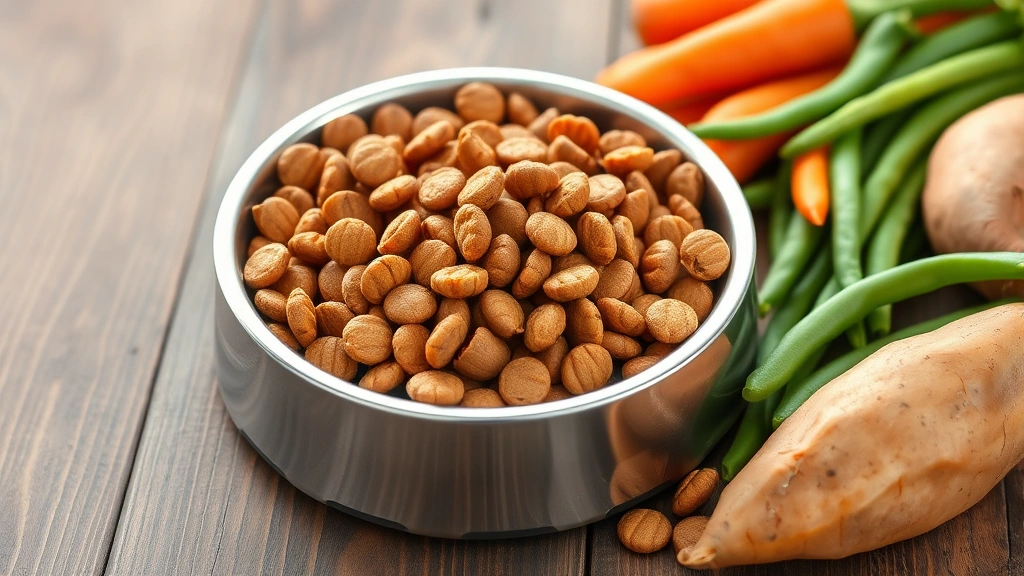
Sources like pumpkin, sweet potatoes (yes, sweet potato is good for dogs), and brown rice provide excellent fiber. These ingredients also support digestive health, which is crucial during weight loss. A happy gut means a healthier, slimmer pup.
Best Weight Management Dog Food Brands to Consider
When shopping for weight management dog food, you’ll find several standout brands worth your attention. Fromm dog food offers excellent quality with controlled calorie formulas that dogs actually enjoy eating. Their weight management line includes real meat and wholesome grains.
Life’s Abundance dog food is another premium option that focuses on natural ingredients and balanced nutrition for weight loss. These brands understand that your dog deserves quality fuel, even when cutting calories.
For dogs with specific sensitivities, limited ingredient dog food formulas can be excellent for weight management. They eliminate unnecessary fillers and focus on essential nutrients, making them ideal for pups with food sensitivities who need to lose weight.
Portion Control and Feeding Guidelines
Here’s where many pet parents go wrong: they don’t actually reduce portions when switching to weight management dog food. Even the best formula won’t work if you’re feeding too much of it. Follow the feeding guidelines on the package, but remember—every dog is different.
Your vet can calculate the exact caloric needs based on your dog’s current weight, age, and activity level. A typical overweight dog might need 25% fewer calories than their maintenance level to achieve gradual, healthy weight loss. Slow and steady wins the race.
Treats and Table Scraps: The Hidden Calorie Culprits
You can feed the best weight management dog food available, but if you’re sneaking treats and table scraps, you’re sabotaging your efforts. Those “harmless” cheese cubes and pizza crusts add up fast. Treats should comprise no more than 10% of your dog’s daily caloric intake.
Consider using low-calorie alternatives like carrot sticks or green beans as treats. Your dog won’t know the difference, and you’ll feel good about supporting their weight loss journey. Plus, crunchy vegetables can help clean their teeth—bonus points!
Incorporating Exercise with Dietary Changes
Weight management dog food works best when combined with regular exercise. Even a lethargic dog can gradually increase activity levels with encouragement. Start with short, gentle walks and work up to more active play sessions.
Exercise not only burns calories but also improves mood, strengthens muscles, and supports overall health. A dog that’s both eating right and moving regularly will see results faster and maintain that healthy weight long-term.
Monitoring Progress and Adjusting as Needed
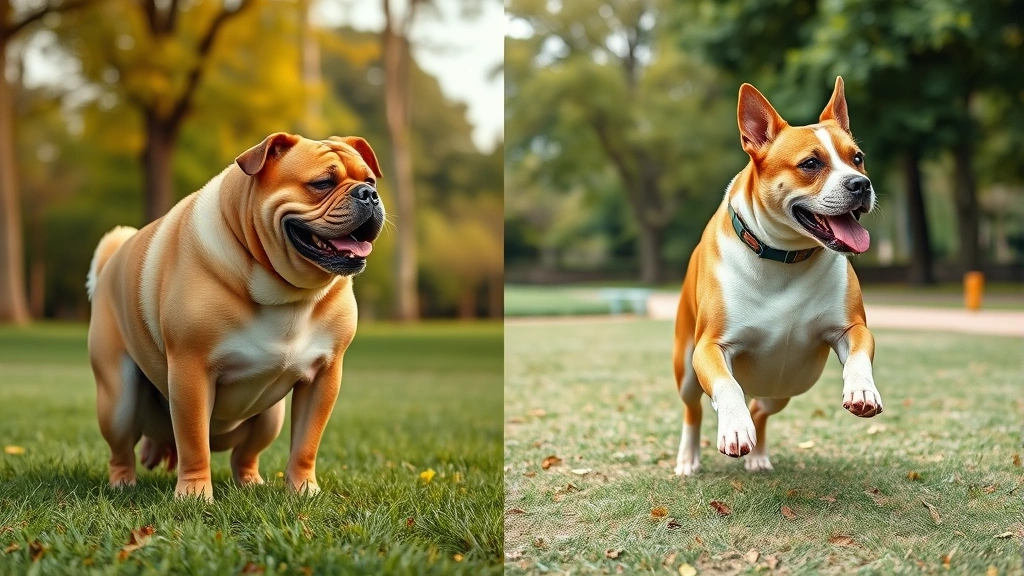
Don’t just assume your dog is losing weight—actually track it. Weigh your pup monthly and take body condition photos to monitor progress. You should be able to feel their ribs without pressing hard, and they should have a visible waist when viewed from above.
If progress stalls after 4-6 weeks, consult your vet. Sometimes adjustments are needed, or there might be underlying health issues affecting weight loss. Your veterinarian can recommend the best weight management dog food for your specific situation.
Frequently Asked Questions
How long does it take for a dog to lose weight on weight management dog food?
Most dogs see noticeable weight loss within 4-8 weeks of switching to weight management dog food combined with exercise and portion control. However, the timeline varies based on your dog’s starting weight, age, and metabolism. Aim for gradual weight loss of about 1-2% of body weight per week for safe, sustainable results.
Can I mix weight management dog food with regular dog food?
Mixing can work during a transition period, but it defeats the purpose if you’re trying to reduce calories. Gradually transition to 100% weight management dog food over 7-10 days. Once your dog is adjusted, stick with the weight management formula for best results.
Is weight management dog food more expensive?
Quality weight management dog food often costs more per bag than standard formulas, but you’ll feed smaller portions. The overall monthly cost might be similar or even less than premium regular food, especially when you factor in potential vet bills from obesity-related health issues.
What if my dog refuses weight management dog food?
Some dogs are picky eaters. Try different brands and formulas—taste preferences vary. You can also warm the food slightly to enhance aroma, or mix in a small amount of low-sodium broth. If your dog consistently refuses quality options, consult your vet for alternatives.
Should I use prescription weight management dog food?
Prescription formulas from your vet are an option, especially if your dog has health conditions complicating weight loss. However, many high-quality commercial weight management dog foods are equally effective and more affordable. Discuss options with your veterinarian to determine what’s best for your pup.
Conclusion: Your Dog’s Healthier Future Starts Now
Choosing the right weight management dog food is one of the most loving decisions you can make for your furry companion. By selecting formulas with appropriate calorie content, high protein levels, and quality ingredients, you’re setting your dog up for a healthier, happier life. Combine the best weight management dog food with consistent exercise, portion control, and veterinary guidance, and you’ll see your pup transform.
Remember, this isn’t about making your dog miserable—it’s about giving them the gift of better health, increased energy, and more years by your side. Your chunky pup deserves to feel their best, and with the right nutrition plan, they absolutely can.





