

Understanding what are the three stages of Cushing’s disease in dogs can literally be a lifesaver for your furry best friend. Cushing’s disease—also called hyperadrenocorticism—is one of those sneaky conditions that creeps up on our pups, and knowing the stages helps you catch it early and keep your dog comfortable for years to come.
Table of Contents
- Understanding Cushing’s Disease: The Basics
- Stage One: Early Cushing’s Disease in Dogs (Preclinical Phase)
- Stage Two: Moderate Cushing’s Disease (Clinical Phase Begins)
- Stage Three: Advanced Cushing’s Disease (Severe Clinical Phase)
- Diagnostic Testing Across All Cushing’s Stages
- Treatment Options for Each Cushing’s Stage
- Nutritional Management and Lifestyle Adjustments
- Prognosis and Long-Term Outlook
- Common Complications and How to Prevent Them
- Frequently Asked Questions
- Conclusion: Managing Your Dog’s Cushing’s Journey
Understanding Cushing’s Disease: The Basics
Before diving into the three stages of canine Cushing’s disease, let’s get real about what we’re dealing with. Cushing’s disease occurs when your dog’s body produces way too much cortisol, a stress hormone. Think of it like your dog’s internal stress factory is running 24/7 on overdrive. This happens because either the pituitary gland or the adrenal glands are misbehaving. Most cases (about 80-85%) stem from a pituitary tumor, while the remaining involve adrenal gland issues. It’s more common in senior dogs and certain breeds like Poodles, Dachshunds, and Beagles, though any dog can develop it.
Stage One: Early Cushing’s Disease in Dogs (Preclinical Phase)
The first stage of Cushing’s disease is like the silent alarm nobody hears yet. During this preclinical phase, your dog’s cortisol levels are already elevated, but clinical symptoms haven’t really shown up—or they’re so subtle you might miss them entirely. This stage can last months or even years, making it the sneakiest of all the canine Cushing’s stages.
Here’s what might be happening behind the scenes: your dog’s body is already experiencing hormonal chaos, but outwardly, Fido looks pretty normal. You might notice tiny changes—maybe your pup drinks water slightly more than usual, or the coat seems a bit less lustrous. Some owners report their dogs seem marginally more tired, but nothing that screams “something’s wrong.”

The challenge? Many dogs are only diagnosed during routine bloodwork for other reasons during this stage. Your vet might catch elevated cortisol levels during a physical exam for an unrelated issue. This is actually a blessing in disguise because early detection of Cushing’s disease allows for earlier intervention and better long-term management.
Stage Two: Moderate Cushing’s Disease (Clinical Phase Begins)
Welcome to stage two, where Cushing’s disease finally decides to make itself known. This is when symptoms become noticeable enough that most owners start thinking, “Hey, something’s definitely different with my dog.” The moderate stage is where things get real, and your pup’s quality of life starts being affected.
Classic symptoms during this stage include:

- Excessive thirst and urination – Your dog might suddenly seem glued to the water bowl, and house-training accidents become frequent even in previously well-trained dogs
- Increased appetite – Your pup acts like they’ve never eaten before in their life, constantly begging and searching for food
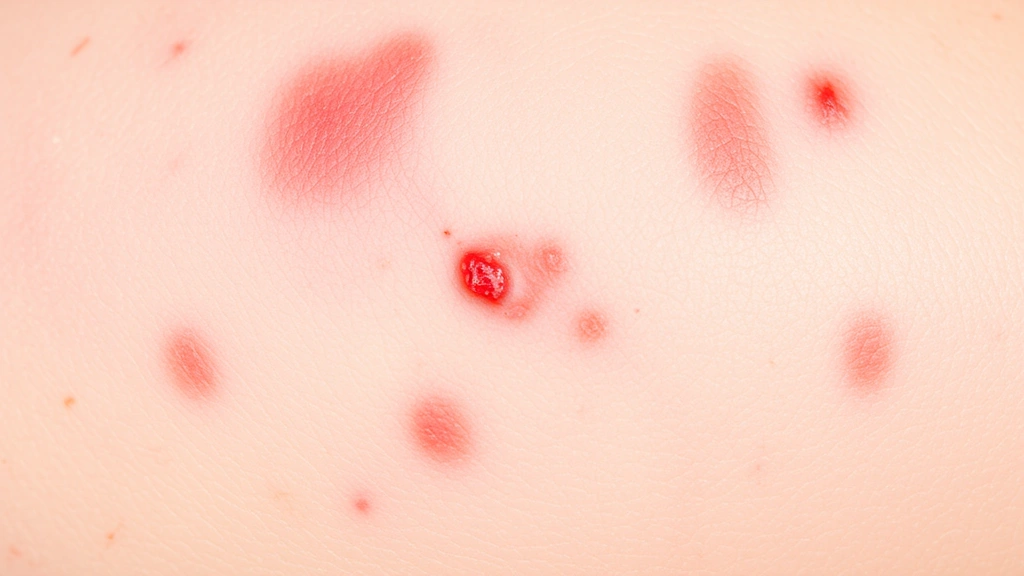
- Hair loss and skin changes – The coat becomes thin and brittle, and you might notice bald patches, especially on the back and sides
- Pot-bellied appearance – The abdomen becomes distended and saggy due to weakened abdominal muscles and fat redistribution
- Lethargy and weakness – Your once-energetic companion becomes a couch potato, struggling with stairs and showing less interest in activities
- Panting and heat intolerance – Excessive panting occurs even when your dog isn’t exercising or overheating
During this moderate phase, many owners finally schedule a vet visit because these symptoms are impossible to ignore. Your veterinarian might recommend diagnostic testing, including the low-dose dexamethasone suppression test or ACTH stimulation test to confirm Cushing’s disease diagnosis. This is when treatment options become the conversation—whether that’s medication, dietary adjustments like specialized low-fat dog food formulations, or supplements like milk thistle for dogs to support liver function.
Stage Three: Advanced Cushing’s Disease (Severe Clinical Phase)
Stage three is the most challenging phase of canine Cushing’s disease, where symptoms become severe and significantly impact your dog’s quality of life. By this point, the excessive cortisol has been wreaking havoc on your pup’s body for an extended period, causing serious complications.
In advanced Cushing’s disease, you’ll see:

- Severe muscle wasting and weakness – Your dog struggles to walk, climb stairs, or stand up from lying down. Hind legs might seem particularly weak
- Extreme skin and coat deterioration – Widespread hair loss, infections, and wounds that heal poorly become common problems
- Behavioral changes – Your dog might become anxious, confused, or show signs of cognitive dysfunction, especially in senior dogs
- Serious secondary infections – Urinary tract infections, skin infections, and other bacterial issues become frequent visitors
- Complications affecting other organs – Diabetes mellitus often develops alongside advanced Cushing’s, and kidney or liver issues may emerge
- Hypertension – High blood pressure becomes common and can lead to additional health complications
- Thromboembolism risk – Blood clots become a serious concern in advanced cases
At this stage, managing Cushing’s disease becomes more complex. Medications like mitotane (Lysodren) or trilostane (Vetoryl) are typically necessary, and your vet might recommend additional medications to manage pain or muscle weakness. Supportive care becomes crucial—frequent vet visits, careful monitoring, and sometimes emergency interventions are needed.
Diagnostic Testing Across All Cushing’s Stages
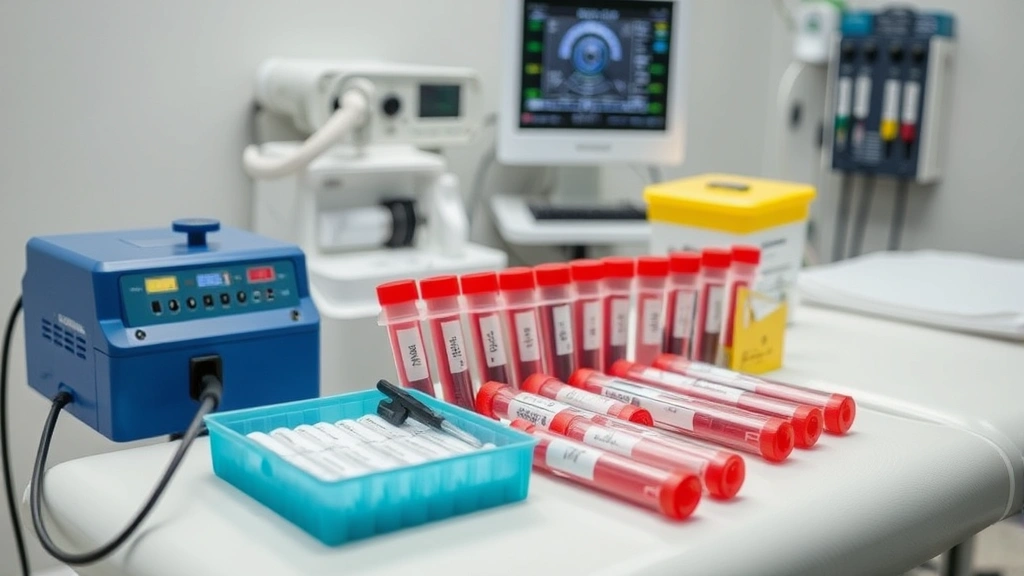
Getting an accurate diagnosis is essential for understanding which stage your dog is in. Vets use several diagnostic tools to confirm Cushing’s disease and monitor progression. The low-dose dexamethasone suppression test (LDDS) is considered the gold standard because it’s highly sensitive and specific. The ACTH stimulation test is another common option that measures cortisol response to synthetic ACTH hormone injection.
Your vet might also recommend baseline bloodwork and urinalysis to assess kidney function, liver health, and glucose levels—all important because Cushing’s disease affects multiple body systems. Ultrasound or CT imaging might be suggested to visualize the pituitary or adrenal glands, especially if surgery is being considered.
Treatment Options for Each Cushing’s Stage
Treatment approaches vary depending on which stage your dog is in and the underlying cause. For early-stage disease, your vet might recommend monitoring with periodic testing rather than immediate medication. For moderate to advanced stages, medication becomes standard.
Trilostane (Vetoryl) is often the first-line medication choice because it’s generally well-tolerated and works by inhibiting cortisol production. Mitotane (Lysodren) is more potent but requires careful monitoring. Ketoconazole is another option, though it’s less commonly used now.
In cases where a pituitary tumor is identified and the dog is a good surgical candidate, hypophysectomy (pituitary surgery) might be considered, though it’s specialized and not available everywhere. For adrenal tumors, surgical removal might be possible if caught early enough.
Nutritional Management and Lifestyle Adjustments
Beyond medication, managing your dog’s diet and lifestyle is crucial throughout all stages. A high-quality, protein-rich diet supports muscle maintenance and immune function. Some dogs benefit from reduced sodium intake to help manage hypertension. Consistent, gentle exercise appropriate to your dog’s abilities helps maintain muscle mass and mental stimulation.
Supplements supporting liver and kidney function become increasingly important as the disease progresses. Regular monitoring of water intake, appetite, and bathroom habits helps you and your vet track disease progression and medication effectiveness.
Prognosis and Long-Term Outlook
Here’s the good news: dogs diagnosed with Cushing’s disease, especially in earlier stages, can live comfortably for several more years with proper management. The prognosis depends on several factors: age at diagnosis, underlying cause, presence of complications, and how well the dog responds to treatment.

Dogs diagnosed in stage one or early stage two often have the best outcomes, with many living 2-4+ years after diagnosis with good quality of life. Even stage three dogs can be managed, though the focus shifts toward comfort care and maintaining dignity. Regular vet communication and willingness to adjust treatment plans as needed significantly impacts long-term success.
Common Complications and How to Prevent Them
As Cushing’s disease progresses, secondary complications become increasingly likely. Urinary tract infections are extremely common because excessive cortisol suppresses immune function. Skin infections thrive due to poor skin integrity and compromised immunity. Diabetes mellitus develops in approximately 10-20% of Cushing’s dogs, requiring separate management.
Prevention strategies include maintaining excellent hygiene (regular baths with medicated shampoo if needed), prompt treatment of any infections, regular bloodwork to catch diabetes early, and consistent medication compliance. Keeping your dog at a healthy weight despite increased appetite helps reduce stress on joints and organs.
Frequently Asked Questions
Can Cushing’s disease in dogs be cured?
Cushing’s disease cannot be completely cured in most cases, but it can be effectively managed with medication and lifestyle adjustments. Surgical removal of a pituitary tumor might provide long-term remission, but this is only possible in select cases. The goal is controlling symptoms and maintaining quality of life rather than achieving a cure.
How long can a dog live with Cushing’s disease?
Dogs diagnosed with Cushing’s disease can live 2-4 years or longer after diagnosis, depending on the stage at diagnosis, underlying cause, and how well they respond to treatment. Some dogs live even longer with excellent management. Early diagnosis and consistent treatment significantly improve longevity and quality of life.
Is Cushing’s disease painful for dogs?
Cushing’s disease itself isn’t directly painful, but the complications it causes can be uncomfortable. Muscle weakness and atrophy can cause discomfort, skin infections are often itchy and painful, and secondary conditions like arthritis or urinary tract infections cause pain. Managing these complications helps keep your dog comfortable.
What’s the difference between Cushing’s disease and Cushing’s syndrome?
Cushing’s disease specifically refers to hyperadrenocorticism caused by a pituitary tumor. Cushing’s syndrome is the broader umbrella term for excessive cortisol from any cause, including adrenal tumors, medications, or pituitary dysfunction. Your vet will use these terms to describe the specific underlying cause.
How often should my dog be monitored if diagnosed with Cushing’s?
Initially, dogs require bloodwork and ACTH stimulation tests every 2-4 weeks to find the right medication dosage. Once stabilized, monitoring typically occurs every 6-12 months. Dogs showing signs of complications or medication changes need more frequent assessment. Your vet will recommend the appropriate schedule based on your individual dog’s situation.
Conclusion: Managing Your Dog’s Cushing’s Journey
Understanding what are the three stages of Cushing’s disease in dogs empowers you to recognize symptoms early and work with your vet to provide the best possible care. Stage one catches the disease before major symptoms appear, stage two brings noticeable changes requiring intervention, and stage three demands comprehensive management to maintain comfort and quality of life.
The key to success is staying vigilant about changes in your dog’s behavior and health, maintaining regular vet communication, following medication protocols consistently, and being willing to adjust treatment plans as needed. While Cushing’s disease is challenging, thousands of dogs live happy, comfortable lives after diagnosis. Your awareness and proactive approach make all the difference in your pup’s long-term wellbeing.





