
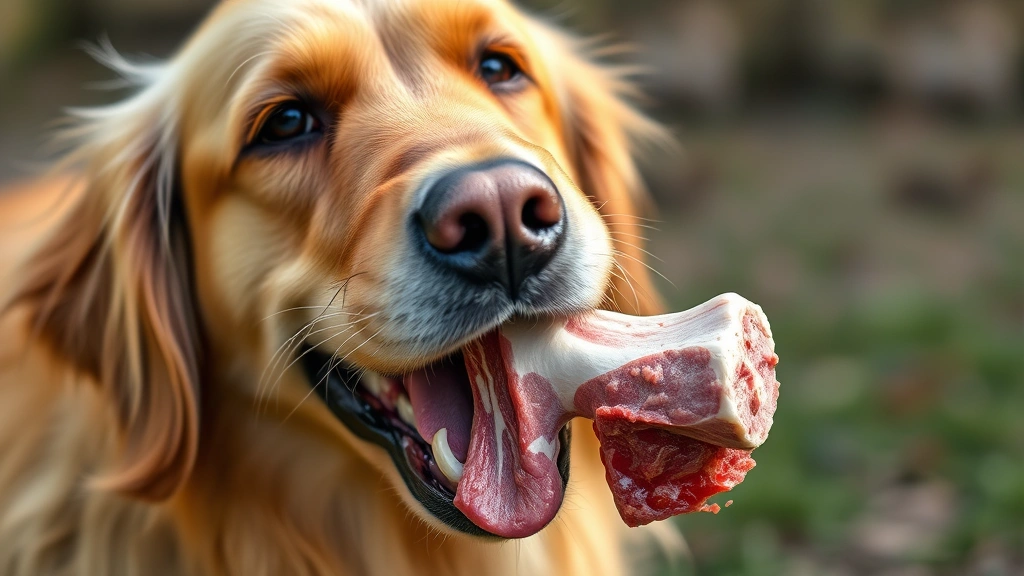
So you’re wondering what bones are good for dogs? Great question! Your pup’s eyes light up at the mere mention of a bone, and honestly, who can blame them? Bones are nature’s chew toy, packed with nutrients and mental stimulation. But here’s the thing: not all bones are created equal, and some can actually land your furry friend in hot water (or worse, the emergency vet clinic).
Table of Contents
- Why Dogs Love Bones (And Why You Should Care)
- Raw Meaty Bones: The Gold Standard for Safe Dog Bones
- Knuckle Bones: Chewing Powerhouses
- Chicken Bones (Raw Only!): The Controversy Explained
- Lamb Bones: The Gentle Giant Option
- Recreational Bones: The Chew-Only Category
- Bones to Avoid at All Costs
- Nutritional Benefits of Bones for Canine Health
- Safety Tips: How to Give Your Dog Bones Responsibly
- Alternatives to Traditional Bones
- Frequently Asked Questions
- The Bottom Line on Dog Bones
Let me break down the bone situation for you—because yes, there’s definitely a right way and a wrong way to bone up on dog nutrition.
Why Dogs Love Bones (And Why You Should Care)
Dogs have been gnawing on bones since their wolf ancestors roamed the plains. It’s hardwired into their DNA. When your dog chews on a bone, they’re not just having fun—they’re exercising their jaw muscles, cleaning their teeth naturally, and releasing endorphins. It’s basically a doggy spa day wrapped in calcium and phosphorus.
But here’s the catch: modern dogs aren’t wolves, and modern bones aren’t always what nature intended. The bones we give our pets today come from farmed animals, processed in ways that can make them dangerous. That’s why knowing what safe chewing options exist for dogs is crucial.
Raw Meaty Bones: The Gold Standard for Safe Dog Bones
Raw meaty bones are the MVP of the bone world. These are bones with actual meat still attached—think raw chicken necks, beef knuckles, or lamb bones. The key word here is “raw.” When bones are raw, they’re softer and more pliable, which means they’re less likely to splinter and cause intestinal blockages.
Raw meaty bones also come with their own built-in safety features. The meat and connective tissue help slow down how fast your dog can consume them, and they provide essential nutrients like collagen and glucosamine. Your dog’s joints will thank you.
Just make sure you’re sourcing these from reputable suppliers who follow food safety protocols. Your vet can recommend trusted sources in your area.
Knuckle Bones: Chewing Powerhouses
Beef knuckle bones are like the CrossFit of the dog bone world—they’re tough, they last forever, and they’re incredibly satisfying. These large, dense bones are perfect for aggressive chewers because they’re virtually impossible to break into dangerous pieces.
The marrow inside is packed with nutrients, and the sheer density means your dog will spend hours working on one bone. This is especially great for dogs that suffer from separation anxiety or need mental enrichment. A knuckle bone can keep your pup occupied while you’re working from home or running errands.
Pro tip: You can freeze knuckle bones to make them last even longer and provide a soothing effect on sore gums.
Chicken Bones (Raw Only!): The Controversy Explained
This is where things get spicy. Cooked chicken bones? Absolutely not. They splinter like crazy and can puncture your dog’s digestive tract. But raw chicken bones? Totally different story.
Raw chicken bones, especially from chicken necks and wings, are soft enough to digest and rarely cause problems when given whole. Many raw-feeding advocates swear by them. The key is that they’re raw and given whole (not ground up), which allows your dog’s stomach acid to work its magic.
That said, always supervise your dog with any bone, and introduce them gradually to raw feeding if your pup isn’t used to it. Some dogs have sensitive digestive systems that need time to adjust.
Lamb Bones: The Gentle Giant Option
Lamb bones are often overlooked, but they’re fantastic for dogs with sensitive stomachs or those on special diets. Raw lamb bones are softer than beef but still substantial enough to provide a good chewing experience.
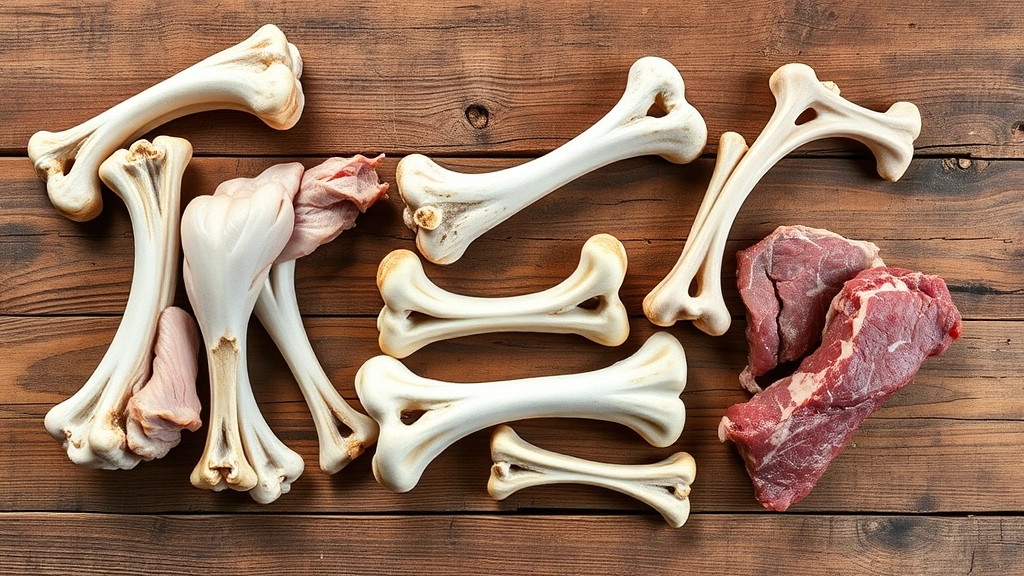
Lamb is also a novel protein for many dogs, making it an excellent choice if your pup has chicken or beef sensitivities. Plus, lamb bones come with a lower risk of bacterial contamination compared to poultry, which is a nice bonus.
If your dog is on a low-protein diet for health reasons, check with your vet before introducing lamb bones, as they can be protein-dense.
Recreational Bones: The Chew-Only Category
Recreational bones are meant for chewing, not eating. These include large beef femur bones and marrow bones that are too hard to consume but perfect for gnawing. They’re like the difference between a lollipop and a jawbreaker—one is meant to be consumed, the other is just for entertainment.
These bones can be raw or cooked (though raw is still safer), and they’re ideal for dogs that need an outlet for their chewing instincts. Just remember to remove them after 15-20 minutes if your dog isn’t actively chewing, and always supervise.
Bones to Avoid at All Costs
Let’s talk about the bones that belong in the trash, not in your dog’s bowl. Cooked bones of any kind are off-limits. The cooking process makes them brittle and prone to splintering. This includes chicken bones, pork bones, rib bones, and steak bones.
Avoid small bones that can be swallowed whole, like fish bones or poultry bones that have been cooked. Avoid bones from processed meats like hot dogs or deli meat—they’re often treated with preservatives that aren’t great for dogs. And definitely skip any bones that have been smoked or treated with chemicals.
If you’re unsure about a bone, the rule is simple: when in doubt, throw it out.
Nutritional Benefits of Bones for Canine Health
Bones aren’t just tasty treats; they’re nutritional powerhouses. Raw bones provide bioavailable calcium and phosphorus, which are essential for bone health, muscle function, and nerve transmission. They also contain collagen and glucosamine, which support joint health and can be especially beneficial for senior dogs or breeds prone to hip dysplasia.
The marrow inside bones is rich in fat-soluble vitamins and minerals. Chewing on bones also stimulates saliva production, which has natural antibacterial properties that help keep your dog’s teeth clean and breath fresher.
When evaluating your dog’s overall nutrition, bones can be a great supplement to quality dog food. Speaking of which, if you’re looking to optimize your dog’s diet, check out our reviews on Merrick dog food, Natural Balance dog food, and NutriSource dog food to find options that complement bone treats.
Safety Tips: How to Give Your Dog Bones Responsibly
Supervision is non-negotiable. Always watch your dog while they’re enjoying a bone. If they’re a gulper or aggressive chewer, you might need to limit bone time or choose softer options.
Start slow, especially if your dog isn’t used to raw bones. Their digestive system needs time to adjust to processing raw food. Introduce bones gradually and monitor their stool consistency.
Never give bones to dogs with certain health conditions. If your pup has pancreatitis, certain GI issues, or is recovering from surgery, bones might not be appropriate. Always check with your vet first.
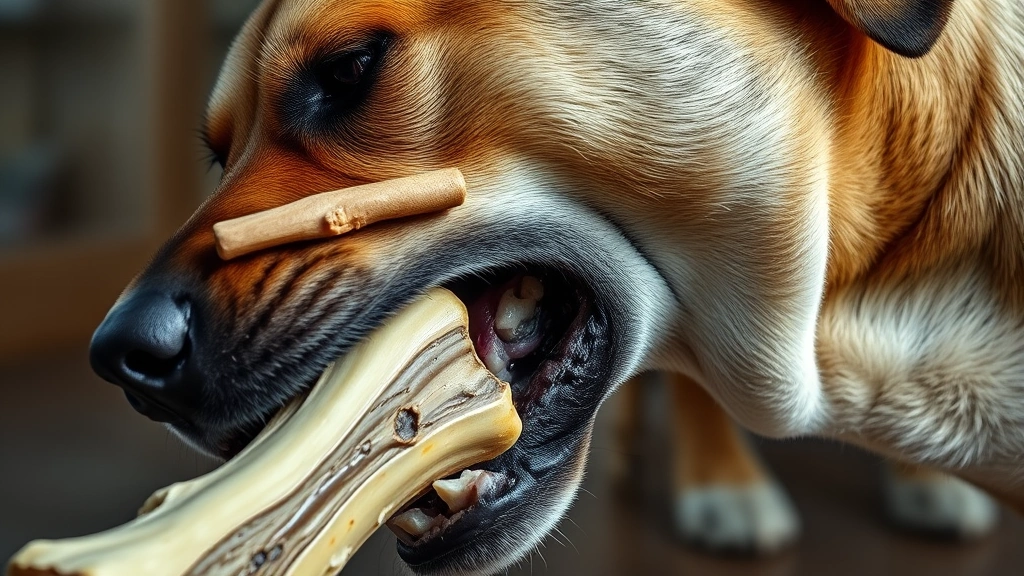
Remove bones after 15-20 minutes if they’re not being actively chewed. This prevents your dog from trying to swallow large chunks or burying them in places where they could become a choking hazard later.
Store raw bones properly in the freezer, and follow food safety guidelines just like you would for human food. Thaw them in the refrigerator, not on the counter.
Alternatives to Traditional Bones
If bones aren’t working for your dog, there are other options. Yak chews, bully sticks, and dental chews can provide similar benefits. Kong toys stuffed with peanut butter offer mental stimulation without the bone-related risks. Some vets recommend antler chews as a safer alternative, though these can still be hard on teeth.
The best alternative depends on your individual dog’s needs, age, and health status. Your vet can help you find the perfect match.
Frequently Asked Questions
Can puppies have bones?
Raw meaty bones can be introduced to puppies around 8-12 weeks old, but they should be soft and appropriate for their size. Always supervise and choose bones that can’t be swallowed whole. Cooked bones are never appropriate for puppies.
How often should I give my dog bones?
Most vets recommend offering bones 2-3 times per week as part of a balanced diet. Daily bone chewing can lead to excessive mineral intake. Listen to your vet’s specific recommendations based on your dog’s age, size, and health status.
What should I do if my dog swallows a bone fragment?
Monitor your dog for signs of distress like vomiting, loss of appetite, or abdominal pain. If these symptoms appear, contact your vet immediately. Don’t induce vomiting without professional guidance.
Are frozen bones safe for dogs?
Frozen bones are generally safe and can actually be beneficial as they last longer and soothe sore gums. Just thaw them partially before giving them to your dog to prevent tooth damage from chewing on something too hard.
Can senior dogs have bones?
Yes, senior dogs can benefit from softer raw bones, especially for the joint-supporting glucosamine and collagen. However, adjust the size and density based on your senior’s dental health and chewing ability. Always consult your vet first.
The Bottom Line on Dog Bones
So, what bones are good for dogs? Raw meaty bones, knuckle bones, raw chicken bones (whole), and lamb bones top the list of vet-approved options. The key is choosing raw over cooked, supervising your pup, and knowing your individual dog’s needs and limitations.
Bones can be an excellent addition to your dog’s diet and enrichment routine when given responsibly. They provide nutritional benefits, mental stimulation, and satisfy your dog’s natural chewing instincts. Just remember: when in doubt, ask your vet. They know your dog’s health history and can give personalized recommendations.
Your dog will love you for the bone treats, and you’ll love knowing you’re making a choice that’s both safe and beneficial. Now go forth and let your pup enjoy some quality gnawing time!





