
If you’ve ever wondered what breed of dog has webbed feet, you’re about to discover some of nature’s most impressive aquatic canines. These dogs aren’t just good swimmers—they’re basically the Michael Phelps of the dog world, equipped with special paddle-like feet that make them absolute water-loving machines. Whether you’re looking for a water rescue companion or just want a dog that won’t panic at the beach, webbed-footed breeds are your answer.
Table of Contents
- Understanding Canine Webbed Feet: Nature’s Swimming Flippers
- Labrador Retrievers: The Classic Water Lovers
- Portuguese Water Dogs: The Elite Swimmers
- Newfoundlands: The Gentle Water Giants
- Chesapeake Bay Retrievers: The Tough Water Dogs
- Spanish Water Dogs: The Versatile Swimmers
- Irish Water Spaniels: The Clown Swimmers
- Weimaraners: The Elegant Athletes
- Brittany Spaniels: The Energetic Swimmers
- Other Webbed-Footed Breeds Worth Knowing About
- How to Care for Your Webbed-Footed Swimmer
- Frequently Asked Questions
- Conclusion: Finding Your Perfect Webbed-Footed Companion
Understanding Canine Webbed Feet: Nature’s Swimming Flippers
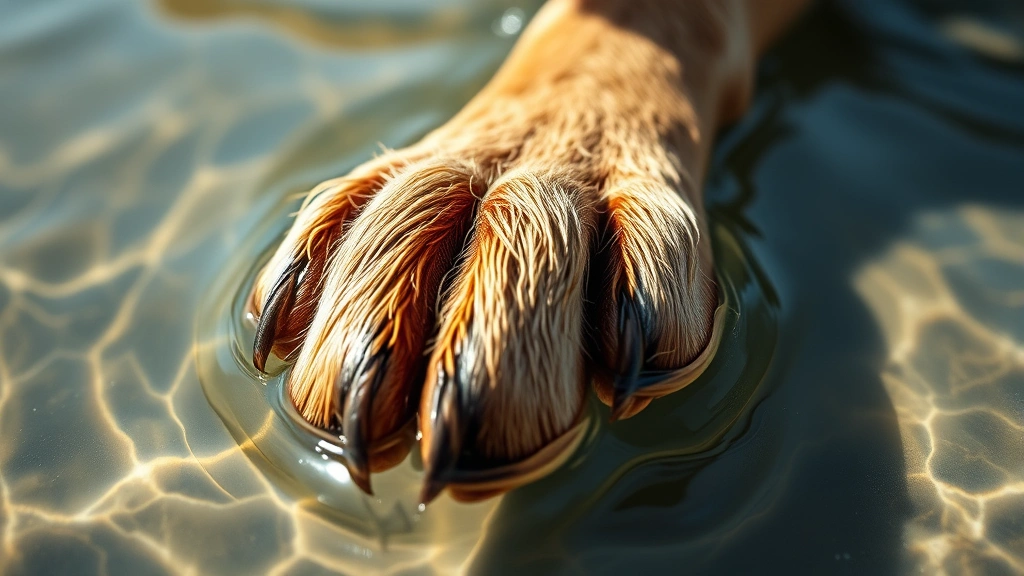
Webbed feet in dogs aren’t some weird genetic mutation—they’re actually a brilliant evolutionary adaptation. The webbing between their toes acts like a natural flipper, increasing surface area and propulsion through water. Think of it like comparing a regular paddle to a bigger paddle; more surface area means more power with each stroke. Dogs with webbed feet have a membrane of skin stretching between their toes, and this feature is particularly prominent in breeds originally developed for water-based work like hunting waterfowl or performing water rescues.
Labrador Retrievers: The Classic Water Lovers
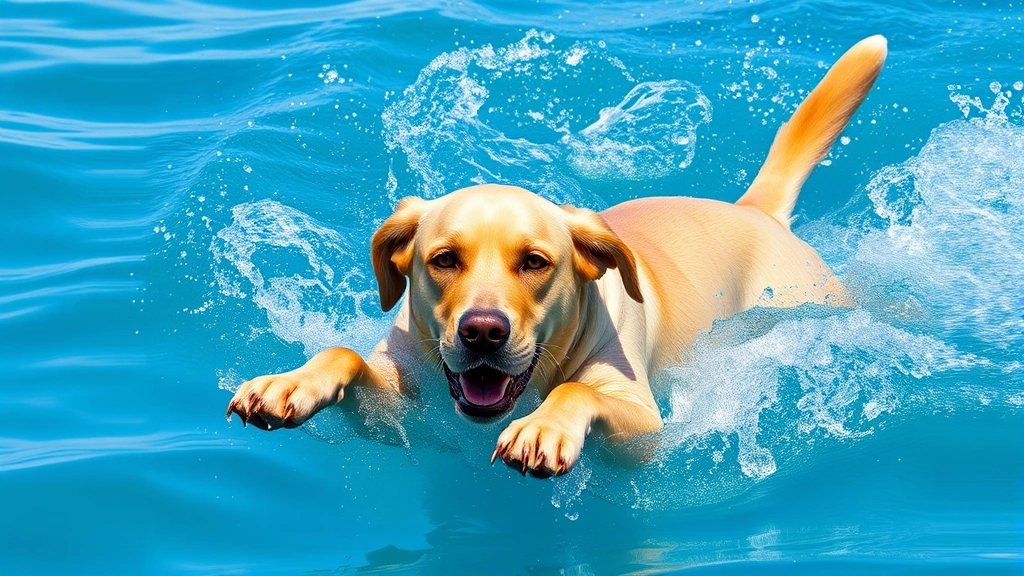
Let’s start with the most famous webbed-footed breed—the Labrador Retriever. Labs have moderate webbing between their toes and were originally bred by fishermen in Newfoundland to help retrieve nets and catch fish that escaped from fishing lines. Their love for water is legendary, and honestly, trying to keep a Lab out of a pool is like trying to keep a kid away from candy. These friendly giants are perfect family dogs, though you might want to check out low maintenance dogs if you’re not prepared for their shedding habits.
Portuguese Water Dogs: The Elite Swimmers
Portuguese Water Dogs are basically the Navy SEALs of the canine world. These medium-sized, athletic dogs have substantial webbing between their toes and were originally used by Portuguese fishermen to herd fish into nets and retrieve lost tackle. They’re incredibly intelligent, energetic, and absolutely obsessed with water. If you want a dog that will actually enjoy your swimming pool year-round, this breed is your match made in heaven. Fair warning though—they need serious exercise, so they’re not among the low energy dog breeds.
Newfoundlands: The Gentle Water Giants
Newfoundlands are massive, gentle giants with webbed feet and a water-resistant double coat. These incredible dogs were bred as water rescue dogs and have saved countless lives throughout history. They have a natural instinct to rescue people in water and can hold their breath for extended periods. Their webbing is particularly pronounced, and their strength combined with their swimming ability makes them perfect for water rescue work. A Newfoundland in your life means you’ll never worry about anyone drowning near your property—though their size might mean worrying about your furniture instead.
Chesapeake Bay Retrievers: The Tough Water Dogs
Chesapeake Bay Retrievers, or Chessies, are tough-as-nails water dogs with webbed feet and an oily, water-resistant coat. These dogs were developed specifically for retrieving waterfowl in the cold, rough waters of Chesapeake Bay. They have a reputation for being more independent and stubborn than their Labrador cousins, but their dedication to their families is unmatched. Their webbing helps them navigate through marsh grass and swim powerfully through challenging water conditions.
Spanish Water Dogs: The Versatile Swimmers
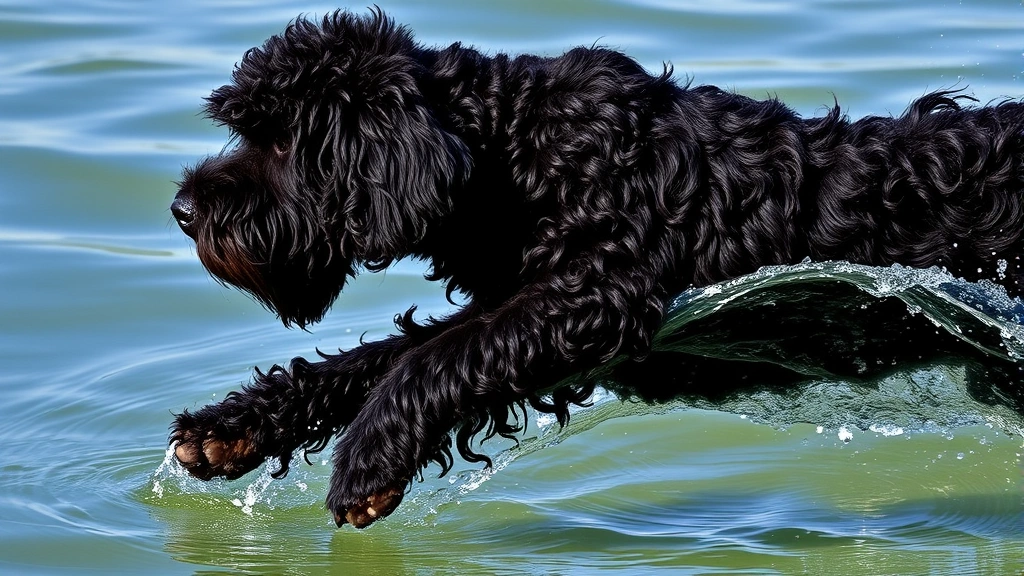
Spanish Water Dogs are medium-sized, curly-coated dogs with webbed feet that were originally used for herding fish and retrieving waterfowl. These intelligent, energetic pups are still relatively rare in the United States but are gaining popularity among active families. They’re incredibly loyal and love having a job to do—whether that’s swimming, herding, or just being your constant shadow. Their webbed feet combined with their athletic build makes them exceptional swimmers.
Irish Water Spaniels: The Clown Swimmers
Irish Water Spaniels are often called the clowns of the spaniel world, and they’re absolutely hilarious water-loving goofballs. These medium-sized dogs have webbed feet and a distinctive curly, water-resistant coat. They were developed in Ireland for retrieving waterfowl and have maintained that enthusiastic, playful approach to water. These dogs will literally swim in any body of water they can find—puddles, lakes, rivers, you name it. Their personality combined with their swimming prowess makes them fantastic companions for active families.
Weimaraners: The Elegant Athletes
Weimaraners, those sleek gray beauties, have webbed feet and are exceptional swimmers despite not being traditionally considered water dogs. These athletic hunters were developed in Germany for hunting game, and their versatility extends to water work. Their webbing isn’t as pronounced as some other breeds, but it’s definitely there, and their athletic nature makes them powerful swimmers. Just be prepared for their intense energy levels and need for constant companionship—these dogs are basically velcro with four legs.
Brittany Spaniels: The Energetic Swimmers
Brittany Spaniels have webbed feet and are fantastic swimmers despite their smaller size compared to other water dog breeds. These sweet, energetic dogs were developed in France for bird hunting and retrieving. They’re incredibly smart, eager to please, and absolutely love water. Their webbing helps them navigate through water with ease, and their hunting instincts make them natural swimmers. If you’re looking for a smaller breed with webbed feet, Brittanys are an excellent choice. They’re also much more manageable than some of the lazy dog breeds if you actually want a companion that enjoys activity.
Other Webbed-Footed Breeds Worth Knowing About
Beyond the main swimmers, several other breeds have webbed feet to varying degrees. Poodles (yes, really!) have webbing between their toes and are excellent swimmers. German Shorthaired Pointers, English Springer Spaniels, and Vizslas all have some degree of webbing. Even some unexpected breeds like Dachshunds have slight webbing—though watching a wiener dog attempt water rescue is more entertaining than practical. The presence of webbed feet doesn’t always mean a dog will love water, but it certainly helps their swimming ability when they do.
How to Care for Your Webbed-Footed Swimmer
If you own a dog with webbed feet, there are some special care considerations. After swimming, make sure to dry the webbing thoroughly to prevent infections and fungal growth. The area between webbed toes can trap moisture and bacteria, so regular checks are important. You’ll also want to trim their nails regularly since webbed-footed dogs tend to have longer nails that can cause discomfort. Most importantly, provide plenty of opportunities for swimming—these dogs have been bred for generations to love water, and denying them that outlet is like asking a bird not to fly.
Frequently Asked Questions
Do all webbed-footed dogs love water?
While most dogs with webbed feet have a natural affinity for water, not every individual dog will be obsessed with swimming. Some might prefer to wade rather than dive deep, and that’s perfectly fine. However, the genetic predisposition is definitely there, and most webbed-footed breeds will at least enjoy water activities more than non-webbed breeds.
Can I breed two webbed-footed dogs together?
Absolutely! Breeding two webbed-footed dogs together will likely produce puppies with webbed feet as well. However, if breeding is something you’re considering, make sure you’re working with responsible breeding practices and health testing to ensure you’re not passing on genetic health issues.
Are webbed feet more prone to problems?
Webbed feet can be prone to infections and fungal issues if not properly maintained, particularly in warm, humid climates. Regular drying and inspection are essential. However, with proper care, webbed feet shouldn’t cause any major problems for your dog.
Which webbed-footed breed is best for families?
Labrador Retrievers are generally considered the best webbed-footed breed for families due to their friendly temperament, intelligence, and trainability. Portuguese Water Dogs and Newfoundlands are also excellent family choices, though they require more exercise and space respectively.
Can I teach a non-webbed dog to be a good swimmer?
Absolutely! While webbed feet provide an advantage, any dog can learn to swim with proper training and exposure. Start slowly, use positive reinforcement, and never force a dog into water. Some dogs will naturally take to it, while others will need more encouragement.
Do webbed feet affect a dog’s walking on land?
Not significantly. While webbed-footed dogs might walk slightly differently than non-webbed breeds, the webbing doesn’t impair their movement on land. These dogs are just as comfortable walking, running, and playing on dry ground as any other breed.
Conclusion: Finding Your Perfect Webbed-Footed Companion
So, what breed of dog has webbed feet? We’ve covered 12 amazing swimmers, from the massive and gentle Newfoundland to the energetic and playful Irish Water Spaniel. Each breed brings its own unique personality and swimming prowess to the table. Whether you’re looking for a water rescue companion, a hunting partner, or just a dog that will actually enjoy your backyard pool, webbed-footed breeds offer something special. These dogs have been carefully developed over generations to excel in water, and that heritage shines through in their natural abilities and enthusiasm. If you’re ready to welcome a water-loving companion into your life, any of these breeds could be your perfect match. Just remember to provide plenty of swimming opportunities, proper foot care, and the exercise these athletic dogs need to thrive. Your future aquatic adventures await!





