

If you’re a dog owner, you’ve undoubtedly experienced the unmistakable sound and smell of your furry friend passing gas. While it might be amusing or embarrassing depending on the situation, dog flatulence is a completely normal bodily function. However, excessive or particularly odorous gas can sometimes indicate underlying health issues or dietary problems that need attention.
Understanding why dogs fart and learning how to manage it effectively can improve your pet’s comfort and your household’s air quality. From dietary factors to digestive health, there are numerous reasons why your canine companion might be producing more gas than usual, and fortunately, there are several strategies you can implement to help reduce the frequency and intensity of their flatulence.
Why Do Dogs Fart: The Science Behind Canine Gas
Dog flatulence occurs through the same biological process as human gas production. When dogs digest food, bacteria in their intestines break down undigested carbohydrates, proteins, and fats, producing gases as byproducts. These gases, primarily composed of nitrogen, oxygen, carbon dioxide, hydrogen, and sometimes methane, need to escape the body somehow.
The digestive system of dogs is designed to process meat primarily, but modern dog foods often contain various grains, vegetables, and additives that can be more challenging to digest. When food particles reach the large intestine without being fully broken down in the stomach and small intestine, intestinal bacteria ferment these remnants, creating gas in the process.
Unlike humans, dogs have a shorter digestive tract, which means food moves through their system more quickly. This rapid transit can sometimes result in incomplete digestion, leading to increased gas production. Additionally, dogs tend to eat faster than humans, often gulping their food and swallowing air in the process, which contributes to the overall gas volume in their digestive system.

Common Causes of Excessive Gas in Dogs
Several factors can contribute to increased flatulence in dogs, ranging from simple dietary choices to more complex health issues. Understanding these causes can help you identify potential triggers and take appropriate action to reduce your dog’s gas production.
Age plays a significant role in digestive efficiency. Senior dogs often experience decreased digestive enzyme production, making it harder for them to break down food completely. This incomplete digestion leads to more undigested material reaching the large intestine, where bacteria produce gas during fermentation.
Breed-specific characteristics also influence gas production. Brachycephalic breeds (dogs with flat faces) like Bulldogs, Pugs, and Boston Terriers are more prone to swallowing air while eating due to their unique facial structure. This excess air intake, combined with their tendency to breathe through their mouths, can result in increased flatulence.
Eating habits significantly impact gas production. Dogs that eat too quickly, compete with other pets for food, or consume their meals in stressful environments are more likely to swallow air along with their food. This aerophagia directly contributes to gas buildup in the digestive system.
Just as can dogs get hiccups from eating too fast, rapid consumption can also lead to digestive issues including excessive gas production.
Dietary Factors That Contribute to Dog Flatulence
Diet is arguably the most significant factor influencing your dog’s gas production. Certain ingredients and feeding practices can dramatically increase or decrease flatulence frequency and intensity.
High-fiber foods, while beneficial for digestive health, can initially cause increased gas production as the digestive system adjusts. Vegetables like broccoli, cabbage, and Brussels sprouts contain complex carbohydrates that are difficult to digest, leading to fermentation and gas production in the large intestine.
Dairy products pose another challenge for many dogs. Most adult dogs are lactose intolerant, lacking sufficient lactase enzyme to properly digest milk sugars. When lactose reaches the large intestine undigested, it ferments rapidly, producing significant amounts of gas and potentially causing diarrhea.
Low-quality commercial dog foods often contain fillers, by-products, and artificial additives that can be difficult to digest. These ingredients may include corn, soy, wheat, and various chemical preservatives that can irritate the digestive system and promote gas production.
Sudden dietary changes can disrupt the delicate balance of intestinal bacteria, leading to temporary increases in gas production. The digestive system needs time to adjust to new foods and develop the appropriate bacterial populations to handle different ingredients effectively.
Understanding why do dogs get hiccups can provide insight into how eating behaviors affect various digestive functions, including gas production.
Health Conditions Associated with Gas
While occasional flatulence is normal, persistent or severe gas accompanied by other symptoms may indicate underlying health conditions that require veterinary attention.
Inflammatory bowel disease (IBD) can cause chronic digestive issues, including excessive gas production. This condition involves inflammation of the intestinal lining, which impairs proper digestion and absorption of nutrients, leading to increased fermentation and gas production.
Small intestinal bacterial overgrowth (SIBO) occurs when bacteria that normally reside in the large intestine migrate to the small intestine. This bacterial imbalance can cause maldigestion, malabsorption, and excessive gas production throughout the digestive tract.
Pancreatic insufficiency, where the pancreas doesn’t produce enough digestive enzymes, can lead to incomplete food breakdown and subsequent gas production. Dogs with this condition often exhibit other symptoms like weight loss, loose stools, and increased appetite.
Food allergies and intolerances can cause digestive inflammation and altered gut bacteria composition, both of which contribute to increased gas production. Common allergens include beef, chicken, dairy, wheat, and soy.
Gastrointestinal parasites can disrupt normal digestive processes and cause various symptoms including excessive gas. Regular parasite prevention and fecal examinations are essential for maintaining digestive health.
Dogs experiencing digestive issues may also show other symptoms, and knowing what to feed dog with diarrhea can be helpful when managing overall digestive health.
Prevention Strategies and Natural Remedies
Reducing your dog’s flatulence often involves making strategic changes to their diet, feeding routine, and overall lifestyle. These modifications can significantly improve digestive health and reduce gas production.
Implementing a slow-feeding approach is one of the most effective strategies. Use puzzle feeders, slow-feed bowls, or simply divide meals into smaller, more frequent portions throughout the day. This prevents rapid eating and reduces the amount of air swallowed during meals.
Gradual dietary transitions are crucial when changing your dog’s food. Introduce new foods slowly over 7-10 days, gradually increasing the proportion of new food while decreasing the old food. This allows the digestive system to adapt without causing excessive gas or digestive upset.
High-quality, easily digestible proteins should form the foundation of your dog’s diet. Look for foods with named meat sources as the first ingredient and avoid products with excessive fillers or artificial additives that can be difficult to digest.
Probiotics can help maintain healthy gut bacteria balance, improving overall digestive function and reducing gas production. These beneficial bacteria aid in food breakdown and can help prevent the overgrowth of gas-producing bacteria.
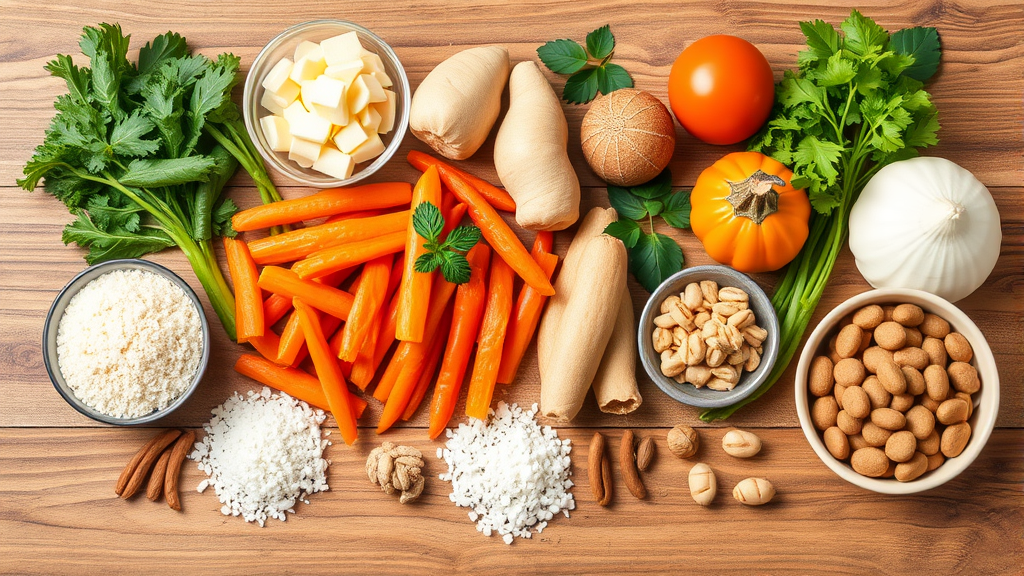
Natural remedies like pumpkin (plain, not spiced), which is high in fiber and aids digestion, can help regulate digestive function. Small amounts of plain yogurt with active cultures can also provide beneficial bacteria, though this should be given sparingly due to potential lactose intolerance.
Regular exercise promotes healthy digestion by stimulating intestinal movement and helping gas pass through the system more efficiently. A post-meal walk can be particularly beneficial for reducing gas buildup.
Just as understanding do dogs sweat helps us understand their thermoregulation, knowing how their digestive system works helps us support their overall health.
When to Be Concerned About Your Dog’s Gas
While flatulence is normal, certain signs and symptoms warrant veterinary consultation. Recognizing these red flags can help ensure your dog receives appropriate medical attention when needed.
Sudden changes in gas frequency, odor, or accompanying symptoms should be evaluated by a veterinarian. If your typically low-gas dog suddenly becomes very gassy, or if the odor becomes unusually offensive, this may indicate digestive issues or dietary intolerances.
Gas accompanied by other digestive symptoms like vomiting, diarrhea, loss of appetite, or abdominal pain requires prompt veterinary attention. These combinations of symptoms often indicate more serious digestive conditions that need professional diagnosis and treatment.
Bloody or mucous-filled stools along with excessive gas can indicate inflammatory conditions or infections that require immediate veterinary care. Understanding why is my dog pooping blood can help you recognize when digestive symptoms require urgent attention.
Weight loss despite normal appetite, combined with excessive gas, may indicate maldigestion or malabsorption disorders that prevent proper nutrient utilization. These conditions require veterinary diagnosis and specialized treatment.
Chronic constipation or difficulty defecating alongside increased gas production may indicate intestinal blockages or other serious conditions. Knowing how to help a constipated dog is important, but persistent issues require professional evaluation.
Age-related changes in gas production are normal, but dramatic increases in senior dogs should be evaluated to rule out underlying health conditions that become more common with age.
According to the American Veterinary Medical Association, digestive issues in dogs can range from minor to serious, making professional evaluation important when symptoms persist or worsen.
Frequently Asked Questions
How often should dogs normally pass gas?
Normal dogs typically pass gas several times per day, though the exact frequency varies based on diet, age, breed, and individual digestive health. Most dogs produce 1-3 audible farts daily, with additional silent gas passage. If your dog’s gas production suddenly increases significantly or becomes extremely odorous, it may indicate dietary issues or health problems requiring attention.
Can certain dog breeds be more prone to flatulence?
Yes, certain breeds are naturally more prone to gas production. Brachycephalic breeds like Bulldogs, Pugs, and Boston Terriers tend to swallow more air while eating due to their flat facial structure. Large, deep-chested breeds may also experience more digestive issues. Additionally, breeds with sensitive stomachs or food allergies may be more susceptible to gas-producing digestive upset.
Is it safe to give my dog human gas relief medications?
No, you should never give your dog human gas relief medications without veterinary approval. Many human medications contain ingredients that are toxic to dogs, including simethicone and other compounds found in over-the-counter gas relief products. The FDA warns against giving pets human medications without veterinary guidance. Instead, consult your veterinarian about safe, dog-specific treatments for excessive gas.
What foods should I avoid feeding my dog to reduce gas?
Avoid feeding your dog beans, broccoli, cabbage, cauliflower, dairy products, fatty foods, spicy seasonings, and table scraps. High-fiber vegetables, while healthy in moderation, can initially increase gas production. Foods high in fat or artificial additives can be difficult to digest and promote gas formation. Stick to high-quality dog food with easily digestible proteins and gradually introduce any new foods.
How long does it take for dietary changes to reduce my dog’s gas?
Dietary changes typically take 1-2 weeks to show significant effects on gas production. Initial improvements may be noticed within 3-5 days, but full digestive adjustment usually requires 7-14 days. During this transition period, some dogs may experience temporary increases in gas as their digestive system adapts to new foods. Patience and gradual transitions are key to successful dietary modifications.
Can probiotics help reduce my dog’s flatulence?
Yes, probiotics can help reduce excessive gas by promoting healthy gut bacteria balance. These beneficial bacteria aid in proper digestion and can prevent the overgrowth of gas-producing harmful bacteria. According to research published by the National Institutes of Health, probiotics can improve digestive health in dogs. Choose dog-specific probiotic supplements or foods with live cultures, and introduce them gradually.
When should I take my dog to the vet for excessive gas?
Consult your veterinarian if your dog’s gas is accompanied by vomiting, diarrhea, loss of appetite, abdominal pain, or significant changes in behavior. Also seek veterinary care if gas production suddenly increases dramatically, becomes extremely foul-smelling, or if you notice blood in stool or other concerning symptoms. Understanding how to stop diarrhea in dogs can be helpful, but persistent digestive issues require professional evaluation. The Humane Society recommends seeking veterinary care when digestive symptoms persist or worsen.





