

When your furry best friend is hurting, figuring out what can be given to dogs for pain becomes your top priority—and honestly, it’s one of the most stressful parts of pet ownership. Whether your pup is dealing with arthritis, post-surgery discomfort, or just general aches, you’ve got solid options beyond just hoping the pain goes away on its own.
Table of Contents
- Understanding Dog Pain: Why It Matters
- NSAIDs: The Go-To Medication for Canine Pain
- Prescription Opioids: When Pain Is Serious
- Natural Pain Relief: Ginger and Beyond
- Joint Supplements: Building Better Cartilage
- Acupuncture and Physical Therapy
- Weight Management: The Underrated Pain Solution
- Heat and Cold Therapy: Simple But Effective
- Dietary Support for Pain Management
- Laser Therapy and Regenerative Medicine
- Creating a Pain-Free Environment
- Frequently Asked Questions
- The Bottom Line: Your Dog Deserves Comfort
The good news? You don’t have to feel helpless. Modern veterinary medicine offers plenty of ways to keep your dog comfortable, from medications to natural remedies to lifestyle changes that actually work. Let’s break down everything you need to know about pain relief for dogs.
Understanding Dog Pain: Why It Matters
Before we dive into solutions, let’s talk about why recognizing pain in dogs is crucial. Dogs can’t tell you “hey, my back hurts,” so they show it through behavior changes. Your pup might limp, become less active, struggle to climb stairs, or even show personality shifts like irritability or withdrawn behavior. These signs are your green light to explore pain management options.
The tricky part? Dogs are masters at hiding discomfort. They’re pack animals by nature, and showing weakness isn’t in their playbook. That’s why paying attention to subtle changes in how your dog moves or acts is essential.
NSAIDs: The Go-To Medication for Canine Pain
Nonsteroidal anti-inflammatory drugs (NSAIDs) are probably the most commonly prescribed pain relievers for dogs, and for good reason. These medications tackle both pain and inflammation, making them perfect for conditions like arthritis, joint problems, and post-operative discomfort.
Popular options include carprofen (Rimadyl), meloxicam (Metacam), and firocoxib (Previcox). Your vet will choose based on your dog’s specific situation and health history. NSAIDs work by reducing the production of prostaglandins, which cause inflammation and pain.
The important thing? NSAIDs aren’t something to grab without veterinary guidance. They can affect the liver and kidneys, especially in older dogs or those with existing health conditions. Your vet might recommend periodic blood work to monitor your pup’s organ function while they’re on these meds.
Prescription Opioids: When Pain Is Serious
For moderate to severe pain—think post-surgery recovery or advanced arthritis—your vet might prescribe opioids like tramadol or gabapentin. These are the heavy hitters of pain management and work differently than NSAIDs by actually changing how your dog’s nervous system processes pain signals.
Tramadol is popular because it’s relatively safe for dogs and comes in various doses. Gabapentin is another favorite, especially for nerve-related pain. Both require a prescription and close monitoring, but they can genuinely transform a suffering dog’s quality of life.
Side effects might include drowsiness or constipation, but these are usually manageable and worth it if your dog is finally comfortable.
Natural Pain Relief: Ginger and Beyond
If you’re looking for gentler options, natural remedies have gained serious traction in veterinary circles. Ginger is a fantastic natural anti-inflammatory that many vets recommend for arthritis and general joint pain. It works similarly to NSAIDs but with fewer side effects for long-term use.
You can add ginger to your dog’s food, offer ginger supplements designed for pets, or even make ginger-infused broths. Just keep portions small—about 1/4 teaspoon per 10 pounds of body weight daily.
Turmeric (specifically its active compound curcumin) is another powerhouse anti-inflammatory. Some vets recommend it for chronic pain conditions, though absorption can be tricky, so pairing it with black pepper or healthy fats helps your dog’s body actually use it.

Joint Supplements: Building Better Cartilage
Glucosamine and chondroitin supplements have been helping dogs with joint issues for decades. These work by supporting cartilage health and reducing joint inflammation over time. They’re not quick fixes—expect 4-6 weeks before seeing real improvement—but they’re fantastic for long-term joint maintenance.
Fish oil is another supplement worth considering. The omega-3 fatty acids are genuinely anti-inflammatory and support overall joint health. Plus, your dog probably won’t complain about fish-flavored supplements.
Green-lipped mussel supplements are gaining popularity too, offering natural glucosamine and chondroitin in one package. Some dogs respond incredibly well to these.
Acupuncture and Physical Therapy
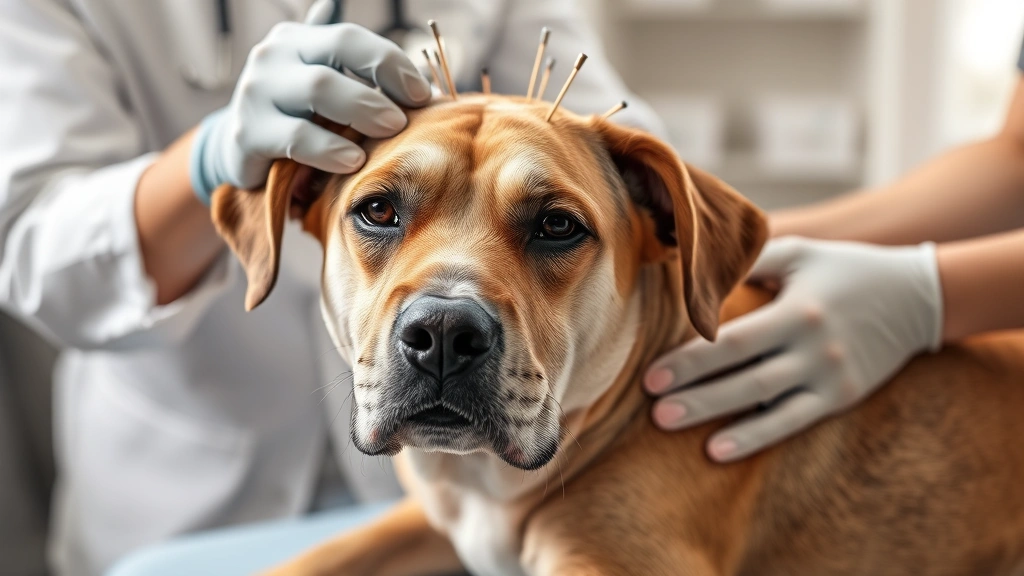
Yes, acupuncture for dogs is real, and surprisingly effective for many pain conditions. It works by stimulating nerves and releasing endorphins—your dog’s natural pain-fighting chemicals. Many vets now offer acupuncture or can refer you to certified veterinary acupuncturists.
Physical therapy is another game-changer, especially for dogs recovering from surgery or dealing with arthritis. A certified canine physical therapist can create exercises that strengthen muscles around painful joints, actually improving mobility and reducing pain long-term.
Weight Management: The Underrated Pain Solution
Here’s something people often overlook: excess weight puts serious strain on joints. If your dog is overweight, helping them slim down through proper nutrition—like exploring options with low protein dog food under vet guidance—can dramatically reduce pain from arthritis and joint problems.
It’s not about making your dog miserable with restriction. It’s about finding the right calorie balance and exercise level. Even a 10% weight reduction can make a noticeable difference in mobility and pain levels.
Heat and Cold Therapy: Simple But Effective
Don’t underestimate the power of temperature therapy. Heat therapy (warm compresses or heating pads) increases blood flow and relaxes muscles, making it perfect for stiff joints and muscle soreness. Cold therapy reduces inflammation and numbs pain, working better for acute injuries.
Your dog probably won’t sit still for a formal session, but you can apply heat or cold while they’re resting. Just make sure the temperature isn’t extreme—you want comfort, not burns or ice damage.
Dietary Support for Pain Management
What your dog eats matters more than most people realize. A high-quality diet rich in omega-3s, antioxidants, and anti-inflammatory compounds supports overall health and can reduce pain. Goat’s milk is good for dogs and offers natural probiotics and anti-inflammatory properties that some vets recommend for dogs with chronic pain.
For dogs with specific health concerns, your vet might recommend a therapeutic diet. A kidney diet for dogs might be necessary if your pup has kidney issues that complicate pain management medication choices. And venison is good for dogs as a novel protein source that’s often easier to digest and less inflammatory than common proteins.
Laser Therapy and Regenerative Medicine
Cold laser therapy is becoming increasingly popular in veterinary clinics. It uses light energy to reduce inflammation and stimulate healing at the cellular level. It’s non-invasive, painless, and many dogs show improvement after just a few sessions.
Regenerative medicine options like stem cell therapy and platelet-rich plasma (PRP) injections are newer but showing promising results for joint and tissue damage. They’re pricier than traditional options, but for dogs with severe arthritis or injury, they can be life-changing.
Creating a Pain-Free Environment
Sometimes the best pain management is environmental. Orthopedic dog beds reduce pressure on sore joints. Ramps or stairs help dogs with mobility issues avoid jumping. Non-slip flooring prevents slipping that aggravates joint pain. These modifications cost way less than medications and genuinely improve quality of life.
Keep your dog’s exercise moderate and consistent. Couch-potato lifestyle makes pain worse, but overdoing it causes flare-ups. Find the sweet spot with your vet’s guidance.
Frequently Asked Questions
Can I give my dog ibuprofen or aspirin for pain?
No. Human NSAIDs like ibuprofen and aspirin are toxic to dogs and can cause serious gastrointestinal bleeding and organ damage. Always use veterinary-prescribed pain medications designed specifically for canine metabolism. Your vet has safe, effective alternatives.
How do I know if my dog is in pain?
Watch for limping, reluctance to jump or climb stairs, stiffness (especially after rest), changes in posture, decreased activity, behavioral changes, loss of appetite, or excessive panting. Some dogs also lick or bite at painful areas. Any combination of these warrants a vet visit.
Are natural pain remedies as effective as medications?
It depends on the pain severity. For mild to moderate chronic pain like arthritis, natural remedies like ginger and supplements often work great. For acute or severe pain, prescription medications are usually necessary. Many vets recommend combining both approaches for best results.
How long does it take for pain relief to work?
Medications like NSAIDs and opioids work within hours. Supplements and natural remedies typically take 4-6 weeks to show real benefits. Acupuncture and physical therapy results vary but often improve within 2-3 sessions. Patience is key with chronic pain management.
Is it safe to use pain medication long-term?
With proper veterinary monitoring, yes. Your vet will recommend blood work to check organ function, especially for dogs on NSAIDs long-term. The key is regular check-ups and dose adjustments as needed. The benefit of pain relief usually outweighs minimal risks when managed properly.
The Bottom Line: Your Dog Deserves Comfort
When it comes to what can be given to dogs for pain, you’ve got more options than ever before. From prescription medications to natural remedies to lifestyle modifications, modern veterinary medicine offers real solutions. The key is working closely with your vet to find the right combination for your individual dog.
Don’t wait for pain to become unbearable. Early intervention often means better outcomes and happier dogs. Your pup relies on you to recognize their discomfort and take action. With the right pain management plan, your dog can enjoy a comfortable, active life well into their golden years.
Remember: every dog is different. What works amazingly for one pup might not be ideal for another. Your vet knows your dog’s health history and can recommend the safest, most effective pain relief options. The goal is getting your best friend back to being their happy, pain-free self.





