

If you’re wondering what can I give my dog for a bladder infection, you’re not alone—UTIs in dogs are more common than you’d think, and they’re absolutely treatable. Whether your pup is having accidents indoors, straining to pee, or acting generally miserable, a bladder infection (also called a urinary tract infection or UTI) is likely the culprit. The good news? There are proven remedies that can help your furry friend feel better fast.
Table of Contents
- Understanding Canine Bladder Infections: Why They Happen
- Remedy #1: Antibiotics—The Gold Standard Treatment
- Remedy #2: Cranberry Supplements for Bladder Health
- Remedy #3: Increased Water Intake and Frequent Bathroom Breaks
- Remedy #4: Probiotics and Gut Health Support
- Remedy #5: D-Mannose Supplements
- When to See Your Vet Immediately
- Dietary Adjustments for Bladder Health
- Prevention: The Best Medicine
- The Role of Veterinary Care in Bladder Infections
- Frequently Asked Questions
Understanding Canine Bladder Infections: Why They Happen
Before we dive into solutions, let’s talk about what’s actually going on down there. A bladder infection occurs when bacteria—usually E. coli—invade your dog’s urinary tract and set up shop in the bladder. Your dog’s immune system fights back, causing inflammation, pain, and that desperate need to pee every five minutes.
Certain dogs are more prone to urinary tract infections than others. Female dogs get them more often than males (thanks, anatomy), and senior dogs, dogs with diabetes, and those with weakened immune systems are at higher risk. Some breeds, like Dalmatians, are genetically predisposed to bladder stones, which can complicate infections.
Remedy #1: Antibiotics—The Gold Standard Treatment
Here’s the truth: if your vet diagnoses a bacterial bladder infection, antibiotics are usually the best first line of defense. Your veterinarian will likely prescribe something like amoxicillin, cephalexin, or fluoroquinolones, depending on the severity and the bacteria involved. These medications kill the infection-causing bacteria and provide relief within 24-48 hours in most cases.
The key is completing the full course, even if your dog feels better. Stopping early can lead to antibiotic resistance and a relapsed infection that’s harder to treat. Most bladder infections require 7-14 days of antibiotics, so stick with it.
Remedy #2: Cranberry Supplements for Bladder Health
Cranberry isn’t just for UTI prevention in humans—it can help dogs too. Cranberry supplements contain proanthocyanidins, compounds that prevent bacteria from sticking to the bladder wall. This makes it harder for infections to take hold and can reduce recurrence rates.
You can find cranberry supplements specifically formulated for dogs at most pet stores or online retailers. Some come as tablets, powders, or even treats. While cranberry won’t cure an active infection on its own, it’s an excellent complementary remedy alongside antibiotics and can be used long-term for prevention in dogs with chronic UTI issues.
Remedy #3: Increased Water Intake and Frequent Bathroom Breaks
This might sound simple, but it’s incredibly effective. More water means more frequent urination, which helps flush bacteria out of the bladder before they can multiply. Think of it as a natural cleaning system for your dog’s urinary tract.
Encourage your dog to drink more by:
- Adding low-sodium broth to their water bowl
- Offering water more frequently throughout the day
- Using a dog water fountain (many dogs drink more from flowing water)
- Adding wet food to their diet
Take your dog outside more often too—at least every 2-3 hours if possible. This prevents urine from sitting in the bladder, creating an ideal environment for bacterial growth.
Remedy #4: Probiotics and Gut Health Support
A healthy gut microbiome supports overall immunity, including urinary tract health. Probiotics designed for dogs can help restore beneficial bacteria that keep harmful pathogens in check. Look for products with multiple strains of Lactobacillus and Bifidobacterium.
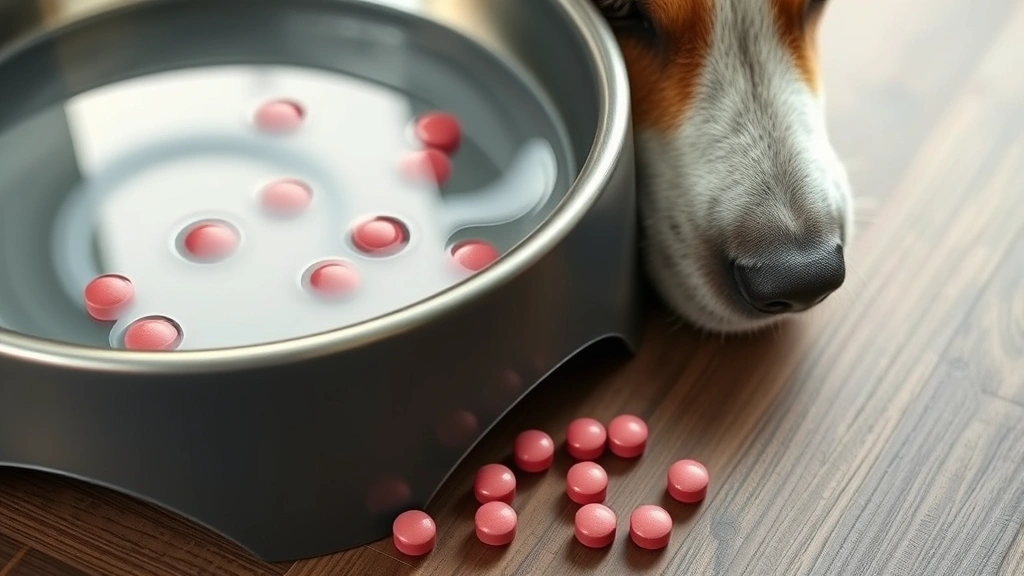
Some veterinarians recommend giving probiotics during antibiotic treatment (just not at the same time as the antibiotic) to prevent secondary yeast infections and to support recovery. After the infection clears, continuing probiotics may help prevent future UTIs.
Remedy #5: D-Mannose Supplements
D-mannose is a natural sugar that works similarly to cranberry—it prevents bacteria from adhering to the bladder lining. Unlike cranberry, D-mannose is more concentrated and may be more effective for some dogs. It’s particularly useful for dogs with recurrent infections or as a preventative measure.
The typical dose is around 250-500mg per 10 pounds of body weight, given 2-3 times daily. It’s generally safe and well-tolerated, though you should always consult your vet before starting any supplement regimen.
When to See Your Vet Immediately
While home remedies and supplements can support treatment, a veterinary visit is essential for proper diagnosis. Your vet will perform a urinalysis and possibly a urine culture to confirm a UTI and identify the specific bacteria involved. This information guides antibiotic selection and ensures you’re treating the actual problem.
Seek emergency veterinary care if your dog shows signs of a more serious condition:
- Complete inability to urinate (urinary obstruction)
- Blood in the urine with lethargy or fever
- Severe abdominal pain
- Signs of kidney infection (fever, vomiting, back pain)
These symptoms suggest complications that require immediate professional intervention.
Dietary Adjustments for Bladder Health
What your dog eats can impact urinary tract health. Some dogs benefit from a diet specifically formulated for urinary health, which typically has balanced minerals like magnesium, phosphorus, and calcium. Your vet might recommend a prescription diet if your dog has recurrent infections or bladder stones.
Avoid excessive salt in your dog’s diet, as it can concentrate urine and create an environment where bacteria thrive. Fresh, whole foods and adequate moisture in the diet support overall urinary health.
Prevention: The Best Medicine
Once your dog recovers from a bladder infection, prevention is key. Regular vet checkups, especially for senior dogs or those with a history of UTIs, can catch infections early. Keep your dog well-hydrated, maintain a healthy weight, and consider long-term cranberry or D-mannose supplementation if your pup is prone to recurring infections.
Female dogs should be wiped from front to back after bathroom breaks to prevent bacteria from traveling up the urethra. Keep your dog’s genital area clean and dry, especially if they have long hair or skin folds.
The Role of Veterinary Care in Bladder Infections
While these home remedies and supplements are valuable tools, they work best alongside professional veterinary care. Your vet can rule out underlying conditions like bladder stones, diabetes, or anatomical abnormalities that might be contributing to recurrent infections. They can also recommend the most appropriate antibiotic based on culture results, increasing the likelihood of successful treatment.
Many veterinarians now practice integrative medicine, combining conventional antibiotics with complementary therapies like those mentioned here. Don’t hesitate to discuss these options with your vet—most are happy to incorporate evidence-based supplements into your dog’s treatment plan.
For more information on canine health conditions, check out resources from the American Kennel Club and PetMD, which offer evidence-based pet health information. Your veterinary school’s website may also have research-backed articles on urinary tract infections in dogs.
You might also find it helpful to learn about Methocarbamol for Dogs if your pup experiences muscle tension from pain, or explore Is Triple Antibiotic Ointment Safe for Dogs for any secondary skin issues that might develop.
Frequently Asked Questions
Can I treat my dog’s bladder infection at home without antibiotics?
While supportive measures like increased water intake, cranberry supplements, and D-mannose can help, a bacterial bladder infection typically requires antibiotics prescribed by a veterinarian. Home remedies alone are usually insufficient to eliminate the infection. Always get a professional diagnosis before treating at home.
How long does it take for a dog to recover from a bladder infection?
Most dogs show improvement within 24-48 hours of starting antibiotics. However, the full course of treatment usually lasts 7-14 days, and you should continue giving medication even if your dog feels better. Complete recovery and prevention of relapse depend on finishing the entire prescription.
What are the signs my dog has a bladder infection?
Common symptoms include frequent urination, straining to urinate, accidents in the house, blood in the urine, cloudy or foul-smelling urine, and excessive licking of the genital area. Some dogs may also show lethargy or loss of appetite. If you notice any of these signs, schedule a vet visit promptly.
Are certain dog breeds more prone to bladder infections?
Yes, female dogs are more susceptible than males due to anatomy. Additionally, Dalmatians are genetically predisposed to bladder stones, which can lead to infections. Senior dogs and those with diabetes or compromised immune systems also face higher risk.
Can I give my dog over-the-counter pain relief for a bladder infection?
Never give your dog over-the-counter pain medications without veterinary approval. Many human pain relievers are toxic to dogs. Your vet may prescribe appropriate pain management alongside antibiotics if your dog is in significant discomfort.
How can I prevent my dog from getting bladder infections?
Maintain proper hydration, provide frequent bathroom breaks, keep the genital area clean and dry, feed a balanced diet, and schedule regular veterinary checkups. For dogs with recurrent infections, ask your vet about preventative cranberry or D-mannose supplementation.





