
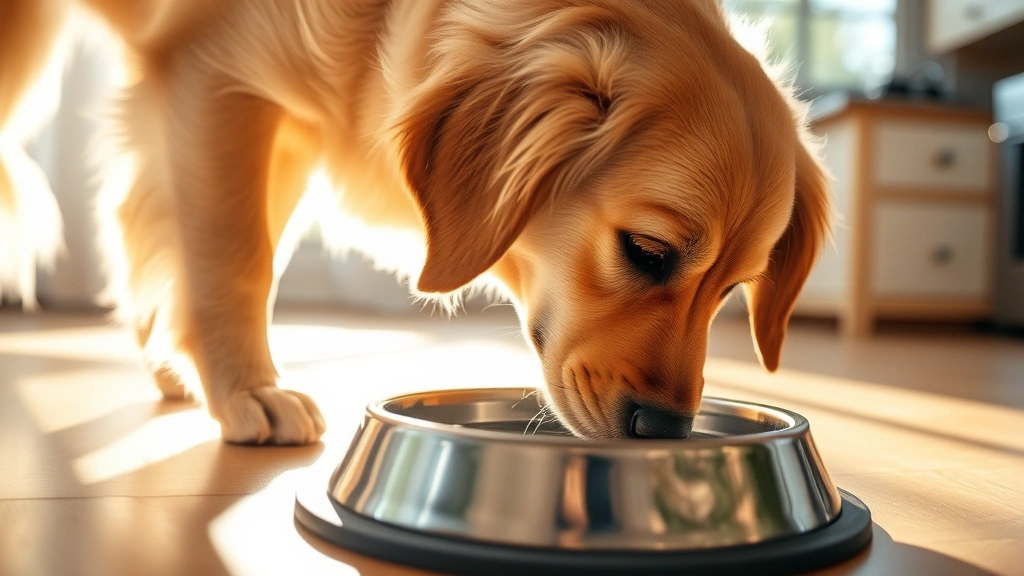
If you’re wondering what can I give my dog for a UTI, you’re probably dealing with a frustrated pup who’s making frequent bathroom trips and whining in discomfort. Urinary tract infections in dogs are more common than you’d think, and the good news is that there are several proven remedies that can help your furry friend feel better faster.
Table of Contents
- Understanding Canine UTIs: Why Your Dog Is Suffering
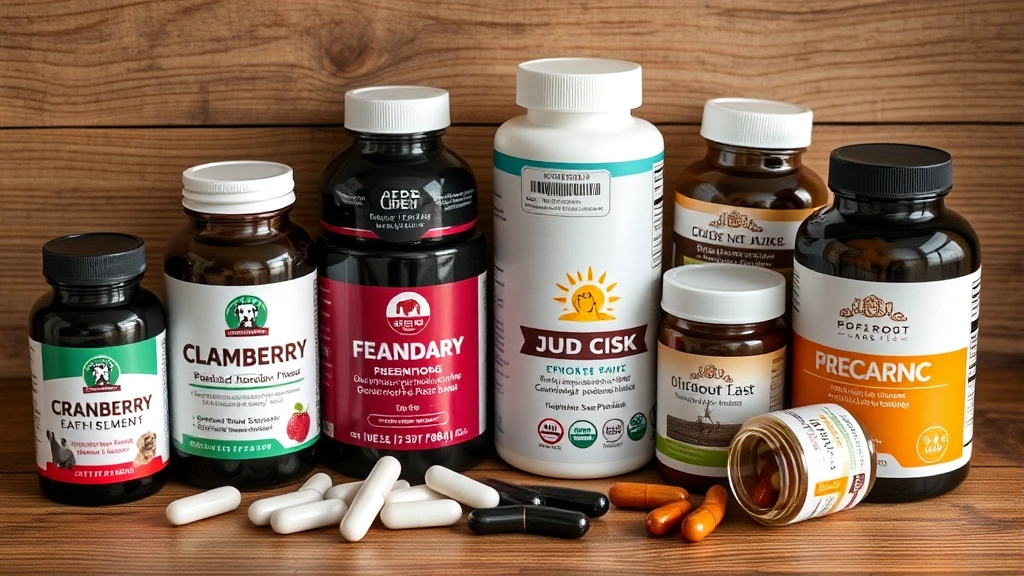
- Remedy #1: Cranberry Supplements for Urinary Health
- Remedy #2: Increased Water Intake and Hydration
- Remedy #3: Apple Cider Vinegar for Acidic Urine
- Remedy #4: Probiotics and Gut Health Support
- Remedy #5: D-Mannose Supplementation
- When to See Your Veterinarian: Don’t Skip Professional Care
- Dietary Adjustments for UTI Prevention
- Supplements and Natural Remedies: Building a Comprehensive Plan
- Cost-Effective Options for Budget-Conscious Pet Parents
- Recovery Timeline: What to Expect
- Frequently Asked Questions
- Final Thoughts: Your Dog Deserves Comfort and Care
Understanding Canine UTIs: Why Your Dog Is Suffering
Before we dive into solutions, let’s talk about what’s actually happening inside your dog’s urinary system. A UTI occurs when bacteria invade the bladder and urethra, causing inflammation and that desperate need to pee every five minutes. Female dogs get UTIs more frequently than males (thanks, anatomy), and certain breeds are more prone to them than others.
The signs are pretty unmistakable: your dog is having accidents indoors, straining to urinate, producing cloudy or bloody urine, and possibly running a fever. It’s uncomfortable as heck, and your dog definitely needs relief. The tricky part? You need to balance home remedies with professional veterinary care because some UTIs require antibiotics to clear completely.
Remedy #1: Cranberry Supplements for Urinary Health
Cranberry isn’t just for humans with UTIs—it works wonders for dogs too. Cranberries contain proanthocyanidins, which prevent bacteria from sticking to the bladder walls. This means the nasty microorganisms get flushed out during urination instead of setting up camp in your dog’s urinary tract.
You can find cranberry supplements specifically formulated for dogs at most pet stores. The typical dosage depends on your dog’s weight, so always check the label. Some pet parents swear by adding a small amount of unsweetened cranberry juice to their dog’s water bowl, though the supplement form is usually more concentrated and effective. Just avoid cranberry products with added sugars—those defeat the purpose and aren’t great for your pup’s health anyway.
Remedy #2: Increased Water Intake and Hydration
This one sounds almost too simple, but it’s genuinely one of the most effective strategies. When your dog drinks more water, they urinate more frequently, which naturally flushes bacteria out of the urinary system. It’s like giving your dog’s bladder a constant cleaning cycle.
Make fresh water available at all times, and consider adding a dog water fountain—many dogs prefer running water and drink more from it. If your dog is stubborn about hydration, you can add low-sodium broth to their water bowl to make it more appealing. Just make sure you’re not using anything with onions or garlic, which are toxic to dogs. Some pet parents also mix water into their dog’s food to increase overall fluid intake.
Remedy #3: Apple Cider Vinegar for Acidic Urine
Apple cider vinegar creates a more acidic environment in your dog’s urine, which makes it harder for bacteria to survive and multiply. This isn’t a cure on its own, but it’s a solid complementary remedy that many veterinarians actually recommend.
Add about a teaspoon of raw, unfiltered apple cider vinegar to your dog’s drinking water or food once or twice daily. Start with a smaller amount to see how your dog reacts—some dogs don’t love the taste. The key is consistency; you’ll want to do this for at least a week or two to see results. Never give your dog straight apple cider vinegar, as it’s too concentrated and can upset their stomach.
Remedy #4: Probiotics and Gut Health Support
Your dog’s gut bacteria play a massive role in fighting off UTIs. When the good bacteria are thriving, they help prevent harmful bacteria from colonizing the urinary tract. Dog-specific probiotics contain beneficial strains like Lactobacillus and Bifidobacterium that support urinary and digestive health.
Goat’s milk is another excellent probiotic source that many dogs love. You can also find probiotic powders and capsules designed specifically for canine urinary health. The combination of probiotics with increased water intake creates an environment where your dog’s natural defenses can fight back against infection.
Remedy #5: D-Mannose Supplementation
D-mannose is a naturally occurring sugar that works similarly to cranberry—it prevents bacteria from adhering to bladder walls. The difference is that D-mannose is more concentrated and often more effective than cranberry supplements alone.
This supplement is gaining popularity among holistic veterinarians because it’s safe, natural, and actually works. The typical dosage is based on your dog’s weight, and you’ll find it in powder or capsule form. Many pet parents report seeing improvement within 24-48 hours of starting D-mannose, though you should continue it for at least a week to ensure the infection doesn’t return.
When to See Your Veterinarian: Don’t Skip Professional Care
Here’s the critical part that some dog owners miss: home remedies are fantastic for supporting recovery and preventing future UTIs, but they’re not a replacement for veterinary antibiotics in many cases. If your dog has a bacterial UTI that’s causing severe symptoms, your vet will likely prescribe antibiotics to kill the infection quickly.
Take your dog to the vet if you notice: blood in the urine, inability to urinate, fever, lethargy, or symptoms that don’t improve within 3-5 days of home treatment. Your vet can perform a urinalysis and urine culture to identify exactly what’s causing the problem. According to the American Kennel Club, untreated UTIs can lead to more serious kidney infections, so it’s not worth gambling with your dog’s health.
Dietary Adjustments for UTI Prevention
While you’re treating the current UTI, think about long-term prevention through diet. Some dogs benefit from lower protein diets that reduce urine acidity, while others need the opposite. Your vet can recommend the best dietary approach based on your dog’s specific situation.
Foods with high moisture content—like wet food or adding water to kibble—naturally increase hydration. Avoid feeding your dog foods with excessive salt, as this can contribute to urinary issues. Quality matters too; premium dog foods with real meat and minimal fillers support overall immune function, which helps your dog fight off infections naturally.
Supplements and Natural Remedies: Building a Comprehensive Plan
The best approach combines multiple remedies working together. While one remedy alone might help, combining cranberry supplements, probiotics, D-mannose, and increased water intake creates a powerful defense system against UTIs.
According to PetMD, many veterinarians now recommend a holistic approach that includes both conventional treatment and natural supplements. This means your dog gets antibiotics to clear the active infection while simultaneously receiving support that prevents recurrence. It’s the best of both worlds.
Cost-Effective Options for Budget-Conscious Pet Parents
If you’re worried about expense, here’s good news: some of the most effective remedies are incredibly affordable. Cranberry supplements and probiotics are inexpensive compared to repeated vet visits. Apple cider vinegar costs just a few dollars and lasts for months. Increasing your dog’s water intake is completely free.
The real money-saver is prevention. By implementing these remedies now, you’re avoiding future UTIs that would require expensive antibiotics and vet visits. It’s an investment in your dog’s long-term health that pays dividends.

Recovery Timeline: What to Expect
With proper treatment, most dogs show improvement within 3-5 days. You’ll notice your dog stops having accidents indoors, stops straining during bathroom trips, and generally seems more comfortable. However, you should continue the remedies for at least 1-2 weeks after symptoms disappear to ensure the infection is completely gone.
Some dogs are prone to recurrent UTIs, which means you might need to use preventative remedies long-term. This is especially true for senior dogs or those with anatomical issues that make them susceptible to infection. Your vet can help you develop a maintenance plan that keeps your dog healthy without relying on constant antibiotic courses.
Frequently Asked Questions
Can I treat my dog’s UTI at home without antibiotics?
Mild UTIs might respond to home remedies alone, but moderate to severe infections typically require antibiotics prescribed by your vet. Home remedies work best as complementary treatments alongside professional care. If your dog shows signs of improvement within 3-5 days of home treatment, that’s a good sign. If not, get to your vet immediately.
How long does it take for cranberry supplements to work?
Most dogs show improvement within 5-7 days of consistent cranberry supplementation. However, cranberry works best as a preventative and complementary remedy rather than a standalone cure. Combine it with other remedies and increased water intake for faster results.
Are there any side effects to these natural remedies?
Most natural remedies are very safe, but some dogs might experience mild digestive upset from probiotics or apple cider vinegar. Start with smaller doses and gradually increase. If your dog shows signs of allergic reaction (swelling, difficulty breathing), stop immediately and contact your vet.
Can male dogs get UTIs?
Yes, though it’s less common than in females. Male dogs can develop UTIs, and they’re often more serious because their longer urethra makes it harder for bacteria to ascend to the bladder. If your male dog shows UTI symptoms, get him to the vet quickly.
How can I prevent future UTIs in my dog?
Maintain consistent hydration, use preventative supplements like cranberry and probiotics, ensure regular potty breaks, keep your dog’s genital area clean and dry, and feed high-quality food. Regular vet checkups help catch issues early before they become serious infections.
Final Thoughts: Your Dog Deserves Comfort and Care
Dealing with a dog UTI is frustrating for both you and your pup, but the good news is that effective solutions exist. By combining professional veterinary care with proven home remedies like cranberry supplements, increased hydration, probiotics, and D-mannose, you’re giving your dog the best chance at quick recovery and long-term urinary health.
Remember: what can I give my dog for a UTI isn’t just about quick fixes—it’s about building a comprehensive wellness plan that prevents future infections. Start with a vet visit to rule out serious complications, then implement these remedies for maximum effectiveness. Your dog will be back to their happy, healthy self before you know it.





