
So your pup hasn’t pooped in a couple of days, and you’re starting to panic—totally valid. What can I give my dog for constipation is probably the question running through your head right now, and honestly, it’s one of the most common concerns pet parents face. The good news? There are plenty of safe, effective remedies you can try at home before you need to call the vet. Let’s dig into what actually works.
Table of Contents
- Understanding Canine Constipation: Why It Happens
- Remedy #1: Increase Water Intake and Hydration
- Remedy #2: Pumpkin Puree—The Golden Ticket
- Remedy #3: Dietary Fiber and Food Adjustments
- Remedy #4: Exercise and Movement
- Remedy #5: Bone Broth and Digestive Supplements
- When to Call the Vet About Dog Constipation
- Prevention Tips: Keep Your Dog Regular
- Natural vs. Over-the-Counter Laxatives
- FAQ
- Frequently Asked Questions
- The Bottom Line: Getting Your Dog Back on Track
Understanding Canine Constipation: Why It Happens
Before we jump into solutions, let’s talk about why your dog might be backed up in the first place. Constipation in dogs happens when they’re not passing stool regularly or having difficulty doing so. It’s usually not a medical emergency, but it’s definitely uncomfortable for your furry friend.
Common causes include dehydration, lack of exercise, dietary issues, or swallowing foreign objects. Sometimes it’s as simple as a change in food or not enough fiber in their diet. Other times, it could be something more serious, so if it persists beyond a couple of days, definitely call your vet.
Remedy #1: Increase Water Intake and Hydration
This might sound too simple, but dehydration is one of the biggest culprits behind dog constipation. When dogs don’t drink enough water, their stool becomes hard and difficult to pass. Start by making sure your pup has access to fresh, clean water throughout the day.
Try these hydration boosters: add a little low-sodium broth to their water bowl, offer wet food instead of kibble, or add water to their dry food to create a gravy-like consistency. Some dogs respond really well to a dog water fountain—they’re weirdly attracted to moving water. Increasing hydration alone can often solve mild constipation within 24 hours.
Remedy #2: Pumpkin Puree—The Golden Ticket
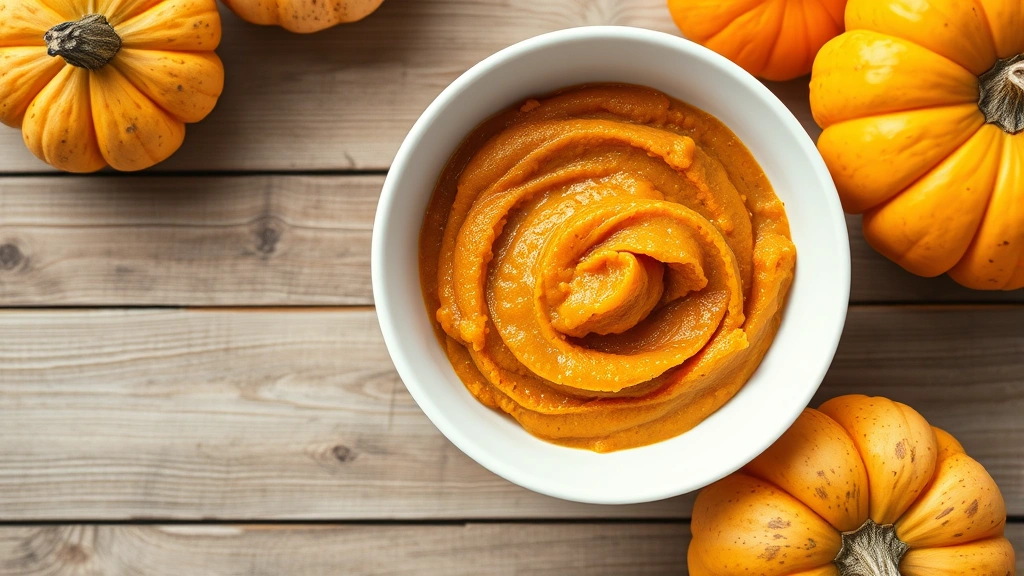
If there’s one remedy that’s practically legendary among dog parents, it’s pumpkin. Pumpkin is good for dogs and works wonders for constipation. It’s packed with fiber and moisture, making it the perfect natural laxative.
Here’s how to use it: give your dog 1-4 tablespoons of plain pumpkin puree (not pumpkin pie filling—that’s loaded with sugar and spices) mixed into their regular food, depending on their size. You can also give it straight from the spoon if your dog will eat it. Most dogs see improvement within 12-24 hours. The fiber helps bulk up the stool while the moisture keeps things moving smoothly.
Remedy #3: Dietary Fiber and Food Adjustments
Adding fiber to your dog’s diet can be a game-changer for chronic constipation issues. Spinach is good for dogs and offers some fiber benefits, though it’s better as an occasional treat than a primary solution.
Better fiber options include: sweet potato (cooked and plain), green beans, carrots, and oatmeal. If your dog’s constipation is recurring, you might want to evaluate their overall diet. Limited ingredient dog food can help if your pup has sensitivities, and lamb dog food is a great option if chicken-based diets aren’t working for them.
Avoid feeding your dog too much rice, as it can actually worsen constipation in some cases. While rice can be good for dogs, it’s better used for diarrhea rather than constipation.
Remedy #4: Exercise and Movement
Sometimes the fix is as simple as getting your dog moving. Exercise stimulates the digestive system and helps things move along naturally. If your pup has been cooped up inside, a good walk or play session might be exactly what they need.
Try increasing their daily exercise by 20-30 minutes. Go for longer walks, play fetch, or have a backyard zoomie session. Many dogs experience constipation relief just from increased physical activity. Plus, your dog gets the added benefit of being more tired and happy—win-win.
Remedy #5: Bone Broth and Digestive Supplements
Bone broth is like comfort food for a dog’s digestive system. It’s packed with collagen and gelatin that support gut health, plus it adds moisture to their diet. You can give your dog plain, unsalted bone broth as a treat or mixed into their food.
If you want to get more targeted, there are dog-specific digestive supplements with probiotics and enzymes that can help. These are especially useful if your dog’s constipation is related to digestive issues or food sensitivities. Always chat with your vet before starting supplements, though.
When to Call the Vet About Dog Constipation
Most cases of mild constipation resolve within 24-48 hours with home remedies. However, you should contact your veterinarian if:
Your dog hasn’t pooped in more than 3 days, they’re straining painfully and producing nothing, they’re vomiting or acting lethargic, their abdomen is swollen or hard, or they’re showing signs of pain. These could indicate a blockage or more serious condition that needs professional attention. Your vet can perform an exam, possibly take X-rays, and recommend appropriate treatment.
Prevention Tips: Keep Your Dog Regular
Once you’ve dealt with the immediate problem, let’s talk prevention. Maintaining consistent feeding schedules helps regulate your dog’s digestive system. Feed them at the same times each day, and stick with high-quality food that agrees with their stomach.
Keep them hydrated, maintain regular exercise routines, and monitor their stool consistency. If your dog is prone to constipation, incorporating fiber-rich foods into their regular diet can help. Avoid giving them bones, string, or other items that could cause blockages.
Natural vs. Over-the-Counter Laxatives
While natural remedies are usually the first choice, sometimes you might need something stronger. Your vet can recommend safe over-the-counter laxatives like mineral oil or stool softeners. Never use human laxatives on your dog without veterinary guidance—some can be dangerous for pets.
Natural remedies like pumpkin, increased water, and exercise should always be your first line of defense. They’re safe, effective, and have no negative side effects. Save pharmaceutical options for when home remedies aren’t cutting it.
FAQ
Frequently Asked Questions
How long can a dog go without pooping?
Healthy dogs typically poop once or twice daily. If your dog hasn’t pooped in 48-72 hours, it’s time to take action. Anything beyond that warrants a vet visit.
Is pumpkin or sweet potato better for dog constipation?
Both work well, but pumpkin is slightly more effective due to its higher moisture content. Sweet potato is a great alternative if you don’t have pumpkin on hand.
Can I give my dog a human laxative?
No, never give your dog human laxatives without explicit veterinary approval. Many contain ingredients that are toxic to dogs. Always consult your vet first.
What if my dog is straining but nothing comes out?
This is a sign of obstruction or serious constipation. Contact your vet immediately—this could require professional intervention.
How much pumpkin should I give my dog?
For small dogs (under 15 lbs), give 1-2 tablespoons. Medium dogs (15-30 lbs), give 2-3 tablespoons. Large dogs (over 30 lbs), give 3-4 tablespoons daily mixed into food.
Can stress cause constipation in dogs?
Yes, stress and anxiety can affect your dog’s digestive system and cause constipation. Keep your pup calm and maintain routine to help prevent stress-related issues.
The Bottom Line: Getting Your Dog Back on Track
Dealing with a constipated dog is frustrating, but the good news is that most cases respond quickly to simple home remedies. Start with increased hydration, add some pumpkin puree to their food, get them moving with exercise, and monitor their progress. In most cases, you’ll see improvement within 24 hours. If constipation persists beyond a few days or your dog shows signs of distress, don’t hesitate to call your veterinarian. Your pup will be back to their regular bathroom routine in no time, and you’ll both feel a whole lot better.





