
If you’re asking “what can I give my dog for diarrhea,” you’re probably dealing with one of the most common (and messy) problems pet parents face. One minute your pup is fine, the next they’re leaving you unwanted surprises on your carpet. Don’t panic—most cases of dog diarrhea are manageable at home, and we’re here to walk you through exactly what works.
Table of Contents
- Understanding Why Your Dog Has Diarrhea
- Solution #1: The Bland Diet Approach (Chicken and Rice)
- Solution #2: Pumpkin Puree (The Fiber Superstar)
- Solution #3: Probiotics and Digestive Enzymes
- Solution #4: Bone Broth (The Healing Elixir)
- Solution #5: Medication (When Home Remedies Need Backup)
- Dietary Adjustments for Long-Term Diarrhea Prevention
- When to Call Your Veterinarian
- Hydration is Your Secret Weapon
- Prevention Tips for Future Episodes
- Frequently Asked Questions
- Final Thoughts: Your Dog Will Be Fine
Understanding Why Your Dog Has Diarrhea
Before jumping into solutions, let’s talk about why your dog’s digestive system decided to throw a party without inviting you. Dog diarrhea can stem from food sensitivities, sudden diet changes, eating something sketchy from the backyard, stress, parasites, or infections. Sometimes it’s just a 24-hour thing; other times it sticks around longer than an unwanted houseguest.
The key is figuring out if this is a simple case of upset stomach or something requiring veterinary attention. If your dog has other symptoms like vomiting, lethargy, or bloody stools, call your vet immediately. For mild cases, though, these home remedies and dietary adjustments can work wonders.
Solution #1: The Bland Diet Approach (Chicken and Rice)
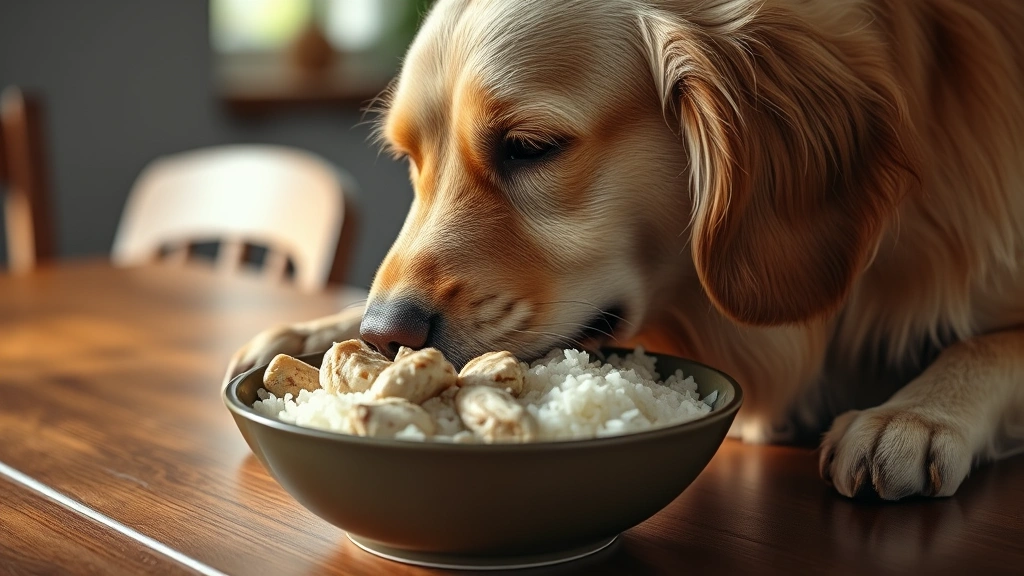
When it comes to treating canine diarrhea, the bland diet is basically the golden retriever of remedies—reliable, beloved, and recommended by vets everywhere. The classic combo is boiled chicken and plain white or brown rice, served in a 1:2 ratio.
Here’s how to do it right: Boil boneless, skinless chicken breast (no seasoning—seriously, no salt, garlic, or anything fancy) and mix it with cooked rice. Feed smaller portions more frequently than usual—think four to six times daily instead of two. This gives your pup’s digestive system a chance to reset without overwhelming it.
You can also use rotisserie chicken for dogs, but make sure it’s unseasoned and you remove all bones and skin. The bland diet typically works within 24-48 hours for most dogs.
Solution #2: Pumpkin Puree (The Fiber Superstar)
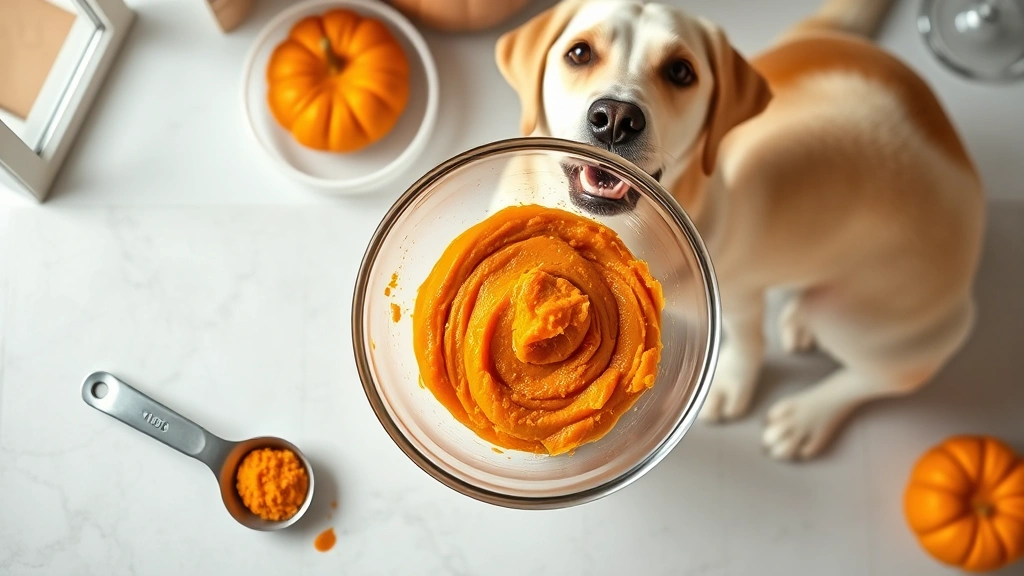
Pumpkin puree is like the Swiss Army knife of dog digestive health. Whether your dog has diarrhea or constipation, this orange miracle worker helps regulate everything. The soluble fiber absorbs excess water in the intestines, firming up stools naturally.
Use plain canned pumpkin puree (not pie filling—that’s loaded with sugar and spices). A general rule: give 1-4 tablespoons depending on your dog’s size, mixed into their regular food or the bland diet mentioned above. You’ll see results within a few hours to a day.
Pro tip: Freeze pumpkin puree in ice cube trays for easy portioning. Your dog might think they’re getting a special treat when they’re actually getting medicine. Win-win.
Solution #3: Probiotics and Digestive Enzymes
Your dog’s gut is like a thriving city—it needs the right bacteria to keep everything running smoothly. When diarrhea strikes, those beneficial bacteria take a hit. Probiotics help rebuild that healthy microbial community.
Look for dog-specific probiotics (not human ones) with strains like Lactobacillus and Bifidobacterium. Most come as powders or treats, making them easy to add to food. Digestive enzymes can also help break down food more efficiently, reducing stress on the digestive tract.
Quality matters here. Check with your vet about which brands they recommend—some are more effective than others. Expect improvement within a few days to a week of consistent use.
Solution #4: Bone Broth (The Healing Elixir)
Bone broth has become a trendy superfood for humans, but dogs have been benefiting from it for centuries. It’s packed with collagen, gelatin, and amino acids that soothe and heal the gut lining.
Make it at home by simmering bones (chicken or beef) in water for 12-24 hours, then straining out the solids. Alternatively, buy dog-specific bone broth from pet supply stores. Serve it warm (not hot) as a broth or pour it over their bland diet. Most dogs find it irresistible, and their digestive systems thank you for the healing boost.
This works especially well when combined with the bland diet approach for maximum gut recovery.
Solution #5: Medication (When Home Remedies Need Backup)
Sometimes home remedies need reinforcement. Your vet might recommend medications like metronidazole (an antibiotic for bacterial overgrowth) or loperamide (to reduce intestinal movement). These aren’t first-line treatments, but they’re valuable when diarrhea persists beyond 48 hours.
Never give your dog over-the-counter antidiarrheal medications without vet approval. What works for humans can be dangerous for dogs. Your veterinarian will determine if medication is necessary based on your dog’s symptoms and health history.
Dietary Adjustments for Long-Term Diarrhea Prevention
If your dog keeps getting diarrhea, it might be time to reassess their regular diet. Some dogs struggle with low-fat dog food for pancreatitis issues or grain sensitivities. Consider switching to a limited ingredient diet or exploring prescription diets designed for sensitive stomachs.
Quality matters tremendously. Brands like Victor and Fromm have excellent reputations for digestive health. Check out our guides on whether Victor dog food is good and Fromm dog food quality to make informed decisions.
Avoid sudden diet changes—transition new food gradually over 7-10 days. This prevents the very diarrhea you’re trying to prevent. Also be cautious with foods like tuna for dogs and tofu for dogs, which can trigger digestive upset in sensitive pups.
When to Call Your Veterinarian
Not all diarrhea is created equal. Contact your vet immediately if your dog experiences:
- Diarrhea lasting more than 48 hours despite home treatment
- Bloody or black stools (melena)
- Vomiting alongside diarrhea
- Signs of dehydration (dry gums, lethargy, sunken eyes)
- Abdominal pain or bloating
- Fever or unusual behavior
Puppies, senior dogs, and those with existing health conditions need faster veterinary evaluation. These groups are more vulnerable to complications from diarrhea.
Hydration is Your Secret Weapon
While you’re treating the diarrhea itself, don’t forget about hydration. Diarrhea causes fluid loss, which can quickly become dangerous. Make sure your dog has constant access to fresh water.

If your dog won’t drink normally, try offering water in different ways: ice cubes, a shallow bowl, or water-rich foods like plain broth. Some dogs respond better to running water from a fountain. Monitor their water intake closely during recovery.
Prevention Tips for Future Episodes
An ounce of prevention beats a pound of cleanup. Keep your dog away from table scraps, monitor what they pick up during walks, and maintain a consistent feeding schedule. Stress can trigger diarrhea too—maintain regular exercise and routines.
Keep your dog’s vaccinations current and use regular parasite prevention, as these are common diarrhea culprits. Finally, store treats and food properly to prevent spoilage that might upset sensitive stomachs.
Frequently Asked Questions
How long does dog diarrhea typically last?
Most cases resolve within 24-48 hours with home treatment. If it persists beyond this timeframe, veterinary evaluation is recommended. Chronic diarrhea lasting weeks or months requires professional investigation to identify underlying causes.
Can I give my dog regular yogurt for diarrhea?
Plain, unsweetened yogurt with live cultures can help, but dog-specific probiotics are more effective. Regular yogurt contains lactose, which some dogs struggle to digest. Stick with probiotic supplements formulated for canines.
Is fasting recommended for dogs with diarrhea?
A short fast (4-8 hours) can help reset the digestive system, but don’t skip meals entirely. Puppies especially need regular nutrition. Move quickly to the bland diet approach rather than extended fasting.
What’s the difference between acute and chronic diarrhea?
Acute diarrhea comes on suddenly and typically resolves quickly (days to a week). Chronic diarrhea persists for weeks or months, indicating underlying issues like food allergies, inflammatory bowel disease, or parasites requiring professional diagnosis.
Can stress cause diarrhea in dogs?
Absolutely. Stress, anxiety, and major life changes can trigger diarrhea in sensitive dogs. Maintain routines, provide adequate exercise, and create a calm environment. If stress-related diarrhea persists, consult your vet about behavioral interventions.
Final Thoughts: Your Dog Will Be Fine
When you’re asking “what can I give my dog for diarrhea,” remember that most cases are manageable and resolve quickly with the right approach. Start with bland diet, pumpkin puree, and probiotics—this trio handles the majority of cases. Monitor your dog’s symptoms closely, maintain hydration, and don’t hesitate to call your vet if things don’t improve or worsen.
Your pup will be back to their normal self soon, and you can retire those paper towels… at least until the next inevitable incident. Stay prepared, stay calm, and know that you’ve got this!





