
So your pup just decorated your carpet with last night’s dinner—fun times, right? If you’re frantically googling what can I give my dog for throwing up, you’ve landed in the right place. Vomiting in dogs is more common than you’d think, and while it’s usually nothing to panic about, knowing how to handle it makes you the hero of your household (and your dog’s stomach).
Table of Contents
- Why Dogs Throw Up (And Why You Should Care)
- Solution #1: The Bland Diet Reset
- Solution #2: Ginger—Nature’s Tummy Soother
- Solution #3: Hydration with Electrolyte Solutions
- Solution #4: Probiotics for Gut Health
- Solution #5: Strategic Meal Timing and Portion Control
- When to Call the Vet (Don’t Wait on This)
- Common Causes of Dog Vomiting You Should Know About
- Prevention: The Best Medicine
- The Bottom Line on Dog Vomiting
- Frequently Asked Questions
Why Dogs Throw Up (And Why You Should Care)
Before we dive into solutions, let’s talk about why your furry friend is losing their lunch in the first place. Dogs throw up for about a million reasons—some silly, some serious. They could’ve wolfed down their food like they haven’t eaten in weeks, eaten something sketchy off the ground, or had a genuine medical issue brewing beneath that adorable exterior.
The key is figuring out if it’s a one-time “oops” or a pattern that needs veterinary attention. A dog vomiting once might just need a little TLC and dietary adjustment. But if Fido’s making a habit of it, that’s when you call your vet and stop playing Dr. Google.

Solution #1: The Bland Diet Reset
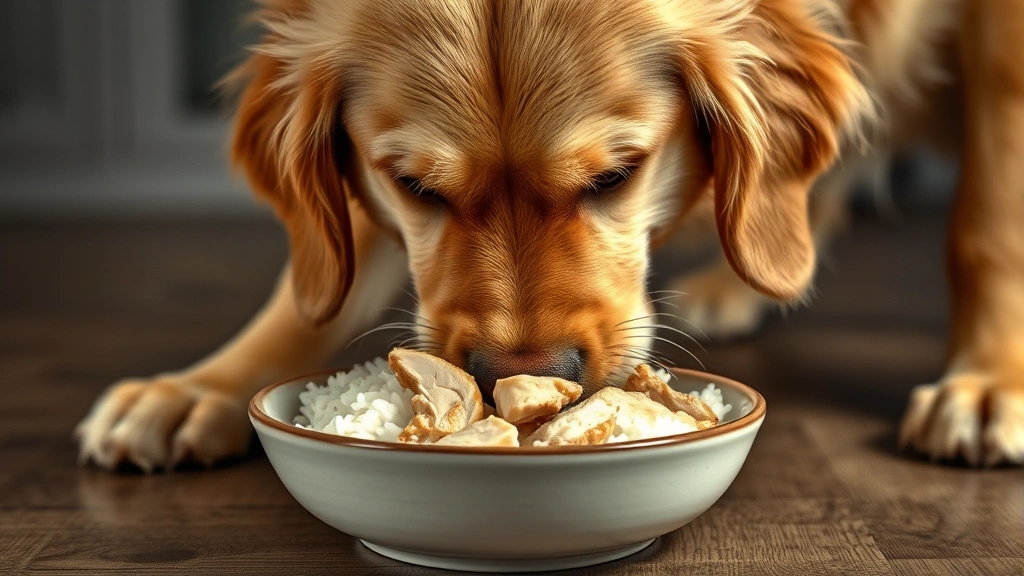
When your dog’s stomach is throwing a tantrum, it’s time to hit the reset button with a bland diet. This is like giving your pup’s digestive system a vacation from processing complex foods. The classic combo? Plain boiled chicken and rice for dogs.
Here’s the deal: boil some chicken breast with zero seasoning (seriously, no salt, garlic, or onions—those are toxic), shred it into bite-sized pieces, and mix it with plain white or brown rice in a 1:1 ratio. Feed small portions every few hours instead of one big meal. This gives their stomach a chance to settle without working overtime.

Most dogs respond beautifully to this approach within 24-48 hours. If your dog’s still hurling after that, it’s vet visit time. You can also try scrambled eggs for dogs as an alternative protein source—they’re gentle on the stomach and most pups think they’re getting a five-star meal.
Solution #2: Ginger—Nature’s Tummy Soother
Your grandmother swore by ginger for nausea, and guess what? She was onto something that works for dogs too. Ginger for dogs is a natural anti-inflammatory that can help reduce nausea and calm an upset stomach.

You can give your dog ginger in a few ways: a tiny piece of fresh ginger root (about the size of a pea for small dogs, a bit larger for big guys), ginger-infused treats, or even a splash of ginger ale (make sure it’s the non-caffeinated kind and has no xylitol). Some vets recommend ginger supplements specifically formulated for dogs.
The magic happens because ginger contains compounds that help with digestive motility and reduce inflammation. Just don’t overdo it—a little goes a long way. If you’re unsure about dosing, ask your vet for guidance based on your dog’s weight.

Solution #3: Hydration with Electrolyte Solutions
Vomiting causes dehydration faster than you can say “oh no.” Your dog needs fluids, but regular water sometimes irritates an already-upset stomach. This is where Pedialyte for dogs becomes your best friend.
Pedialyte is an electrolyte solution that replenishes sodium, potassium, and chloride without the sugary nonsense. It’s gentle on the stomach and helps your dog recover faster. You can offer it in small amounts throughout the day—think ice chips or small sips rather than gulping it down.

Some vets also recommend bone broth (unseasoned, obviously) as a hydrating alternative. It’s got collagen and amino acids that actually support gut healing. Warm it up slightly and offer it in small portions. Your dog will think they’re getting soup at a fancy restaurant, and their stomach will thank you.
Solution #4: Probiotics for Gut Health
Your dog’s gut is basically a thriving metropolis of bacteria—the good kind, anyway. When vomiting happens, it disrupts this delicate balance, which can lead to more digestive issues. Probiotics are live beneficial bacteria that help restore order to the chaos.

Look for dog-specific probiotics (human ones aren’t formulated for canine digestion). Sprinkle them on your dog’s food during and after the vomiting episode. They’re especially helpful if your dog has been on antibiotics or is dealing with chronic digestive sensitivity.
The best part? Probiotics are preventative too. Regular use can reduce the frequency of vomiting episodes in dogs prone to stomach upset. It’s like giving your dog’s digestive system a bodyguard.

Solution #5: Strategic Meal Timing and Portion Control
Here’s something nobody talks about: how you feed your dog matters as much as what you feed them. Some dogs vomit because they’re eating too much too fast or at irregular intervals. It’s like they’re training for a competitive eating contest.
Instead of one or two large meals, try feeding smaller portions three to four times daily. This prevents stomach distension and gives their digestive system a more manageable workload. It’s especially important for dogs prone to gulping their food like it’s going out of style.

Also, avoid exercise immediately after eating. A full stomach + running around = recipe for vomiting. Wait at least 30-60 minutes before playtime or walks. And if your dog has underlying conditions like pancreatitis requiring low-fat dog food, meal composition becomes even more critical.
When to Call the Vet (Don’t Wait on This)
Look, some vomiting is just your dog being a goofball. But some vomiting is your dog’s way of saying “help me, human!” If you see any of these red flags, skip the home remedies and call your vet immediately:

Vomiting that won’t stop (more than a few times in a day), vomit with blood or bile (greenish color), lethargy or unusual behavior, abdominal pain, loss of appetite lasting more than a day, or vomiting accompanied by diarrhea. These could indicate anything from blockages to pancreatitis to infections. Your vet has the tools to figure it out; you have Google and good intentions.
Common Causes of Dog Vomiting You Should Know About
Understanding why your dog is vomiting helps you prevent future episodes. Dietary indiscretion (eating garbage) is the number-one culprit. Your dog sees a mysterious stick and thinks “snack!” Food sensitivities or allergies are another biggie—some dogs just don’t tolerate certain ingredients well.

Stress and anxiety can trigger vomiting too. Yep, your dog can have a nervous stomach just like you do. Changes in environment, new pets, or loud noises might be enough to upset their digestive system. Medical conditions like pancreatitis, inflammatory bowel disease, or parasites are serious causes that require professional diagnosis.
Prevention: The Best Medicine
An ounce of prevention is worth a pound of stomach acid cleanup. Feed high-quality dog food appropriate for your pup’s age and health status. Keep toxic foods (chocolate, grapes, onions, xylitol) nowhere near their reach. Monitor what they eat outside—some dogs will eat literally anything, and your job is to prevent that.
Regular vet checkups catch underlying issues before they become vomit-inducing problems. If your dog has a sensitive stomach, stick with consistent food and avoid sudden diet changes. Introduce new foods gradually over 7-10 days, mixing increasing amounts of the new food with the old stuff.
The Bottom Line on Dog Vomiting
When you’re wondering what can I give my dog for throwing up, you’ve got solid options: bland diet, ginger, electrolyte solutions, probiotics, and strategic feeding practices. Most cases of acute vomiting resolve with these home care measures within 24-48 hours.
But remember—you know your dog better than anyone. If something feels off or the vomiting persists, your veterinarian is your real MVP. They can run tests, identify underlying issues, and create a treatment plan tailored to your specific pup. In the meantime, keep those solutions in your back pocket and maybe invest in some good carpet cleaner.
Frequently Asked Questions
Is it safe to give my dog medication for vomiting without seeing a vet?
No. Over-the-counter medications meant for humans can be dangerous for dogs, and even dog-specific medications require proper dosing based on your dog’s weight and health status. Always consult your vet before giving any medication. They might prescribe something like Meloxidyl for dogs if inflammation is the issue, but that requires professional evaluation first.
How long should I keep my dog on a bland diet after vomiting?
Typically, 3-7 days of bland diet is sufficient for acute vomiting cases. Once your dog’s stomach settles and they’re keeping food down, gradually transition back to their regular food over 7-10 days. Mix increasing amounts of regular food with the bland diet to avoid triggering another upset.
Can anxiety cause my dog to throw up?
Absolutely. Stress and anxiety can definitely trigger vomiting in dogs. If you notice vomiting correlates with stressful situations (thunderstorms, car rides, separation), work with your vet on anxiety management strategies. This might include training, supplements, or in some cases, medication.
What’s the difference between vomiting and regurgitation?
Great question! Vomiting involves active heaving and is usually preceded by nausea signs. Regurgitation is passive—food just comes back up without effort, usually within 30 minutes of eating. Regurgitation often means your dog ate too fast or too much. Both warrant vet attention if they’re frequent.
Should I withhold food and water when my dog is vomiting?
For the first few hours after vomiting, yes—let the stomach rest. But don’t withhold water completely; offer small sips or ice chips to prevent dehydration. After 4-6 hours, if vomiting has stopped, you can offer small amounts of bland food. If vomiting resumes, wait longer and contact your vet.





