

What can you give a dog for fever? This is one of those questions that keeps pet parents up at night, especially when your furry best friend is looking miserable with a thermometer reading of 103°F. The panic sets in, Google searches multiply, and suddenly you’re wondering if you should raid your medicine cabinet or call the vet at 2 AM. Let’s talk about fever in dogs—what it means, when it’s serious, and most importantly, what safe solutions actually work.
Table of Contents
- Understanding Dog Fever: When Should You Actually Worry?
- Solution #1: Cool Compresses and Water Therapy
- Solution #2: Ibuprofen and Acetaminophen (The Careful Route)
- Solution #3: Veterinary-Approved NSAIDs (The Right Way)
- Solution #4: Natural Remedies and Supplements
- Solution #5: Addressing the Underlying Cause
- Red Flags: When Your Dog Needs Emergency Care
- Home Care While You Wait for the Vet
- Prevention: The Best Medicine
- The Bottom Line on Fever Management
- Frequently Asked Questions
Understanding Dog Fever: When Should You Actually Worry?
First things first: a dog’s normal body temperature ranges from 101°F to 102.5°F. Yeah, they’re naturally hotter than us humans. So if your pup feels warm, that doesn’t automatically mean they’ve got a raging fever. A fever in dogs is typically anything above 103°F, and it’s actually your dog’s immune system doing its job—fighting off infection or illness. It’s not the enemy; it’s a defense mechanism.
But here’s the thing: while a mild fever can be helpful, prolonged or extremely high fevers (above 106°F) can cause serious damage. That’s why knowing what causes fever in dogs and when to seek veterinary care is absolutely crucial. Most fevers in dogs are caused by infections—bacterial, viral, or fungal—but they can also result from inflammation, medications, or heat exhaustion.
Solution #1: Cool Compresses and Water Therapy
Before you even think about medication, try the simplest approach: cooling. Wet a washcloth with lukewarm (not cold!) water and apply it to your dog’s ears, paws, and belly—areas where blood vessels are close to the surface. This helps dissipate heat without shocking their system. You can also give your lethargic dog access to a cool (not freezing) bath or let them hang out on tile floors.
Hydration is absolutely essential when your dog has a fever. Make sure fresh water is always available. Some dogs won’t drink much when they’re sick, so you might need to get creative—try offering ice cubes, low-sodium broth, or even a little plain chicken broth to encourage drinking. Dehydration during fever is a real problem that can make everything worse.
Solution #2: Ibuprofen and Acetaminophen (The Careful Route)
Here’s where I need to be straight with you: giving your dog over-the-counter pain relievers requires serious caution. While ibuprofen (Advil, Motrin) and acetaminophen (Tylenol) might seem like obvious choices, they’re actually risky for dogs. Ibuprofen can cause gastrointestinal ulcers and kidney damage, especially with repeated doses. Acetaminophen is toxic to dogs, particularly if overdosed.
The bottom line? Don’t give these to your dog without explicit veterinary approval and dosage instructions. Your vet might recommend them in specific situations, but it’s not a DIY decision. This is one of those moments where calling your veterinarian is the smart move, not the paranoid move.
Solution #3: Veterinary-Approved NSAIDs (The Right Way)
If your vet determines that medication is necessary, they’ll likely prescribe dog-specific NSAIDs like carprofen (Rimadyl) or meloxicam (Metacam). These are formulated specifically for canine metabolism and are much safer than human pain relievers when used as directed. Your vet will determine the correct dosage based on your dog’s weight and health status.
These medications reduce inflammation and fever while being gentler on your dog’s stomach and organs than their human counterparts. Always follow your vet’s dosing instructions exactly—no “a little extra won’t hurt” logic here. Some dogs on long-term NSAIDs need periodic blood work to monitor organ function, so stay on top of that too.
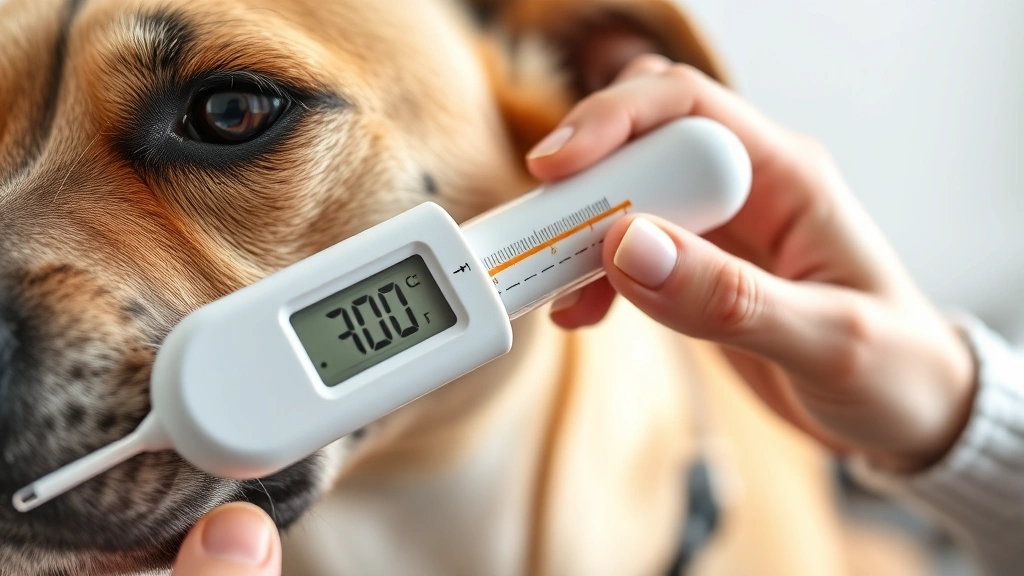
Solution #4: Natural Remedies and Supplements
Many pet parents swear by natural approaches, and some actually have merit when used appropriately. Ginger for dogs has anti-inflammatory properties and can help with nausea that sometimes accompanies fever. A small amount of ginger (about 1/4 teaspoon for small dogs, up to 1 teaspoon for large dogs) mixed into their food might help. Turmeric is another anti-inflammatory option, though it should be given in moderation.
Bone broth (homemade or store-bought, low-sodium) can provide hydration and nutrients while being easy on an upset stomach. Probiotics designed for dogs might help support their immune system, especially if the fever is related to a digestive issue. However—and this is important—these should complement veterinary care, not replace it. If your dog’s fever persists beyond 24-48 hours or is accompanied by other symptoms, you need professional evaluation.
Solution #5: Addressing the Underlying Cause
Here’s what most people miss: the fever itself isn’t usually the problem. The underlying infection or illness is. Treating just the fever without addressing the cause is like turning off your car’s check engine light without fixing the engine. You’re masking the symptom, not solving the problem.
Your veterinarian will run diagnostics—bloodwork, urinalysis, possibly imaging—to figure out what’s causing the fever. Is it an ear infection? Urinary tract infection? Viral illness? Dental disease? Once you know the cause, you can treat it properly. Sometimes that means antibiotics for bacterial infections, supportive care for viral infections, or other targeted treatments. This is why knowing when to call your veterinarian matters so much.
Red Flags: When Your Dog Needs Emergency Care
Some fever situations require immediate veterinary attention. If your dog has a fever above 106°F, is having seizures, is unresponsive, has difficulty breathing, or shows signs of severe pain, get to an emergency vet NOW. Fevers accompanied by vomiting, diarrhea, lethargy that won’t improve, or difficulty urinating also warrant prompt professional evaluation.
Don’t play the waiting game with these symptoms. Fever combined with other serious signs could indicate sepsis, heat stroke, poisoning, or other life-threatening conditions. Your “I’ll wait and see” approach could cost your dog their life in these scenarios.
Home Care While You Wait for the Vet
If your vet appointment isn’t until tomorrow but your dog has a mild fever, here’s what you can do at home. Keep them in a cool environment, provide plenty of water, offer bland food if they’re interested (boiled chicken and rice), and monitor their temperature regularly. Keep a log of their temperature readings and any other symptoms—your vet will want this information.
Don’t bundle them up thinking they need warmth. Fever management is about cooling, not warming. Let them rest in a cool spot, and resist the urge to force them to eat if they’re not interested. Many sick dogs naturally eat less, and that’s okay for a day or two.
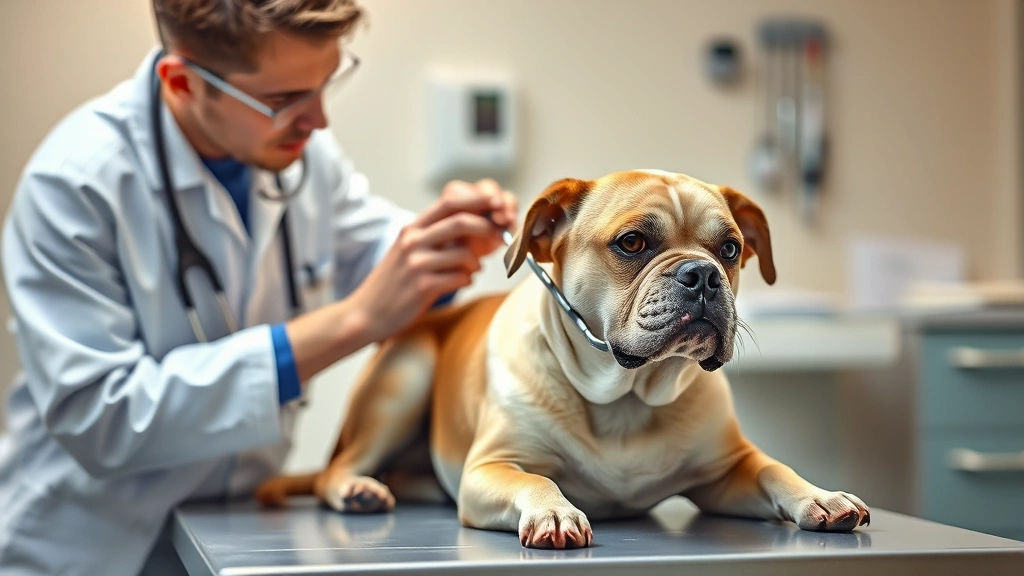
Prevention: The Best Medicine
While you can’t prevent every fever, you can reduce the risk. Keep your dog’s vaccinations current—this prevents many serious infections that cause fever. Maintain good dental hygiene (dental disease is a common fever culprit). Regular vet checkups catch problems early. Keep your dog away from sick animals, maintain a clean living environment, and watch for early signs of illness so you can address them before fever develops.
The Bottom Line on Fever Management
What can you give a dog for fever? The honest answer is: it depends on the cause and severity. Cool compresses and hydration are always safe first steps. Veterinary-approved NSAIDs are appropriate when prescribed by your vet. Natural remedies like ginger might help with inflammation. But most importantly, you need to identify what’s causing the fever so you can treat the actual problem, not just the symptom.
Your dog’s fever is their body’s way of fighting back. Respect that process, but also respect your role as their advocate. When in doubt, call your vet. That’s literally what they’re there for, and most vets would rather get a “false alarm” call than miss something serious. Your dog is counting on you to make the right call.
Frequently Asked Questions
Can I give my dog aspirin for fever?
While aspirin is sometimes prescribed by vets for specific conditions, it’s not a standard fever treatment for dogs and carries risks similar to ibuprofen. Only give aspirin if your veterinarian specifically directs you to do so with proper dosing instructions. Never self-medicate your dog with aspirin.
How long can a dog have a fever before it’s dangerous?
A mild fever (103-104°F) for 24-48 hours while you’re investigating the cause is generally manageable at home with supportive care. However, fevers lasting longer than 48 hours, or any fever above 104°F, require veterinary evaluation. Fevers above 106°F are medical emergencies.
Is a 103 degree fever in dogs serious?
A 103°F fever is technically elevated but not immediately dangerous if your dog is otherwise acting relatively normal and you’re actively addressing the cause. However, you should still contact your vet to determine what’s causing it. If your dog seems lethargic, won’t eat, or shows other concerning symptoms, seek veterinary care promptly.
What human medications are safe for dogs with fever?
Honestly? Very few human medications are safe for dogs without veterinary guidance. Over-the-counter pain relievers and fever reducers designed for humans can cause serious harm. Always consult your vet before giving any human medication to your dog. Vet-specific medications are formulated for canine safety and metabolism.
Should I bathe my dog to reduce fever?
A lukewarm bath can help reduce fever, but avoid cold water as it can cause shivering and actually increase core body temperature. Focus on cooling the ears, paws, and belly with lukewarm compresses. Some dogs find this stressful, so if your dog is already uncomfortable, skip the bath and stick with cool compresses instead.





